
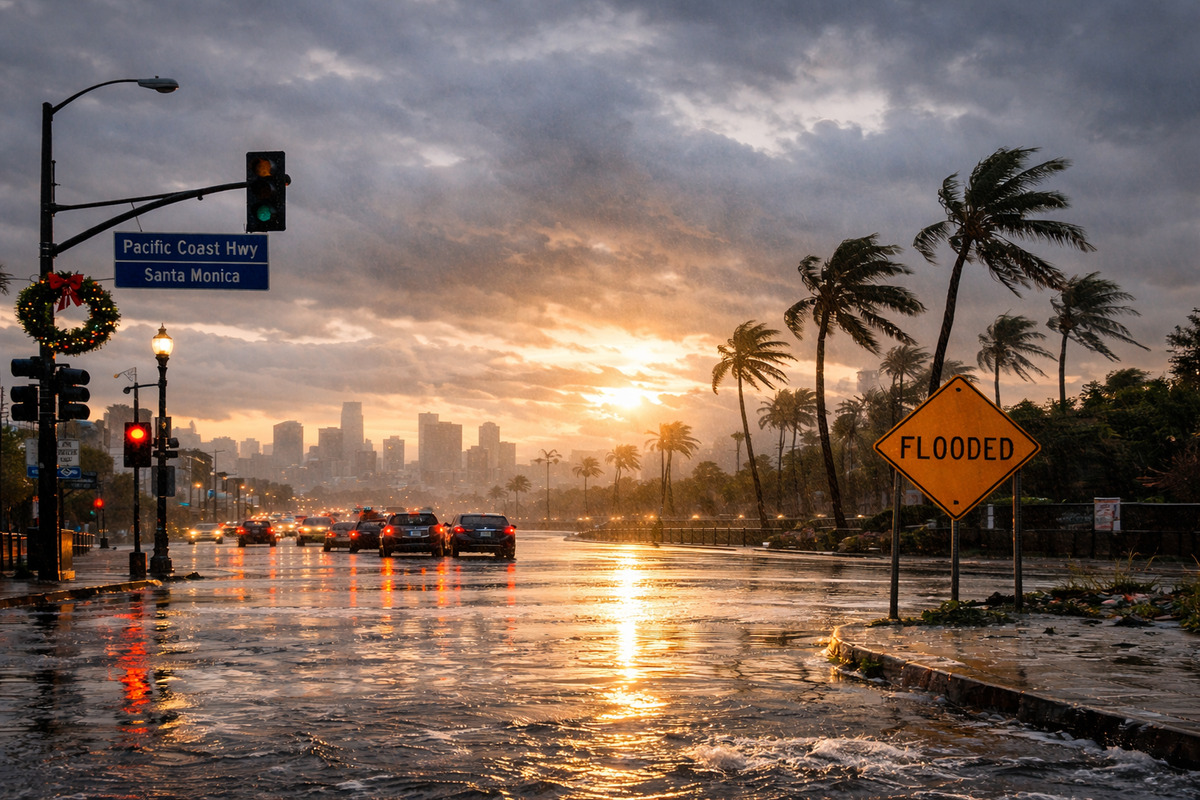
Even amid holiday cheer and moments of calm, nature reminded Southern Californians this Christmas that the season’s most powerful storms can be both awe-inspiring and dangerous. After days of storms in Los Angeles County and surrounding areas, residents found a brief respite on Christmas Day as the intensity of the storms lessened.
But officials and residents alike know all too well that the danger hasn’t passed, and they remain vigilant as the region braces for continued flooding and debris flows.
Lighter showers replaced the torrential downpours from storms in Los Angeles County that had soaked the region earlier this week. It was enough to allow families to enjoy parts of their holiday without wind-driven rain, and many took advantage of the break to carry on traditions or simply breathe a bit easier. Yet the ground beneath Southern California’s homes and hillsides remains saturated, and that poses a continuing threat of mudslides.
A Storm Unlike Many
The series of storms in Los Angeles County that battered California this week was driven by what meteorologists call an atmospheric river, a river in the sky that can deliver sustained, heavy rainfall over land. These systems are nature’s moisture conveyor belts, carrying water vapor from tropical regions and dumping it hours later across distant landscapes.
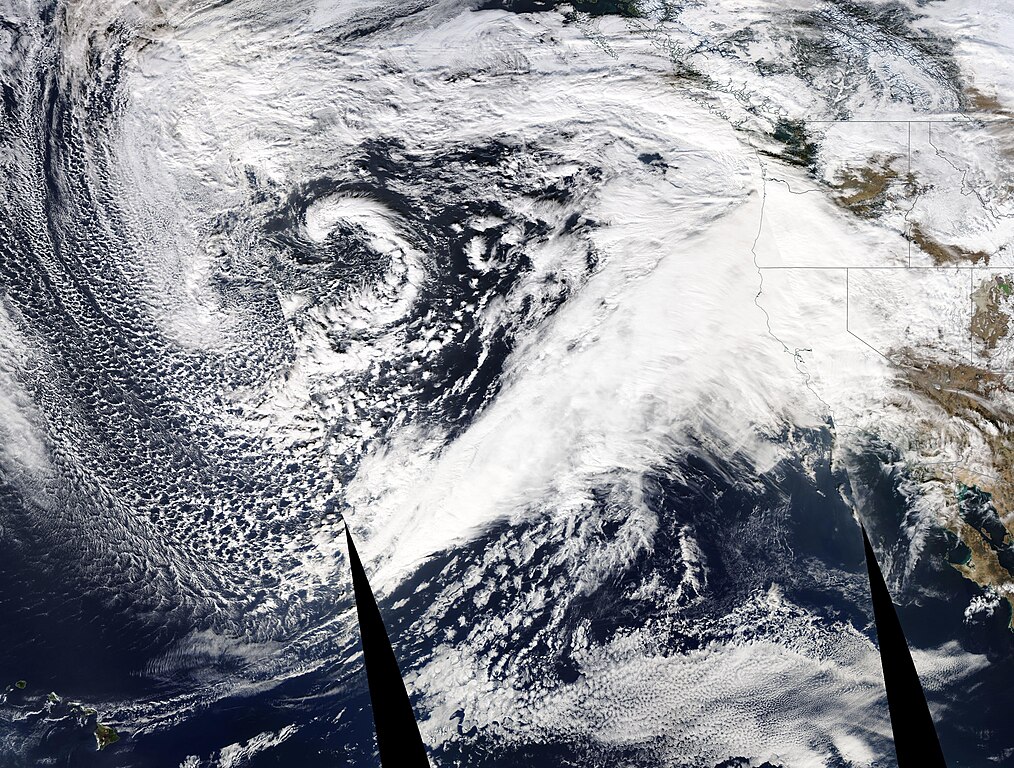
For Southern California, this atmospheric river brought what some weather watchers are calling one of the wettest Christmas seasons in recent memory, pushing the region into flood watches and prompting emergency declarations from local leaders.
Los Angeles Mayor Karen Bass issued a declaration of emergency as a precautionary move, activating resources designed to keep residents safe and prepared. Flood watches remained in effect across much of the county, and weather services continued to forecast showers and potential thunderstorms in the coming days.
The Human Side of the Storm
While some enjoyed the temporary calm, the broader impacts of the storms in Los Angeles County were sobering. Across the state, lives were lost and communities were disrupted. Officials reported multiple fatalities tied to storm conditions, including deaths from falling trees, powerful waves on storm-pounded beaches, and vehicles overwhelmed by rising waters.
Emergency personnel in Los Angeles County rescued people who were swept many miles by swollen creeks, underscoring just how quickly conditions can turn deadly.
Communities with burn scars from previous wildfires are particularly vulnerable. When rain falls on land that has lost vegetation and deep roots that normally soak up water, the risk of mudslides and debris flows increases dramatically.
Areas such as Pacific Palisades, Malibu Canyon, Topanga State Park, and other canyons were highlighted as places where even lighter rain could trigger dangerous conditions.
A Respite That Builds Strength
Despite the risks, there’s reason for cautious optimism. Forecasts suggested the worst of the storm had passed, with the promise of a sunnier, cooler weekend ahead. These breaks offer windows for responders to assess drainage systems, warn residents in flood-prone areas, and clear debris where possible.
They also remind communities of the importance of preparedness in the face of increasingly frequent extreme weather events.
Families who ventured out found moments of light-heartedness, sharing smiles and memories that might outlast the storm clouds. The weather may have challenged holiday plans, but it also underscored the strength of Southern Californians who, through cooperation and care, find ways to keep moving forward.
As the region dries out, experts urge residents to stay informed through official advisories, heed evacuation warnings, and prepare for the possibility of additional rain in the days to come. Flood watches may lift, but saturated soil and stressed infrastructure means that even modest showers can turn into larger problems.
In the heart of it all is an opportunity: to learn, adapt, and fortify. From community flood preparation plans to individual readiness kits, the storm serves as a catalyst for smarter, safer living in a climate where extreme weather events are becoming more common.