

The Consumer Finance Protection Bureau is Constitutional, After All

In a blow to the conservative legal movement, the U.S. Supreme Court ruled that the Consumer Finance Protection Bureau is not, in fact, an unconstitutional abomination.

Shawn Musgrave, The Intercept
By
Shawn Musgrave, The Intercept
Shawn Musgrave is a media law attorney and reporter based in New York. As counsel to The Intercept, Shawn brings considerable experience in government transparency, including...
1 Min Read
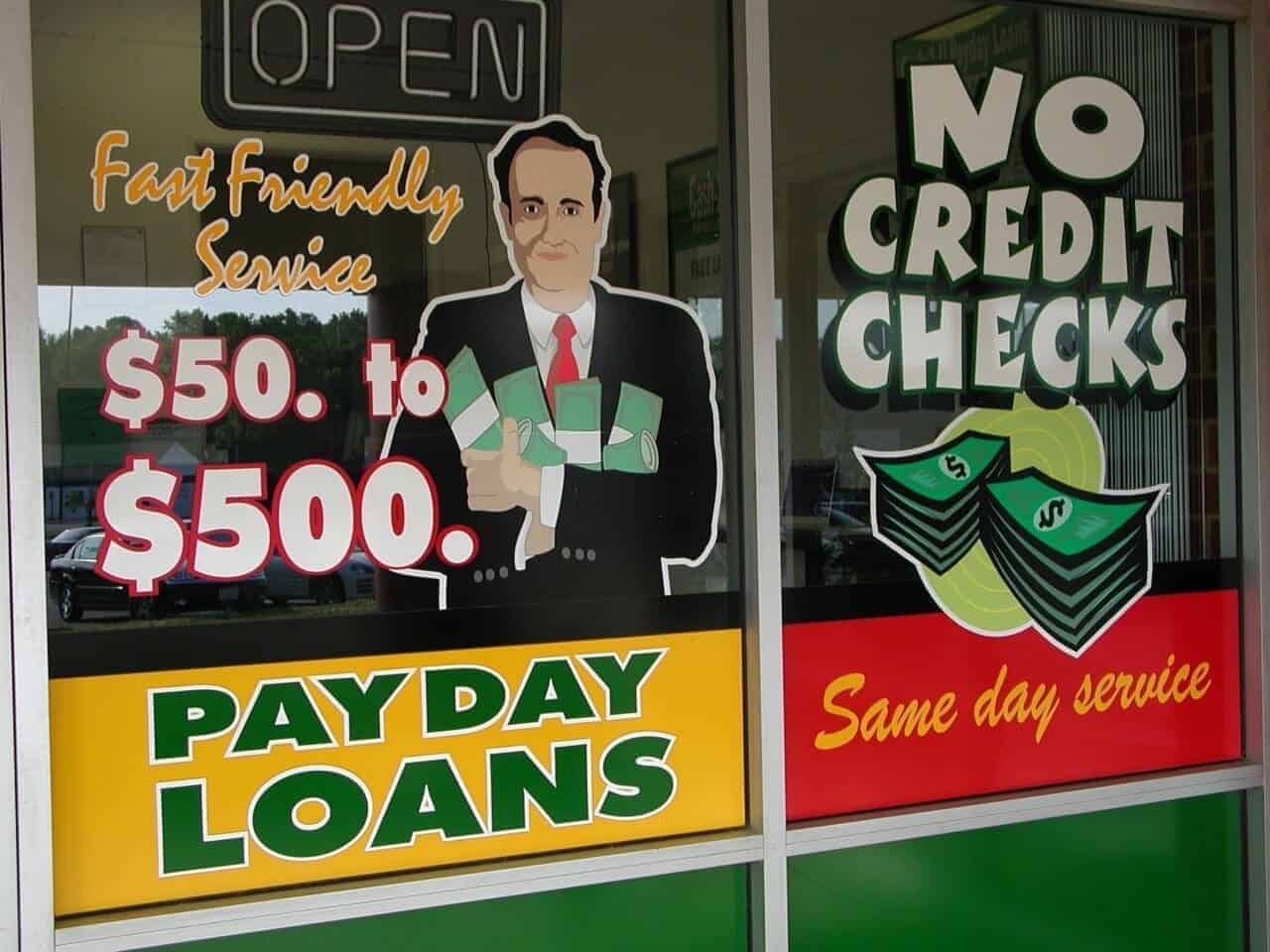
"Payday Loan Place Window Graphics" by taberandrew is licensed under CC BY 2.0.
This article has been archived, so the information may no longer be relevant.

And for some reason Justice Samuel Alito can’t stop talking about this witch trial judge.

In a blow to the conservative legal movement, the U.S. Supreme Court ruled that the Consumer Finance Protection Bureau is not, in fact, an unconstitutional abomination.

The independent agency — which oversees payday lenders, credit card companies, and student loans — has long been a partisan target. And as it turns out, its funding mechanism is perfectly constitutional, the court ruled Thursday in a 7-2 decision. 

Its conclusion was straightforward: When it created the CFPB, Congress passed a law that authorized expenditures from specific sources to fund the agency. This satisfies the Appropriations Clause, the court ruled.  

The attack on the CFPB is not the only challenge brought this term by conservative opponents of modern regulatory agencies. In as-yet-undecided cases, the Supreme Court will consider whether to curtail the powers of the Securities Exchange Commission and whether to gut a landmark standard for all regulatory oversight. Challenges to the National Labor Relations Board are working their way through lower courts. 

Continue reading on the Intercept

See more of our content in Google search results!

TAGGED:
Share This Article
Shawn Musgrave is a media law attorney and reporter based in New York. As counsel to The Intercept, Shawn brings considerable experience in government transparency, including the federal Freedom of Information Act, state public records laws, and court access. Prior to joining The Intercept, Shawn worked at the Reporters Committee for Freedom of the Press, the Center for Investigative Reporting, and MuckRock. His reporting has been published in Politico, The Verge, Vice, Reason, and the Boston Globe, among other outlets.