
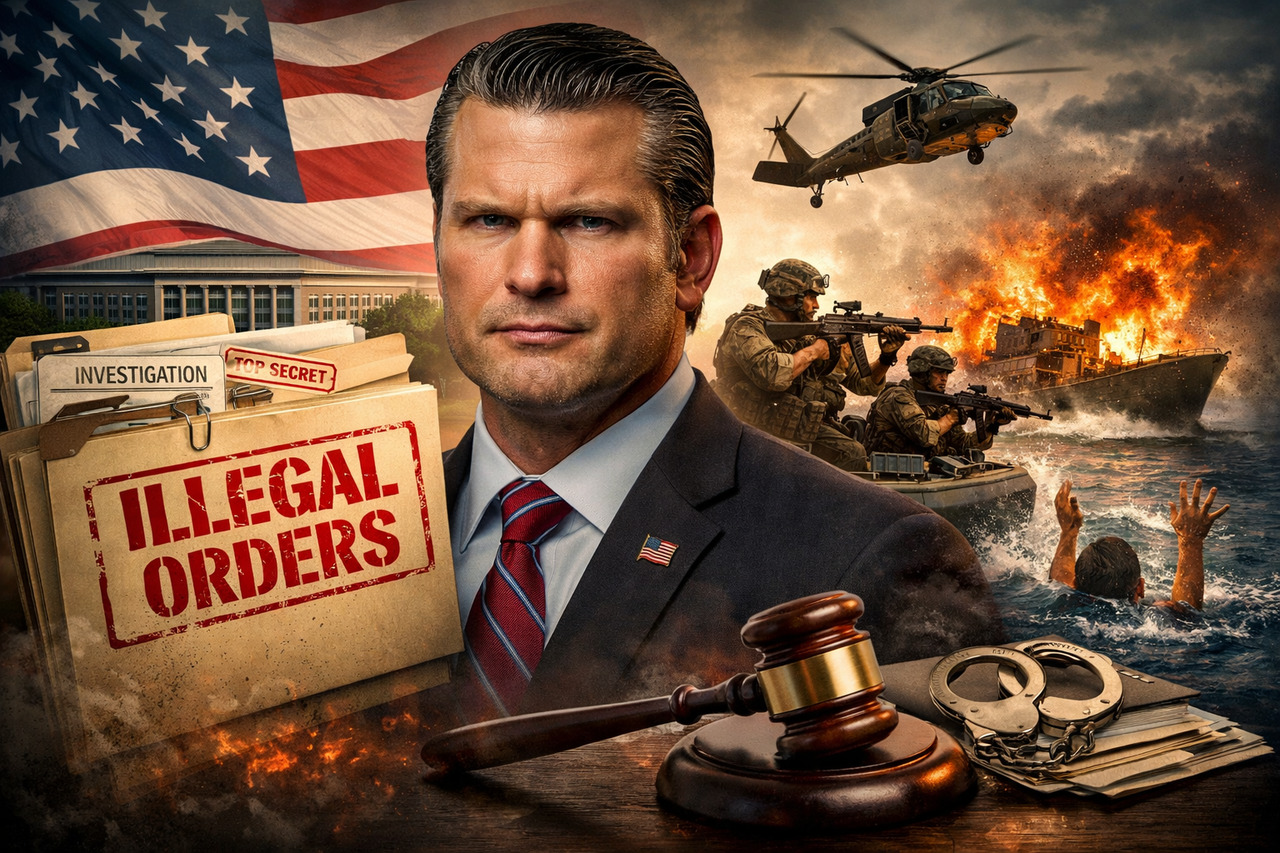
If you’re wondering whether the phrase “illegal orders” has become the hottest political buzzword of late 2025, you’re not alone.
It now anchors a multi-headed controversy involving Pentagon leadership, congressional probes, international law, and an escalating debate about how far a U.S. defense official can go before the phrase “war crimes” starts popping up in mainstream headlines.
To untangle this knot, let’s start at the beginning — or at least where everyone seems to be loudly tweeting about beginnings.
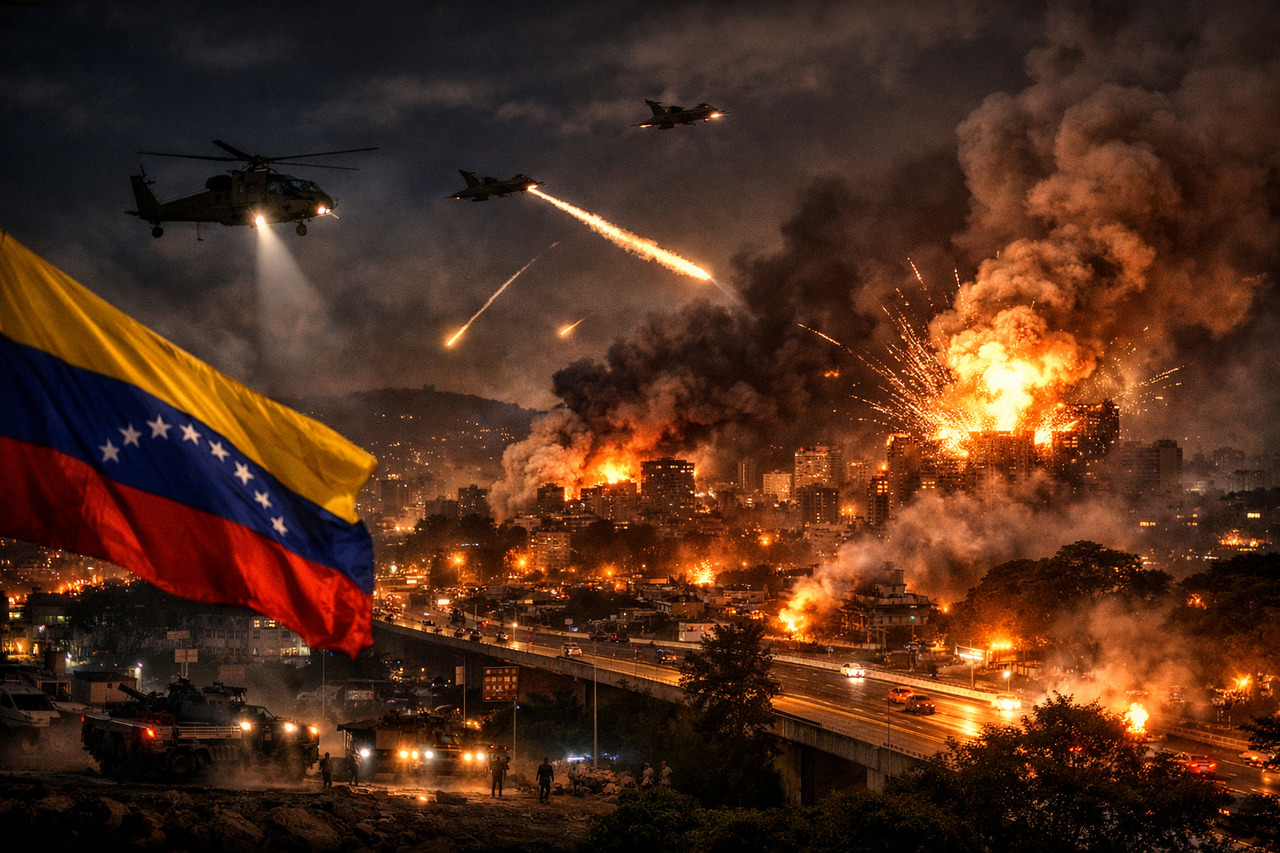
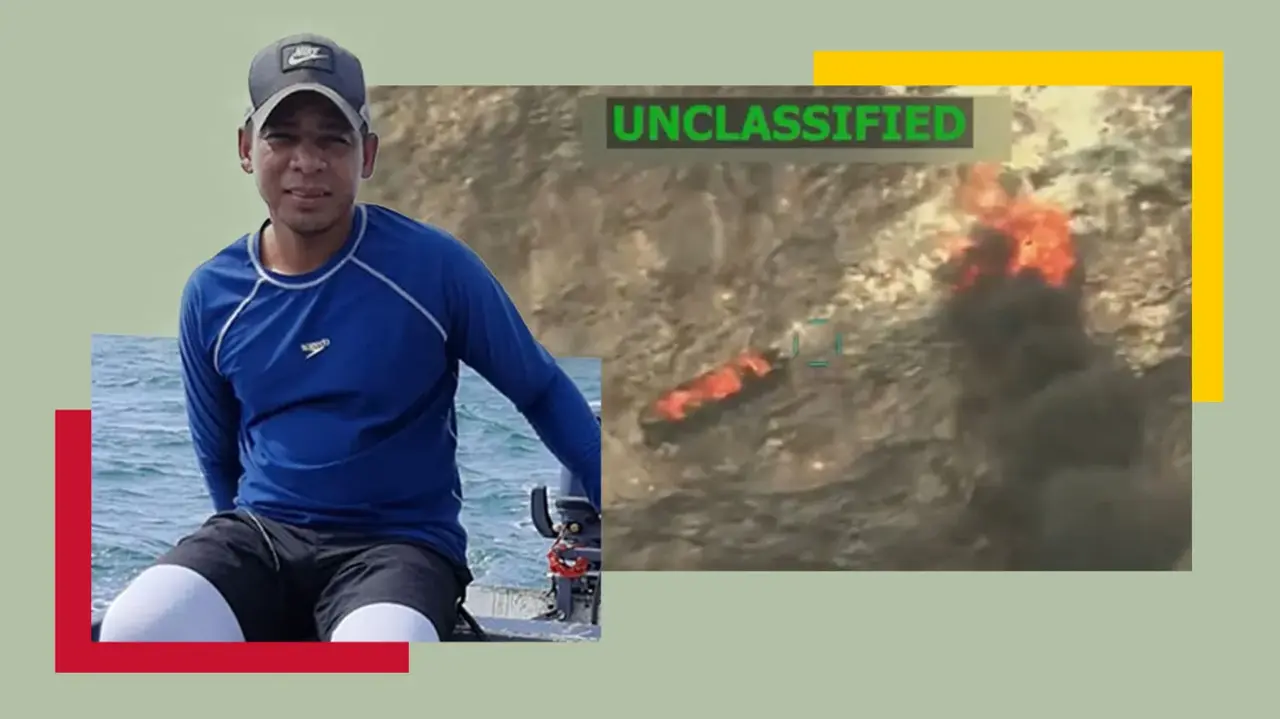
At issue is a U.S. military campaign targeting boats in the Caribbean and Eastern Pacific thought to be carrying drugs. Those strikes, led by elite U.S. forces, have killed dozens. The kicker?
A report in The Washington Post suggests Defense Secretary Pete Hegseth may have ordered forces to kill everyone on one of these boats, including survivors clinging to wreckage in the water.
Under long-standing norms of international law, orders to kill survivors — people no longer posing a threat — are illegal under both U.S. and international war-law standards. Many legal experts call such orders murder or a war crime.
That startling claim ignited a firestorm. Lawmakers from both parties expressed unease, some suggesting that the alleged order — reported as “kill everybody” — could violate domestic and international statutes.
Even Republican Armed Services leaders pledged oversight. At the same time, the White House insisted the strikes are lawful and necessary to halt drug trafficking.
Hegseth himself blasted the reporting as “fabricated” and defended the campaign’s legality.
Enter the Pentagon’s newest chapter: multiple investigations.


According to a detailed analysis of the unfolding situation, there are up to five different investigative bodies that could theoretically examine whether Hegseth’s conduct constituted criminal wrongdoing or unlawful command decisions.
These range from congressional armed services and foreign policy committees to military investigative bodies, inspectors general, and potentially civilian prosecutors.
That sounds like a lot — almost cartoonishly so — until you realize the punchline: none of them is likely to produce charges.
Why the gap between possible inquiries and real legal exposure? It largely comes down to law, evidence, and political reality.
Military and international law can cover orders that violate the Law of Armed Conflict or the U.S. Uniform Code of Military Justice, yet proving who said what and whether it was lawful is staggeringly complex.
Facts are murky, key witnesses may be shielded, and political forces on Capitol Hill are not exactly neutral referees in this fight.
Add in constitutional protections and prosecutorial discretion, and cases against high-ranking civilian defense officials become even tougher to bring forward.
Let’s take a step back and breathe in the absurdity for a moment: a defense secretary facing potential scrutiny for issuing an illegal order so controversial that both Republicans and Democrats want to know what really happened — even while the machinery of government simultaneously shields him from criminal consequence.
It’s like a legal Bermuda Triangle where illegal orders go in and disappear.
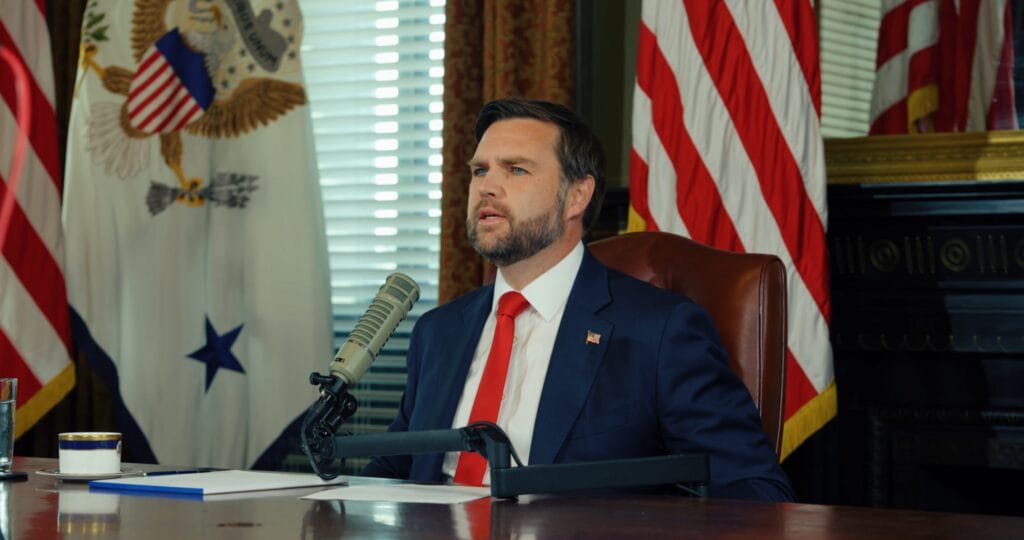
At the same time, the controversy has upended more than just legal scholars’ tea cups. Six Democratic lawmakers — including retired Navy Capt. Senator Mark Kelly — released a video urging service members to refuse illegal orders.

We are strengthening our privacy policies in 2026, beginning with the YouTube cookie. When you watch a video, YouTube saves your player preferences and settings in a cookie and stores it on your device. The next time you watch a YouTube video, it’ll be setup just the way you like it. This notice won’t appear on any videos once you’ve accepted it. (the reminder that you’ve already seen it is also stored on a cookie.)
That video, meant to remind troops they swear allegiance to the Constitution and not a person, drew savage pushback from President Trump and Hegseth himself.
Trump labeled the lawmakers’ remarks “seditious,” even claiming they deserved arrest — and the FBI reportedly sought interviews with the lawmakers.
Pentagon officials even opened scrutiny into whether Kelly might be recalled to active duty and face court martial.
Legal observers, however, say such a court martial is highly unlikely given constitutional protections and lack of clear violation.
So we’re stuck in a kind of legal and rhetorical paradox: on the one hand, experts say that illegal orders — particularly those that would target people no longer posing a threat — are absolutely prohibited under both military law and customary legal norms.
On the other hand, when those allegations swirl around a current Pentagon chief, they seem to evaporate into political intrigue rather than courtroom action.
Credit: The Sunday Times
There’s an important cultural point lurking here too. The U.S. military’s own manuals make clear that service members must refuse unlawful orders; obedience is not blind.
This is a principle that professional forces worldwide have upheld since Nuremberg, precisely to prevent atrocities under the pretext of following commands.
Yet right now, it’s become a political flashpoint rather than a settled legal doctrine in the court of public opinion.
The whole episode underscores a troubling trend: rather than focusing on preventing illegal orders, we’re debating whether reminding troops of their duty to refuse them counts as an attack on the chain of command.
That’s like reprimanding someone for pointing out that fire is hot. 🔥
The substance of the issue — what exactly happened in that Caribbean sea strike, who authorized what, and whether it violated legal norms — deserves serious, clear investigation.
But our political system seems better at spectacle than substance.
At the end of this chaotic saga, illegal orders have gone from a straightforward legal concept to a political football.
Investigations are possible, even plausible, but legal consequences remain distant.
Meanwhile, the debate over how far civilian and military leaders can go before crossing the line between order and illegality continues to simmer — with the public left to parse what is legal, what is ethical, and what is simply barely believable.