
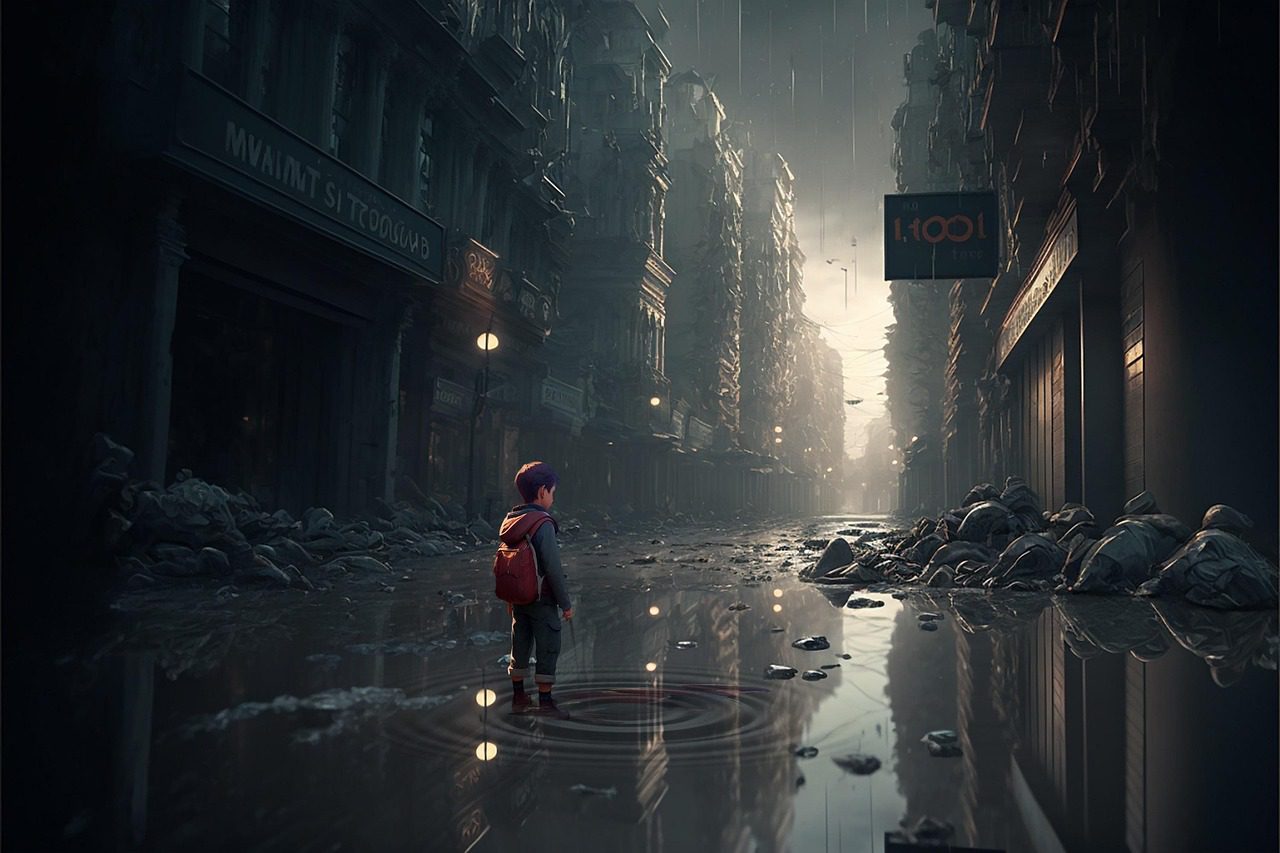
“American Dystopia” is part of Resist Hate’s Life in Trump’s America Series
Imagine waking up one morning to discover that freedom itself has begun to unravel, its threads quietly pulled loose until the fabric holding the nation together barely resembles what once existed.
This hypothetical scenario forces us to confront a chilling question: what would become of America without the Constitution?
Picture a United States where rights erode slowly, then all at once. A society reshaped by fear instead of law. A nation where authority expands while accountability disappears.
The warning feels less theoretical in a moment when the country faces rising authoritarian rhetoric, militarized policing, and political leadership openly hostile to democracy.
The story below explores what life might look like if the Constitution and the Bill of Rights were stripped of their power, reduced from the foundation of American liberty to historical relics displayed in museums and civics textbooks no one is allowed to question.
By painting a vivid portrait of this dystopian future, the goal is not simply to imagine collapse, but to highlight how fragile democratic protections can become when citizens stop defending them.
Rights rarely vanish overnight. They are chipped away, reframed as inconveniences, or traded for promises of safety until people barely recognize what has been lost.
DYSTOPIA
American Dystopia
The sun rises over a fractured nation.
Towering digital billboards dominate city skylines, broadcasting government messaging in endless rotation. Patriotic slogans blur into warnings. News bulletins dissolve into loyalty pledges.
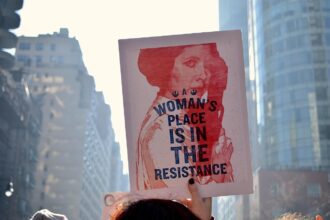

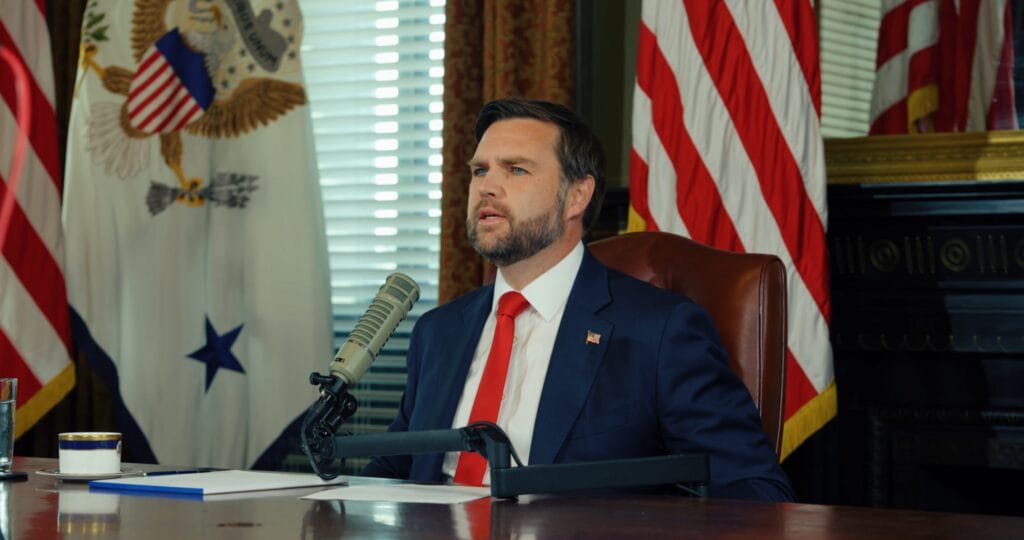
Government advertisements encourage citizens to “See Something, Say Something, Think Something, Report Something.”
The line between information and indoctrination no longer exists, because questioning the difference has been labeled as dissent.
Below, the streets hum with the rhythmic thud of armored boots. Surveillance drones hover overhead like mechanical vultures, their cameras scanning sidewalks, rooftops, and windows for signs of disorder or independent thought.
Their presence is so constant that most citizens no longer look up.
Fear has become background noise.
The Constitution, once revered as the cornerstone of individual liberty and justice, has been dismantled in dystopian America.
What remained was not replaced with a new framework of governance, but with the unchecked authority of a single fragile ruler who views disagreement as betrayal and criticism as treason.
Without constitutional protections, citizens exist at the mercy of leadership driven less by law and more by personal grievance.
Even mild dissent carries consequences, and silence has become the safest form of self-preservation.
The atmosphere hums with constant tension. Conversations are carefully rehearsed before they happen. Casual remarks are filtered through fear. People speak in guarded tones, fully aware that surveillance systems and informants blur the line between public speech and private thought.
This climate of anxiety hardened following the assassination of Charlie Kirk. The Republican Party elevated him into a permanent symbol of ideological loyalty, transforming mourning into political doctrine.
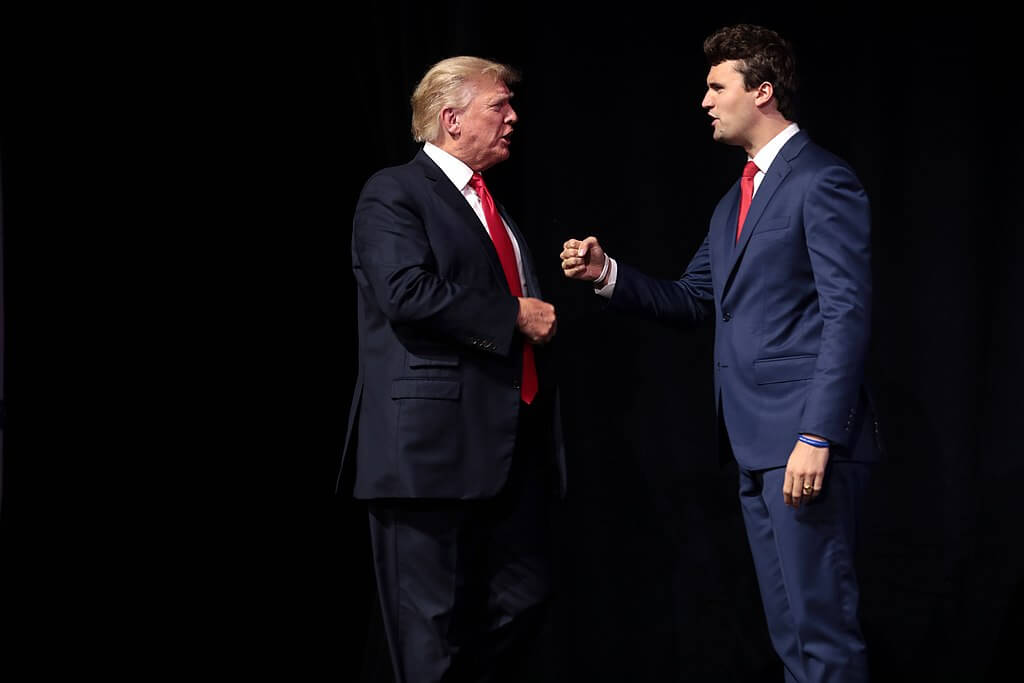
In response, the administration launched aggressive campaigns against anyone who expressed criticism, sarcasm, or even measured disagreement with the newly sanctified narrative.
This new reality breeds constant fear and mistrust. Neighbors quietly monitor one another, unsure whether casual conversation might be reported as ideological disloyalty. Long friendships break under the pressure of suspicion, replaced by polite distance and carefully neutral small talk.
Public squares, once alive with debate and disagreement, have transformed into arenas of compliance. Crowds still gather, but not to exchange ideas. They assemble to demonstrate unity, applaud official messaging, and prove they have nothing to hide.
Government officials insist civil liberties have not been eliminated, only “streamlined for national efficiency.”
Without constitutional protections anchoring civic life, society’s unwritten norms begin to mutate. Conformity becomes currency. Dissent becomes a liability. Citizens learn quickly which opinions lead to promotions and which ones lead to investigations.
What Happened to the Constitution?
The end of the Constitution did not arrive with a single dramatic announcement. It unfolded slowly, almost politely, disguised as reform.
Rights eroded through a steady combination of fear-driven legislation, strategic misinformation campaigns, and political maneuvering framed as patriotic duty. Each policy change was marketed as temporary, necessary, or overdue modernization.
Leaders, claiming to preserve national stability, introduced laws restricting free speech and public assembly. The measures were presented as safeguards against extremism, unrest, and “dangerous misinformation,” vague labels that quietly expanded to include criticism of government authority itself.
Government officials insist citizens remain free to express opinions, provided those opinions are correct.
Year by year, the Constitution was pushed further to the margins, recast as an outdated relic unsuited for modern threats. Officials described it as admirable in principle but impractical in execution, a document better suited for museums than governance.
Moments that once sparked spirited public debate began triggering nationwide panic. News broadcasts amplified isolated incidents into evidence of systemic collapse. Political leaders responded with emergency measures that rarely expired.
Government officials justified their expanding authority by invoking national security concerns and promoting statistics showing dramatic spikes in crime, numbers later revealed to be exaggerated, selectively interpreted, or entirely fabricated. By then, the narrative had already taken hold.
The regime gradually persuaded large segments of the population that personal liberty was a luxury society could no longer afford. Safety, stability, and unity became the new national priorities, repeated so often they began to sound like common sense.
Caught inside a carefully constructed propaganda ecosystem, many Americans accepted these changes not because they trusted them, but because resistance carried risks most people were unwilling to face.
The Erosion of Rights
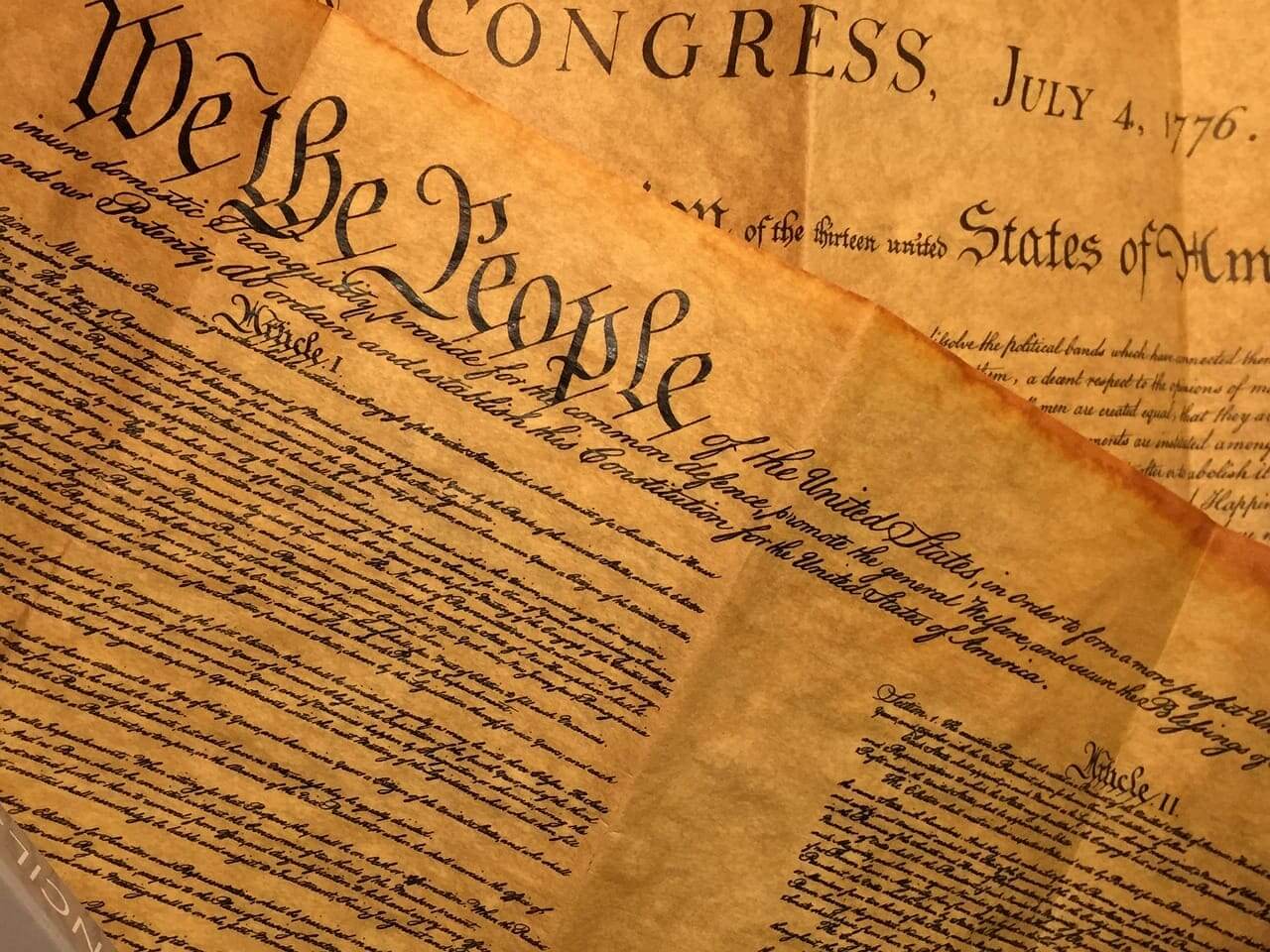
As the Constitution crumbled, freedom of speech became one of its earliest and most visible casualties.
Citizens now live in a country where expressing opinions that challenge the state’s approved narrative can trigger swift and severe consequences. What was once considered civic participation is now treated as ideological defiance.
Officials insist citizens remain free to express themselves, provided their views contribute positively to national morale.
Writers, artists, and journalists operate under strict censorship mandates, their work filtered through government review boards that determine which ideas are considered patriotic and which are labeled destabilizing.
Social media platforms, once chaotic arenas of public debate, have evolved into sophisticated tools of surveillance and state messaging. Algorithms no longer amplify engagement. They amplify loyalty.
Fear reshapes both public speech and private conversation. Families rehearse discussions before gathering for dinner. Friends avoid political topics altogether.
People weigh every sentence as if it were testimony in a courtroom, aware that misunderstanding or misinterpretation can invite scrutiny.
Over time, this constant self-monitoring dulls creative expression and suppresses intellectual curiosity. American culture grows increasingly uniform, stripped of dissenting voices and challenging perspectives.
Independent thought does not disappear overnight. It fades quietly as people learn which questions are safest left unasked.
Government policy accelerates this transformation. Diversity, Equity, and Inclusion initiatives are outlawed, reframed as threats to national unity. Inclusion and cultural representation are publicly condemned as divisive ideologies rather than social progress.
Under new federal directives, programs designed to expand representation are classified as domestic terrorism. Officials warn that efforts to diversify institutions, workplaces, and communities are part of an organized campaign to weaken national identity.
State-controlled media outlets repeatedly frame diversity itself as a coordinated attack on the nation’s survival.
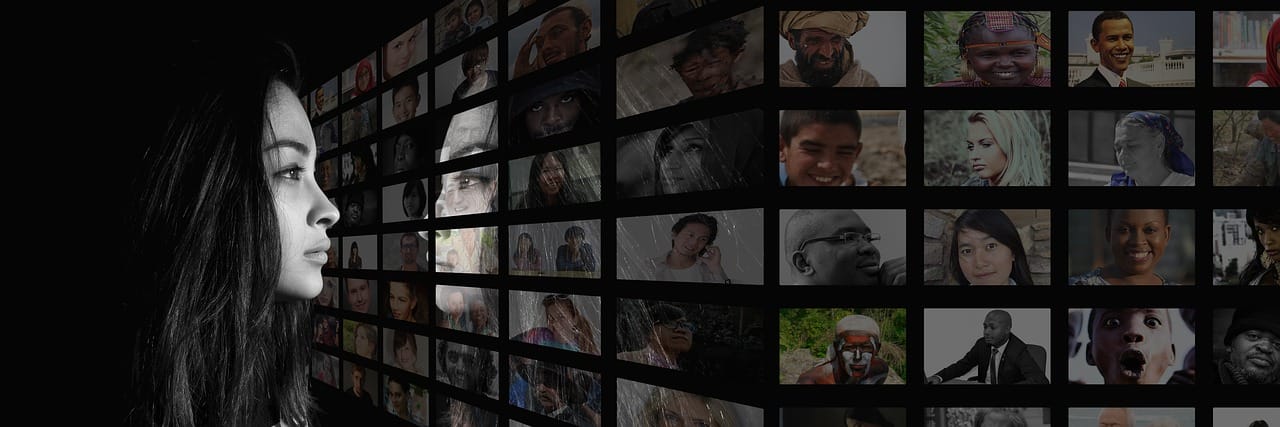
The Right to Protest: A Distant Memory
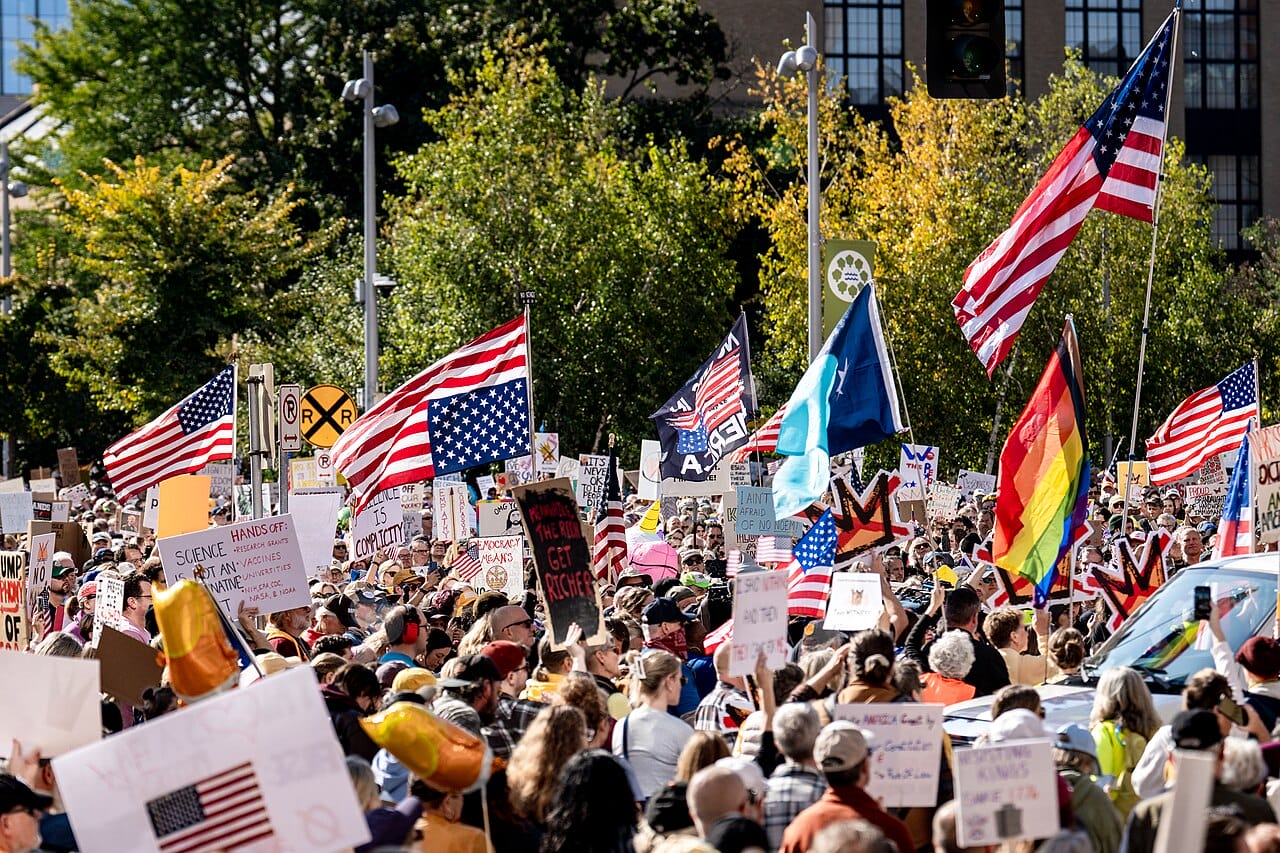
Once a defining pillar of American democracy, the right to protest has faded into historical memory in dystopian America.
Executive orders issued by authoritarian leadership outlaw public demonstrations, reclassifying protest as domestic terrorism. Citizens who gather in defiance are labeled enemies of the state rather than participants in democratic expression.
Movements that once united communities in solidarity now face immediate and overwhelming suppression. Militarized secret police units disperse crowds with calculated precision, ensuring demonstrations rarely grow large enough to attract national attention.
Government officials routinely emphasize that citizens retain the right to peaceful assembly, provided those assemblies occur virtually, individually, and without witnesses.
Many of these enforcement officers once served as Immigration and Customs Enforcement agents. After the regime completed its mass deportation campaigns, traditional immigration enforcement was deemed unnecessary.
Rather than dissolving the agency, leadership repurposed its infrastructure into a domestic security apparatus tasked with monitoring and controlling the population.
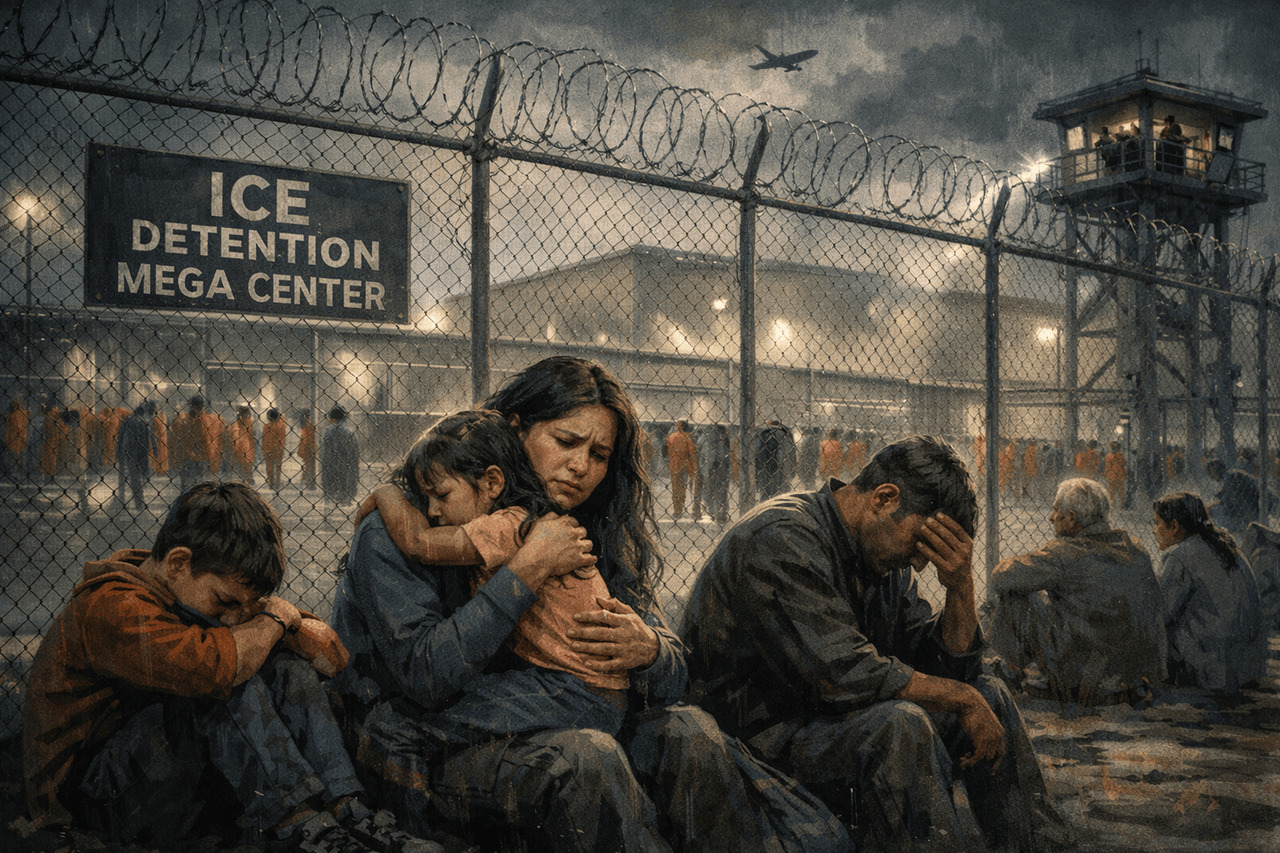
Former immigration detention facilities, once known as ICE mega-centers, were expanded into vast holding complexes scattered across the country.
Officially described as “relocation and processing centers,” these camps house millions of citizens classified as “demographic or ideological threats.”
Because the regime cannot legally deport natural-born citizens, minority communities are disproportionately targeted for indefinite detention under national security statutes.
Government media outlets justify the camps as “preventative safety measures designed to preserve cultural unity and social order.”
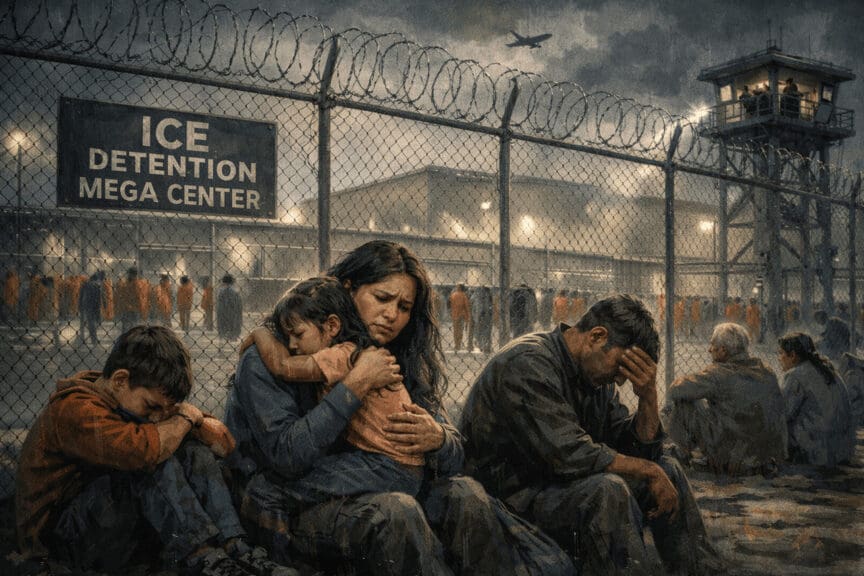
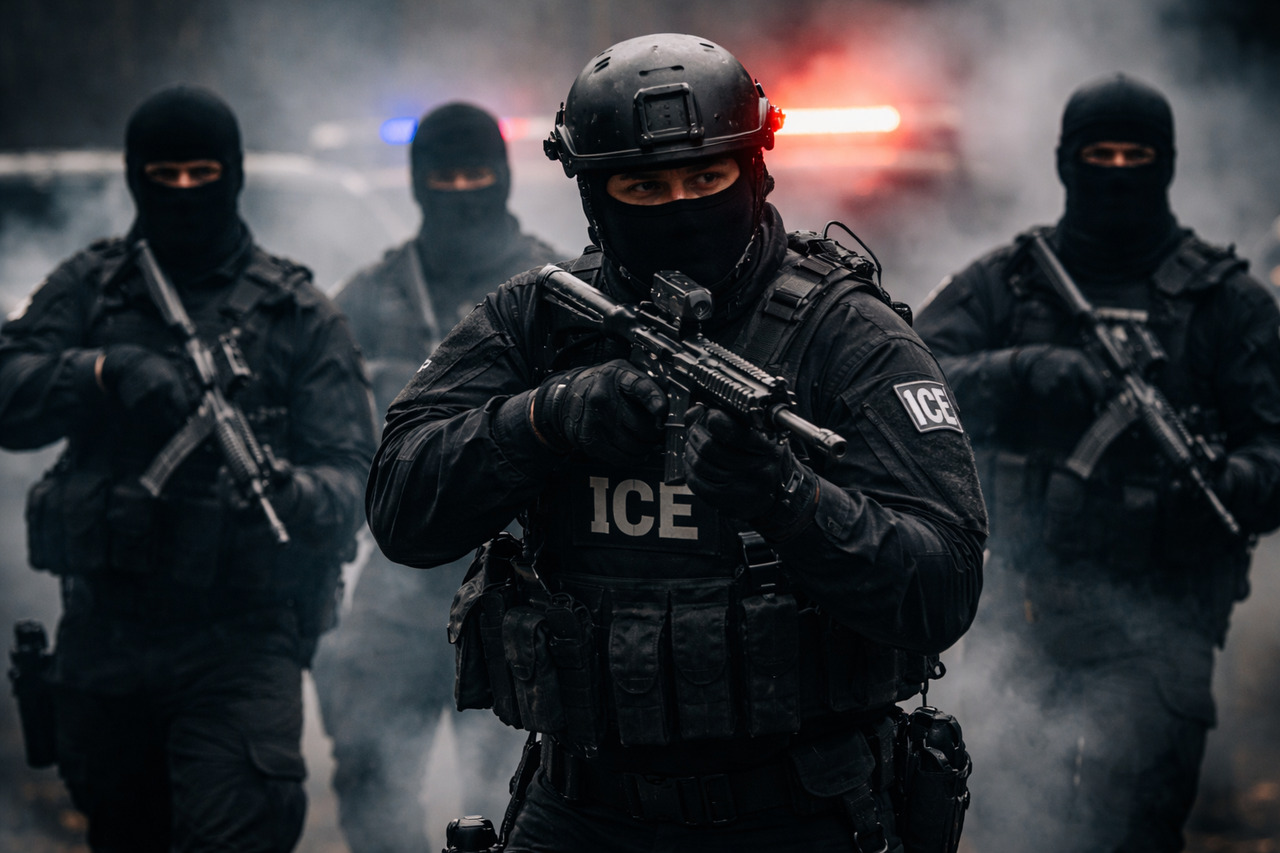
Former ICE personnel now operate as the regime’s national police force, outfitted in militarized tactical gear and black masks that conceal their identities. Armed with advanced surveillance systems, predictive policing software, and crowd-control weaponry, they patrol city streets as both law enforcement and visible reminders of state authority.
Their presence transforms public spaces. The sight of armored patrols and masked officers becomes routine, reinforcing a climate where resistance feels both dangerous and futile.
With no lawful avenues remaining for public dissent, frustration festers in private silence. Citizens suppress anger and grief, fearing that even emotional expression could be interpreted as disloyalty. Social bonds weaken as individuals withdraw into self-preservation.
The activism that once energized neighborhoods, campuses, and workplaces fades into quiet memory. In its place emerges a culture of resignation, where survival replaces participation and fear overshadows collective action.
A Day in the Life
In this altered version of America, daily life bears little resemblance to the routines citizens once took for granted.
Each morning begins with reminders of a fragile existence. Government-issued alerts appear on personal devices, outlining new restrictions, updated loyalty directives, and warnings about prohibited activities.
Citizens scroll through them the way previous generations checked the weather, gauging how dangerous the day might become.
Even simple social gatherings carry risk. Conversations among friends are cautiously worded, shaped by the knowledge that digital communications are logged and personal data trails are constantly analyzed. Casual remarks that once filled living rooms with laughter now pass through layers of internal editing before they are spoken aloud.
Workplaces mirror the country’s ideological transformation. Employees undergo mandatory political training sessions designed to reinforce state-approved beliefs and eliminate perceived ideological instability.
Performance evaluations now include loyalty metrics, measuring adherence to government messaging alongside professional productivity.
Fear of termination, investigation, or public blacklisting silences employees who question workplace policies or express independent thought. Professional success depends less on talent and more on demonstrated compliance.
Without constitutional protections serving as boundaries, personal freedoms erode through routine administrative policies. Surveillance becomes so integrated into daily life that its presence feels ordinary rather than intrusive.
Smartphones track location data in real time. City streets are saturated with monitoring cameras linked to centralized facial recognition networks. Transportation systems log travel patterns. Communication platforms archive conversations indefinitely.
Privacy is no longer treated as a right. It is regarded as a suspicious absence of transparency.
The regime’s symbol, an unblinking eye displayed across government messaging and security installations, reinforces the constant reminder that citizens are always being observed.
Official slogans describe the surveillance network as a protective safeguard, encouraging citizens to view monitoring as reassurance rather than intrusion.
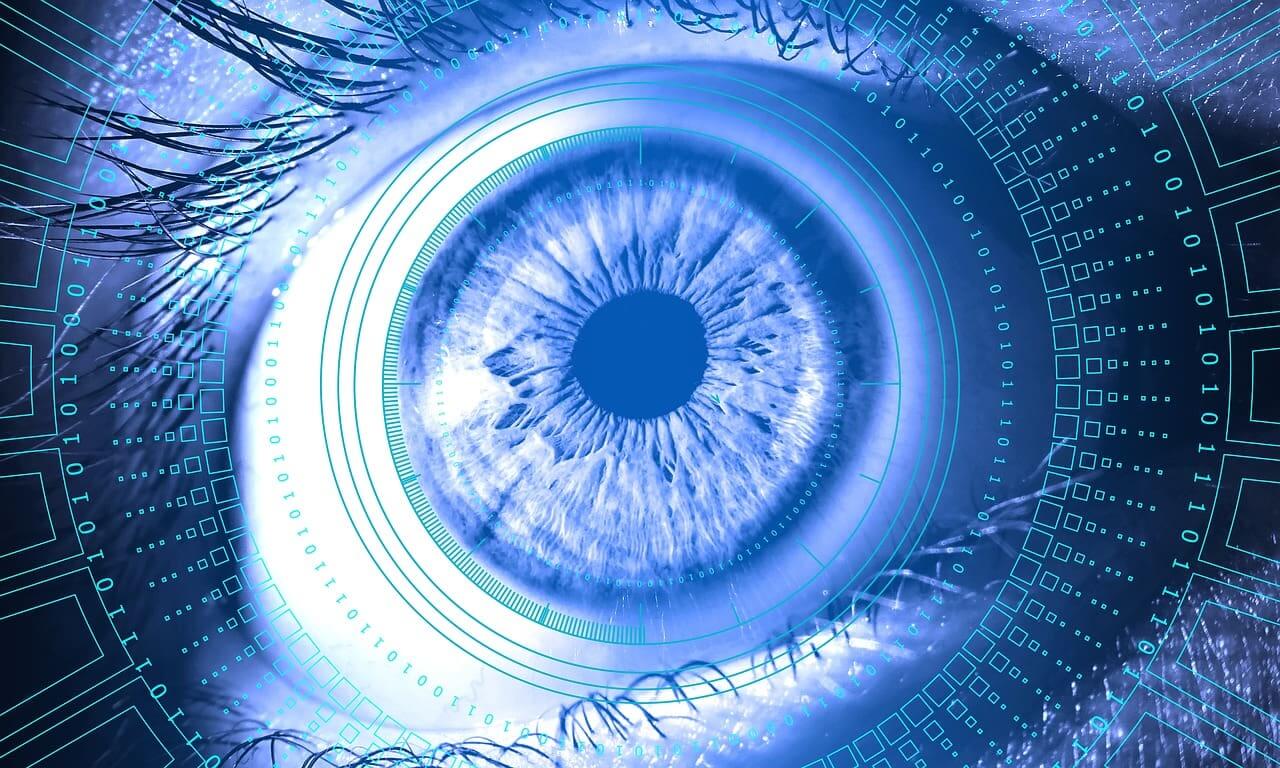
Under this watchful infrastructure, self-censorship becomes second nature. People soften their language, avoid controversial topics, and adjust behavior patterns to minimize attention.
Social interactions grow quieter and more calculated, shaped by the persistent awareness that observation may be invisible but is never absent.
Creative industries reflect the same transformation. Independent media, art, and personal expression gradually lose their vibrancy, replaced by uniform messaging that celebrates stability, unity, and obedience.
Cultural expression narrows into carefully approved themes, reinforcing state narratives while discouraging originality.
Without constitutional safeguards, surveillance evolves from a security measure into the foundation of social structure.
The government deploys advanced monitoring technologies to maintain control over public and private life. Facial recognition systems track individuals across transportation hubs, city streets, and shopping centers, while predictive algorithms analyze online behavior to identify potential dissent before it surfaces publicly.
Societal Changes
This constant monitoring reshapes public psychology. Vulnerability becomes a permanent emotional condition rather than a temporary fear. Citizens no longer worry about being watched occasionally. They assume they are always being watched.
Surveillance quickly expands beyond observation into coercion. Private information becomes leverage. Personal data can be used to threaten employment, revoke government benefits, or trigger criminal investigations. Compliance is no longer encouraged.
It is enforced through quiet intimidation.
State-controlled media networks reinforce this system by carefully shaping public narratives. News broadcasts portray dissenters as domestic terrorists and threats to national security or social unity, isolating opposition voices and discouraging collective resistance.
Seeds of Resistance
Despite the suffocating environment, resistance begins to take root in hidden corners of society.
Small underground networks of activists, journalists, educators, and historians gather discreetly to preserve constitutional knowledge and exchange ideas. These groups call themselves “Constitutionists,” viewing their work as both historical preservation and political defiance.
Participation carries severe consequences. Discovery can lead to detention, financial punishment, or permanent disappearance into government detention infrastructure.
Still, the movement grows quietly, fueled by the enduring human instinct to challenge authority and protect personal autonomy.
Technology becomes both a battlefield and a refuge. Skilled programmers, engineers, and software developers collaborate within hidden digital networks, designing encrypted communication platforms that operate beyond government surveillance capabilities.
These applications are lifelines, allowing resistance members to coordinate efforts and maintain morale.
Creative expression evolves alongside technological resistance. Artists, musicians, and writers embed coded messages into their work, preserving themes of liberty, identity, and resilience beneath layers of symbolic storytelling.
Through these fragile but determined efforts, solidarity begins to reemerge. The shared desire to reclaim freedom ignites a fragile spark of hope against the overwhelming weight of authoritarian control.
The Role of Technology
Technology, once celebrated as a tool of empowerment and global connection, becomes a double-edged sword in dystopian America.
While digital platforms allow resistance networks to communicate, they simultaneously provide the state with powerful tools for censorship and behavioral control.
The government implements strict regulations over digital content, filtering search results, suppressing independent reporting, and amplifying state-approved messaging.
This transformation accelerated after a consortium of billionaire investors, working in coordination with Israeli Prime Minister Benjamin Netanyahu, acquired the social media platform TikTok. Public statements surrounding the acquisition openly acknowledged its strategic objective: to reshape global narratives surrounding the conflict in Gaza.
Political leaders argued that widespread pro-Palestinian content circulating on the platform undermined Israeli government messaging and complicated diplomatic influence campaigns. With journalists restricted from entering Gaza, controlling social media became a central information warfare strategy.
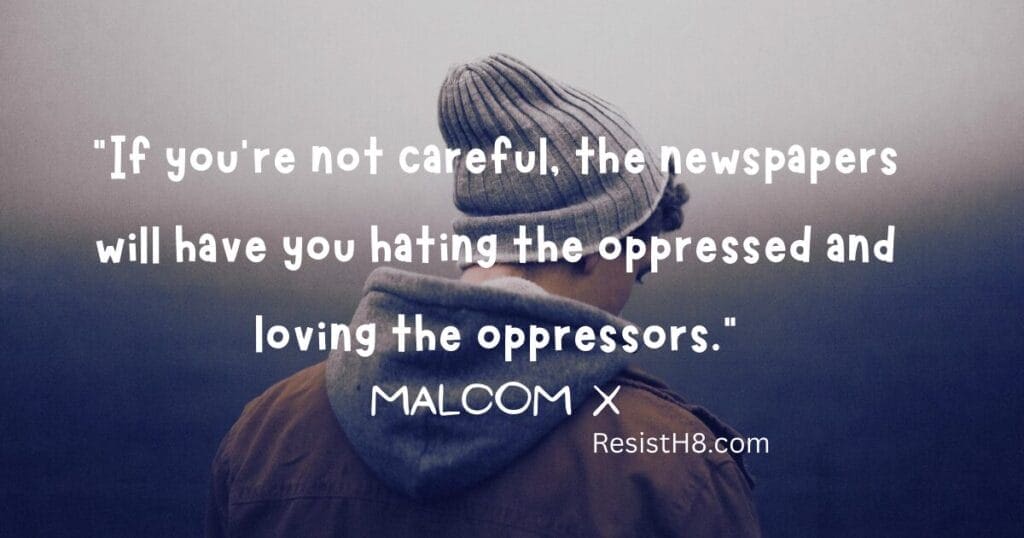
In response, independent users increasingly relied on virtual private networks and encrypted messaging services to bypass state content controls. However, these tools offered only partial protection. Government cybersecurity divisions deployed sophisticated detection algorithms designed to infiltrate, monitor, and dismantle encrypted communication networks.
Digital rights, once viewed as the future of individual freedom, steadily deteriorate under the weight of government oversight and corporate compliance.
Technology companies, facing regulatory threats and lucrative government contracts, routinely provide access to user data. Massive data mining programs collect intimate details about citizens’ habits, finances, health conditions, and political activity.
Privacy ceases to function as a legal right. It becomes a statistical anomaly that draws government attention.
The DOGE Program and the National Database
Shortly after consolidating power, the regime launched an initiative known as DOGE, a sweeping administrative campaign designed to eliminate government departments and oversight mechanisms considered ideologically incompatible with state objectives.
DOGE personnel forcibly entered federal agencies, seizing and downloading extensive databases containing sensitive information about millions of citizens. This data was later transferred to private technology contractors tasked with building a centralized national surveillance system.
Palantir, one of the few corporations willing to participate openly, assisted in constructing a comprehensive database cataloging personal, financial, medical, and behavioral information about nearly every American citizen.
Government officials assure citizens that the national database exists solely to improve public services, improve safety, and ensure that citizens receive only the freedoms they are qualified to handle responsibly.
Initially promoted as a tool for national security and fraud prevention, the database quickly evolved into a mechanism for political enforcement.
Government officials began using personal data to punish dissenters through administrative retaliation. Social Security and disability benefits were abruptly terminated. Tax filings were altered or flagged for fraudulent activity, triggering aggressive IRS investigations.
Over time, retaliation expanded further. Individuals attempting to travel found themselves detained at airports after their names appeared on government watch lists. Some were falsely accused of prior terrorism-related activity, including fabricated allegations of attempted aircraft hijackings.
As these practices spread, citizens gradually recognized that their digital identities no longer belonged to them. Online profiles, financial histories, and personal communications were shaped and manipulated by external forces.
The very platforms designed to connect society transformed into instruments of control, completing the regime’s transition from surveillance state to data-driven authoritarian system.
In the absence of constitutional protections, a pervasive culture of surveillance has taken root.
Law and Order in a Dystopia
In a nation stripped of constitutional checks and balances, law enforcement no longer serves the public. It serves the regime.
The administration consolidates federal, state, and local policing agencies into a centralized National Police Force. The newly formed institution operates under direct presidential authority and oversight from the Department of Homeland Security, eliminating independent accountability mechanisms that once limited government power.
Recruitment for the force attracts individuals for a variety of reasons. Some are driven by extremist ideological beliefs. Others join out of fear, believing association with the regime offers personal protection in an increasingly unstable society.

News report about one of their recruitment efforts
Government-controlled media networks flood broadcast channels and social platforms with recruitment advertisements portraying service in the National Police Force as patriotic duty.
Promotional campaigns highlight financial incentives, career stability, and national security messaging, carefully avoiding discussion of the force’s expanding authority or its role in suppressing civil dissent.
Public concern grows during the regime’s mass removal operations, when reports surface that American citizens are being detained during raids. Initial government responses dismiss the incidents as administrative errors.
Over time, it becomes clear that enforcement policies are no longer tied solely to immigration status but to broader ideological and demographic targeting.
State propaganda increasingly promotes nationalist and exclusionary narratives, framing demographic diversity as a threat to national identity. Political strategists justify authoritarian consolidation as necessary to preserve cultural dominance and maintain social order.
Freed from constitutional oversight, the National Police Force operates with sweeping authority. Officers employ aggressive crowd control tactics, conduct warrantless arrests, and detain individuals without formal charges. Legal protections once guaranteed by due process become procedural formalities rather than enforceable rights.
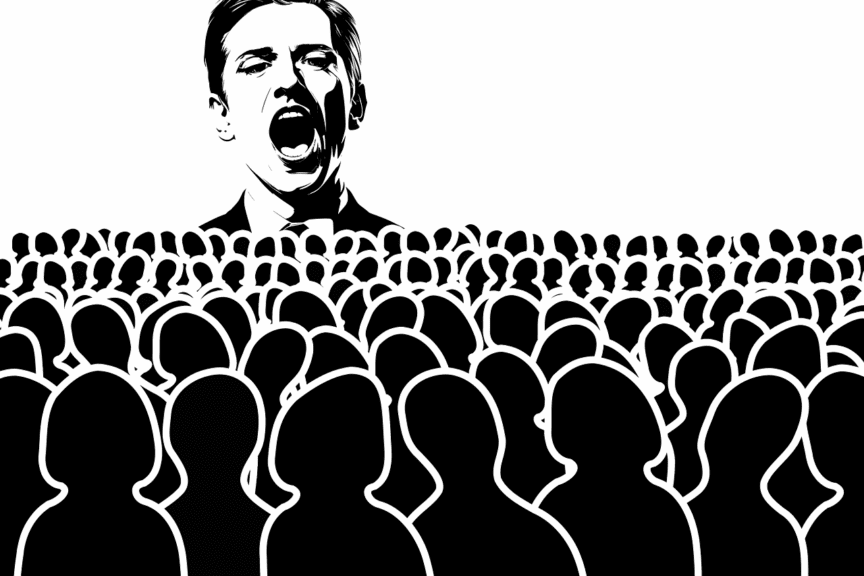
The concept of justice becomes distorted. Laws are rewritten or selectively enforced to support the regime’s objectives, replacing fairness with loyalty tests.
Public trust in law enforcement collapses. Citizens no longer view officers as protectors of public safety but as enforcers of political control. Violence against dissenters becomes normalized, reinforcing the perception that resistance invites punishment while compliance ensures survival.
In this volatile environment, dissent carries severe personal and communal consequences. Families lose employment, housing assistance, and access to public services after relatives are identified as political opponents.
Federal disaster relief funding is withheld from states whose leaders publicly criticize government policy. Healthcare funding is reduced or eliminated in regions that fail to aggressively prosecute political opposition. High-profile critics, including former government officials and cultural figures, face fabricated criminal charges, detention without trial, or public discrediting campaigns designed to silence opposition voices.
Imagining a Future Without the Constitution
As society adapts to life without constitutional protections, cultural identity undergoes dramatic transformation. Values once central to American civic life, freedom, equality, and justice, are reframed as outdated ideals replaced by narratives prioritizing security, obedience, and ideological unity.
The arts and education systems suffer profound consequences. Government censorship limits creative expression and academic inquiry, producing a homogenized cultural landscape where critical thinking is discouraged.
Historical memory becomes a target of political control. Museums, textbooks, and public memorials are revised to minimize or erase events associated with civil rights movements, mass protest movements, and revolutionary democratic struggles.
Future generations grow up without awareness of the sacrifices made to secure individual liberty.
Without historical context, citizens lose the ability to recognize authoritarian patterns as they develop.
Hope
Despite the overwhelming oppression, hope endures.
Underground communities continue organizing, sharing knowledge, and preserving democratic ideals. Within these circles, activists and scholars begin drafting proposals for a new Bill of Rights designed to restore fundamental protections and prevent future authoritarian consolidation.
The aging leadership of the regime fuels cautious optimism among resistance groups, encouraging long-term planning for a transitional period beyond authoritarian rule.
The movement to create a renewed social contract gains momentum, uniting citizens through shared determination to rebuild democratic governance. Grassroots activism, encrypted communication networks, and cultural resistance movements combine to sustain morale and coordinate strategy.
Through collective resilience, citizens begin to imagine a future in which constitutional governance returns, not as a relic of the past but as the foundation of a reimagined democracy.
Back to Reality
Although fictional, this dystopian vision reflects genuine concerns shaping modern political discourse.
Imagining life without constitutional protections highlights the fragility of democratic systems and the necessity of active civic engagement. Rights endure only when citizens defend them.
Mass protest movements demonstrate the power of public resistance. Participation continues to grow, signaling widespread demand for accountability and constitutional preservation. Grassroots activism, legal advocacy, and public pressure remain among the most effective tools for protecting democratic institutions.
Institutional resistance alone cannot safeguard democracy. Courts, legislative bodies, educational institutions, and corporate leadership all play crucial roles, yet history demonstrates that democratic survival ultimately depends on sustained public participation.
The struggle to protect civil liberties is ongoing. Lessons from past movements continue to influence modern activism, reminding citizens that democratic rights are never permanently secured.
Preserving constitutional principles requires constant vigilance, collective action, and a commitment to ensuring that every voice retains the right to be heard and every individual retains the protection of law.
Authoritarian governments rarely announce the end of freedom.
They simply redefine it until citizens forget what it once meant.
Main image of American dystopia is by Emily Krause