
The killing of Iran’s Supreme Leader Ayatollah Ali Khamenei in a joint U.S.-Israeli military strike has sent shockwaves across the globe, drawing sharp condemnation from some nations and quiet approval from others.
As the Middle East teeters on the edge of a wider war, world leaders are scrambling to respond — and the divide between those calling for restraint and those celebrating the strike could not be more stark.
What Happened
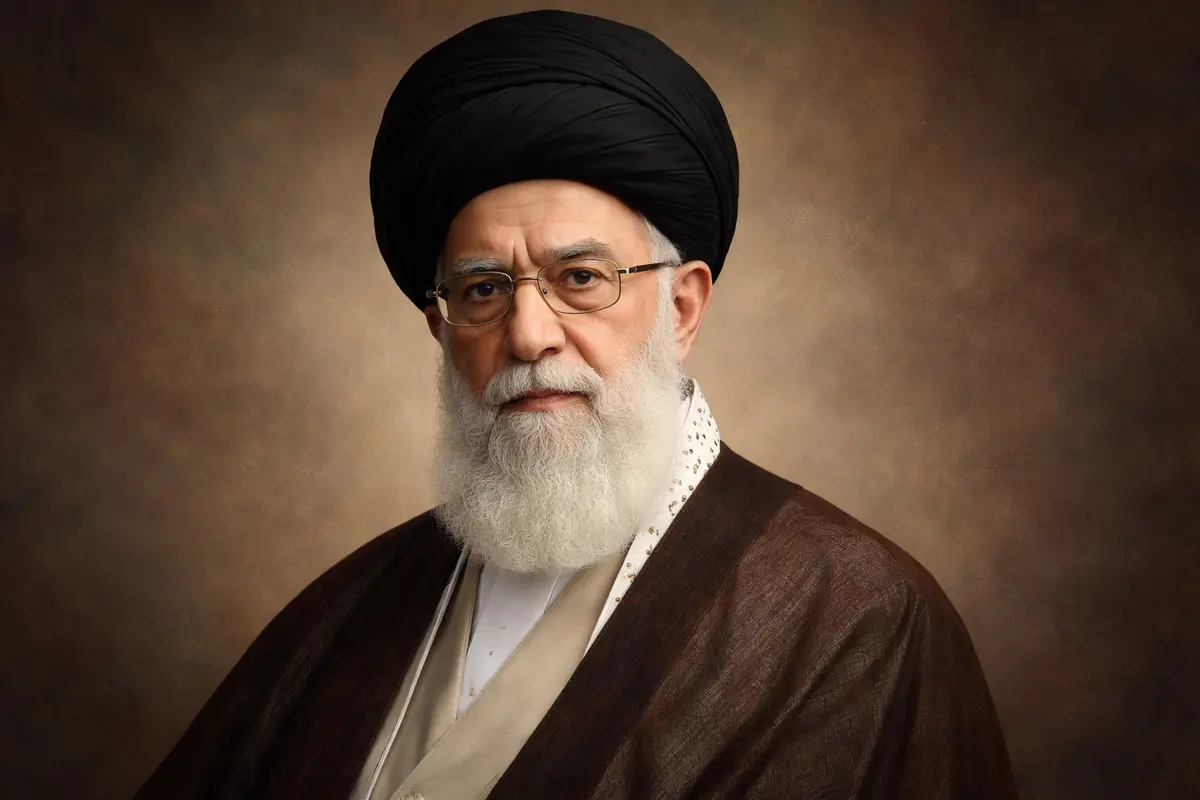
Khamenei, who had served as Iran’s supreme leader since 1989, was killed on Saturday in the opening wave of a massive coordinated assault by American and Israeli forces.
The strike extended into a second day, with explosions reported across Tehran.
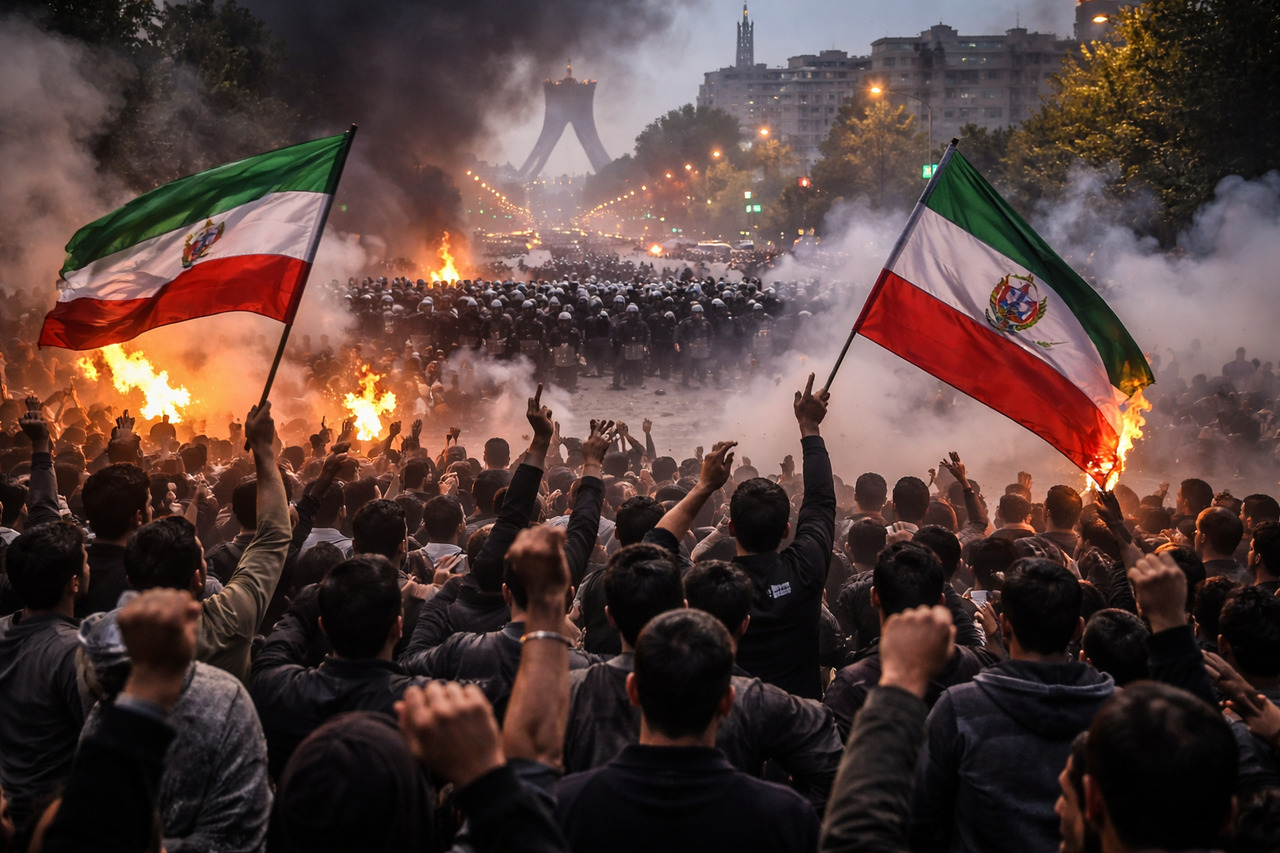
Iran has already responded with retaliatory strikes against Israel and U.S. military assets stationed across the region — targeting bases in Qatar, the United Arab Emirates, Kuwait, Bahrain, Jordan, Saudi Arabia, Iraq, and Oman.

Iran’s Islamic Revolutionary Guard Corps (IRGC) said it launched attacks on 27 bases where American troops are stationed. Several countries in the region have shut down their airspace as the violence escalates.
The Gulf Cooperation Council — which includes Bahrain, Kuwait, Oman, Qatar, Saudi Arabia, and the UAE — has called an emergency meeting to address the crisis. European Union foreign ministers are also holding urgent talks, and the United Nations Security Council convened a session late Saturday.
Celebration in Washington and Jerusalem
The reaction from the United States and Israel was triumphant — and alarming in its tone.
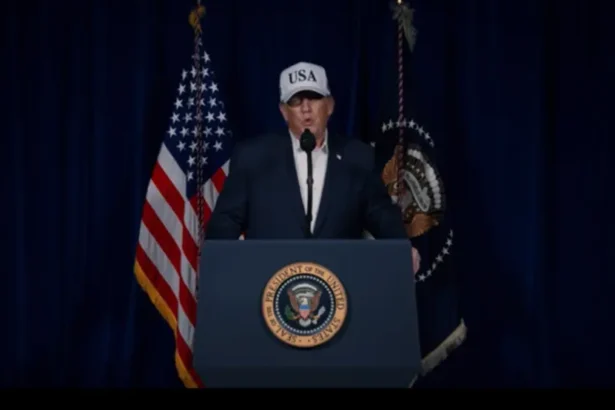
President Donald Trump posted on Truth Social calling Khamenei “one of the most evil people in History” and warning Iran against further retaliation. He threatened that if Iran continued to strike back, the U.S. would respond with a level of force never seen before.
Israeli Defense Minister Israel Katz congratulated Prime Minister Benjamin Netanyahu, declaring that the one who sought to destroy Israel had himself been destroyed.
He pledged Israel ‘would continue to act with full force.’
The language from both leaders was not that of countries seeking peace.
It was the language of escalation — daring a grieving and furious nation to respond, while promising even greater violence if it does.
Condemnation From Russia, China, and Others
Russia’s President Vladimir Putin called the killing a “cynical murder” that violated international law and basic human morality. (Hello, irony police? I have a severe case to report.)
He sent condolences to Iranian President Masoud Pezeshkian and praised Khamenei’s role in building the Russian-Iranian strategic partnership.
China went further, saying it strongly condemns the strike as a violation of Iran’s sovereignty, a trampling of the UN Charter, and a breach of the basic norms governing how nations are supposed to treat one another.
Beijing called for the immediate halting of military operations.
North Korea condemned the attack as an illegal act of aggression and accused the U.S. and Israel of pursuing selfish and hegemonic ambitions through military force.
Pakistan’s Prime Minister Shehbaz Sharif expressed concern about the precedent of targeting a nation’s leader and offered condolences.
Chad’s leader Mahamat Idriss Deby Itno also expressed sympathy for the Iranian people.
Related
A Telling Silence — and a Cold Calculation — From Europe
The European Union’s response was notably measured.
EU foreign policy chief Kaja Kallas described the killing as a defining moment in Iran’s history and suggested it could open a path to a different Iran — one its people might have greater freedom to shape.
The United Kingdom’s Defence Secretary John Healey was more blunt, saying no one would mourn Khamenei’s death while emphasizing that protecting British military personnel from Iran’s retaliatory strikes was his top priority.
These responses reveal something important: Western governments are framing the assassination of a sovereign nation’s leader not as a potential violation of international law, but as an opportunity.
That framing should concern anyone who believes the rules-based international order should apply equally to all nations.
Hamas and the Houthis Mourn
Hamas called the strike heinous and mourned Khamenei as someone who provided political, diplomatic, and military support to the Palestinian cause. The group said the U.S. and Israel bear full responsibility for the consequences of the attack and called on Arab and Muslim nations to take immediate and decisive action.
Yemen’s Houthi leadership extended condolences and described the killing as a flagrant violation of international laws.
What This Means
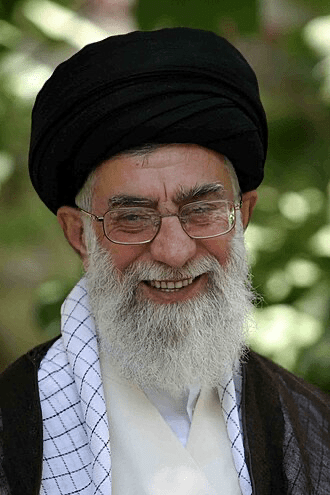
The killing of Ayatollah Khamenei is not just a military operation — it is an act with enormous geopolitical consequences. Iran has already begun retaliating, and the IRGC has vowed revenge. The region is now facing the very real possibility of a full-scale war that could draw in multiple countries and destabilize global energy markets.
Iran has announced 40 days of mourning and is forming an interim council to manage the political transition. The question now is not just who will lead Iran next, but whether the cycle of escalation can be stopped before it spirals into something far worse.
For the millions of ordinary people across the Middle East — Iranian civilians, Gulf state residents near military bases, and communities already devastated by years of conflict — the celebrations in Washington and Jerusalem offer cold comfort. They are the ones who will bear the heaviest cost of what comes next.