
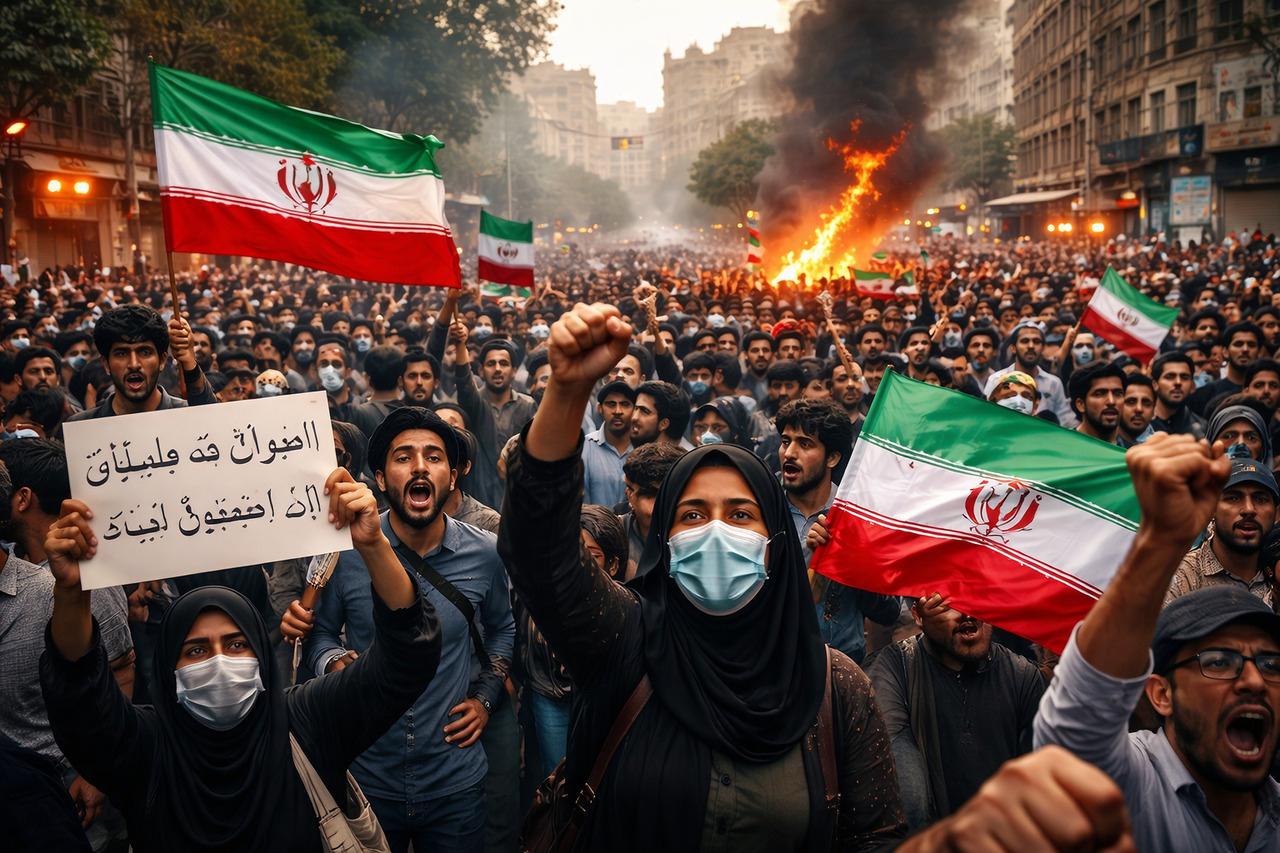
The phrase “protests in Iran” has re-entered global headlines as citizens across the Islamic Republic escalate demonstrations triggered by deep economic hardship.
What began as a protest over the dramatic collapse of the Iranian currency has quickly snowballed into the largest wave of civil unrest in years, touching cities from Tehran to Isfahan and resonating with echoes of previous movements against the government.
From Bazaar Streets to Nationwide Unrest
In late December 2025, shopkeepers in Tehran’s historic Grand Bazaar closed their shutters and took to the streets after the Iranian rial plunged to record lows against the U.S. dollar.
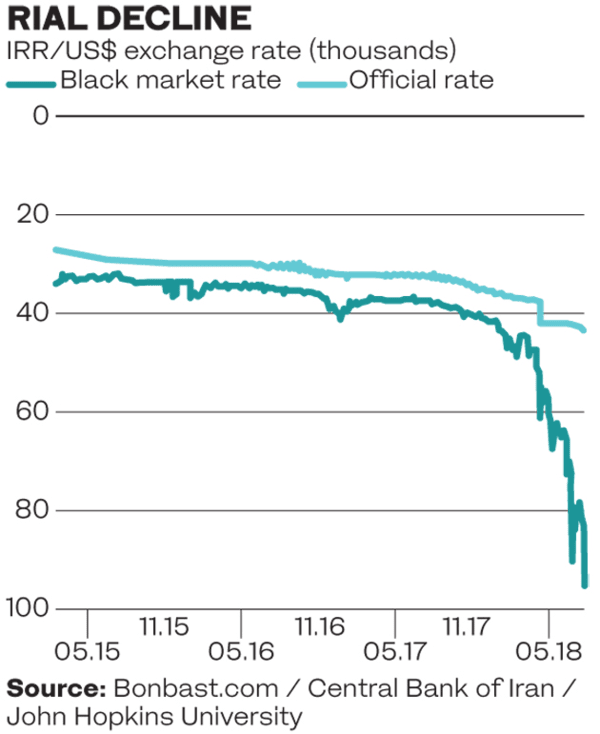
This collapse didn’t happen overnight — the currency has been in free fall due to chronic economic mismanagement, sanctions pressure, and soaring inflation. What was once an issue of declining purchasing power rapidly evolved into a broader challenge to leadership.
Across multiple cities, demonstrators rallied, blocked roads, and chanted slogans decrying the government’s handling of the economy. Many of these marches grew to include students, workers, and ordinary citizens who feel cornered by declining living standards and shrinking opportunities.
Footage verified by independent sources shows crowds in Tehran streets chanting for “freedom” and demanding accountability for economic policy failures.

Calls for Regime Change and National Anger
Initially centered on economic issues, the protests in Iran quickly took on a deeper political character. In many areas, demonstrators expanded their chants beyond bread and jobs to direct criticism of the regime itself, including chants against Supreme Leader Ayatollah Ali Khamenei.
These slogans illustrate how economic despair has merged with long-standing political grievances over governance, repression, and social freedoms.
The scale of the unrest has been striking. In some parts of the country, state-ordered shutdowns of businesses, universities, and government offices indicated just how disruptive the protests have become — a powerful sign that many Iranians are willing to make significant sacrifices to be heard.
Violence and Government Response
While many of the initial demonstrations were peaceful, clashes between protesters and security forces have escalated. Reports from multiple sources confirm that security forces have used tear gas and other crowd-control tactics, with several deaths reported as unrest continues.
In the southwestern city of Lordegan, rights groups have documented fatalities following live fire from security forces, an ominous turn in a protest movement that began over economic grievances.
Amid these confrontations, Iranian authorities have signaled a complex and contradictory stance. President Masoud Pezeshkian acknowledged that many protesters have “legitimate demands” and urged government officials to listen, even as hardline figures warned of a decisive response if demonstrations threaten national stability.
This tension reflects a broader dilemma for Iran’s leadership: accommodate dissenters’ calls for economic reform or risk further instability by doubling down on repression.
International Dimensions of the Protests in Iran
The protests in Iran are not unfolding in a vacuum. A viral message from Israel’s national intelligence agency, Mossad, highlighted a rare international intervention in the narrative of domestic unrest.
Through its Persian-language social media account, the agency posted in Farsi: “We are with you” and encouraged greater participation in the streets — a provocative message underscoring how regional rivalries now use internal movements.
“Go out together into the streets. The time has come. We are with you. Not only from a distance and verbally. We are with you in the field.”
Tehran’s government quickly dismissed such foreign comments as interference, insisting that Iranians should resolve their issues internally without external influence. This back-and-forth illustrates how complex geopolitics — especially tensions with Israel and the United States — amplify domestic protests.
Beyond state actors, international human rights groups and foreign governments have increasingly voiced concern about the way protests are being handled.
The United Nations and other global bodies urged Iranian authorities to safeguard fundamental freedoms, including peaceful assembly and expression — rights that are central to the legitimacy of any government seeking long-term stability.
Historical Roots and Broader Patterns
The current wave of protests may feel unprecedented to many outside Iran, but it is part of a longer pattern of civic unrest. Iran has seen cycles of protest over economic hardship, political repression, and social restrictions for decades, including large movements following the disputed 2009 election and the 2022 protests sparked by the death of Mahsa Amini in police custody.
These past movements, like the 2022 “Woman, Life, Freedom” uprising, highlighted deep public frustration with governance and state control — themes that continue to inspire protests today.
What distinguishes the latest unrest is how swiftly economic grievances have merged with broader aspirations for political change. When shopkeepers, students, and everyday workers chant slogans that once belonged to social movements, it signals a fracture in the social contract between citizens and state power.
What Comes Next?
The trajectory of the protests in Iran remains difficult to predict. Leaders in Tehran have acknowledged economic pain and promised talks with protest representatives, yet they also maintain a strong security posture and narrative blaming external forces for instability.
Meanwhile, citizens continue to take to the streets in larger numbers and across more diverse sectors of society.
For international observers and online audiences alike, the unrest in Iran serves as a reminder of how deeply economic pressures, political repression, and global geopolitics can converge to create explosive public movements.
Whether protests lead to political reform, greater repression, or a temporary lull until the next crisis, remains a central question for analysts and advocates of democratic rights worldwide.
What’s clear is that the protests in Iran are about more than a weak currency. They reflect a nation wrestling with its identity, economic survival, and the enduring tension between governance from above and people’s aspirations from below.