
The European Union is refusing to move forward with its trade agreement with the United States, and the latest eruption from the White House is exactly why.
On March 4, the European Parliament’s trade committee voted to keep ratification of last summer’s U.S.-EU trade pact on hold — a decision that comes just one day after Donald Trump sat in the Oval Office next to German Chancellor Friedrich Merz and threatened to cut off all trade with Spain.
The freeze, the threats, and the whiplash are all part of a trade policy that has become less a strategy and more a series of public tantrums aimed at bending sovereign nations to Trump’s will.
The Deal That Won’t Die — and Won’t Live
The U.S.-EU trade deal was struck at Trump’s Turnberry golf resort in Scotland last July.
Under its terms, the U.S. would cap tariffs on most European goods at 15 percent, while the EU would drop tariffs on many American industrial imports to zero.
It wasn’t a great deal for Europe, but it offered something businesses desperately needed: predictability.
That predictability lasted about seven months.
When the Supreme Court ruled 6-3 on February 20 that Trump had no legal authority to impose tariffs under the International Emergency Economic Powers Act — the statute he’d used to justify nearly his entire tariff regime — the legal foundation of the Turnberry deal crumbled with it.
Trump responded within hours by slapping a new 10 percent global tariff under Section 122 of the Trade Act of 1974, then raised it to 15 percent the next day.
Section 122 tariffs can only last 150 days without congressional approval.
EU trade committee chair Bernd Lange put it plainly: the situation is “more uncertain than ever.”
On March 4, Lange said the Parliament would demand clarity from the U.S. on whether it intends to honor the deal’s 15 percent ceiling.
He told Bloomberg that EU lawmakers will also seek a more detailed briefing from the European Commission on March 10.
Behind the scenes, the EU reportedly received informal assurances that the 10 percent global tariff rate — not 15 — would be applied to the bloc’s exports.
But those assurances carry no legal weight, and European officials know all too well how quickly Trump’s word changes.
“We Don’t Want Anything to Do With Spain”
If the frozen trade deal wasn’t enough to rattle European confidence, Trump’s March 3 attack on Spain drove the point home.
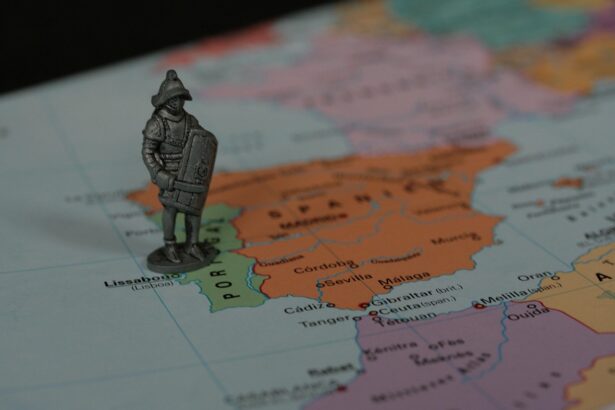
Sitting beside Merz in the Oval Office, Trump announced that the U.S. would cut off all trade with Spain.
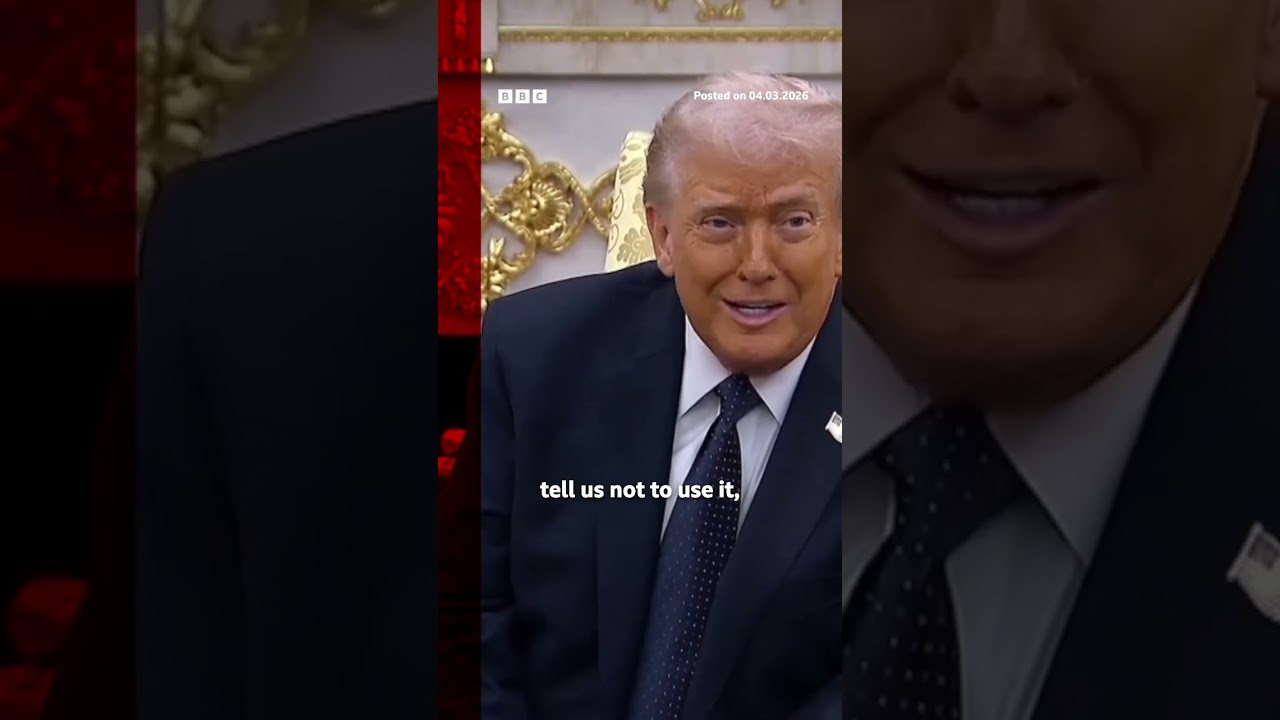
The reason: Spain’s refusal to allow the U.S. military to use jointly operated bases in southern Spain for strikes related to the ongoing military operation in Iran.
Spanish Foreign Minister José Manuel Albares had said the day before that Spain would not permit its bases to be used for strikes not authorized under the United Nations charter.
It was a position grounded in international law.

Trump treated it as an act of betrayal.
“Spain has been terrible,” Trump told reporters.
“In fact, I told Scott to cut off all dealings with Spain.”
He turned to Treasury Secretary Scott Bessent, who affirmed that the Supreme Court’s ruling left the door open for trade embargoes.
“I agree that the Supreme Court reaffirmed your ability to implement an embargo,” Bessent said.
“We’ll move forward with those.”
The problem, of course, is that Spain is a member of the European Union, which negotiates trade on behalf of all 27 member states.
You can’t surgically remove one country from a trading bloc and pretend the rest aren’t affected.
EU Industry Commissioner Stéphane Séjourné said as much: “Any threat against a member state is by definition a threat against the EU.”
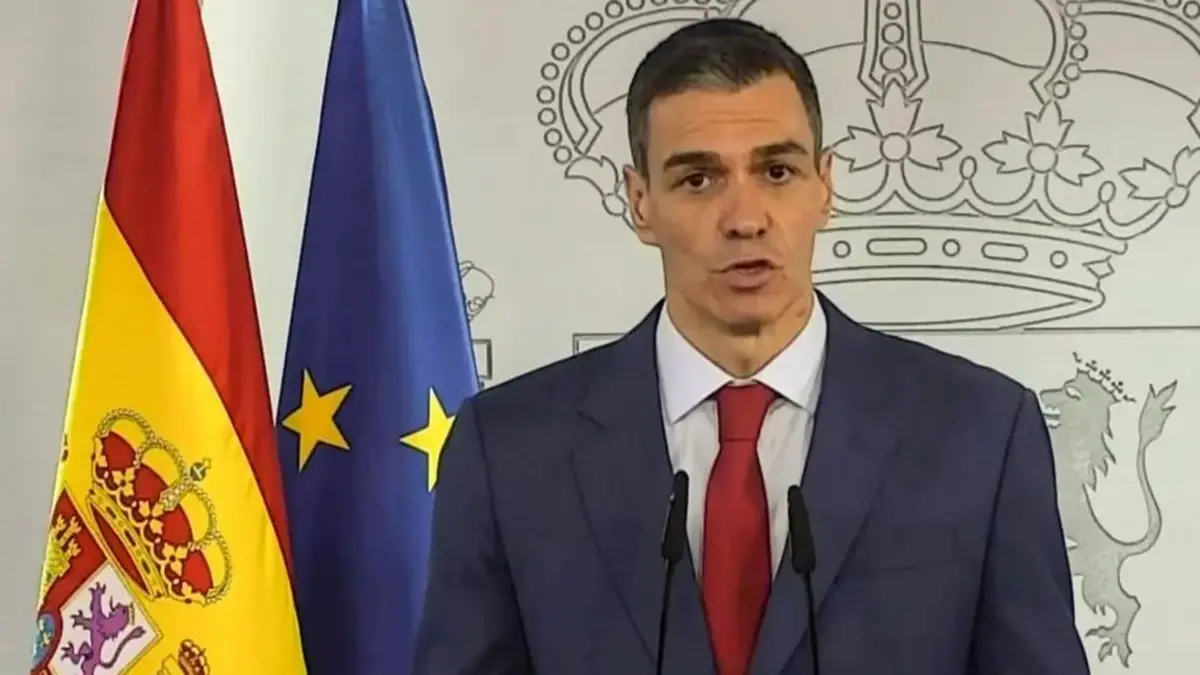
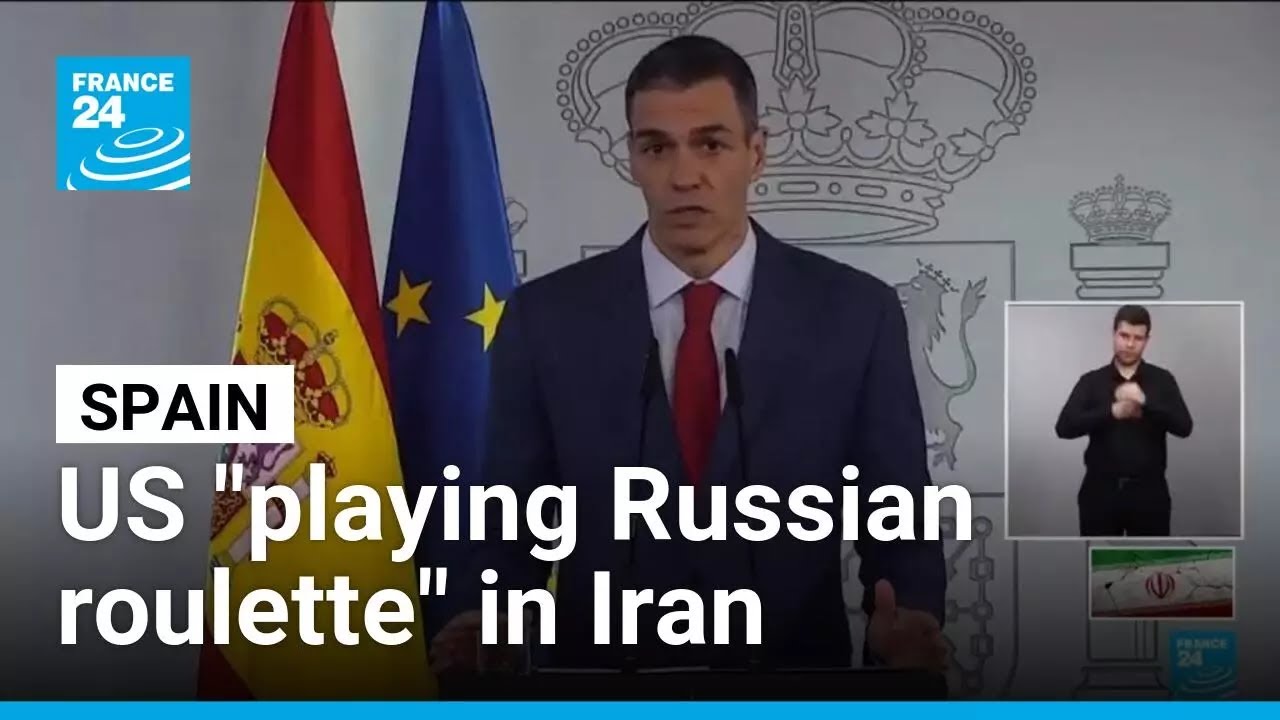
Spanish Prime Minister Pedro Sánchez refused to back down.
In a post on X, he invoked Europe’s experience with the Iraq War, writing that Spain’s answer to illegal military action will always be “no.”
He also spoke with European Commission President Ursula von der Leyen and European Council President Antonio Costa, both of whom publicly backed Madrid.
Merz: Standing Beside the Bully
Perhaps the most remarkable part of the Spain confrontation was where it happened — in a bilateral meeting between Trump and Merz, ostensibly about strengthening U.S.-German ties.
Merz, who had traveled to Washington hoping to shore up support for the trade deal and European defense cooperation, instead got a front-row seat to Trump’s public humiliation of a fellow EU member state.
When Trump slammed Spain for not meeting NATO’s 5 percent GDP defense spending target, Merz didn’t push back.
Instead, he agreed, saying, “We are trying to convince them that this is a part of our common security, that we all have to comply with this.”
It was only after leaving Washington that Merz struck a different tone.
Speaking to German broadcaster ARD, the chancellor rejected Trump’s threats against Spain and said that any agreement must include all EU members — that Europe cannot be divided.
But the damage was already visible.
Trump had used a bilateral meeting with one European leader to publicly attack another, and the leader sitting next to him had let it happen in real time.
The Bigger Pattern
What’s playing out between the U.S. and Europe isn’t a trade negotiation. It’s coercion dressed up in tariff rates.
Trump has used trade penalties to punish European nations for supporting Greenland’s sovereignty.
He’s used them to punish allies who won’t let their military bases be used for a war most of the world opposes.
He’s used them to punish the Supreme Court for doing its job.
The 150-day clock on Section 122 tariffs is already ticking. Trump’s trade team, led by U.S. Trade Representative Jamieson Greer, is reportedly working on Section 301 investigations that could provide more permanent legal footing for new tariffs.
But that process takes months, and the legal challenges will come fast.
In the meantime, the EU-U.S. trade deal sits frozen.
European businesses are scrambling to figure out what rules apply this week.
The U.S. trade deficit — the problem Trump claimed tariffs would solve — has barely budged, closing 2025 at $901 billion.
What has changed is that America’s closest allies are pulling away?
British businesses are seeking deeper ties with Europe rather than the U.S.
The EU has identified $108 billion in American goods it could hit with retaliatory tariffs.
And the bloc’s never-before-used “trade bazooka” — the Anti-Coercion Instrument that could restrict U.S. companies’ access to a market of 450 million consumers — is no longer a theoretical option.
Trump has always insisted that tariffs make America stronger.
What they’ve actually done is convince the rest of the world to start building a future that doesn’t depend on American reliability.