

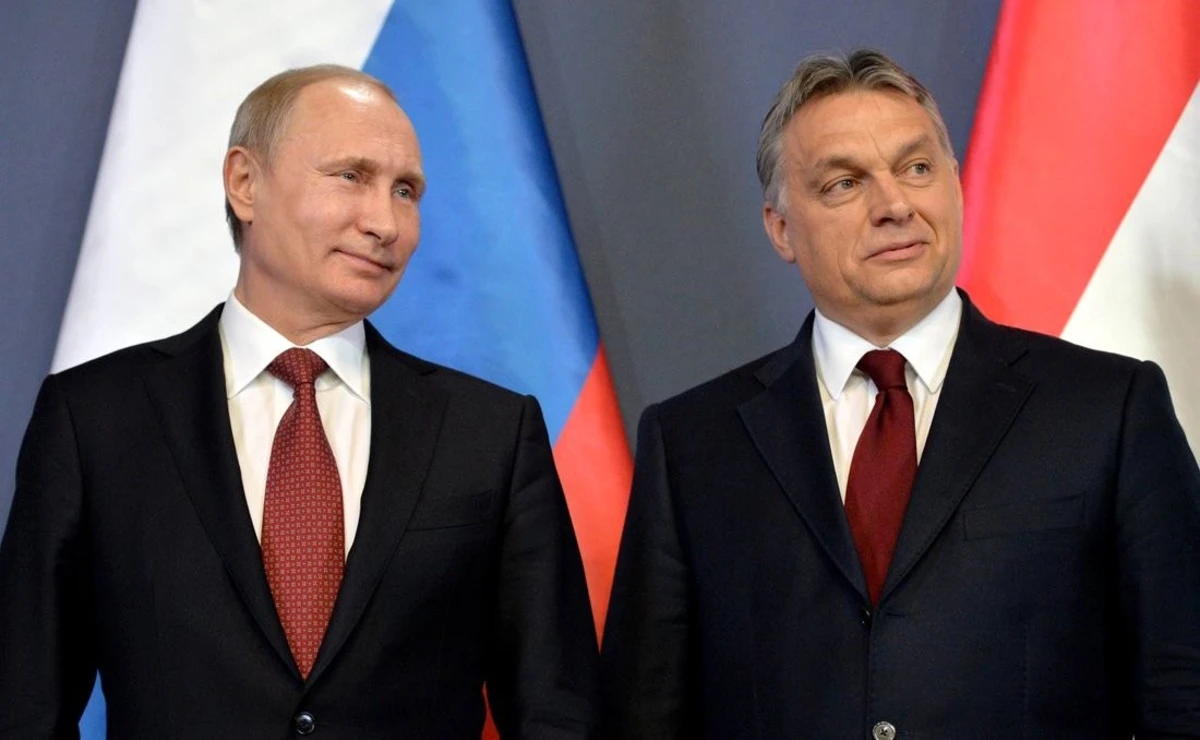
The Kremlin’s playbook for keeping its most valuable EU ally in power was exposed — and it’s even more brazen than anyone expected.
An internal document from Russia’s Foreign Intelligence Service, the SVR, proposed staging a fake assassination attempt on Hungarian Prime Minister Viktor Orbán ahead of the country’s April 12 parliamentary elections.
The plan, which Russian operatives dubbed “the Gamechanger,” was designed to do exactly what the name suggests: blow up the entire trajectory of an election that Orbán is losing.
The Washington Post broke the story on March 21, reporting that the SVR document was obtained and authenticated by a European intelligence service.
According to the document, Russian operatives assessed that Orbán’s declining poll numbers required a dramatic intervention — something that would yank voter attention away from Hungary’s stagnant economy and redirect it toward fear, security, and national survival.
A staged attack on the prime minister would do the trick, the SVR reasoned. The document argued that such an incident would shift the campaign from what it called the “rational plane of socio-economic issues” to an emotional plane, where themes such as state security and political stability would dominate.
In other words, make Hungarians too scared to vote for change.
Orbán is in Trouble — and Moscow Knows it

Orbán is facing the toughest election challenge of his 16-year grip on power. His opponent, Péter Magyar, is a former Fidesz insider turned anti-corruption crusader now leading the opposition Tisza Party.
Magyar has successfully framed the race around rule of law, democratic backsliding, and the billions in EU funding that Brussels has withheld from Hungary because of Orbán’s authoritarian drift.
The SVR document itself acknowledged the problem. Russian operatives noted that more than 52 percent of Hungarians are dissatisfied with the state of the country, and that this discontent has spread even into rural strongholds where Fidesz has historically been untouchable. Polls show Magyar’s Tisza Party leading Fidesz in multiple surveys heading into the final weeks of the campaign.
For Moscow, losing Orbán would be a catastrophe. Hungary under Orbán has served as Russia’s inside man within both NATO and the European Union.
Orbán has blocked EU sanctions packages against Russia, vetoed aid to Ukraine, refused to allow weapons shipments to transit Hungarian territory, and maintained deep energy ties with Moscow throughout the entire war.
His foreign minister, Péter Szijjártó, has made 16 official visits to Moscow since Russia’s full-scale invasion of Ukraine in February 2022 — including a meeting with Vladimir Putin himself as recently as March 4.
That relationship runs even deeper than the diplomatic calendar suggests. According to multiple European security officials cited by the Post, Russian hackers penetrated Hungary’s Foreign Ministry computer networks.
And during EU meetings, Szijjártó reportedly made regular calls to Russian Foreign Minister Sergei Lavrov with real-time briefings on what was being discussed behind closed doors. As one European official put it, Moscow has essentially had a seat at every EU meeting for years.
Not an Isolated Plot
The fake assassination proposal didn’t come out of nowhere. It’s the most extreme element of a sprawling Russian interference operation already underway in Hungary.
Earlier this month, investigative outlet VSquare reported that the Kremlin dispatched a team of political operatives — overseen by Putin confidant Sergei Kiriyenko, Russia’s chief architect of foreign influence campaigns — to Budapest.
Three individuals linked to Russia’s military intelligence service, the GRU, are reportedly operating out of the Russian embassy under diplomatic cover, running social media manipulation campaigns modeled on the same tactics Russia deployed during Moldova’s 2024 presidential election.
The SVR document also outlined a broader propaganda strategy: promote Orbán as the candidate of peace and stability while painting Magyar as a puppet of Brussels leading what it called “the party of war.”
Russian-designed memes, videos, and infographics tailored for Hungarian audiences have reportedly been developed and funneled through local influencers and fake social media accounts.
Magyar himself has publicly accused Fidesz of coordinating with Russian services, claiming the party prepared at least 14 AI-generated smear videos targeting him and his family, to be spread by paid fake accounts primarily on TikTok.
Denials All Around — But the Pattern Speaks for Itself
Both Moscow and Budapest dismissed the story. Kremlin spokesman Dmitry Peskov called the report “another example of disinformation.”
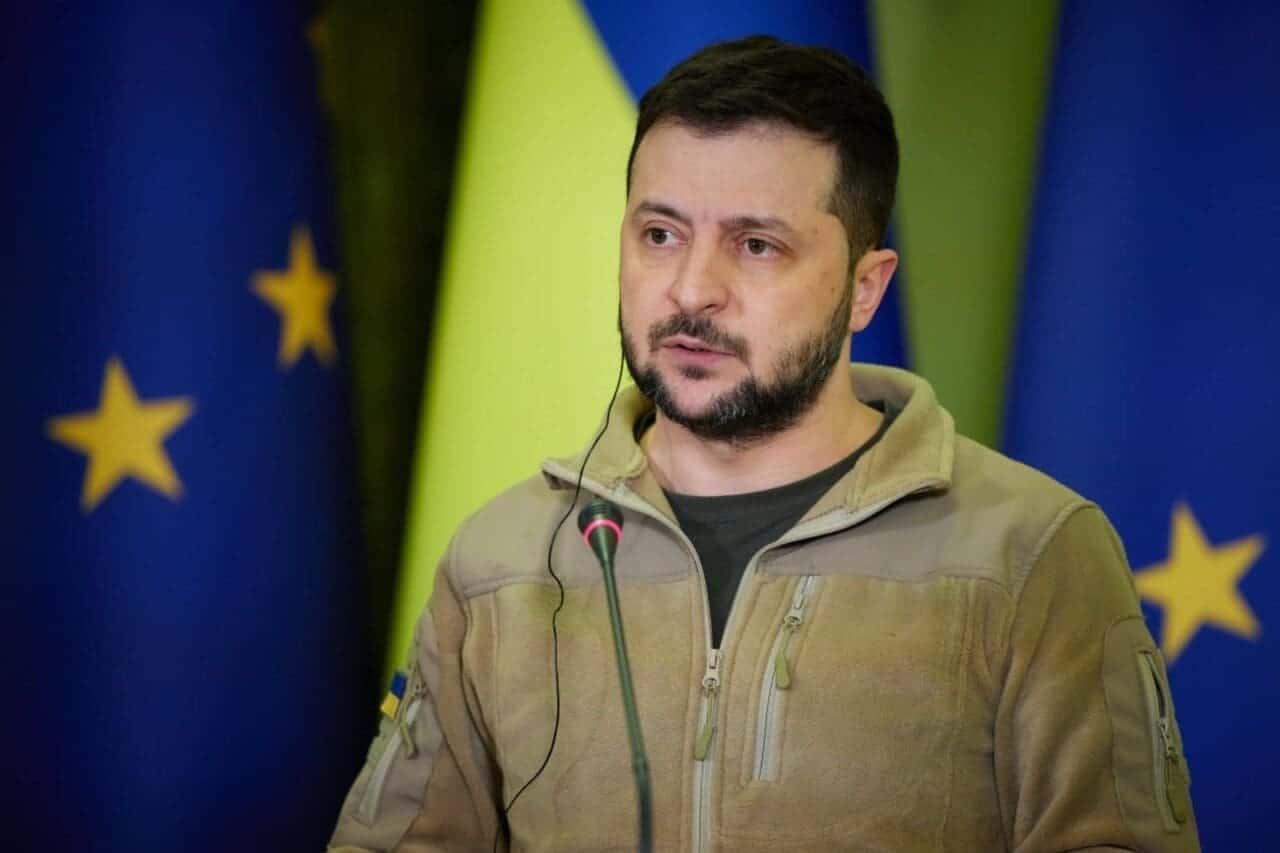
Hungary’s government communications office labeled it “completely false” and characterized it as “pro-Ukrainian propaganda,” adding the bizarre claim that Ukrainian President Volodymyr Zelenskyy had “publicly threatened Hungarian Prime Minister with death” — referencing remarks Zelenskyy made about Hungary’s obstruction of a €90 billion EU loan to Ukraine.
The denials follow a familiar script. Over the past several weeks, Orbán and Fidesz have been working overtime to reframe the election around external threats rather than domestic economic failure.
They’ve blamed Ukraine for the interruption of Russian oil deliveries via the Druzhba pipeline (despite evidence that a Russian strike caused the damage), banned three Ukrainian citizens from entering Hungary over alleged threats to Orbán, and run government-funded billboard campaigns featuring AI-generated images portraying the EU as dragging Hungary into war.
It remains unclear whether the staged assassination plan was ever presented to senior Kremlin leadership or moved beyond the proposal stage.
But that almost doesn’t matter. The document reveals the scale of Moscow’s desperation to keep its most important European ally in power — and the lengths to which Russian intelligence is willing to go to manipulate democratic elections inside a NATO and EU member state.
What’s Actually at Stake on April 12
If Orbán loses, the ripple effects would be enormous. A Tisza-led government under Magyar would be expected to stop blocking EU sanctions and aid to Ukraine, end the cozy intelligence-sharing relationship with Moscow, and reverse Hungary’s years-long drift away from European democratic norms.
Editor’s Commentary: Remember…
Trump praises Orbán.
The PM visited him at Mar-a-Lago before the 2024 election, along with someone from Heritage Foundation leadership, when Trump was not President.
Everything Trump is doing in his second term is following Orbán’s playbook. It’s just happening more quickly compared to the years Orbán spent dismantling democracy in Hungary.
That’s precisely why Moscow views this election as existential. Orbán isn’t just a friendly face — he’s a structural asset, a veto-wielding member of the EU and NATO who has reliably paralyzed Western responses to Russian aggression for years.
Replacing him would close the door on one of the Kremlin’s most effective tools for dividing the West.
The question now is whether Hungarian voters — and European institutions — will treat the scope of Russian interference with the seriousness it demands (unlike the U.S.).
Because what the SVR document makes clear is that for Moscow, this isn’t about ideology or alliance.
It’s about control.
And when control is slipping, apparently even staging political violence against your own ally is on the table.