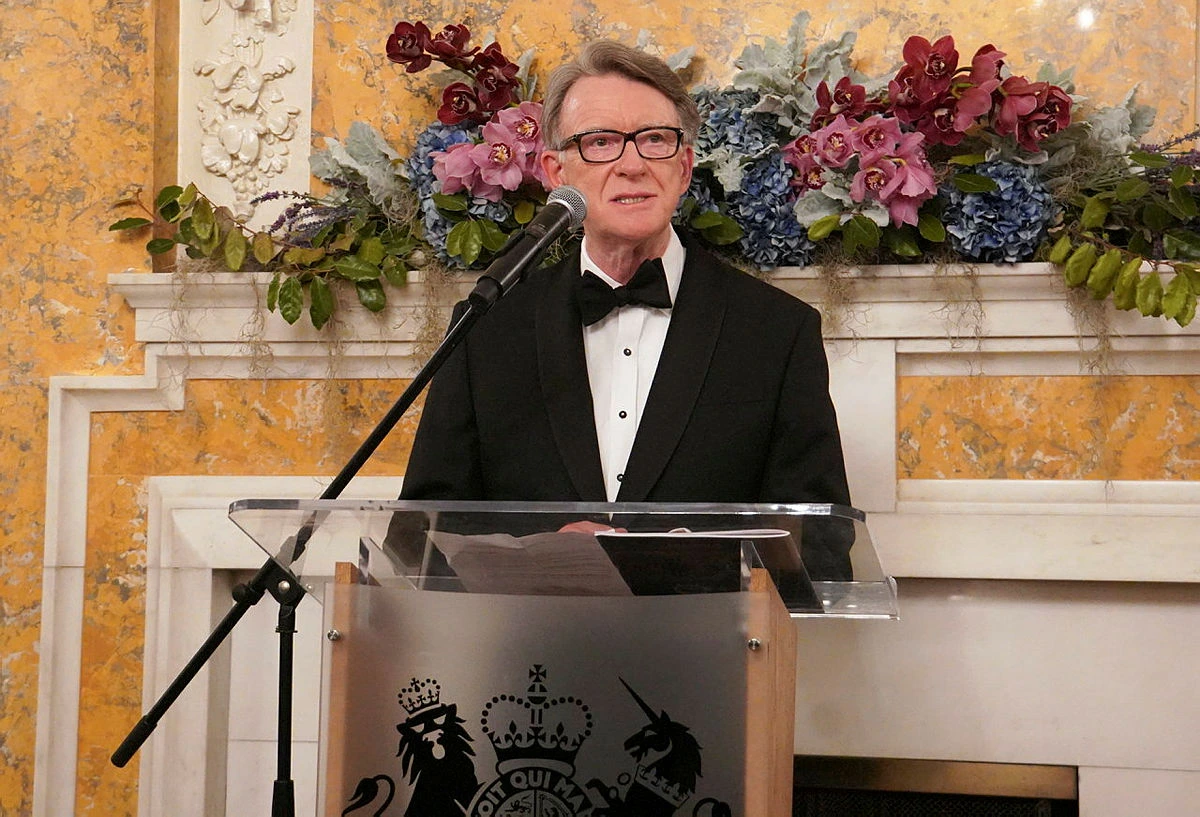

Peter Mandelson, the former British ambassador to the United States and one of the most powerful figures in U.K. politics for decades, was arrested on Monday on suspicion of misconduct in public office.
The arrest stems from an ongoing investigation into his ties to convicted sex offender Jeffrey Epstein — and it marks the second major arrest in Britain’s rapidly expanding Epstein reckoning in less than a week.
London’s Metropolitan Police confirmed that officers detained a 72-year-old man at an address in Camden, north London, and took him to a police station for questioning.
As is standard practice under British law, police did not name Mandelson directly. He was later released on bail pending further investigation.
The arrest follows the release of millions of pages of Epstein-related documents by the U.S. Department of Justice.
Among them were email correspondences that appear to show Mandelson sharing sensitive — and potentially market-moving — government information with Epstein in 2009, when Mandelson was a senior cabinet minister under then-Prime Minister Gordon Brown.
The messages suggest he discussed topics including a planned tax on bankers’ bonuses and confirmed details of an imminent eurozone bailout package before it was publicly announced.
Police also executed search warrants at two properties linked to Mandelson — one in Camden and another in Wiltshire, about 100 miles west of London.
A Career Built on Power, Undone by Epstein
Mandelson has been a towering — and often controversial — figure in British politics. Known as the “Prince of Darkness” for his reputation as a ruthless political strategist, he was one of the chief architects of “New Labour,” the centrist reinvention of the Labour Party that swept Tony Blair into power in 1997.
He served in senior government roles under both Blair and Gordon Brown, though he twice had to resign over allegations of financial or ethical impropriety during the Blair era.
Despite that baggage, Prime Minister Keir Starmer appointed Mandelson as ambassador to Washington in early 2025, hoping his trade expertise and connections among the wealthy and powerful would help Britain navigate relations with the Trump administration.
It worked — at least briefly. Mandelson helped secure a trade deal that spared the U.K. from some of Trump’s sweeping tariffs.
But the Epstein files changed everything. When documents revealed that Mandelson had called Epstein his “best pal” and maintained a close friendship even after Epstein’s 2008 conviction for sex offenses involving a minor, Starmer fired Mandelson from his ambassadorship in September.
As more damaging revelations followed — including a photo that reportedly showed Mandelson in his underwear next to a woman whose face was redacted — he resigned from the Labour Party and gave up his seat in the House of Lords earlier this month.
Part of a Widening Reckoning
Mandelson’s arrest came just four days after Andrew Mountbatten-Windsor — formerly known as Prince Andrew, the younger brother of King Charles III — was arrested on suspicion of the same offense.
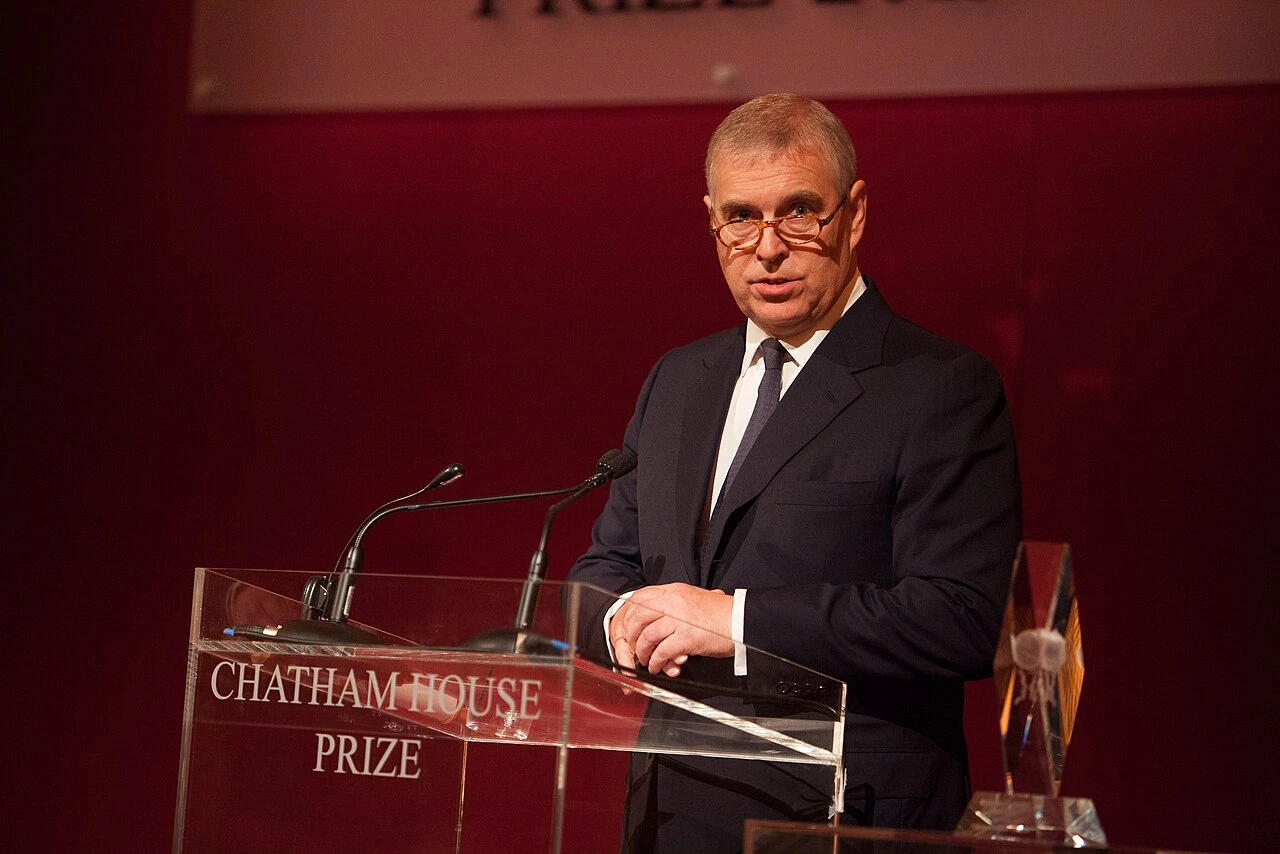
That investigation centers on whether Andrew shared confidential information with Epstein during his years as a U.K. trade envoy. Andrew was released after 11 hours in custody and remains under investigation.
The U.K. government is now reportedly weighing legislation that would strip Andrew from the royal line of succession.
These arrests signal something significant: the Epstein files are no longer just embarrassing revelations — they are producing real legal consequences for some of the most powerful people in Britain.
The documents have exposed a web of relationships between Epstein and political elites on both sides of the Atlantic, and for the first time, authorities appear willing to follow the evidence wherever it leads.
Mandelson has denied wrongdoing but has apologized for maintaining his relationship with Epstein after the financier’s conviction. Whether that apology will be enough to keep him out of a courtroom remains to be seen.