


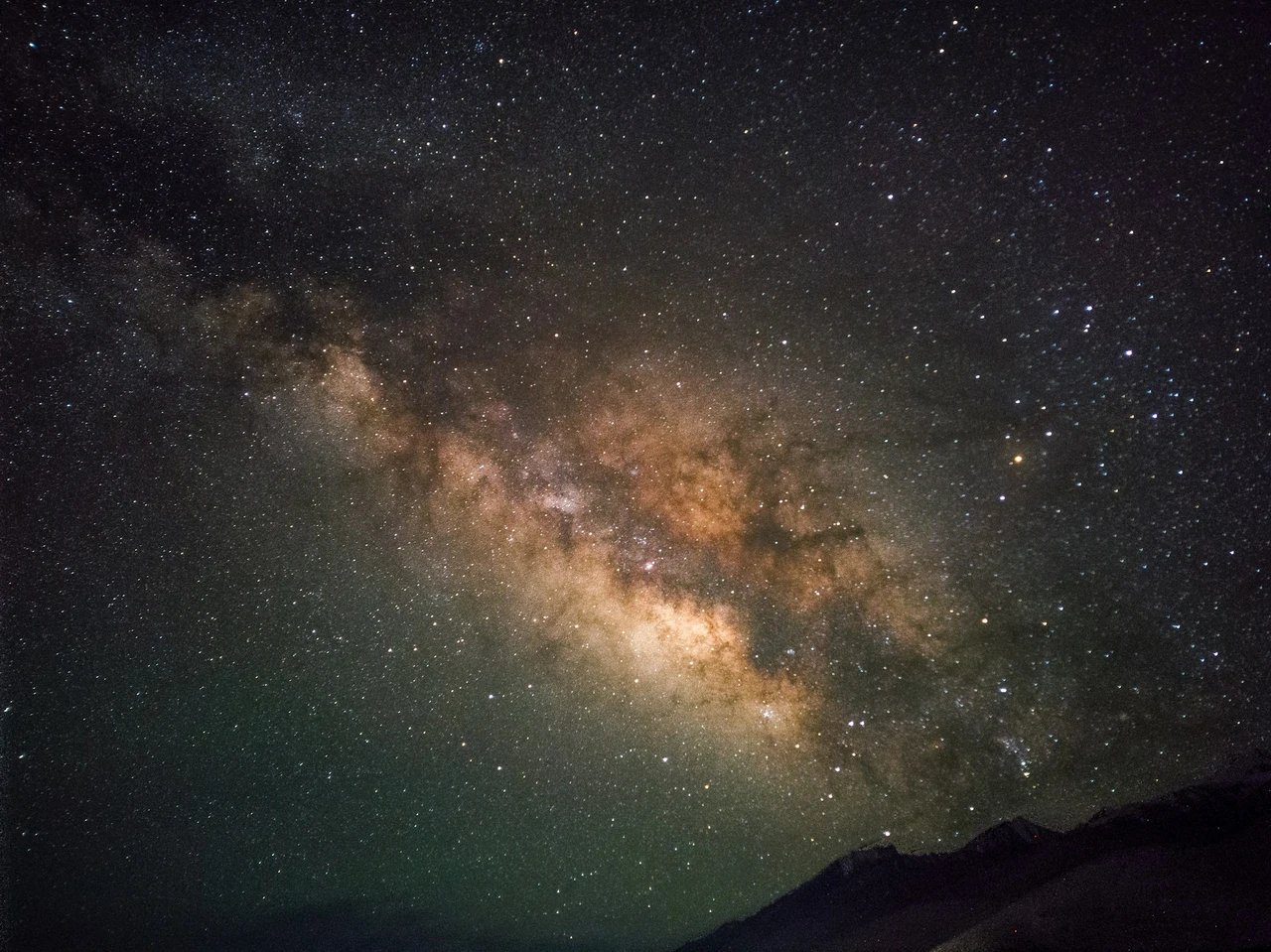
In a world drowning in artificial light, where most of us have forgotten what a truly dark sky looks like, there exists a tiny village in the eastern reaches of Ladakh, India, where the stars still put on their ancient show every single night. The village is called Hanle, and it might just be the most breathtaking place on Earth you’ve never heard of.
We don’t typically produce travel content here at Resist Hate, but this little village is so unique that everyone should have it on their bucket list.
We’re going to share some beautiful photos and interesting facts about this village located high above sea level, not a speck of artificial light or air pollution.
It all comes together to deliver an inky black sky filled with a seemingly endless collection of twinkling stars.
A Village at the Roof of the World
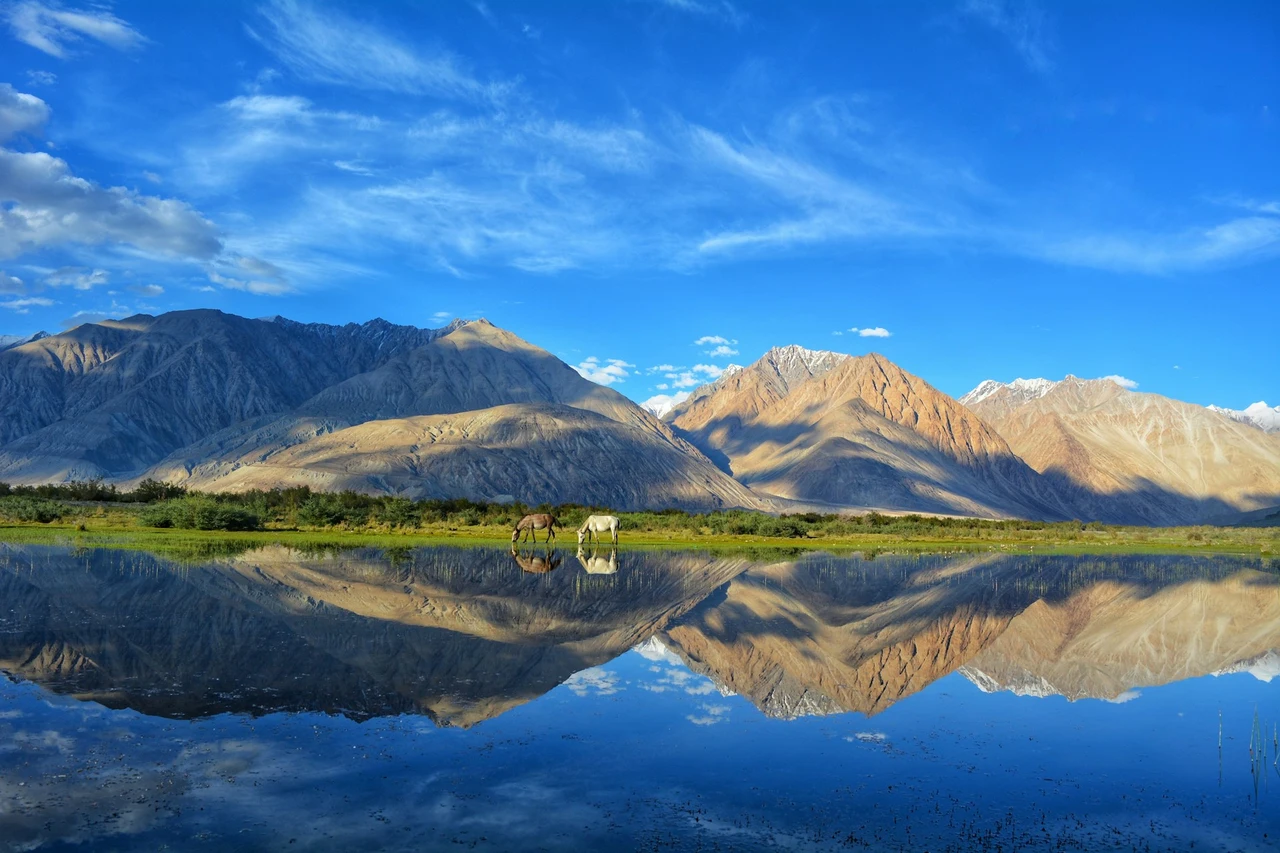
Hanle sits on the high-altitude Changthang plateau at roughly 4,500 meters — that’s nearly 14,800 feet above sea level. To put that in perspective, that’s higher than any point in the contiguous United States.
The air is thin.
The landscape is stark and sweeping, a cold desert ringed by the towering Himalayas.
And the nearest significant town, Leh, is a grueling 250-kilometer drive away over rugged mountain roads.
About 1,000 people call Hanle home. There are no ATMs. There are almost no restaurants. The nearest gas station is roughly 240 kilometers away in the town of Karu.
Visitors need an Inner Line Permit to enter, since the village lies close to the sensitive Indo-Tibet border.

This is not a place that caters to casual tourists, and that isolation is precisely what makes Hanle so extraordinary.
When the sun sets in Hanle, something magical happens. The sky doesn’t just get dark. It gets pitch black — the kind of darkness most people alive today have never experienced.
And then the stars appear. Not dozens. Not hundreds. Thousands upon thousands of them, scattered across the sky in a dazzling blanket of light that stretches from horizon to horizon.
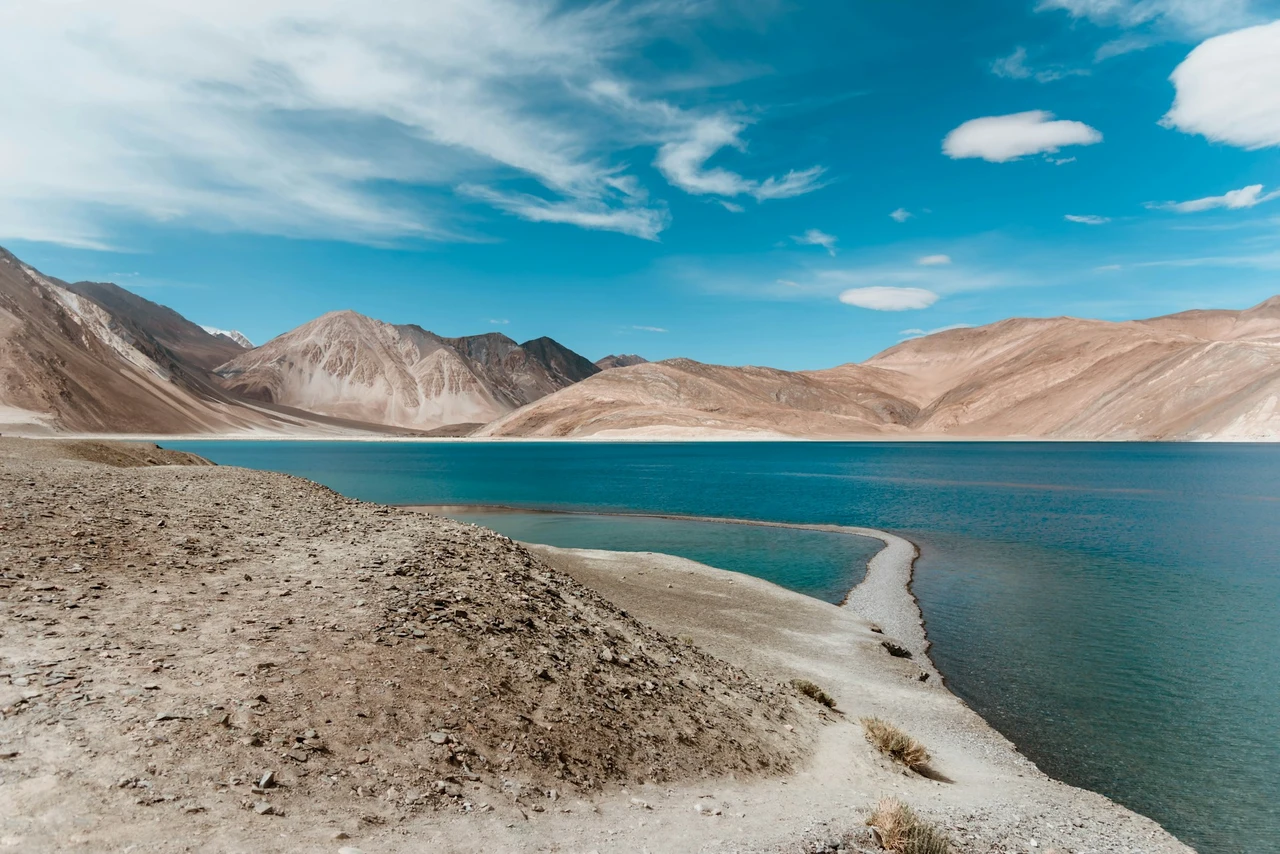
India’s First Dark Sky Reserve
In December 2022, the Indian government officially designated a 1,073-square-kilometer area surrounding Hanle as the Hanle Dark Sky Reserve, making it the first such protected zone in all of India and South Asia.
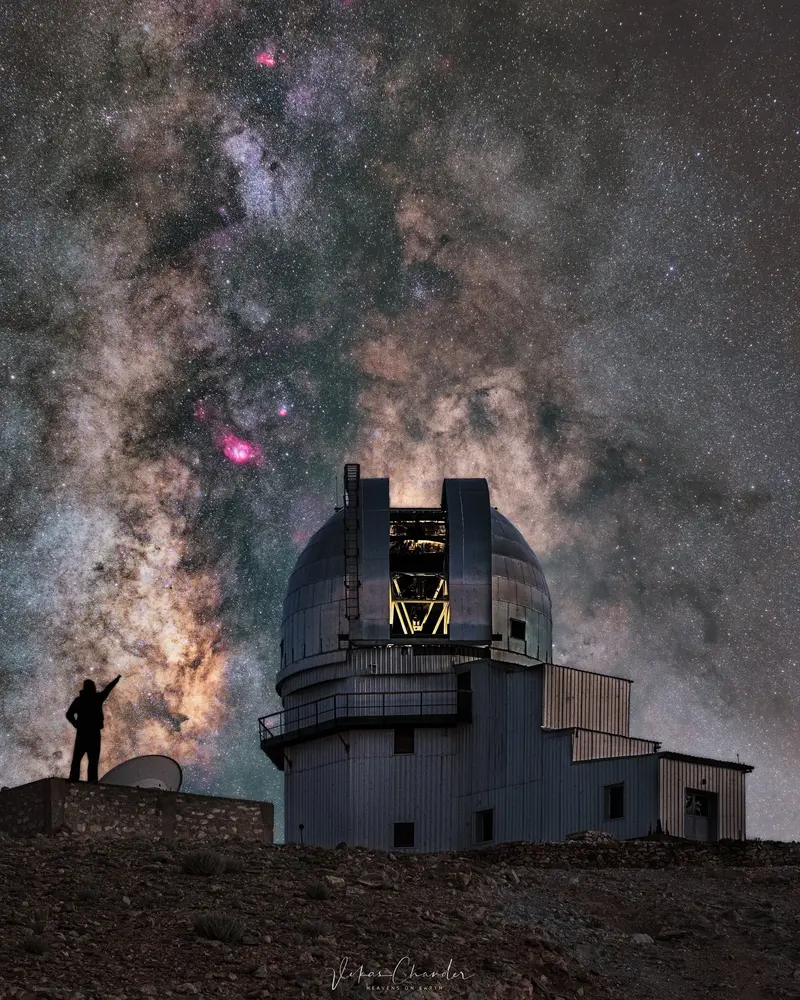
The reserve falls within the Changthang Wildlife Sanctuary and is centered around the Indian Astronomical Observatory, one of the highest astronomical facilities anywhere in the world.



What does “Dark Sky Reserve” actually mean? It means the darkness itself is treated as a precious natural resource worth protecting.
Within the reserve, there are strict regulations on artificial lighting. Outdoor lights must be warm-toned and carefully controlled. Vehicle headlights are restricted at night.
Everything is designed to keep the sky as dark as nature intended.
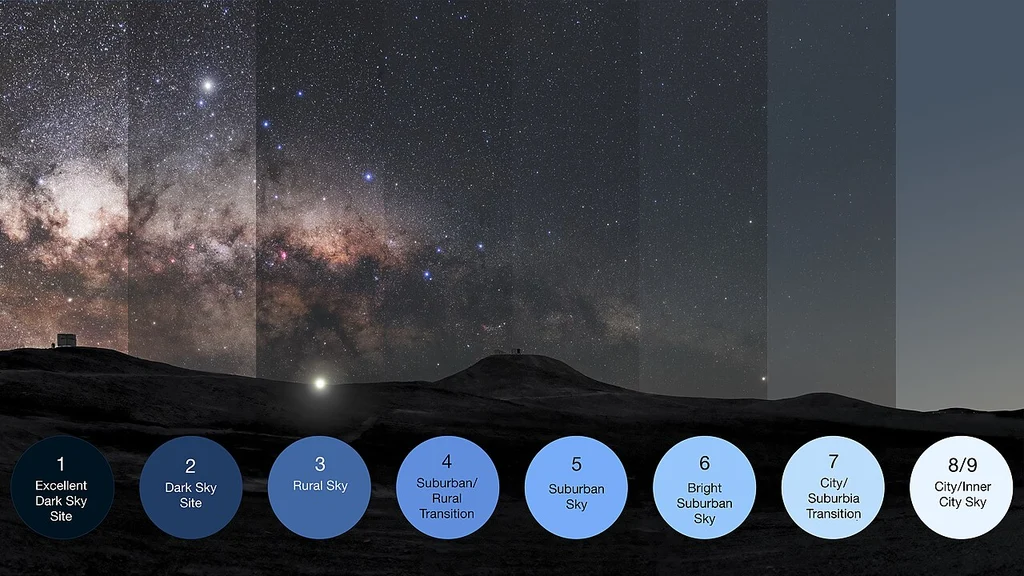
The results speak for themselves. Hanle’s skies have earned a Bortle-1 classification — the absolute darkest rating on the Bortle scale, which astronomers use to measure light pollution. In practical terms, that means conditions here are as close to perfect darkness as you can get anywhere on Earth.
What You Can Actually See
For anyone who has only ever looked up at the sky from a city or suburb, the night sky over Hanle is almost incomprehensible.
The Milky Way isn’t some faint smudge you have to squint to find. It blazes across the entire sky in vivid, creamy detail, with dark dust lanes and bright star clouds clearly visible to the unaided eye.
Planets shine with steady, brilliant light. Constellations that are usually just a handful of dots suddenly reveal their full intricacy, surrounded by thousands of fainter stars that are invisible from light-polluted locations.
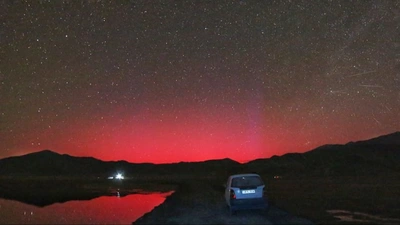
If they’re lucky, visitors might even witness the rare glow of zodiacal light and, on extraordinary occasions, aurora activity — a blood-red auroral display was captured by observatory cameras in recent years.
The conditions that make all of this possible go beyond just the absence of city lights. Hanle receives less than 10 centimeters of rain and snow combined per year. Humidity is remarkably low.
The atmosphere contains very few aerosols or particles to scatter light. And the sheer altitude means there is significantly less atmosphere between you and the stars.
Scientists estimate the observatory site enjoys roughly 255 usable spectroscopic nights and around 190 photometric nights per year — meaning the sky is clear and cooperative the vast majority of the time.
The Observatory on the Mountain
Perched atop Mount Saraswati overlooking the village, the Indian Astronomical Observatory is a scientific facility operated by the Indian Institute of Astrophysics.
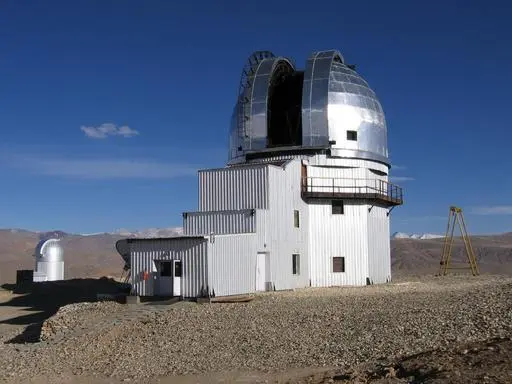
It houses some impressive equipment, including the Himalayan Chandra Telescope, a 2-meter optical-infrared telescope, and the MACE Telescope, which at 21 meters is the second-largest gamma-ray telescope in the world and the largest telescope of its kind at such a high altitude.
Visitors can arrange tours of the facility, where a staff member walks you through how the telescopes work and what researchers are studying.
The entire complex runs on solar power, a fitting detail for a place so committed to preserving its natural environment.
A Growing Community of Stargazers
Hanle isn’t just attracting professional scientists. The Dark Sky Reserve has become a magnet for amateur astronomers and astrophotographers from across India and beyond.
The reserve hosted its third annual Star Party in September 2025, drawing participants from cities like Bengaluru, Chennai, Delhi, Mumbai, and even Lakshadweep.
Perhaps most inspiring is what’s happening at the community level. Around two dozen local residents — roughly 70 percent of them women — have been trained as “Astro-Ambassadors” who guide visitors through the night sky, pointing out constellations and celestial objects through telescopes.
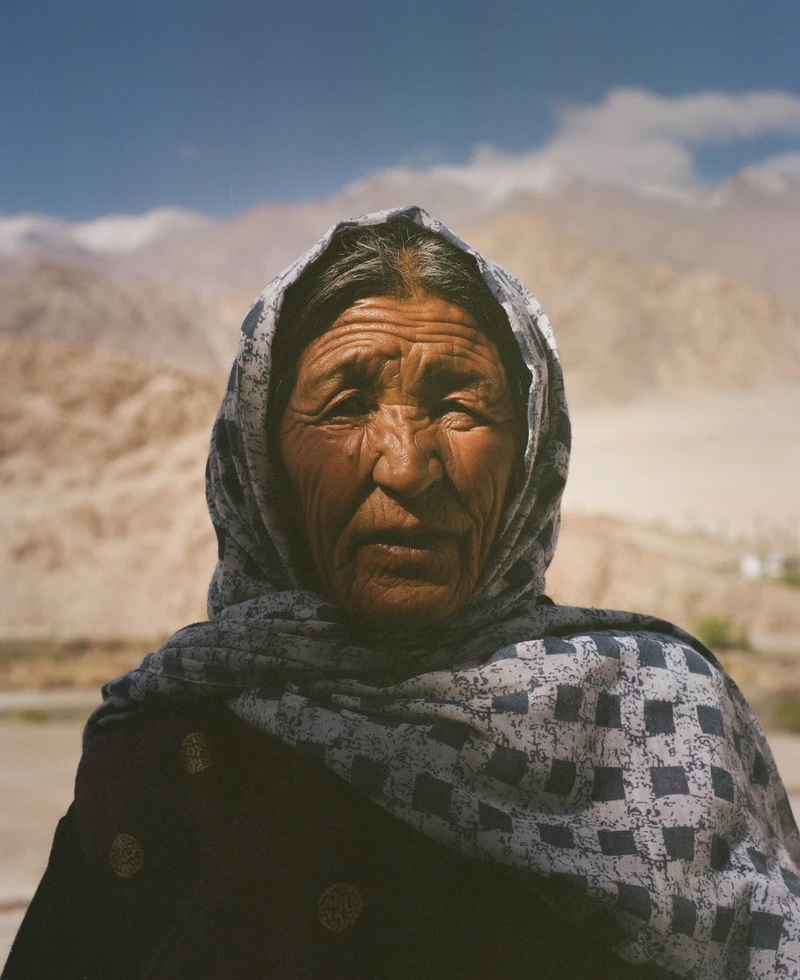
The program has turned stargazing into a sustainable economic engine for the village, with homestays and guided experiences drawing an estimated 10,000 visitors in 2024 alone.
It’s a beautiful model: protect the darkness, share the wonder, and let the cosmos provide a livelihood.
Getting There and What to Know
Reaching Hanle requires flying into Leh, then making the roughly six-to-seven-hour drive east. The roads can be challenging at that altitude, and travelers are strongly advised to spend a day or two acclimatizing in Leh before making the journey.
Altitude sickness is a real concern at nearly 15,000 feet.
The best time to visit is between May and October, when temperatures are more manageable and skies are consistently clear. Accommodations are basic — government guesthouses, army rest houses, and village homestays. There are no luxury hotels, and that’s part of the charm.
Pack food for day trips since dining options are essentially nonexistent outside your guesthouse. Bring cash because there are no ATMs. And carry any medications you might need, as medical facilities are extremely limited.
But bring a camera. Bring a blanket. And bring your willingness to simply lie on your back and look up.
Why It Matters
There’s something quietly radical about a place like Hanle. In an age where we light up everything — our cities, our screens, our every waking moment — this remote village reminds us what we’ve lost.
The vast majority of people on Earth can no longer see the Milky Way from where they live. We’ve traded one of humanity’s oldest and most compelling experiences for the convenience of 24-hour illumination.
Hanle pushes back against that. It says the darkness matters. The stars matter. And the simple, ancient act of looking up at the sky and feeling small, connected, and in awe — that matters too.
If you ever get the chance to visit, take it.
The stars are waiting. 🌟✨💫