

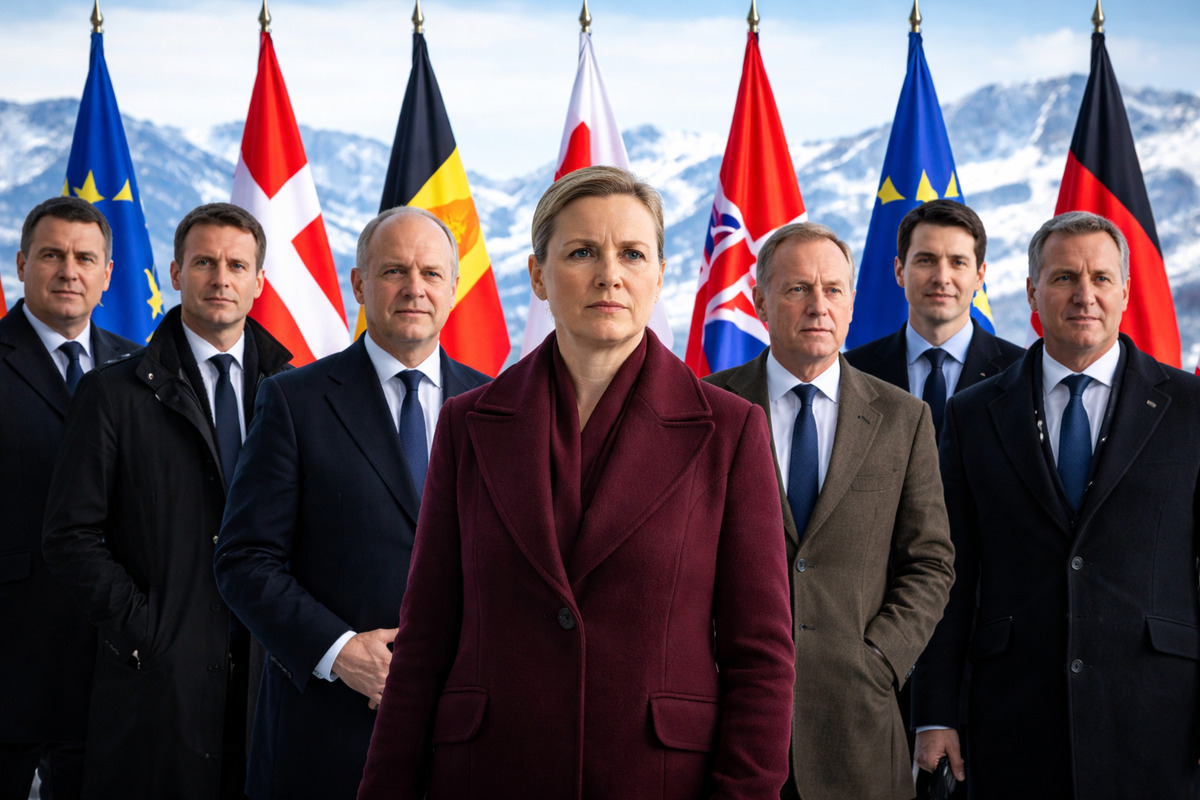
The geopolitical spotlight has shifted sharply northward as European allies back Denmark in a rare show of unity following renewed U.S. interest in Greenland.
The Arctic territory, a semiautonomous part of the Kingdom of Denmark, has become the focus of intense diplomatic friction after U.S. President Donald Trump again floated the idea of American control.
European leaders have bristled at the suggestion, rallying to Copenhagen’s side and underscoring that Greenland’s future is not for Washington to decide.
In a joint statement this week, leaders from France, the United Kingdom, Germany, Italy, Poland, Spain, and Denmark stressed that “Greenland belongs to its people.”
They insisted only Denmark and Greenland can determine the island’s status. That unified declaration is a clear indication that our European allies back Denmark in defense of international law, sovereignty, and the principles of the NATO alliance.
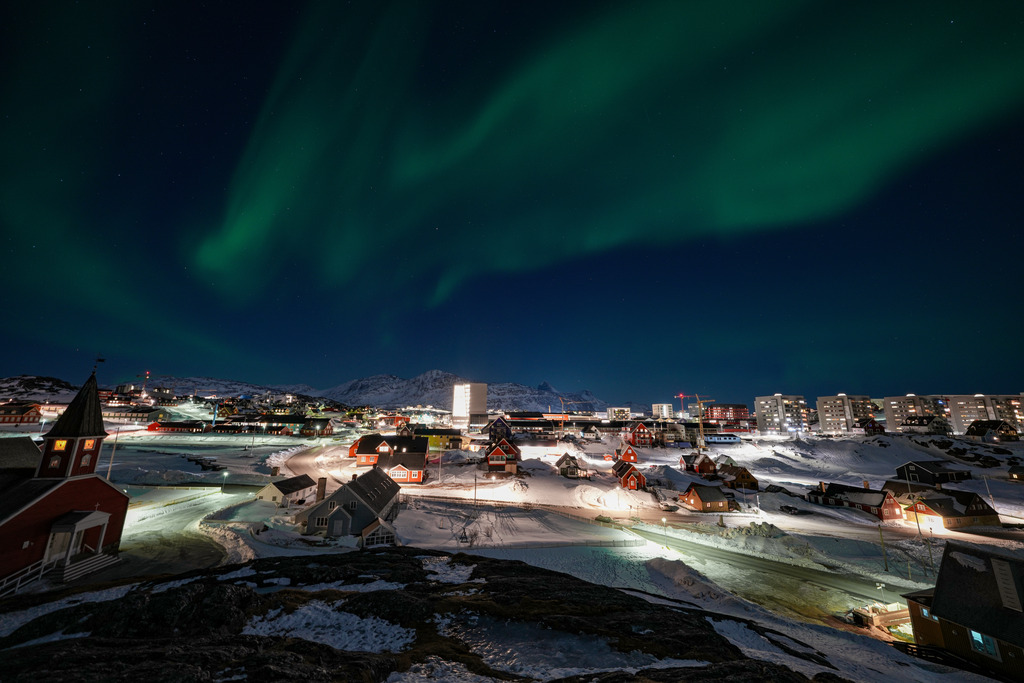
The latest tensions were triggered after President Trump, responding to global strategic concerns, reiterated his belief that the United States “needs” Greenland for national security reasons.
That rhetoric sparked alarm among Danish and European capitals, especially given a recent U.S. military operation in Venezuela that saw Venezuelan President Nicolás Maduro taken into custody.
European governments interpreted the action as a possible signal of broader American assertiveness, raising the specter that Greenland could be next.
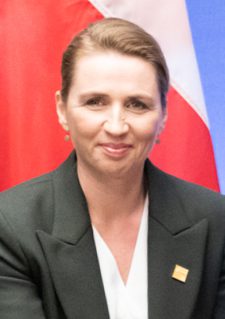
Denmark’s Prime Minister Mette Frederiksen has been unequivocal. She has publicly rebuffed U.S. overtures and warned that any American military action against a NATO ally could “stop everything,” a reference to the very survival of the post-World War II alliance.
Her stance has galvanized support from a bloc of European capitals, with European allies back Denmark emerging as the defining diplomatic refrain of the moment.
The strategic significance of Greenland goes beyond mere geography. The island’s position between North America and Europe gives it outsized importance in Arctic defense and surveillance.
It hosts critical military infrastructure, including the U.S. Pituffik Space Base, and sits near the GIUK Gap — a key maritime and aerial monitoring corridor between Greenland, Iceland, and the United Kingdom.
Its untapped mineral wealth also feeds into broader competition involving China and Russia, further complicating the geopolitics of the region.
As President Trump’s rhetoric escalates, it’s clear that our European allies back Denmark not just in word but in political action. French Foreign Ministry officials reiterated Paris’s support for Danish sovereignty, stressing that borders “cannot be changed by force.”
Meanwhile, UK Prime Minister Keir Starmer publicly backed Frederiksen’s calls for the U.S. to abandon its annexation rhetoric, echoing the broader European insistence that any changes to Greenland’s status must be decided exclusively by Denmark and Greenland.
Even as European capitals have issued these statements of support, voices closer to home in Nuuk — Greenland’s capital — have also weighed in. Greenlandic Prime Minister Jens-Frederik Nielsen welcomed the solidarity from European governments and urged a respectful, law-based dialogue with Washington.
His position reflects widespread local opposition to becoming part of the United States. Polling consistently shows that the vast majority of Greenlanders prefer self-rule or continued ties with Denmark rather than U.S. annexation.
The issue has not escaped broader international scrutiny. Canada’s Prime Minister Mark Carney has also thrown his support behind Denmark, underscoring transatlantic concern about upholding sovereignty and territorial integrity.
That adds another layer to how European allies back Denmark on this global stage, with North American partners joining in the defense of existing alliances.
Critics of the U.S. stance have argued that the president’s comments risk fracturing NATO and undermining collective security. They point out that resolute defense of a small nation’s territory against pressure from a larger ally is what sustains trust within international institutions.
In this context, the chorus of European voices backing Copenhagen sends a clear message: the era of unilateral territorial claims among allies is over.
As the world watches, what was once a remote Arctic outpost has become the flashpoint of an important debate about sovereignty, alliance solidarity, and the future of international order.
At its core, the story of European allies back Denmark is about a continent standing firm to uphold the rules-based system that has governed global relations for decades.