

Today the European Union dealt a dramatic blow to one of the most ambitious U.S.–EU trade pacts in years, freezing the approval process indefinitely as trans-Atlantic relations teeter on the brink.
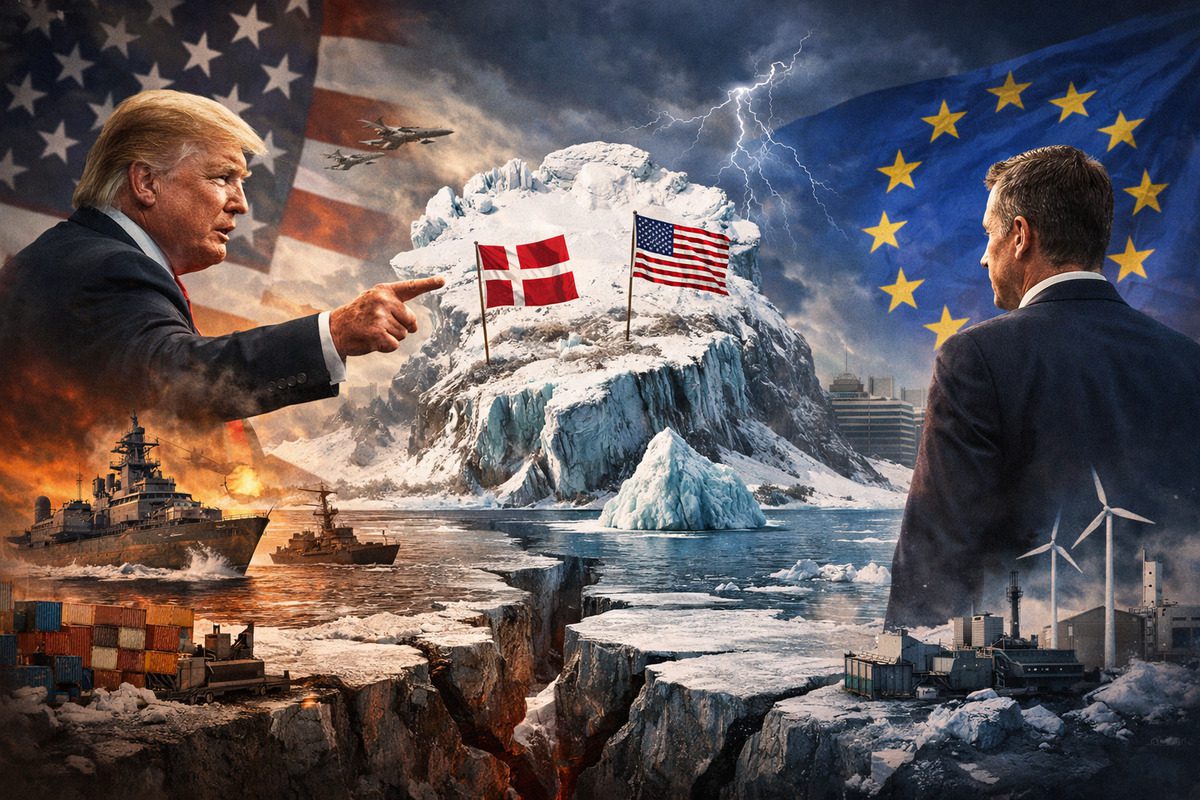
European Parliament lawmakers suspended a scheduled ratification vote on the massive trade agreement in protest of President Donald Trump’s increasingly aggressive push to secure control over Greenland, a semi-autonomous Danish territory that is at the center of a geopolitical crisis.
The trade agreement — negotiated with fanfare last summer and sometimes framed as a cornerstone of economic cooperation between the world’s two largest trading blocs — was set to reduce tariffs and streamline commerce on goods ranging from lobsters to semiconductors.
A framework deal agreed upon in July at Turnberry, Scotland, would have capped European tariffs at 15 percent while wiping out duties on American industrial exports, with the EU committing to invest hundreds of billions in U.S. energy and tech sectors.
But that delicate balance has now been disrupted by a bitter political standoff triggered by Trump’s Greenland obsession.
European lawmakers made clear that they view the U.S. President’s latest playbook — which included threats to impose punitive tariffs on European NATO members unless Greenland was sold to the United States — as a breach of trust and an unacceptable coercive tactic.
Bernd Lange, chair of the European Parliament’s international trade committee, said in a forceful statement that the bloc’s sovereignty and territorial integrity were at stake, leaving lawmakers “no alternative but to suspend work” on the pact until Washington “re-engages on a path of cooperation rather than confrontation.”
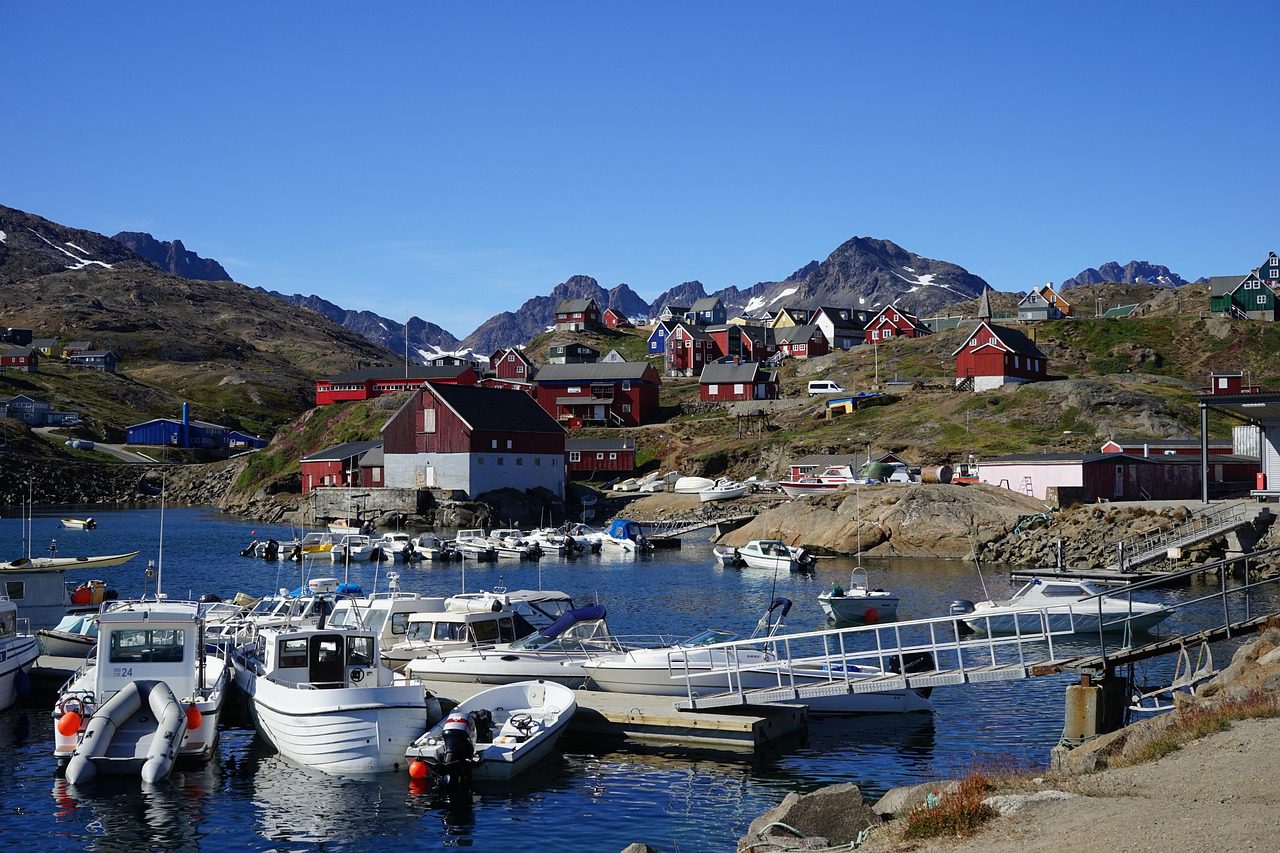
Trump’s push for Greenland has its roots in strategic considerations. The Arctic island’s location makes it an invaluable station for missile defense systems and early warning radar against perceived threats from Russia and China. Trump and senior administration officials have repeatedly underscored Alaska’s northern neighbor as vital to U.S. National security, but their methods for attempting to gain control over the territory have alarmed European allies.
The country has a defense agreement with Denmark, which allows the U.S. to open military bases and station military personnel in Greenland, that has been in effect since 1951. President Trump said recently that the U.S. needs to own Greenland because that’s what he requires “psychologically.”
At the World Economic Forum in Davos, Trump insisted he would not use force, but left open the possibility of a future deal tied to Arctic defense cooperation — messaging that some diplomats described as confusing.


Before today’s freezing of the trade pact, Trump had threatened to impose an initial 10 percent tariff on imports from eight European nations — including Denmark, Germany and the United Kingdom — ramping up to 25 percent by June unless a deal on Greenland was struck.
Leaders in Paris, London and Copenhagen condemned the threats, warning that hitting allies with tariffs undermined NATO solidarity and risked triggering economic retaliation.


Brussels is already considering its own countermeasures. European Commission President Ursula von der Leyen announced plans to bolster Arctic security cooperation and invest in Greenland’s defenses, including enhanced icebreaker capabilities and military infrastructure, while emphasizing that territorial sovereignty is non-negotiable.
There are also discussions within the EU about invoking its “anti-coercion instrument” — a powerful tool designed to counter unfair economic pressure — which could lead to retaliatory tariffs on key American sectors if the dispute escalates.
The crux of the dispute now lies not only in Greenland’s future, but in the broader architecture of trans-Atlantic cooperation. The trade deal was seen as a strategic anchor for economic ties at a moment when China’s expanding influence and global supply chain disruptions have made diversified partnerships essential.
Blocking it — even temporarily — sends a strong signal that the EU will not tolerate threats and bullying from its closest ally.
Analysts warn the freeze could trigger market volatility and complicate negotiations on other fronts, such as climate cooperation and joint security efforts. Both American and European businesses, many of which backed the trade agreement as a means to lower costs and expand access, now face uncertainty.
Whether the freeze proves temporary or marks the beginning of a broader fracture of U.S.–EU relations will depend largely on how Washington responds to Brussels’ demand for a de-escalation of rhetoric and a recommitment to diplomatic engagement.
At its core, this dispute reflects a deeper struggle over how alliances should function in the 21st century — whether traditional partnerships can be sustained amid increasingly transactional geopolitics, or whether economic cooperation must be subordinated to strategic competition.
For now, the EU’s decision to pull the plug on the trade deal is an unmistakable rebuke of Trump’s tactics, and a clear message that the bloc intends to defend both its economic interests and the sovereignty of its members and partners.