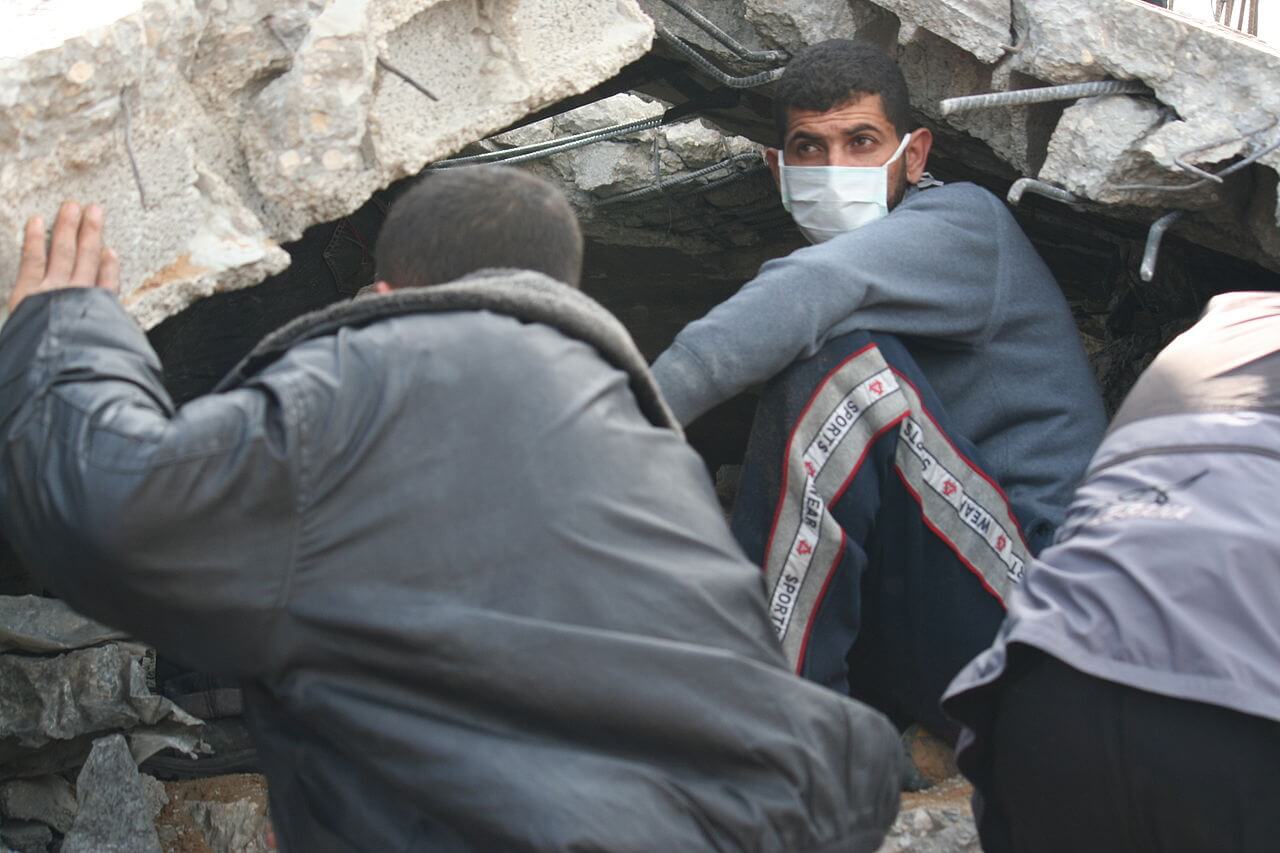

More than two years of Israeli bombardment have reduced cultural institutions, archives, and libraries in Gaza to dust. But across the Strip, ordinary people are refusing to let their collective memory die — rescuing books from the ruins with their bare hands.
Since October 2023, Israel’s military campaign in Gaza has leveled homes, hospitals, schools, and mosques. But it has also targeted something less visible and equally devastating: the infrastructure of Palestinian knowledge itself.
More than 87 archives and public libraries in Gaza have been partially or completely destroyed, according to reports from human rights and academic organizations.
Hundreds of thousands of books, documents, rare manuscripts, and academic journals — materials that formed the backbone of Palestinian cultural and historical identity — are gone.
The destruction has not spared a single major institution. The Central Archives of Gaza City, which held 150 years of municipal and historical records, was obliterated by direct shelling.
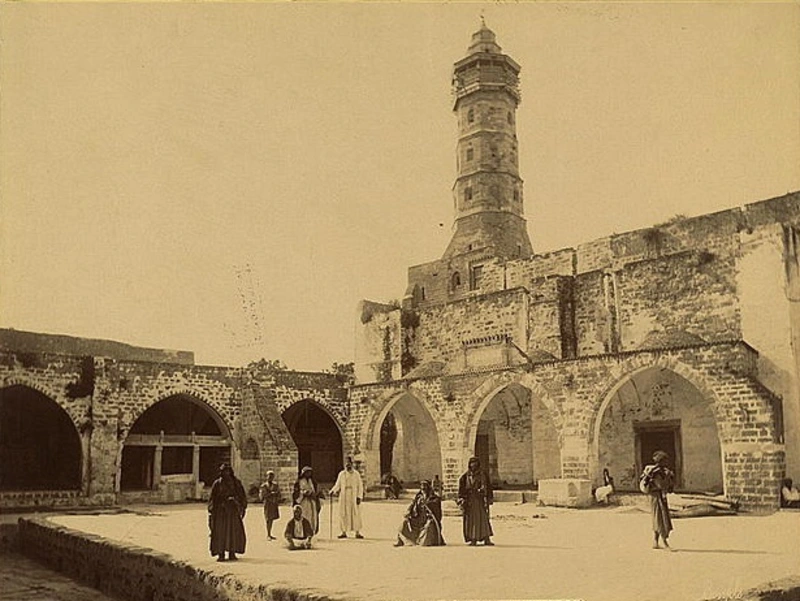
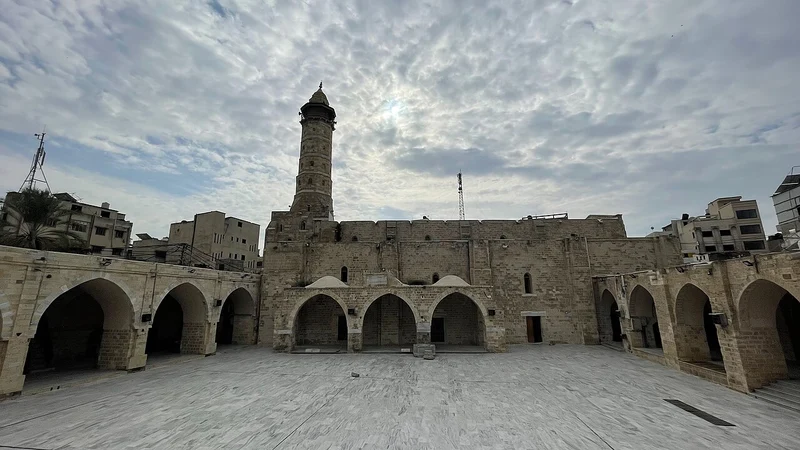
The Great Omari Mosque — Gaza’s oldest mosque, built in the 7th century — housed one of the most significant rare book collections in all of Palestine, with manuscripts dating back nearly 700 years.
It was bombed on December 8, 2023, collapsing the central structure and burying its library under tons of rubble.

As of January 2026, UNESCO had verified damage to at least 150 heritage sites across the Strip since the war began.
The American Library Association passed a formal resolution deploring the destruction, calling on all parties to uphold the 1954 Hague Convention for the protection of cultural property during armed conflict.

An independent UN commission concluded in June 2025 that Israeli attacks on schools, religious sites, and cultural institutions in Gaza constituted war crimes.
Israel has rejected these findings, calling the commission biased.
1.5 Million Books, Gone
The Islamic University of Gaza once stood as one of the oldest and largest universities in the territory, a 50-year-old institution whose libraries held more than 1.5 million books across every discipline — literature, history, philosophy, science, technology.
Its shelves contained academic journals, rare documents, and historical manuscripts that represented decades of accumulated Palestinian scholarship.
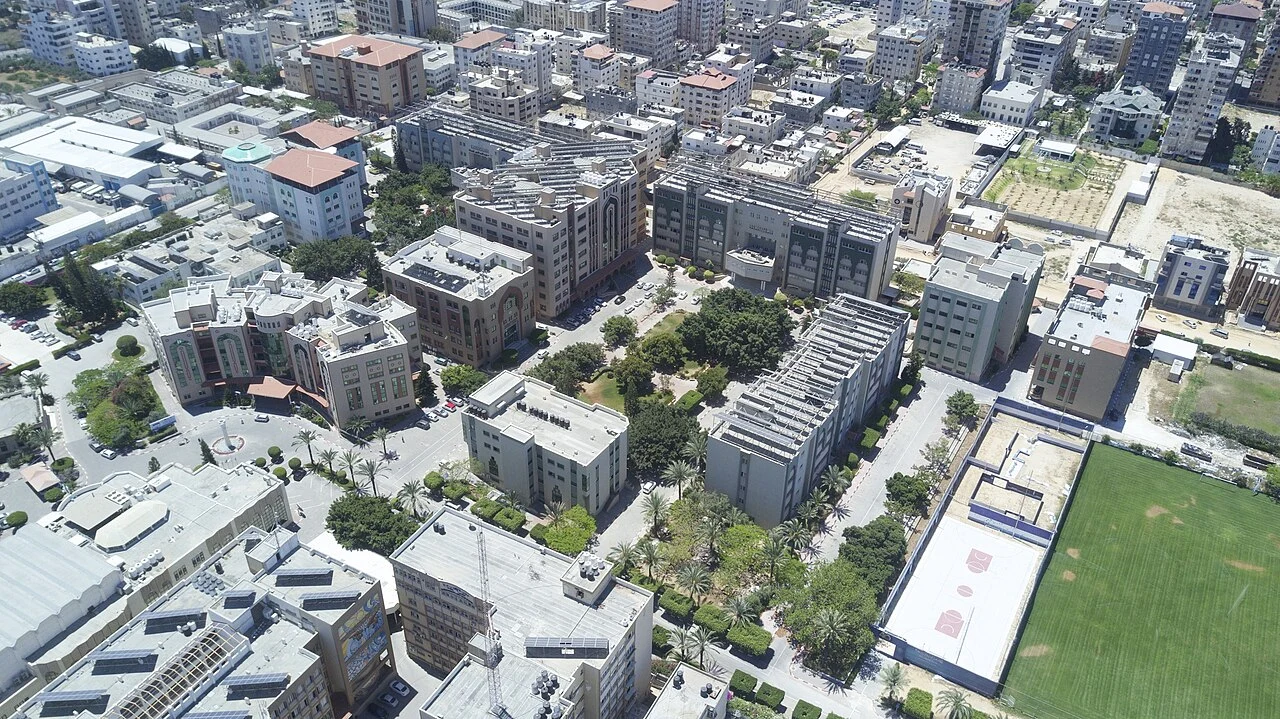
Researcher Riyad Al-Saawi returned to the site recently and found nothing. Where the library once stood — quiet study halls where students spent hours reading, writing, consulting references — there was only emptiness.
“I came today looking for the library where I spent years writing my research,” Al-Saawi said. “It once held more than 1.5 million books, but I found no trace of it.”
Every university in Gaza has been damaged or destroyed during the war. The Al-Israa University, which housed both a library and a national museum, was looted by the Israeli military before being demolished by controlled explosion in January 2024.
Pulling Books From the Rubble
Noaman Al-Hilu is nearly 60 years old. He spent almost four decades building a personal library in his home, collecting titles one by one from bookstores, book fairs, and second-hand markets. Those books were not possessions to him — they were a personal archive, a record of a life spent reading and learning.
When his home was destroyed, Al-Hilu returned to the rubble and began digging. Not for furniture or valuables.
For books.
He and his family have been sifting through the wreckage, pulling dust-covered volumes from beneath broken concrete. Some of the books they salvage, they plan to pass on to grandchildren — fragments of a time when their home was full of stories.
On the surface, the scene looks simple: an old man searching through ruins. But what Al-Hilu is really doing is fighting to keep memory alive.
Bookstores in Exile
In northern Gaza’s Al-Nasr neighborhood, a man named Ramzi ran a small bookshop called Cordoba Library for more than 20 years.
It was a modest place — religious texts, cultural works, novels, children’s books — but it was a neighborhood fixture, a place where people came to read.
When displacement orders swept the Strip, Ramzi didn’t leave his books behind. He packed them up and moved them — first from northern Gaza to Deir al-Balah, then to Rafah — relocating his entire bookstore multiple times to keep the collection alive.
Even during the war, Ramzi kept selling books online. Readers kept ordering. The demand for literature didn’t stop just because the bombing didn’t.
For Ramzi, the work was never just about income. It was about making sure books remained part of people’s lives, even in the worst conditions imaginable.
The Samir Mansour Library: A Cultural Landmark Lost
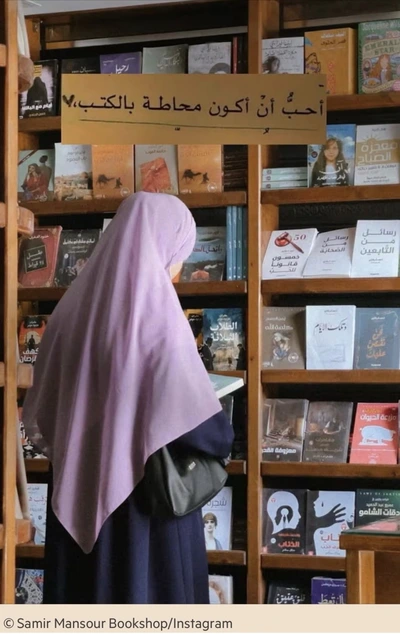
Before the war, the Samir Mansour Library was one of Gaza’s most prominent cultural institutions. Founded by Professor Samir Mansour, it had grown over the years into several branches across the Strip and was a destination for students, researchers, and everyday readers. Its shelves carried literature, philosophy, politics, history, and translated works from around the world.
The war destroyed it. Thousands of books collected over many years were lost — including rare editions and titles that readers had waited years to obtain.
And then came one of the war’s most searing images: amid fuel shortages and the tightening blockade, some residents were forced to burn books just to light cooking fires. People who spent their lives collecting knowledge had to choose between preserving it and feeding their families.
Mansour insists the library as an idea cannot be destroyed. Gaza’s reading culture, he says, will outlast the devastation.
Volunteers Race to Save What Remains
At the Great Omari Mosque, a small team of volunteers led by Haneen al-Amsi, director of the Gaza-based nonprofit Eyes on Heritage, has been working to salvage what remains of the mosque’s once-renowned library.
Before the war, it held an estimated 20,000 books and manuscripts. Early assessments suggest only about 4,000 volumes may be recoverable.

The team has managed to save roughly 123 out of 228 historical manuscripts, along with 36 out of 78 scattered loose pages. Some of these texts date back to the Mamluk and Ottoman periods — 500 to 700 years old.
“The condition of the rare and historical books is deplorable,” al-Amsi told reporters, describing the damage from direct missile strikes, mold, humidity, and gunpowder residue after the books spent more than 700 days buried under rubble.
The volunteers lack proper restoration equipment and expertise. But they keep working, one page at a time.
“Saving these books is our way of protecting Gaza’s memory,” al-Amsi said. “Even in the middle of destruction, we want the world to know that our history is still here.”
When Destroying Libraries is the Point
The destruction of cultural heritage during armed conflict is nothing new. The Bamiyan Buddhas, the Timbuktu libraries, the Mosul Museum — the pattern is well documented. But the scale of what has happened in Gaza stands apart.
The Palestinian Ministry of Culture reported that 207 out of 320 archaeological sites and buildings of cultural significance were reduced to rubble or severely damaged.
The World Bank estimated over $300 million in damage to Gaza’s cultural heritage by January 2024 alone. The Ministry of Religious Endowments reported that 1,109 of Gaza’s 1,244 mosques — nearly 90 percent — were completely or partially destroyed.
South Africa’s genocide case against Israel at the International Court of Justice explicitly cited the destruction of cultural institutions as evidence of intent.
The case framed the targeting of libraries, archives, museums, and religious sites as part of a deliberate strategy to erase Palestinian identity.

International law is clear on this. The 1954 Hague Convention requires the protection of cultural property during armed conflict. The intentional destruction of cultural heritage has been recognized as a war crime and prosecuted at the International Criminal Court.
Reading as Resistance
During long stretches when the internet was cut off across Gaza, people turned back to physical books — reading to pass time, to maintain a sense of normalcy, to hold onto something familiar while everything around them fell apart.
Displaced families carried books with them as they fled. Children read in shelters. University students shared whatever texts survived.
In Gaza, a book has never been just an object. Under a blockade that has restricted nearly everything for nearly two decades, books have served as a connection to the wider world — a way to learn, to imagine, to resist the shrinking of possibility.
Factsheet_Gaza_Blockade_2022.pdfReopening a bookstore or pulling a manuscript from the rubble may seem like small acts. But for the people doing it, these are acts of defiance.
They are proof that cultural life has not been extinguished, that the relationship between Palestinians and their history survives even the most systematic attempt to destroy it.
The libraries are gone. But the people who built them, read in them, and loved them are still digging.