

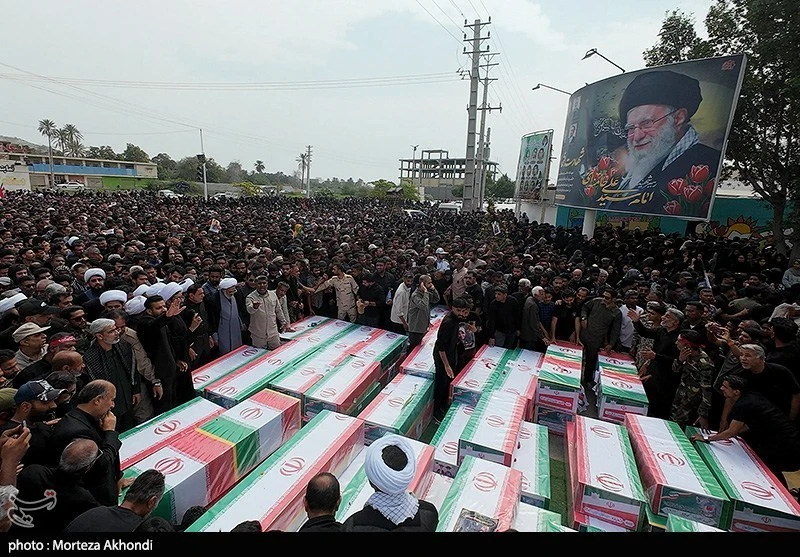
As the death toll from the US-Israeli war on Iran climbs past 1,300, a Tehran elementary school became the fourth school bombing in Iran in just six days — increasing concerns that the campaign is systematically targeting civilian infrastructure.
Another School Reduced to Rubble
On Friday, Iranian Foreign Ministry spokesperson Esmaeil Baghaei posted a video to social media showing the Shahid Hamedani School, an elementary school located in Tehran’s Niloufar Square, before and after it was hit by US-Israeli missiles.
The footage showed classrooms full of young children — followed by those same rooms torn apart by explosions, filled with shattered concrete and twisted metal.
Baghaei did not provide casualty numbers or specific details about the timing of the strike, but he condemned the attack and called it a demonstration of how the United States is “helping the people of Iran.”
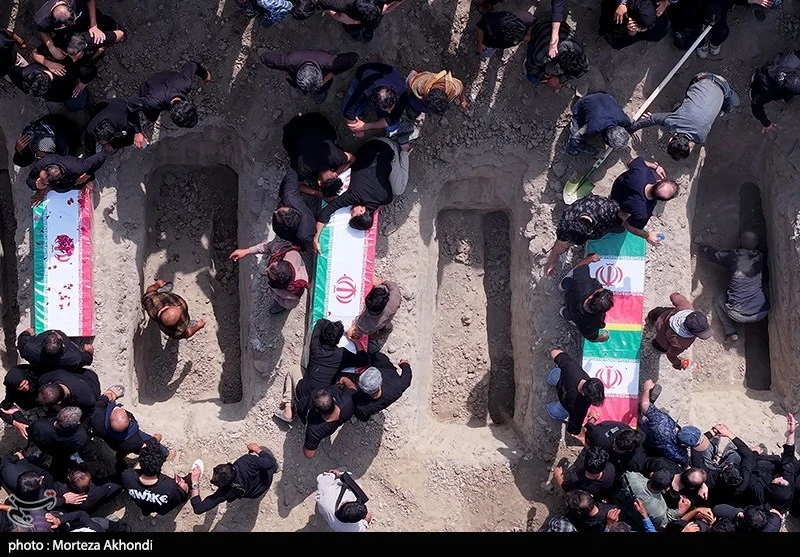
The strike marks a grim milestone. Since the war began on February 28, four schools have now been hit across the country.
The pattern has drawn comparisons to the systematic destruction of civilian infrastructure during Israel’s campaign in Gaza — a parallel that analysts say is not a coincidence.
A Week of School Bombings in Iran

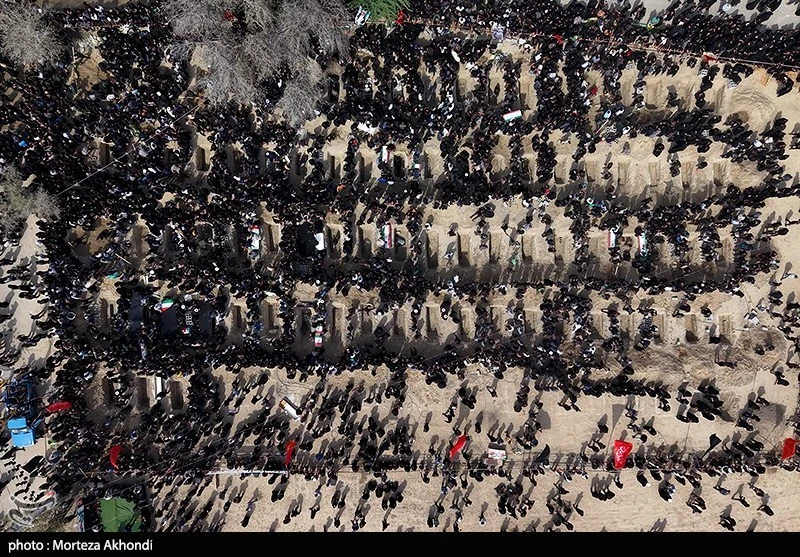
The first and deadliest school bombing in Iran came on the opening day of the war, when the Shajareh Tayyebeh girls’ school in the southern city of Minab was struck, killing at least 160 children and five staff members, according to United Nations experts.
Most of the victims were girls between the ages of 7 and 12.
Multiple investigations have since raised serious questions about that attack.
Reuters reported that US military investigators believe American forces were likely responsible for the strike, though a final determination has not been reached.
An Al Jazeera investigation concluded the bombing was likely deliberate, and NPR’s review of satellite imagery found that more buildings were hit near the school than initially reported — suggesting the strike was part of a broader precision attack on a neighboring military complex, possibly based on outdated intelligence.
Eyewitnesses and relatives of victims told Middle East Eye that the Minab attack was a “double-tap” strike, meaning that first responders and survivors who rushed to the scene were hit by a second wave of bombing.
Double-tap strikes are widely condemned under international humanitarian law because they deliberately target people trying to save lives.
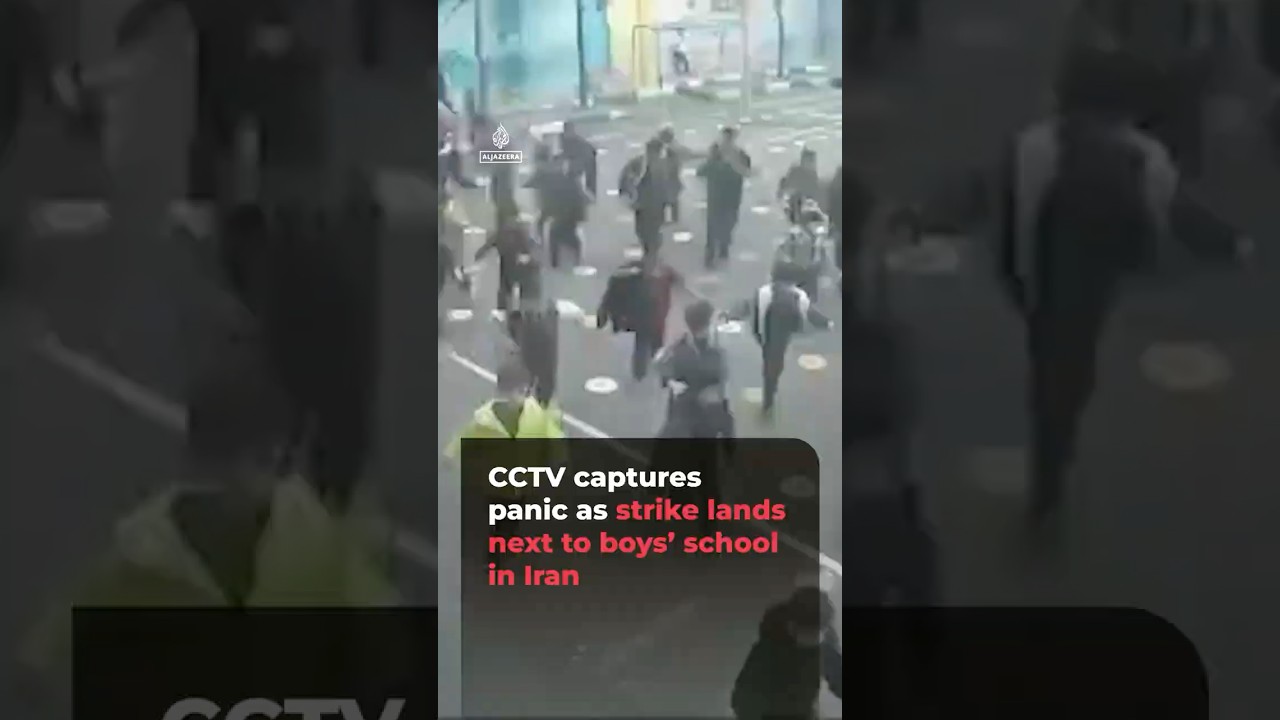
On the same day, CCTV footage captured the moment a missile landed next to a boys’ school in the city of Qazvin, sending students and teachers fleeing in terror.
Then on Thursday, two more schools in Parand, a town southwest of Tehran, were struck by US-Israeli missiles.
Iranian state media published photos showing classrooms filled with debris, though no casualties from that attack have been reported so far.
The Human Cost Keeps Growing
The numbers paint a devastating picture. According to UNICEF, at least 192 children have been killed across the Middle East since the war began.
The Human Rights Activists News Agency, a US-based monitoring organization for Iran, puts the total civilian death toll at 1,168, while the Iranian government’s count reached 1,332 by Friday.
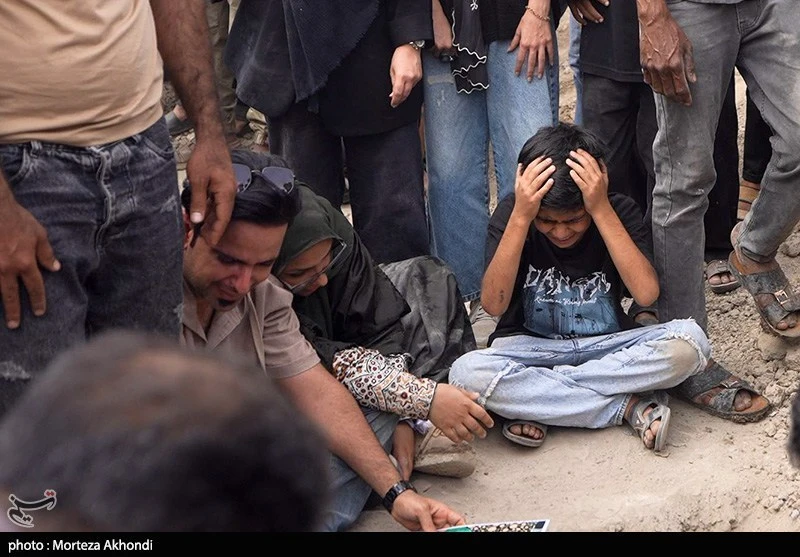
The Iranian Red Crescent Society has documented damage to more than 3,643 civilian sites in attacks attributed to the US and Israel. The list includes more than 3,000 homes, 528 commercial centers, 13 medical facilities, and nine Red Crescent centers — the very organizations tasked with providing emergency aid to bombing victims.
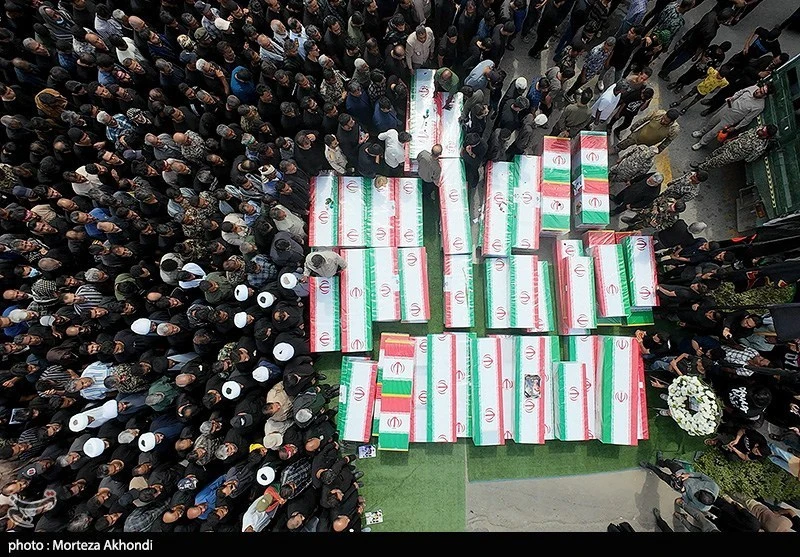
UN High Commissioner for Human Rights Volker Turk has called on Washington to investigate the Minab school bombing in Iran quickly and transparently, saying there must be accountability and justice for the victims.
“Not Abiding by Stupid Rules of Engagement”
The repeated targeting of schools, hospitals, and humanitarian centers takes on an especially disturbing dimension in light of public statements from US officials.
Defense Secretary Pete Hegseth has openly declared that the US is not following what he called “stupid rules of engagement” in Iran, and has boasted about delivering “death and destruction from the sky all day long.”

Those “stupid rules” — the laws of armed conflict and international humanitarian law — exist specifically to prevent the kind of carnage playing out across Iran right now.
They require militaries to distinguish between combatants and civilians, to take precautions to avoid civilian harm, and to refrain from attacks where the expected civilian damage would be disproportionate to any military advantage.
By publicly dismissing those protections, the administration is not just acknowledging that civilians will die.
It is signaling that their deaths are acceptable.
The Gaza Playbook, Scaled Up
Amjad Iraqi, a senior analyst at the International Crisis Group, told Al Jazeera that the pattern of attacks on Iranian civilian infrastructure mirrors what Israel has done in Gaza over more than two years of military operations.
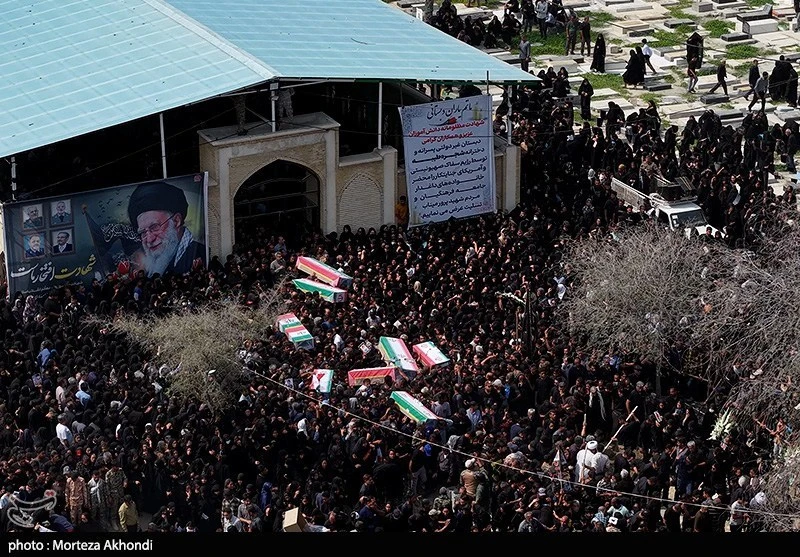
The connection is not just strategic — it is ideological.
The systematic destruction of schools, hospitals, and homes follows a logic of collective punishment: make daily life so unbearable that the population either turns against its own government or simply ceases to function as a society.
In Gaza, that approach flattened entire neighborhoods, displaced nearly the entire population, and left the territory’s educational and medical systems in ruins.
Now, the same tactics are being applied to a country of 88 million people.
Four schools in six days. Over a thousand civilians dead.
And the bombs keep falling.