


was never that into cocaine — preferring the euphoria promised by MDMA or the relaxation offered by cannabis — but back in 2015, a cocaine-serving lounge bar, Route 36, in La Paz, Bolivia, was the talk of the backpacking circuit, and the scarcely-believable novelty of the place was alluring.
At Route 36, bags of cocaine are served on silver platters, and a friend and I got incredibly high that night. Too high, perhaps, though it was all undeniably good fun.
But as soon as my first-person dispatch for Vice from the lively dusk-till-dawn session went viral, I feared that I perhaps shouldn’t have glorified the use of a moreish drug that typically leaves a trail of violent destruction in its wake.
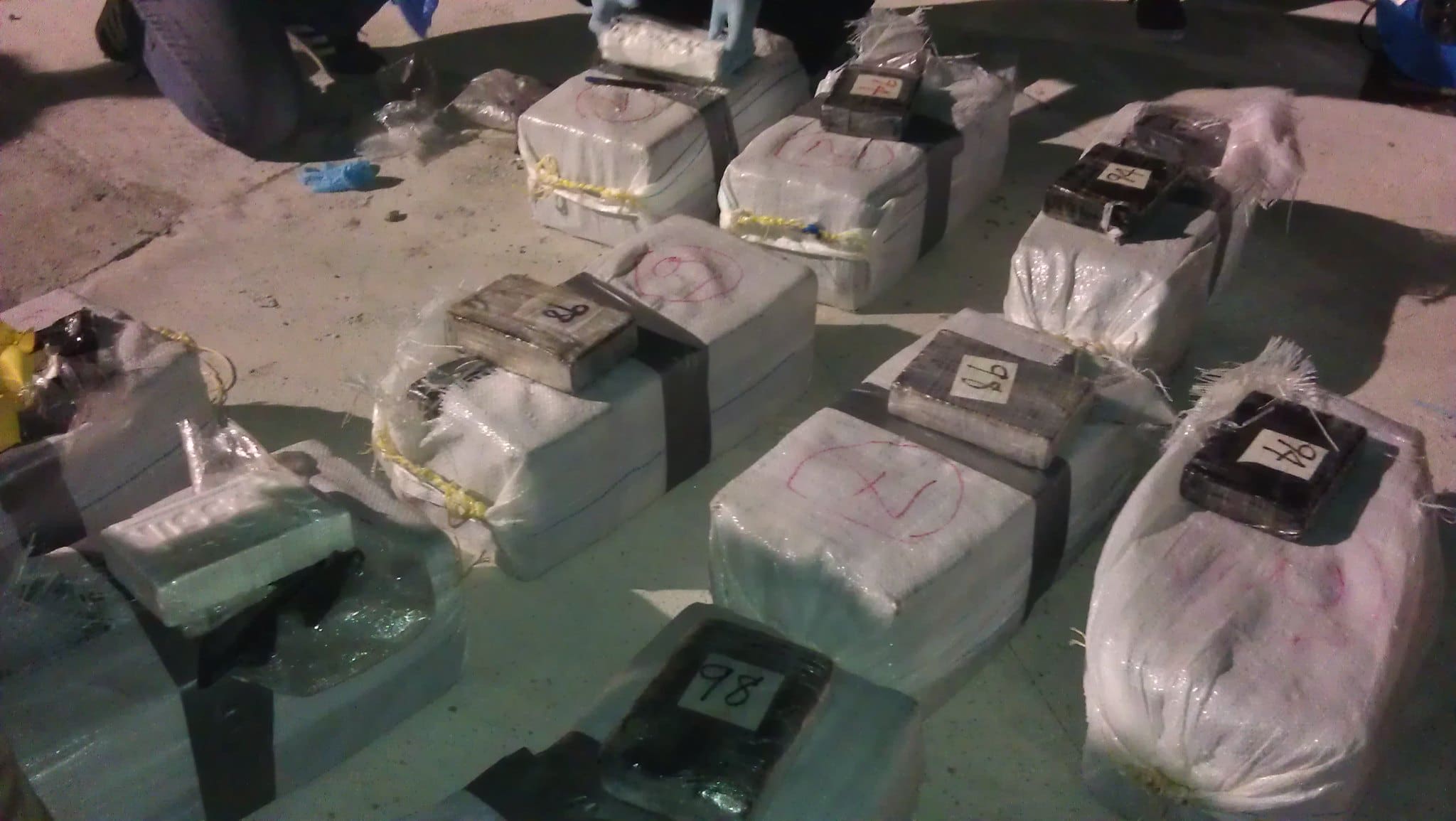
As the years passed, however — with cocaine becoming both unprecedentedly popular and increasingly affordable despite the billions spent on the war on drugs to avoid these exact outcomes — I’ve come to realize that accepting that adults take cocaine, and legally regulating the drug, is the only sensible path forward.
Establishments like Route 36, the world’s first cocaine bar, might just represent a more enlightened, peaceful future for us all.
After all, U.S.-led authorities around the world have tried everything else, and to great human cost. Coca fields across the Andes, where cocaine’s main ingredient grows, have been sprayed with harmful herbicides like glyphosate, harming the local Indigenous people for whom coca holds unique spiritual and nutritional value, and killing anything that tries to grow in the contaminated soil.
Consumers and traffickers of cocaine have been imprisoned en masse, helping to create a prison–industrial complex which serves as a university of crime for its incarcerated and a fertile recruitment ground for armed drug gangs.
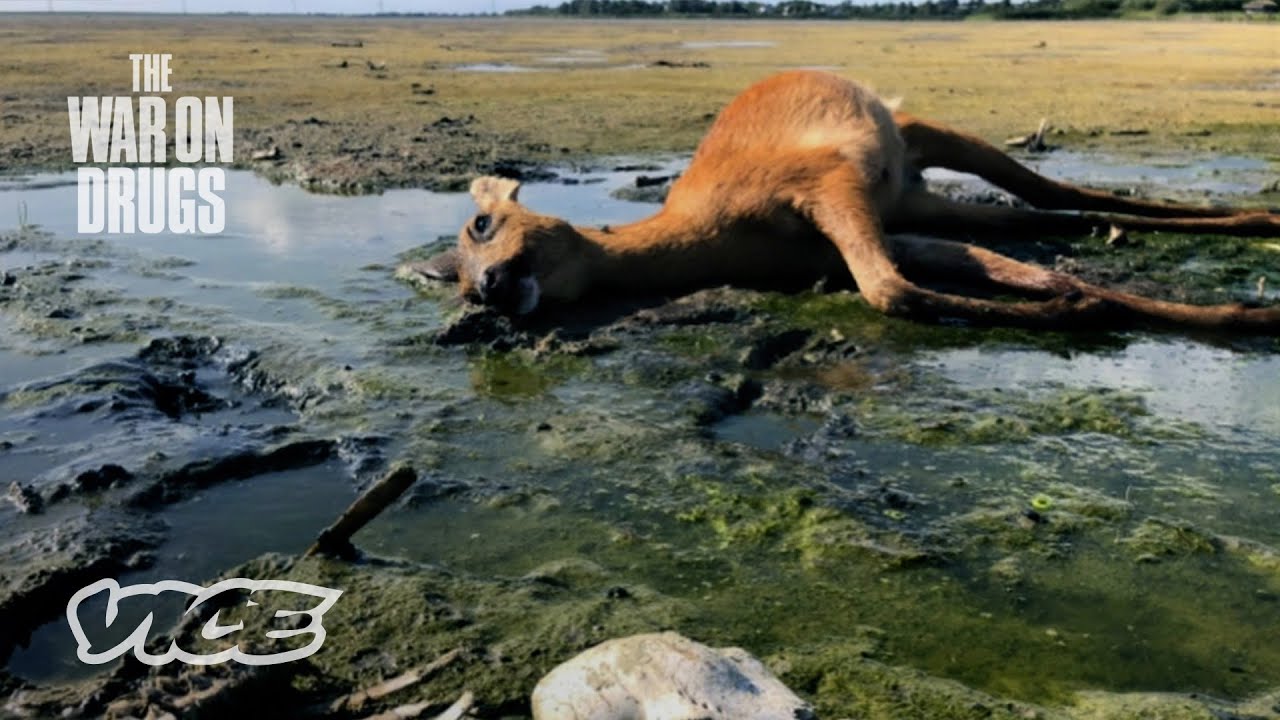
The war on drugs is not just a political metaphor — in many places, it’s a full-blown, militarized conflict with vast numbers of casualties.
It has fueled unparalleled bloodbaths in which hundreds of thousands of people have been killed across the world, notably in Colombia, Mexico, and most recently Brazil, where a police raid on a cartel-controlled favela in Rio led to more than 130 deaths in one night in late October. “This was a slaughter, not an operation,” one bereaved mother told The Guardian. “They came here to kill.”