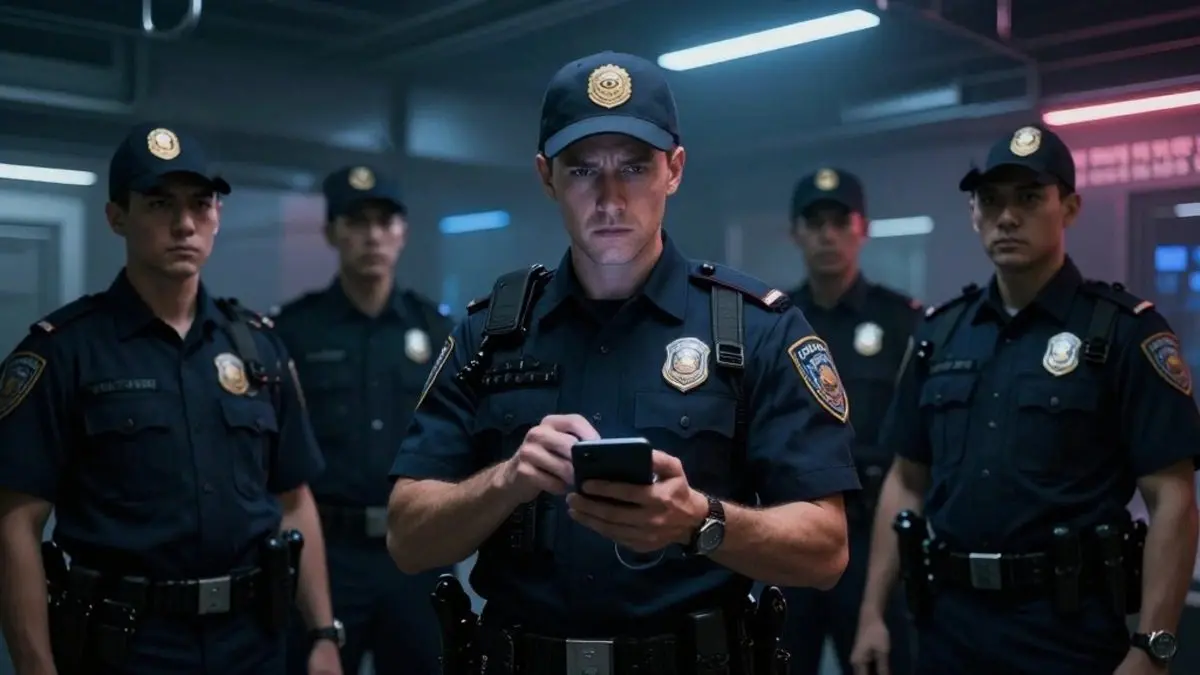

This story is part of the Life in Trump’s America series and it tells the story of “Thought Police,” a federal law enforcement agency in future America that hears everything citizens say, monitors what they post or share on social media, and listens for even the slightest indication, the softest whisper, of dissent.
Imagine waking up one morning in a world where free speech is no longer a right but a privilege reserved for a select few. This isn’t the dystopian future of your nightmares. It’s what will become of our democracy if an unimpeded authoritarian regime is allowed to remain in power.
This story explores the lives of Americans who no longer have the foundational right to free speech.
This story will take you on a journey to a nation now living under authoritarian rule and the chilling effect of surveillance. In the end, you’ll witness the courage of those who dare to defy the system.
Setting the Scene
As the sun rises over a heavily monitored city, the air is thick with apprehension. Citizens go about their daily lives under the oppressive weight of censorship, compliance, and fear.
Picture a bustling city, once filled with laughter and vibrant conversations, now subdued under the government’s watchful gaze. Billboards proclaim messages of loyalty and compliance.
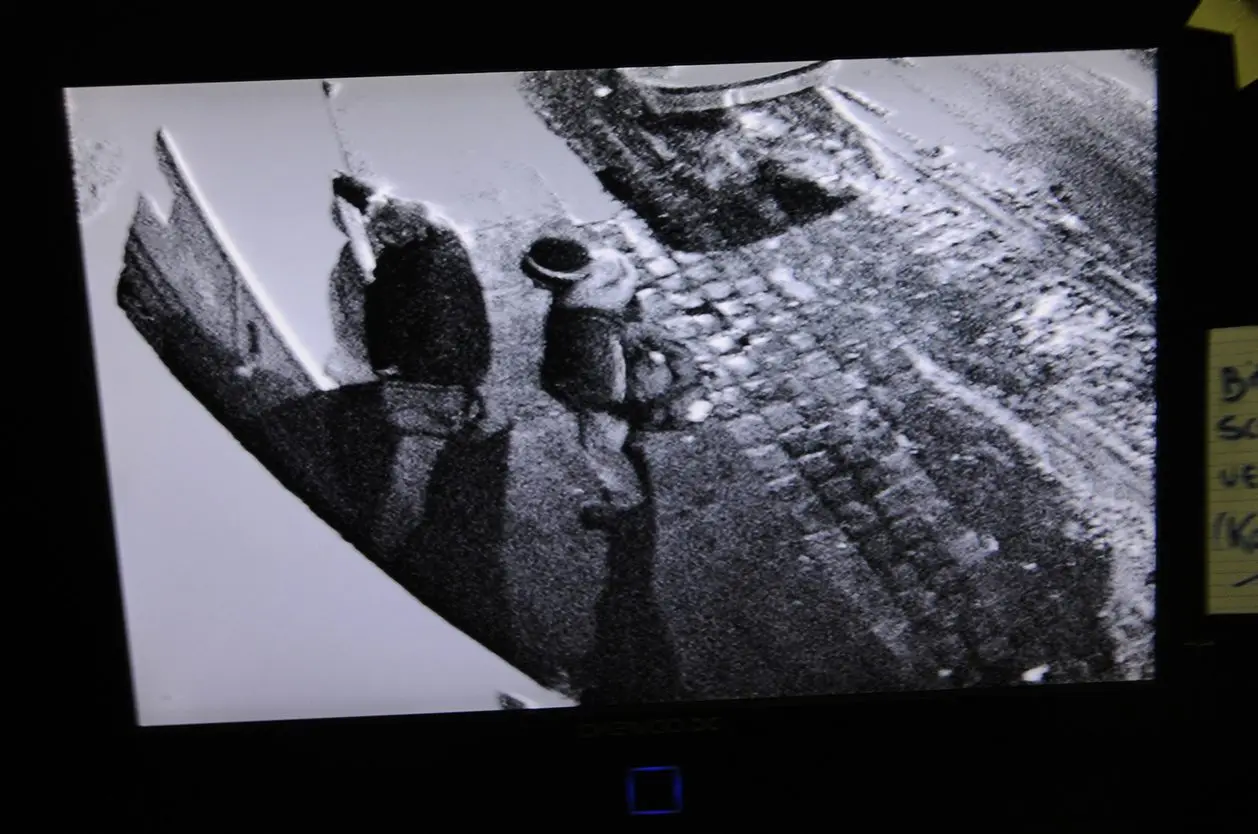
The atmosphere is tense, as if the air is charged with fear. Every conversation is laced with uncertainty, every meeting carries with it the risk that participants’ voices will be overheard by ever-present Thought Police.
The sky wasn’t empty anymore; it hummed. Above every park bench and transit hub, the drones hung like bloated mosquitoes, their lenses twitching with every sudden movement.
They weren’t just looking for crimes; they were looking for intent. A gathered crowd, a hushed whisper, a fist clenched too tight—it all went back to a desk in a bunker.
Once the data turned red, the city’s silence was broken only by the roar of the Rapid Response Team’s engines, arriving to snuff out the flame before anyone could even find a match.
In this new reality, the fabric of society has been transformed. Town squares—once echoing with voices of dissent from the No Kings protests—now stand eerily silent, save for the occasional drone hovering above.
The Shift in Power
Understanding how we reached this point requires a look back at the events that precipitated the power shift. A series of crises—gangs of undocumented immigrants, war with Venezuela, and the assassination of a right-wing activist beloved by those in power—created a fertile ground for authoritarianism to take root.
The government transformed from a democratic entity to a totalitarian force, where personal liberties had been sacrificed for national security and the promise of a crime-free society.
The promises of stability and safety began to resonate with a populace desperate for solutions, leading to the rise of a leader who promised to end crime in major cities.
Once in power, this leader employed a range of tactics to consolidate control. Executive orders were quickly issued to curtail citizens’ rights, eroding the very foundations of democracy.
As checks and balances were dismantled, the executive branch assumed unprecedented authority, and a chilling atmosphere of compliance set in. People began to realize that expressing contrary opinions could result in serious consequences.
The Rise of the Thought Police
Who Are They?
The Thought Police emerged as an omnipresent force, tasked with enforcing the regime’s ideology. Comprising intelligence officers, informants, and even ordinary citizens coerced or incentivized to report dissent, they create an atmosphere where skepticism and critique are stifled.
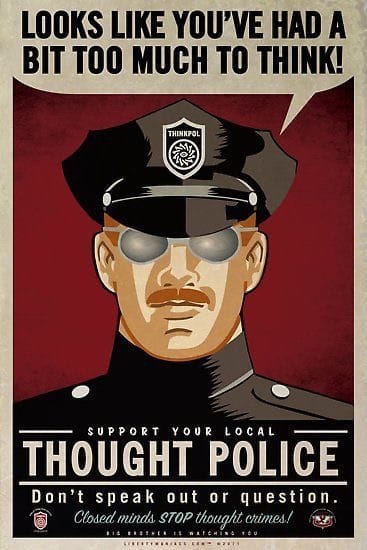
Citizens are encouraged to self-censor, often believing that their private convictions could lead to severe repercussions. The Thought Police wield their power through intimidation and misinformation, creating an environment where trust among neighbors is a rare commodity.
The role of the Thought Police is particularly insidious; they don’t just punish actions but seek to control thoughts and beliefs.
The Role of the Secretary of State
In this authoritarian regime, the Secretary of State has become a pivotal figure. No longer merely an executor of foreign policy, this individual oversees domestic compliance as well.
With an arsenal of tools at his disposal, including media control and propaganda, the Secretary ensures that the narratives align with the regime’s interests. Every word spoken, every article published, and every Tweet shared comes under scrutiny.
This concentration of power has left citizens feeling powerless. The Secretary’s office holds sway over what constitutes acceptable discourse, often framing dissent as anti-patriotic and a danger to national security.
The manipulation of information creates a distorted reality, where citizens are left to question what they can believe and whom they can trust.
Living Under Surveillance
Social Media Restrictions
The digital landscape has transformed into a battleground for expression. Social media, once a haven for unfiltered commentary, is now heavily monitored and policed.
Algorithms designed to detect and suppress dissenting content operate relentlessly, and users face severe penalties for violating the ever-changing rules of “acceptable” speech.

Platforms that once allowed the sharing of ideas and discussions have morphed into tools of control. Users live in constant fear that their posts could be flagged or that they could be identified as “troublemakers.”
This chilling effect has led to a mass exodus of authentic voices, leaving behind a digital space filled with bots and messages of compliance.
Consequences of Expression
The repercussions of speaking out against the regime are severe. Once, a simple protest or an op-ed could ignite conversations that promoted change. Now, such actions can lead to imprisonment, public shaming, or worse.
Families have been torn apart by fear, as loved ones are left trying to figure out how to express their beliefs without endangering people close to them.
Even innocuous conversations can be dangerous. Friends discuss safe topics, avoiding politics, while silently acknowledging the shared anxiety. The fabric of society has frayed, and trust has become a luxury that few can afford.
The Impact on Daily Life
Conversations in the Shadows
In private corners of dimly lit rooms, gatherings take place where people can speak freely, albeit cautiously. These conversations are filled with whispered hopes and fears—individuals expressing their dissent in the safety of anonymity.
Yet, such gatherings are not without risk; the Thought Police are always listening, and the walls have ears.

As a result, these clandestine meetings become a vital lifeline for those who refuse to accept the status quo. They serve as a reminder that even in silence, the desire for freedom still exists.
The shared courage to speak out against oppression becomes a unifying thread among these individuals, but the threat of exposure looms over them like a storm cloud.
Fear and Paranoia
The psychological toll of living under authoritarian rule is immense. Fear permeates every aspect of daily life. Citizens are left to wander through a minefield of potential repercussions, questioning the loyalty of friends and colleagues.
The atmosphere of paranoia erodes relationships and creates a culture of suspicion—everyone is a potential snitch.
In this environment of fear, mental health issues are rampant. Anxiety and depression become more common as individuals are forced to live with the weight of unexpressed emotions.
People become adept at wearing masks, presenting a façade of compliance while internally grappling with their beliefs and desires for change. Mere facial expressions could give away a person’s thoughts, drawing the attention of the Thought Police.
Resistance and Rebellion
Whispers of Dissent
Despite the oppressive climate, pockets of resistance begin to emerge. Individuals, fueled by the desire for freedom and justice, organize in secret. They share information, strategize ways to evade the Thought Police, and rally around a common cause. These whispers of dissent become a powerful undercurrent, demonstrating that the human spirit can’t be crushed easily.
The act of resistance takes many forms—art, music, literature—each serving as a form of expressing rebellion against the regime. Underground magazines circulate, disseminating information and encouraging others to challenge the narrative imposed by the regime.
These small acts of defiance create ripples in a deep pond of despair, offering hope to those who feel trapped.
The Underground Movement
The underground movement, once fragmented, finds strength in unity. Networks of activists form, using encrypted communications to share their messages and rally support.
They organize demonstrations that are strategically planned to avoid detection while spreading the message of resistance. The courage displayed by these people becomes a beacon of hope for the disillusioned.
In these movements, art becomes a weapon. Songs of protest echo in hidden venues, and street art covers buildings, challenging the regime’s authority.
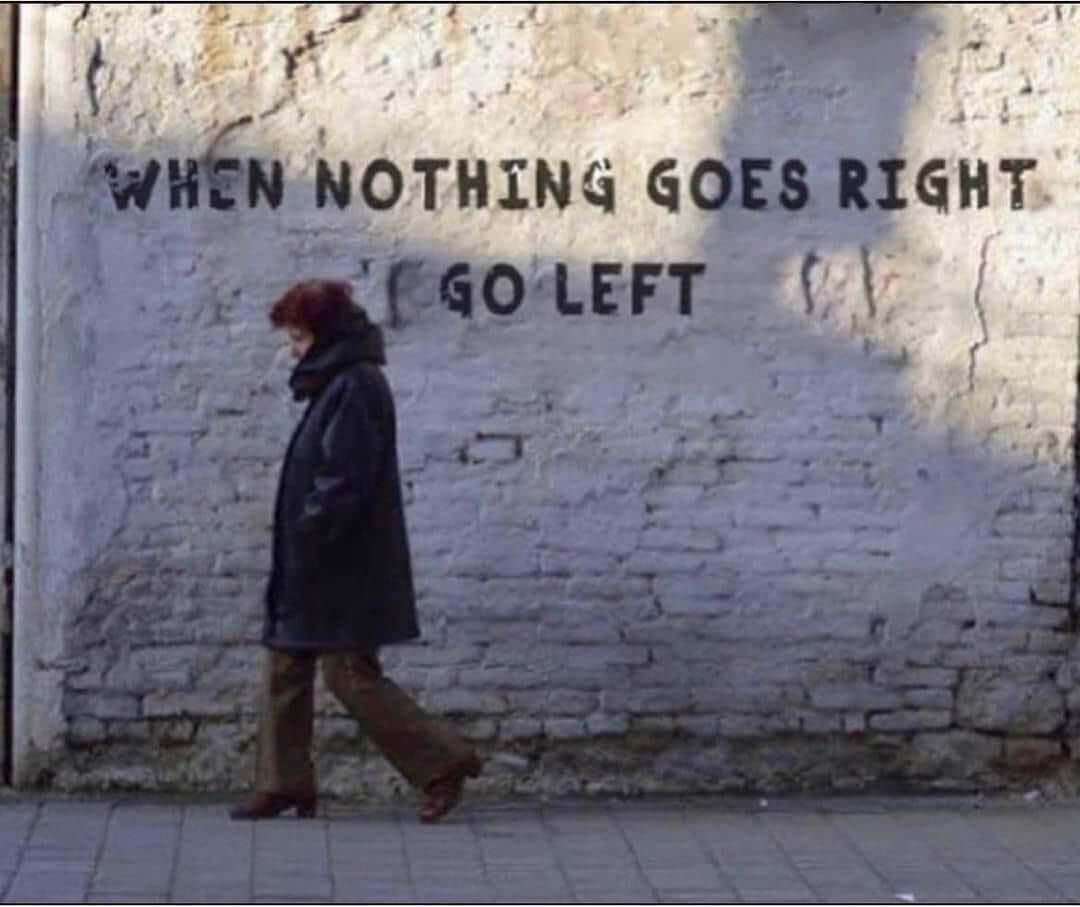
Creativity serves as a catalyst for change, inspiring others to join the fight for freedom. Each act of rebellion is a testament to human resilience and the belief that a better future is possible.
Back to the Present: Hope or Despair?
The erosion of civil liberties is often gradual, a series of small concessions that lead to a tipping point. It serves as a reminder that we cannot allow our rights to be ignored or trampled on. Nor can we stay silent as the government ignores the rights of others. The citizens of Minneapolis have been an amazing example of community and pushback.
ICE agents are terrifying Minneapolis residents—both citizens and immigrants alike. People have organized and worked together to take care of their neighbors who are trapped inside, afraid to leavehome and risk harassment, violent assault, or arrest. Members of the community purchase groceries and delivery them to families sheltered in place, waiting for the masked government agents to move onto terrorizing another city.
The story of those living under authoritarian rule provide insight into what will happen if he stop communicating and don’t stand in solidarity against oppression.
Ultimately, the question remains: can hope triumph over despair? The resilience shown by the imaginary citizens living under “Thought Police” demonstrates that the desire for freedom is a powerful force.
While the struggle may be long and difficult, history has shown that change is possible.
This story ends with citizens forming a resistance to inspire us to reflect on our own freedoms and the responsibility that—as citizens of a democracy—comes with protecting them.
“The Thought Police would get him just the same. He had committed — would have committed, even if he had never set pen to paper — the essential crime that contained all others in itself. Thoughtcrime, they called it”.
—George Orwell, 1984