


You don’t have to overhaul your entire existence to make a meaningful difference for the planet. The truth is, the most sustainable lifestyle changes are the ones you can actually stick with — the small, everyday shifts that add up over time.
Whether you’re just getting started or looking to deepen your commitment, here are practical, accessible tips for leading a more eco-friendly life that will leave you feeling better about the choices you make every single day.
1. Rethink How You Use Energy at Home
Energy consumption is one of the biggest areas where individual households can make a real dent. The good news is that most of the changes are simple and will save you money at the same time.

Start by taking a hard look at your lighting. If you haven’t already switched to LED bulbs, now is the time. LEDs use up to 75% less energy than traditional incandescent bulbs and last dramatically longer, which means fewer replacements ending up in landfills.
It’s one of those rare changes where the environmental choice is also the cheapest one in the long run.
Get into the habit of unplugging electronics and chargers when they’re not in use.
Many devices draw power even when they’re turned off — a phenomenon sometimes called “phantom energy” or “vampire load.”
A power strip with an on/off switch makes this easy. Flip it off before bed, and you’ve just eliminated a surprising amount of wasted electricity without even thinking about it.
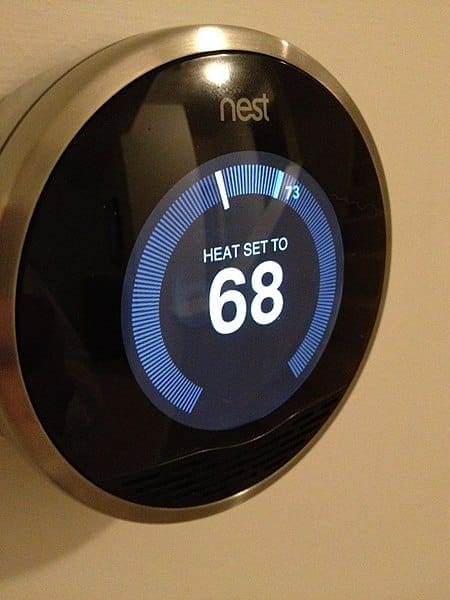
If you’re in a position to make a bigger investment, consider a programmable or smart thermostat. These devices learn your schedule and adjust heating and cooling accordingly, so you’re not paying to climate-control an empty house.
Even without a smart thermostat, simply lowering your heat by two or three degrees in winter and raising your air conditioning setting by the same amount in summer can meaningfully reduce your energy footprint.
When it’s time to replace an appliance, look for Energy Star-certified models. They’re designed to use less electricity and water without sacrificing performance.
And don’t overlook your water heater — lowering its temperature to 120°F is perfectly adequate for most households and reduces the energy needed to keep all that water hot around the clock.
2. Choose Cleaner Cleaning Supplies
The products we use to keep our homes clean often contain chemicals that are harsh on both the environment and our health.
Many conventional cleaning products are made with petroleum-based ingredients, come in single-use plastic packaging, and release volatile organic compounds into the air inside your home.
The simplest swap is to start making some of your own cleaning solutions. A mixture of white vinegar, water, and a few drops of essential oil works beautifully as an all-purpose cleaner for countertops, glass, and most hard surfaces.
Baking soda is a gentle but effective abrasive for scrubbing sinks, tubs, and stovetops. These ingredients are cheap, non-toxic, and come in minimal packaging.
If DIY isn’t your style, look for cleaning products from companies that prioritize transparency about their ingredients.
Brands that list every ingredient on their labels — not just the active ones — are generally more trustworthy.
Seek out products that are plant-based, biodegradable, and free from phosphates, chlorine, and artificial fragrances.
Many eco-friendly brands now offer concentrated formulas or refill pouches, which dramatically cut down on plastic waste compared to buying a new spray bottle every time.

For laundry, consider switching to cold water washes whenever possible.
Roughly 90% of the energy your washing machine uses goes toward heating the water, so this single change has an outsized impact.
Pair that with an eco-friendly detergent — or even laundry strips, which eliminate the plastic jug entirely — and your laundry routine becomes significantly greener.
Don’t forget about what you use to clean with, not just what you spray.
Swap out paper towels for reusable cloths or microfiber towels. Old t-shirts make excellent, lint-free cleaning cloths.
Replace disposable sponges with compostable or silicone alternatives that last much longer. These changes reduce waste and save money over time.
Check out this article on making your own environmentally friendly cleaning products at home.
3. Reduce the Amount of Water You Use
Water conservation is another important aspect of leading an eco-friendly lifestyle. Simple adjustments can significantly reduce water consumption without sacrificing comfort.
Start by installing low-flow fixtures in your bathroom and kitchen, which can reduce water flow by 30% or more.
Low-flow showerheads and faucets can drastically cut down on water usage without compromising water pressure (Trump would approve 🙄).
This change is often easy to implement and can lead to substantial savings on your water bill.
The EPA recommends WaterSense labeled products like low-flow fixtures that can save up to 600 gallons or more water for one family, which equals about 45 showers.
Utilities will often offer rebates or vouchers that lower the cost of low-flow fixtures.
According to the EPA, WaterSense labeled products are “high–performing, water–efficient fixtures that will help you reduce water use in your home and save money on water bills.” You can view or download the WaterSense fact sheet here.
Setting up a rainwater harvesting system can provide a sustainable source of water for outdoor plants, gardens, and lawns. Ensure you comply with any local regulations regarding rainwater collection.
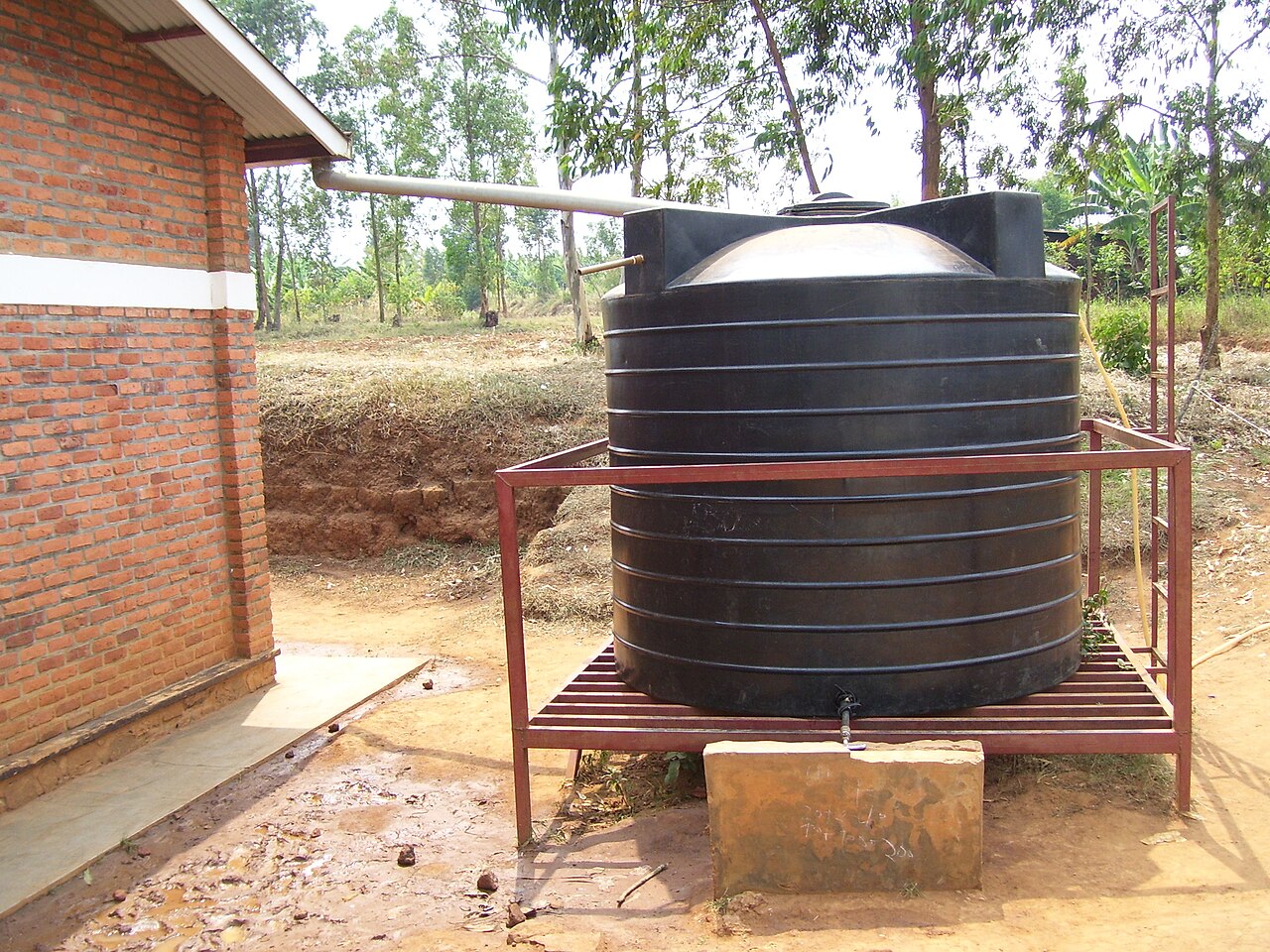
Water your plants early in the morning or late in the evening to minimize evaporation. Additionally, consider using mulch to retain moisture in the soil and reduce the frequency of watering.
4. Embrace Sustainable Gardening
Gardening can be as eco-friendly as it is rewarding.
Start by creating a compost bin for kitchen scraps and yard waste. Composting not only reduces the amount of waste sent to landfills but also enriches your garden soil, promoting plant health.
Composting is simple—just collect organic waste such as fruit peels, vegetable scraps, and yard waste. With a little patience, you’ll create nutrient-rich compost that can rejuvenate your garden.
Native plants are another excellent choice for sustainable gardening. These species are adapted to your local climate and require less water and maintenance compared to non-native plants. They also provide essential habitats for local wildlife.
Choosing native plants supports local ecosystems and requires less water and fertilizer.
These plants are more resilient to local pests and diseases, reducing the need for chemical treatments.

BONUS: If your garden is attracting local wildlife, you can have it certified by the NWF.
Instead of using chemical pesticides, consider natural alternatives or integrated pest management practices. These methods are safer for the environment and can be just as effective in controlling pests.
5. Opt for Energy-Efficient Appliances
When it’s time to replace appliances, look for Energy Star ratings. These appliances meet strict energy efficiency guidelines set by the U.S. Environmental Protection Agency and can significantly reduce energy consumption.
Consider upgrading old appliances, especially refrigerators, washers, and dryers, as newer models tend to be far more efficient.
Energy Star appliances are independently certified to save energy without sacrificing performance.
They are available for a wide range of products, from dishwashers to air conditioners.
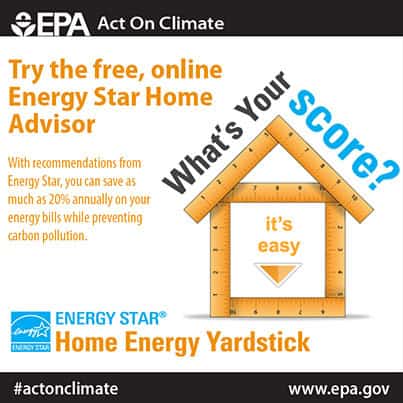
Use the @EnergyStar Home Energy yardstick from the Environmental Protection Agency (EPA) (left) to learn more about saving on energy costs with Energy Star certified appliances. Save up to 20% annually on bills and take climate action.
Regular maintenance of appliances can also improve their energy efficiency.
Clean filters, check seals, and ensure that appliances are operating optimally to prolong their lifespan and reduce energy usage.
6. Eat With the Planet in Mind
You don’t need to become a strict vegan to make your diet more sustainable, though any movement in that direction helps.
The simplest approach is to think of meat — especially beef and lamb, which have the highest carbon footprints — as an occasional feature rather than the centerpiece of every meal.
Try designating one or two days a week as plant-based days.
Explore cuisines that naturally center vegetables, beans, and grains — Indian, Ethiopian, Mexican, and Mediterranean cooking traditions all offer deeply satisfying meals that don’t rely on animal protein.
You might be surprised at how little you miss the meat when the food is flavorful and filling.

Buy local and seasonal produce when you can. Food that travels shorter distances to reach your plate generally has a smaller carbon footprint, and it tends to taste better because it was picked closer to peak ripeness.
Farmers’ markets are a wonderful resource, and many communities now have CSA (Community Supported Agriculture) programs that deliver a box of seasonal produce to your door.
Reducing food waste is another powerful lever. Plan your meals for the week before you shop, store food properly to extend its life, and get creative with leftovers.
Composting whatever scraps remain keeps organic matter out of landfills, where it would otherwise decompose anaerobically and produce methane — a greenhouse gas far more potent than carbon dioxide in the short term.
7. Rethink Your Relationship With Stuff
Consumer culture encourages us to buy new things constantly, but every product we purchase carries an environmental cost — the resources extracted, the energy used in manufacturing, the emissions from shipping, and the waste generated when we’re done with it.
Before buying something new, pause and ask yourself whether you truly need it or whether you’re responding to habit, boredom, or marketing.
When you do need something, check whether you can find it secondhand first. Thrift stores, online resale platforms, and community buy-nothing groups are treasure troves of perfectly good items that don’t require any new resources to produce.
When you do buy new, invest in quality over quantity. A well-made item that lasts ten years is far more sustainable than a cheap alternative you’ll replace three times in the same period, even if the upfront cost is higher. This applies to everything from clothing to cookware to furniture.
And when something breaks, try to repair it before replacing it.
The repair movement is growing, with community repair cafés popping up in cities around the world, YouTube tutorials for fixing almost anything, and a growing number of companies designing products to be repairable rather than disposable.
8. Travel and Transportation
Transportation is one of the largest sources of individual carbon emissions, and even small shifts can matter. If your commute allows it, try biking, walking, or taking public transit even a few days a week. Carpooling is another option that cuts emissions while splitting gas costs.
If you drive, keep your car well-maintained — properly inflated tires, clean air filters, and regular tune-ups all improve fuel efficiency.
And when it’s time for a new vehicle, seriously consider an electric or hybrid option. The charging infrastructure is expanding rapidly, and the total cost of ownership for electric vehicles is increasingly competitive with gas-powered cars.
For longer distances, consider whether a train could replace a short-haul flight. Trains produce a fraction of the emissions per passenger mile, and they often get you closer to city centers, eliminating the need for a rental car on the other end.
Biking or walking short distances not only helps you stay fit, but it’s also an excellent way to reduce your carbon footprint. Many cities have bike-sharing programs that make it easy to get around without a car.

If you live in or near a larger city, see if there is a bike-sharing option available. If so, use it! It’s good for the environment, great for your health, and fun.

Bikeshare prices have recently increased due to a lack of local government funding and extra costs incurred by owners for ebikes. A typical Bikeshare rental in the state of Pennsylania is $4.50 for a 30 minute trip, with an additional .$30 a minute for ebikes.
9. Mindful Waste Management
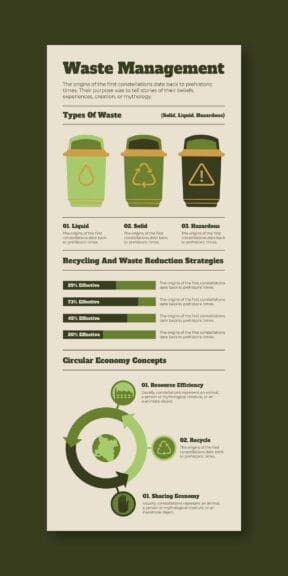
Effective waste management plays an important part in the process of making your home more eco-friendly. Start by implementing a recycling program at home, ensuring that recyclable materials like paper, glass, and plastics are sorted properly. Many communities offer curbside recycling services, making it easy to participate.
Educate yourself about what materials can be recycled in your area. Set up designated bins for paper, plastic, glass, and metals in your home to encourage proper sorting.
In our article about teaching children to love and care for the planet, one of our suggestions was to make a game out of taking out the recycling for younger children.
Have the bins set up and create different races or contests that have them separating the recycling and putting each object in its proper bin.
Turn a mundane chore into something fun while teaching your kids how to care for the planet.
Consider alternatives to single-use plastics, such as glass or stainless steel containers for food storage and reusable straws and cutlery. These small changes can significantly reduce the amount of plastic waste you produce.
Instead of throwing away items you no longer need, consider donating them to local charities or thrift stores. This not only keeps items out of landfills but also helps others in your community.
Community Aid, Goodwill, and Salvation Army are charities that serve local communities by selling donated items at low prices. You can donate clothing, books, home decor, electronics, jewelry, and just about any household item to these organizations.
Call or visit the charity’s website to find out more about their donation policies and drop-off locations. Some will have bins placed in the parking lot of local businesses to collect donated items from people in the community.
10. Incorporate Eco-Friendly Decor
When it comes to home decor, choosing eco-friendly options can make a significant difference. Look for products made from recycled or reclaimed materials, which reduces the demand for new resources.
Also, consider shopping secondhand for furniture and items to decorate your home—this not only saves money but also reduces waste.
Natural fabrics like organic cotton, hemp, and linen are excellent choices for curtains, cushions, and upholstery. These materials are often produced without harmful chemicals and are more eco-friendly than synthetic options.
Furniture and decor made from recycled materials can add character to your home while supporting sustainability. Look for items made from reclaimed wood, recycled glass, or metal.
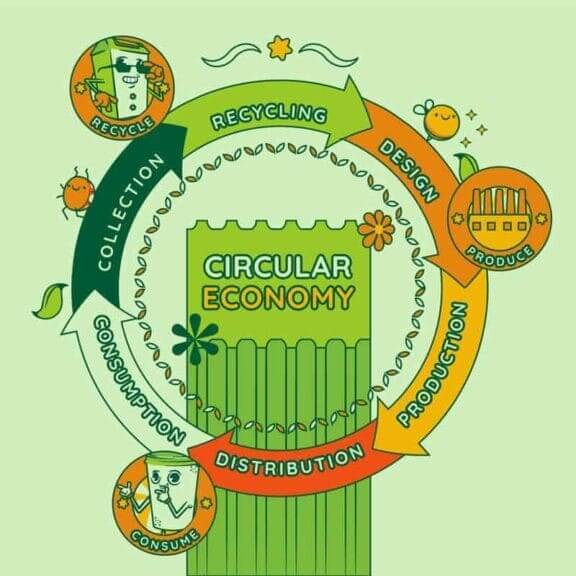
Thrift stores and online marketplaces can be treasure troves for unique, eco-friendly decor. By purchasing secondhand items, you reduce demand for new products and contribute to a circular economy.
You may get lucky and find name-brand sneakers or clothing for just a few bucks (Sometimes the volunteers that staff these stores aren’t aware of certain brand names and the value attached to them, so they are labeled with the same price as every other item in the category).
Opt for home textiles made from natural materials, which are biodegradable and typically produced without harmful chemicals. This choice enhances indoor air quality and minimizes environmental impact.
Share Your Eco-Friendly Journey
Documenting your journey toward a greener lifestyle can encourage others to take action.
Share your successes and challenges online, as personal stories can resonate and motivate others. If you’re interested in sharing your journey with the Resist Hate audience, you can submit it here for review.
Contributor content is always welcomed here. (See our contributor guidelines for more information.)
Lead by example and encourage those close to you to join in on eco-friendly practices. A supportive network can make the transition to a more sustainable lifestyle easier and more enjoyable.
Organizing workshops on topics like composting or sustainable cooking can educate your community and inspire collective action. Consider partnering with local organizations to reach a broader audience.
The Power of Imperfect Action
Here’s the most important thing to remember: you don’t have to do all of this at once, and you don’t have to do any of it perfectly. The goal isn’t purity — it’s progress.
Every reusable bag you bring to the store, every load of laundry you wash in cold water, every meal you build around plants instead of meat — it all counts.
Eco-anxiety is real, and it can be paralyzing. But taking even one small step tends to create momentum.
You feel better, so you try another change, and then another. Before long, these choices stop feeling like sacrifices and start feeling like second nature.
The planet doesn’t need a handful of people living perfectly zero-waste lives. It needs millions of people making imperfect but consistent efforts to live a little lighter on the Earth.
You’re already one of them just by reading this far and thinking about what you can change. Trust that it matters — because it does.
FAQs
What are some easy ways to reduce energy consumption at home?
Switch to LED light bulbs, unplug devices when not in use, and invest in smart thermostats. These actions can significantly reduce your energy consumption.
How can I make cleaning more eco-friendly?
Opt for eco-friendly cleaning products, make your own cleaners using natural ingredients, and use reusable cleaning cloths instead of disposable ones.
What are some water-saving tips for the home?
Install low-flow fixtures, collect rainwater for watering plants, and be mindful of your watering schedule to reduce water usage.
How can I start a sustainable garden?
Begin by composting kitchen scraps, planting native species, and avoiding chemical pesticides to create a sustainable garden.
What are some benefits of supporting local businesses?
Supporting local businesses helps reduce transportation emissions, boosts the local economy, and often provides fresher, higher-quality products.