


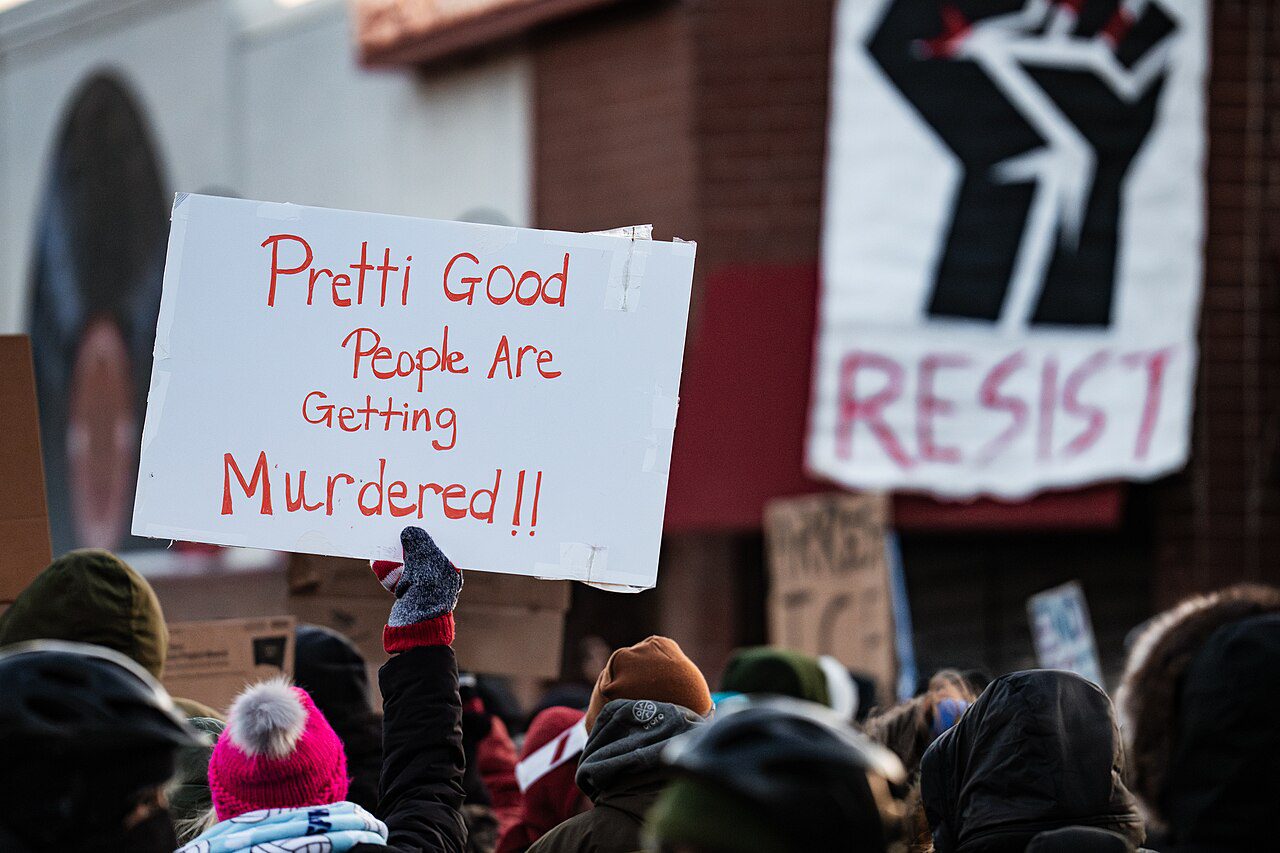
This story first appeared on Truthout.org.
Renée Good and Alex Pretti were shot and killed by federal immigration officers. Strip away the spin, and that’s the reality: two American citizens are dead after encounters with armed agents whose authority—and accountability—are now under intense scrutiny.
What happened to them raises a deeper, more uncomfortable question: what does due process actually mean if it can be bypassed in seconds?
Renee Good and Alex Pretti never stood trial. No jury. No defense. No verdict. Yet both ended up dead in encounters tied to federal immigration operations in Minneapolis—operations that have already sparked national outrage and ongoing investigations.
And while officials argue over whether the federal government is going to hand over evidence needed for Minnesota’s investigations (the only responsible, moral, and just players in this mass deportation drama, families are left with something much simpler: loss, grief, and the demand for answers.
The federal response has only added fuel to the fire and pain in the hearts of Minneapolis residents. State officials have pushed for investigations, while federal agencies resist sharing information, creating a standoff that is as unprecedented as it is cruel.
That tension tells its own story. When accountability becomes a jurisdictional tug-of-war, trust erodes fast.
Even if consequences come, there’s a lingering question hanging in the air: would they stick? In today’s political climate, the possibility of federal protection—or even pardon—shadows the entire process. That uncertainty alone is enough to shake public confidence.
At the center of all this are two families who don’t care about political narratives or legal loopholes. They want accountability. They want closure.
Minnesota is trying to give them both.
The federal government, so far, is not.
The state of Minnesota has filed a lawsuit against the Trump administration, seeking to obtain withheld evidence that could be used to prosecute Department of Homeland Security (DHS) agents who committed three separate shootings — two of them (Renee Good and Alex Pretti) fatal — during their brutal immigration crackdown in the Twin Cities earlier this year.
The lawsuit, filed in the U.S. District Court for the District of Columbia, seeks materials held by federal investigators (but kept from the state) related to federal agents shooting and killing Minneapolis residents Renee Good and Alex Pretti. It also seeks evidence related to the shooting of Julio Cesar Sosa-Celis, who was shot in the leg by a federal agent in Minneapolis and survived.
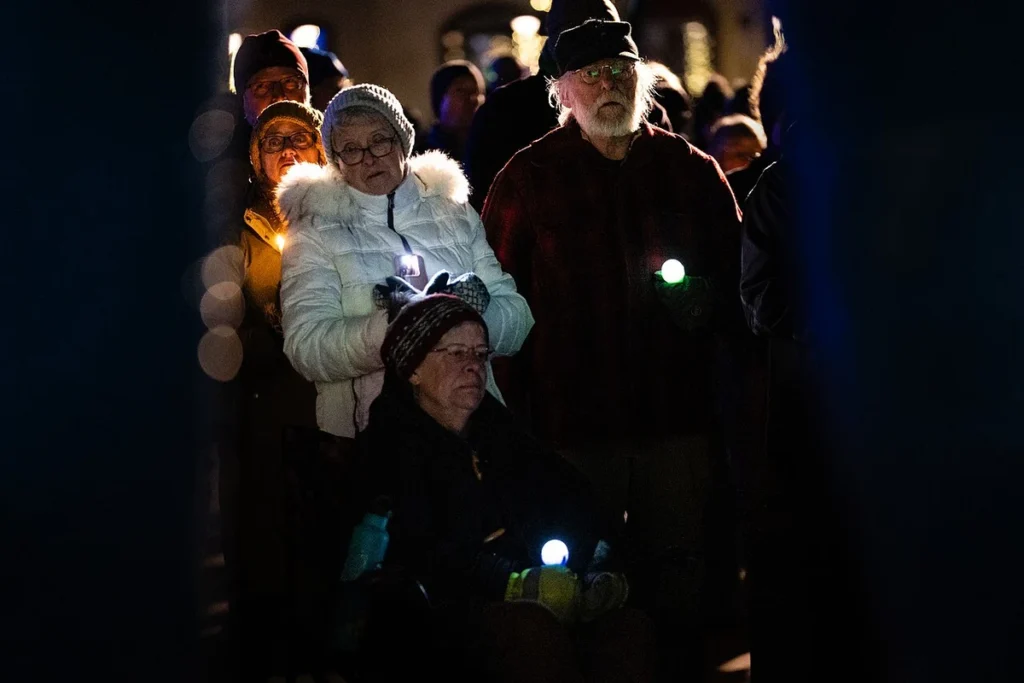
Within the lawsuit, Minnesota authorities note that state investigators arrived immediately at the scenes of two of the shootings (Good’s and Sosa-Celis’s), and were informed by federal agents that “they would work with Minnesota authorities and share relevant information.”
However, in both cases, “federal agents quickly reneged on their pledges to cooperate,” the state wrote in its suit.
“Instead of sharing information, federal authorities took exclusive possession of evidence that had been collected, and they denied Minnesota investigators access to key information,” the lawsuit states.
In Pretti’s case, federal agents blocked responding investigators from beginning their own inquiry into his killing.
“That physical obstruction persisted even after state officials obtained a judicial warrant authorizing access to the scene,” the lawsuit states.
“As with the previous two shootings, federal authorities took exclusive control of evidence and refused state and local authorities access to even the most basic information related to the incident — such as the identities of the involved officers.”
The administration’s refusal “to share evidence here did not arise from any case-specific investigative need,” the lawsuit notes. “Instead, the breakdown in cooperation followed intervention by senior federal officials who directed that evidence would not be shared with Minnesota authorities, reflecting a broader policy or practice not to share evidence with Minnesota in Operation Metro Surge use-of-force investigations.”
The plaintiffs, who noted a long history of cooperation between state and federal investigators, added:
Principles of federalism do not permit the federal government to withhold investigative evidence for the purpose of shielding law enforcement officers from scrutiny where a State is investigating serious potential violations of its criminal laws, targeting its citizens, within its borders.
The lawsuit also points out that the three shootings were just a few examples of agents terrorizing and endangering Minnesota residents during their mass deportation raids, writing that “federal agents also carried out illegal stops, sweeps, arrests, and dangerous raids in sensitive public spaces.”
“The Surge created widespread fear among Minnesota residents, both citizens and noncitizens. It caused hundreds of millions of dollars in economic harm. And it flooded Minnesota’s federal courts with lawsuits challenging the unlawful detentions that resulted from the operation,” the lawsuit says.
The state seeks to force federal agencies to share the evidence they are withholding.
Polling in the aftermath of these shootings shows that most Americans are highly skeptical that federal agencies within the Trump administration should handle the investigations alone.
In a CNN/SSRS poll in January, for example, 62 percent of Americans said that if an inquiry into Good’s killing was conducted solely by the feds, they would trust its findings “some” amount or “not at all.”
And a Quinnipiac University poll found that 80 percent of respondents said there should be an independent investigation into Pretti’s killing.