

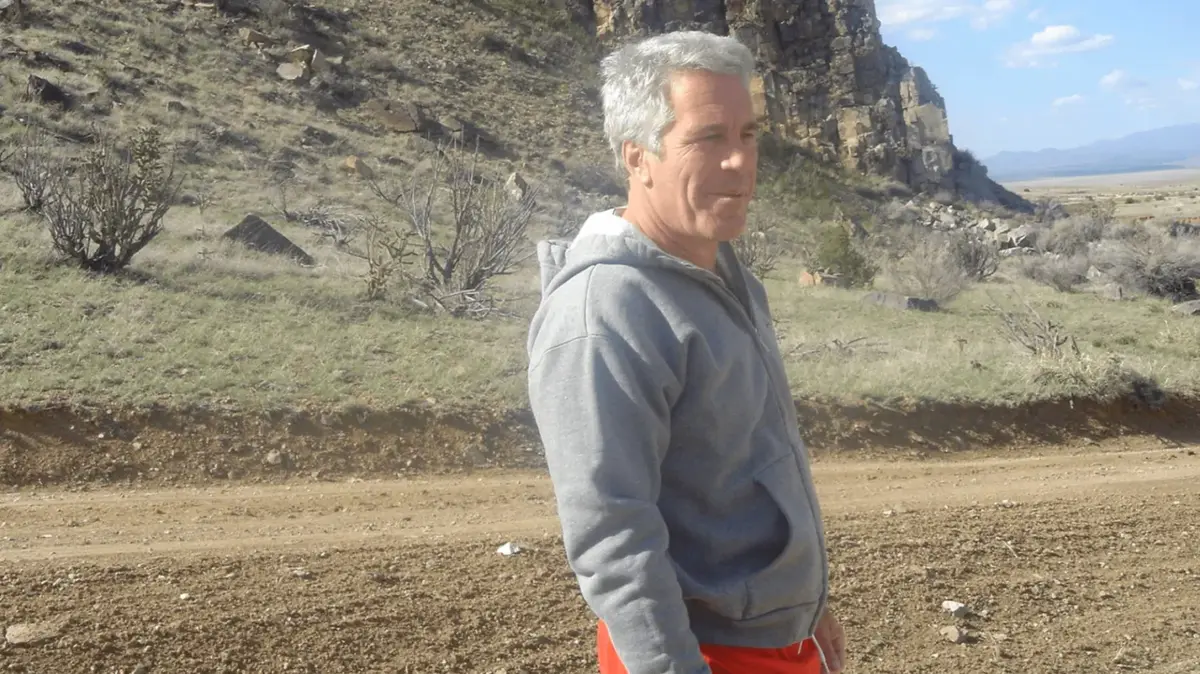
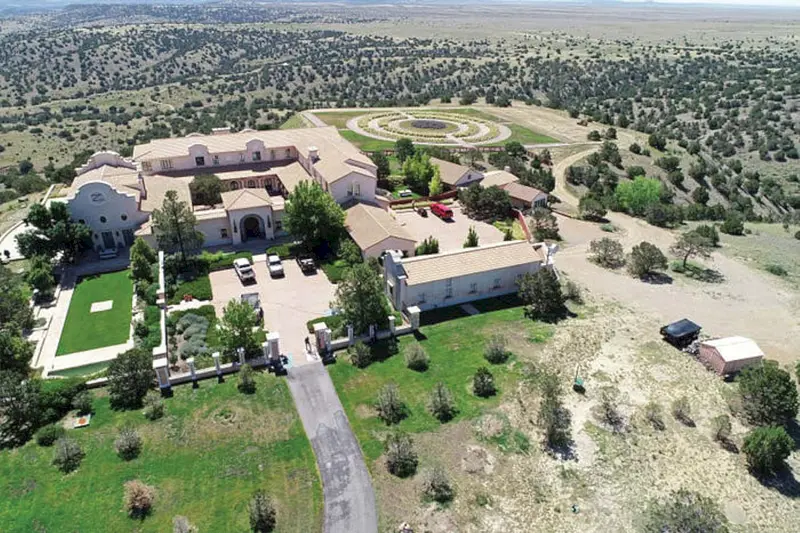
For nearly three decades, Jeffrey Epstein’s 7,600-acre Zorro Ranch sat in the high desert south of Santa Fe, untouched by criminal investigators.
At least 10 women and girls have alleged they were groomed or sexually abused there. Flight records placed powerful people on the property.
A former ranch manager told the FBI that Epstein flew in guests and so-called masseuses. None of it was enough to trigger a full search — until now.
On March 9, New Mexico investigators walked onto the property with cadaver dogs, shovels, and a mandate from Attorney General Raúl Torrez to find out what happened at the ranch and what might still be buried in the surrounding hills.
A Search Decades Overdue
The New Mexico Department of Justice, assisted by state police and the Sandoval County Fire and Rescue K-9 team, launched the search as part of a criminal investigation announced on February 19.
The probe was reopened after the release of millions of pages of previously sealed FBI files under the Epstein Files Transparency Act revealed that federal investigators had apparently never searched the property — not partially, not at all — despite years of civil lawsuits alleging abuse there.
That fact alone is staggering. Federal investigators searched Epstein’s properties in Manhattan and the U.S. Virgin Islands. They never set foot on Zorro Ranch.
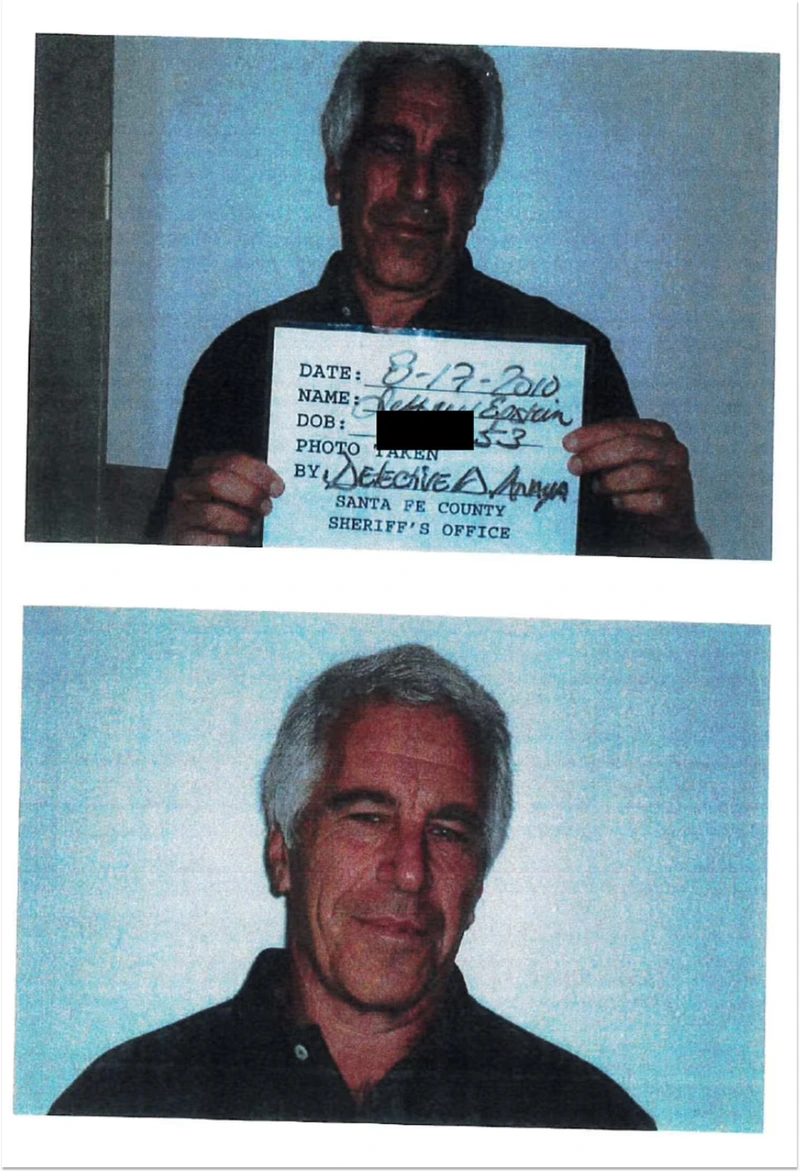
New Mexico had started its own investigation in 2019, interviewing possible victims who visited the property. Then federal prosecutors in New York asked the state to stand down. The state complied. The investigation went cold.
What the Files Revealed
The renewed push traces directly to a 2019 email that sat buried in federal files for six years before being released in late January.
Sent to a local radio host by someone claiming to be a former Zorro Ranch employee, the message alleged that two foreign girls died during violent sexual encounters and were buried in the hills surrounding the property on orders from Epstein and Ghislaine Maxwell.
The tip is unverified. But it is one of several allegations in the newly released files that connect the ranch to trafficking and abuse.
Another former employee reportedly offered seven videos of Epstein abusing minors at the ranch in exchange for payment.
These allegations sat in government hands for years. They were not acted on. They were not publicly disclosed. They emerged only because Congress forced the DOJ to release the files.
The Ranch’s History
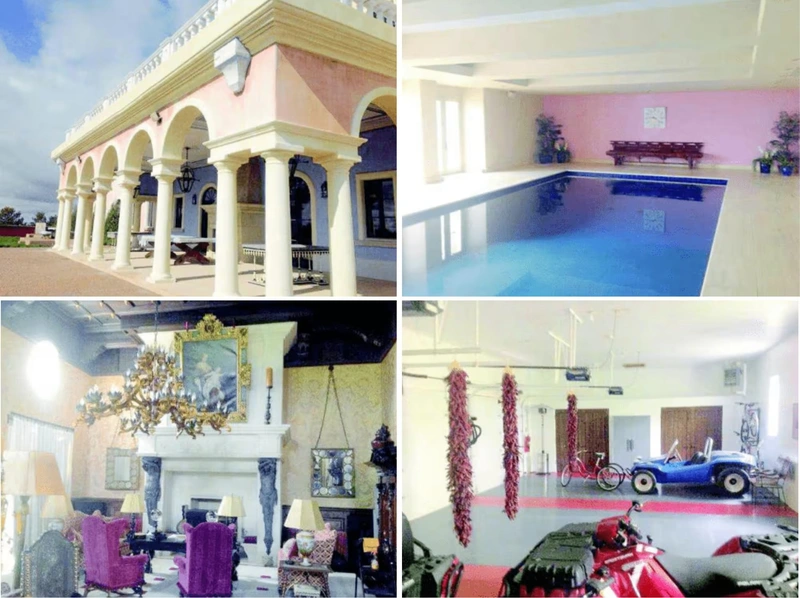
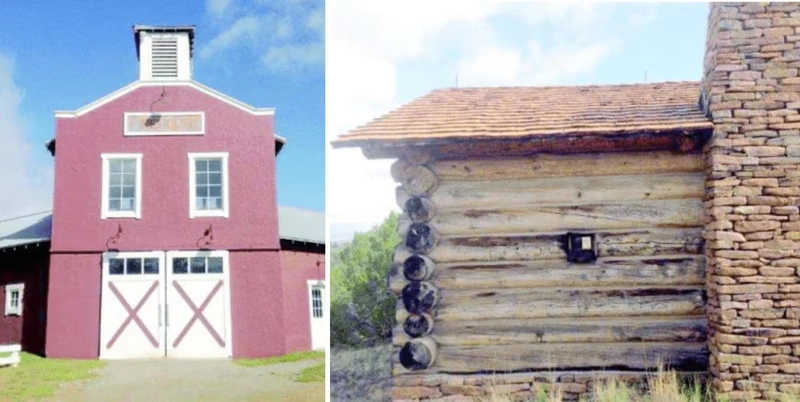
Epstein purchased Zorro Ranch in 1993 from former New Mexico Governor Bruce King for roughly $12 million. He transformed it into a compound with a mansion exceeding 26,000 square feet, a private airstrip, a helicopter pad, and an airplane hangar — infrastructure that allowed discreet access far from public view.
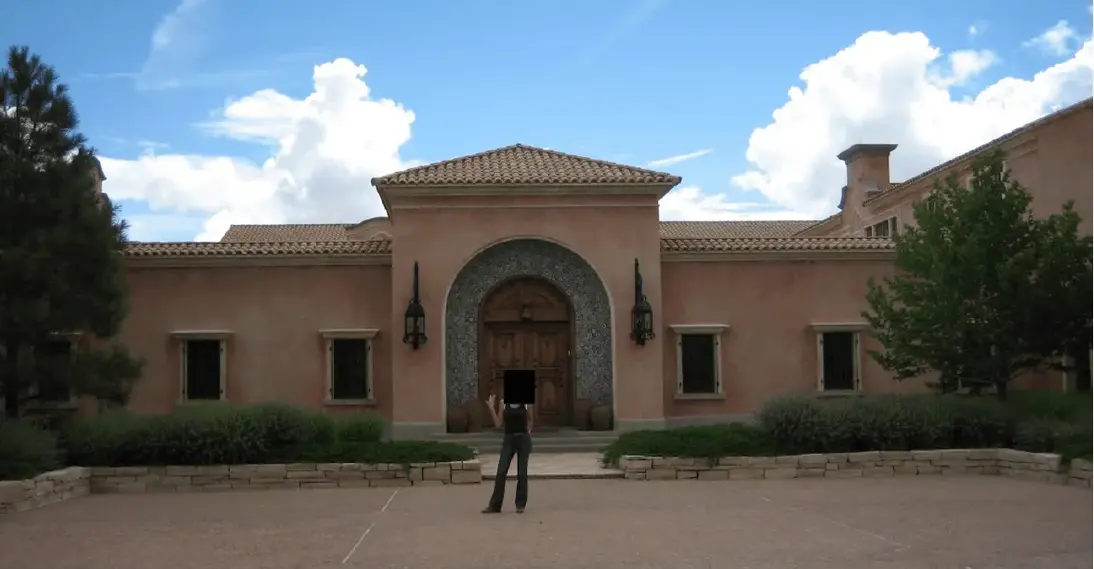
At Ghislaine Maxwell’s trial, Annie Farmer testified that she was assaulted at the ranch as a teenager in the 1990s and that Maxwell gave her a nude massage there. Other survivors have described a pattern in which Epstein lured young women to the remote property under the pretense of career mentorship, showered them with attention and cash, then exploited them.
Epstein was never charged for anything that happened in New Mexico. He died in a Manhattan jail cell in 2019 while awaiting trial on federal sex trafficking charges. The FBI has said he victimized more than 1,000 people.
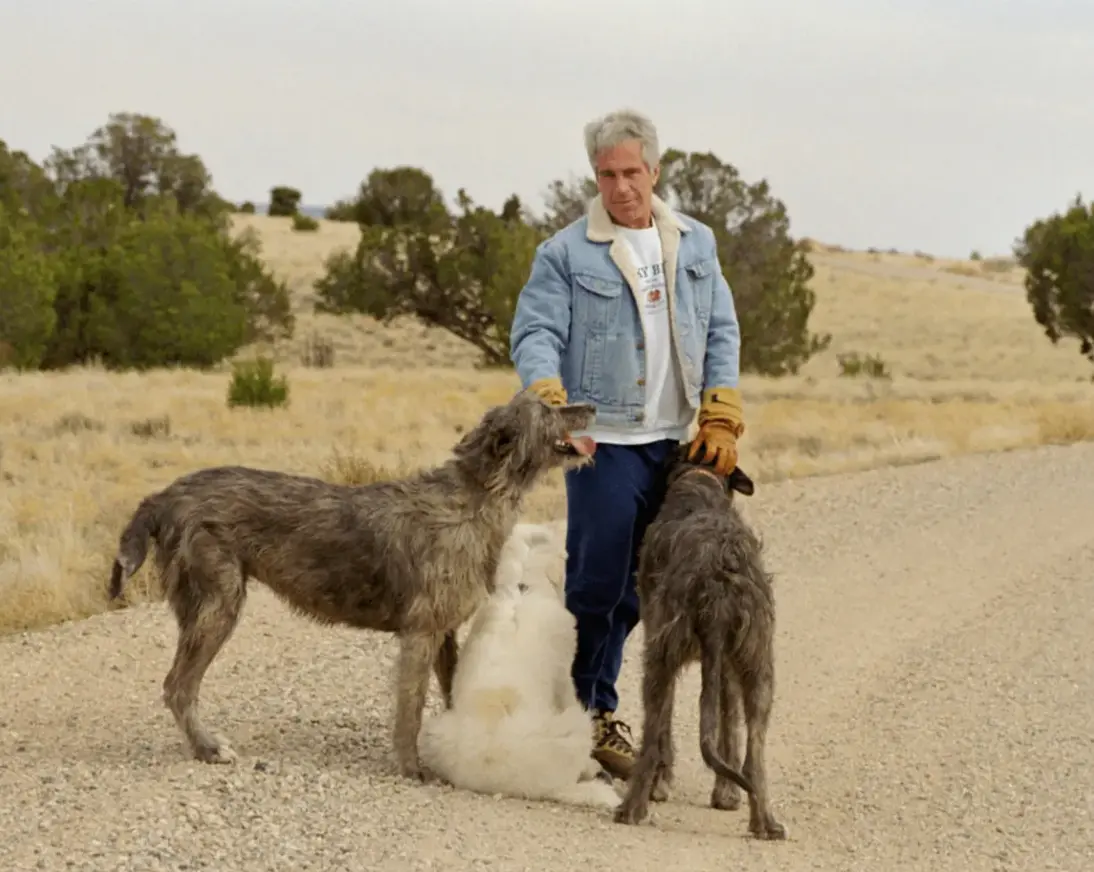
His estate sold the ranch in 2023 for approximately $12 million through a shell LLC to the family of Don Huffines, a Texas businessman and former state senator who won the Republican primary for Texas state comptroller last week.
Huffines renamed the property San Rafael Ranch and announced plans to convert it into a Christian retreat. His family says they are cooperating fully with investigators.
A State Steps Up Where the Feds Failed
New Mexico is now doing what the federal government apparently never did. Attorney General Torrez has pledged to follow the facts wherever they lead.
The state House of Representatives voted to create a bipartisan Truth Commission with subpoena power to investigate allegations tied to the ranch, examine why the 2019 state probe was shut down, and determine whether public corruption played a role in shielding Epstein’s New Mexico operations.
State Rep. Andrea Romero, who co-sponsored the Truth Commission legislation, said Epstein was essentially doing whatever he wanted in the state without any accountability.
The commission plans to share its findings by mid-2026.
What Happens Now
No confirmed discoveries have been announced from the search. Investigators have not said exactly what areas of the property they are examining or how long the operation will take. The DOJ statement urged the public to stay away from the area and ground drone activity to avoid interference.
But the deeper question is not just what investigators find today. It is what was lost during the years this property sat unexamined. Time degrades evidence. Ownership changes. Workers scatter. Memories fade. A ranch that might have told a clearer story in 2019 may not be able to tell the same story in 2026.
That gap — between what was known and what was done about it — is its own scandal. Survivors who tried to sound alarms for years are watching investigators finally arrive at a place they pointed to long ago.
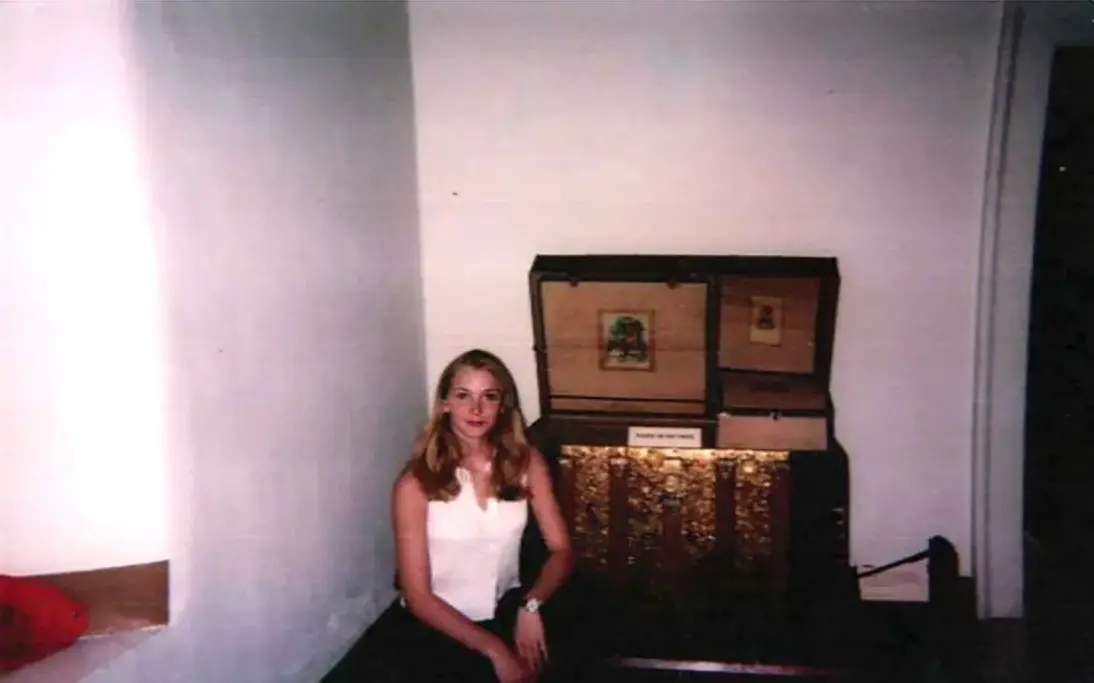
For them, the search is not a fresh beginning. It is a belated acknowledgment that something should have happened here a very long time ago.