
The Mueller Report remains one of the most consequential — and most deliberately misunderstood — federal investigations in American history.
Released in redacted form on April 18, 2019, the 448-page document laid out in painstaking detail:
- How Russia waged a coordinated assault on the 2016 presidential election
- How the Trump campaign welcomed and benefited from that assault
- How Donald Trump then worked repeatedly to shut down the investigation into what happened.
Read the full report
Mueller report volume 1 | Mueller report volume 2
Despite all of that, Trump was never charged.
Not because he was innocent. Because a Justice Department policy said a sitting president couldn’t be indicted.
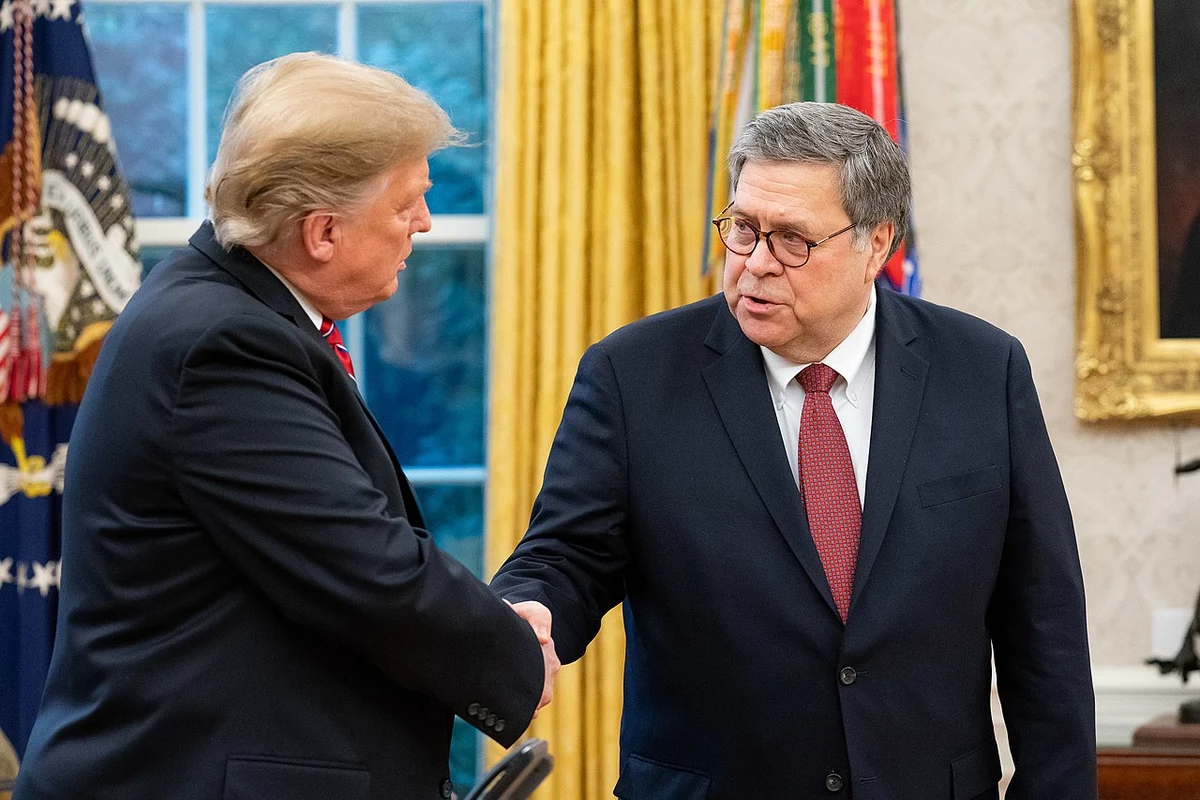
That distinction matters — and it’s one that Trump, his allies, and his hand-picked Attorney General William Barr worked overtime to erase from public understanding.
What Russia Actually Did
Special Counsel Robert Mueller’s investigation established that Russian interference in the 2016 election was not some peripheral nuisance or partisan talking point.
It was, in Mueller’s own words, carried out in “sweeping and systematic fashion.”
The operation had two main prongs.
The disinformation campaign. Beginning as early as 2014, a Kremlin-linked organization called the Internet Research Agency — operating out of St. Petersburg — launched an elaborate social media warfare operation targeting American voters.
Russian operatives traveled to the United States on intelligence-gathering trips, then used what they learned to create fake American personas across Facebook, Twitter, Instagram, and other platforms.
They built fake grassroots pages, organized real political rallies on U.S. soil, created hashtags like #KidsForTrump, and bought thousands of online ads — all designed to boost Trump’s candidacy and sow division among American voters.
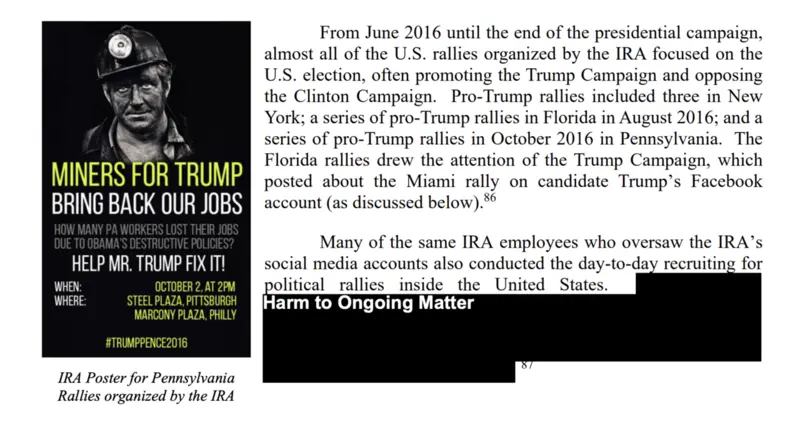
(US Department of Justice)
By the end of the 2016 cycle, this content had reached an estimated 126 million people on Facebook alone.
Real Trump campaign figures — including Donald Trump Jr. and Kellyanne Conway — engaged with and amplified this Russian-produced content.
The hacking operation. Russian military intelligence officers from the GRU carried out cyberattacks against the Democratic National Committee, the Democratic Congressional Campaign Committee, and Hillary Clinton’s campaign chairman John Podesta.
They compromised dozens of computers, stole tens of thousands of emails and internal documents, and then laundered the stolen material through Russian-created online fronts and WikiLeaks.
The timing was surgical: WikiLeaks released more than 20,000 stolen emails three days before the Democratic National Convention, in what Mueller described as a clear effort to damage Clinton’s candidacy.
In July 2016, WikiLeaks had privately messaged Russian operatives on Twitter requesting any Clinton-related material. Mueller also documented that within five hours of Trump publicly calling on Russia to find Clinton’s missing emails — a statement Trump later called a joke — Russian hackers targeted Clinton’s personal office for the first time.
Trump calls on Russia to find Clinton’s emails

Russia also targeted U.S. election infrastructure directly, attacking technology firms that manufacture election software and breaching government systems in multiple states.
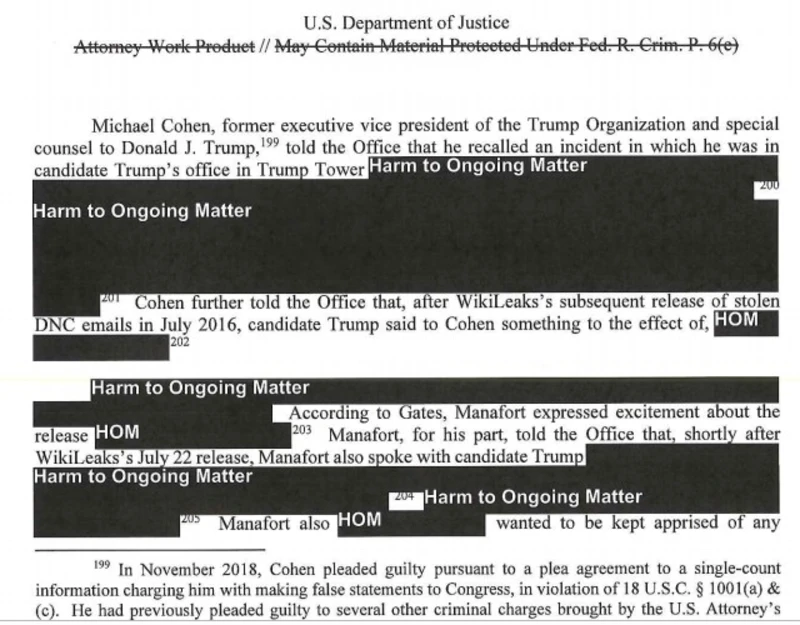
The full extent of that penetration remains unclear, with portions of the report still redacted due to ongoing investigations at the time of release.
What Mueller Found About the Trump Campaign
Mueller’s investigation did not establish that members of the Trump campaign entered into a formal criminal conspiracy with the Russian government.
That finding — reduced to the misleading shorthand “no collusion” — became the centerpiece of Trump’s victory lap.
But the full picture Mueller painted was far more damning than that soundbite.
The investigation established that the Russian government believed a Trump presidency would serve its interests and actively worked to make it happen — and that the Trump campaign expected to benefit from Russia’s stolen material.
Mueller documented multiple points of contact between Trump campaign officials and Russian operatives or intermediaries.
Campaign adviser George Papadopoulos learned that Russia had “dirt” on Clinton in the form of stolen emails.
Donald Trump Jr., Paul Manafort, and Jared Kushner attended a meeting at Trump Tower with a Russian lawyer who promised damaging information on Clinton.
“If my office could have cleared the president, it would have said so — and it couldn’t.”
Mueller report
Campaign chairman Manafort shared internal polling data with a Russian associate linked to intelligence services.
None of these contacts were reported to law enforcement — not during the campaign, and not during the presidential transition — despite Trump receiving an intelligence briefing in August 2016 explicitly warning him that Russia was trying to interfere.
Instead, multiple Trump associates lied about what happened. Papadopoulos, Michael Flynn, Michael Cohen, and Rick Gates all pleaded guilty to making false statements to federal investigators or Congress about their Russian contacts.
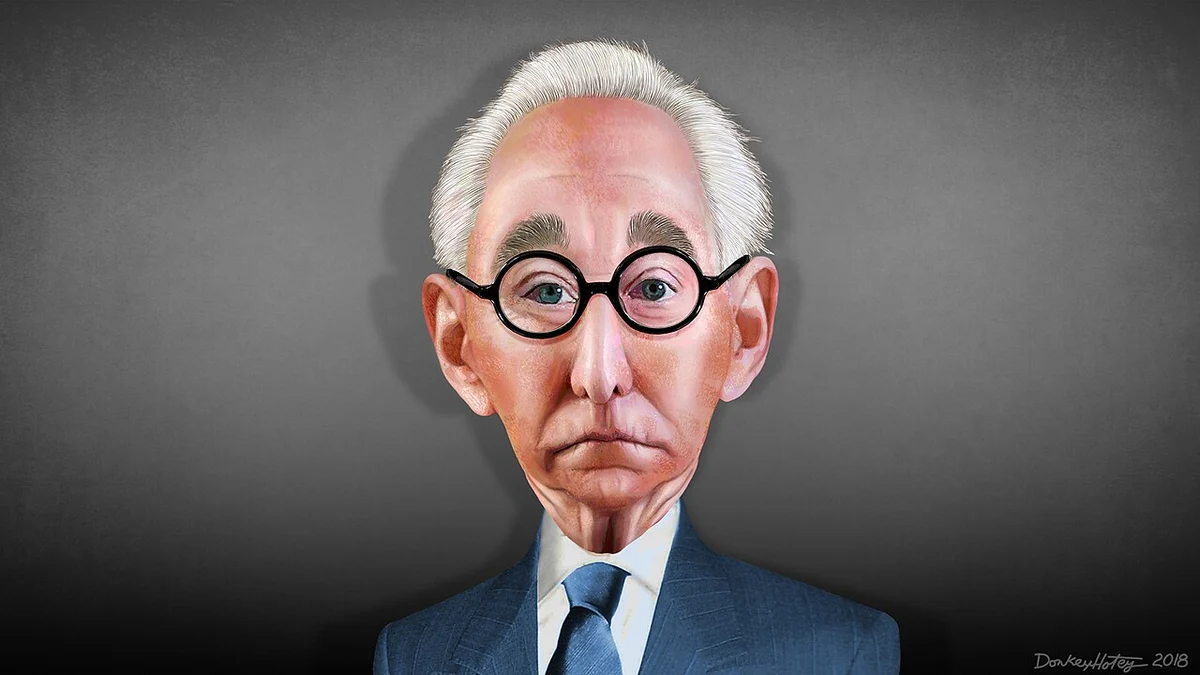
Roger Stone was convicted on seven counts including obstruction and witness tampering.
Mueller made clear that investigators worked with an incomplete picture. Communications had been encrypted, deleted, or never saved.
Testimony was false, incomplete, or refused entirely.
The investigation produced 37 indictments and seven guilty pleas or convictions — but Mueller acknowledged that the full truth about coordination may never be known precisely because so many people lied or destroyed evidence.
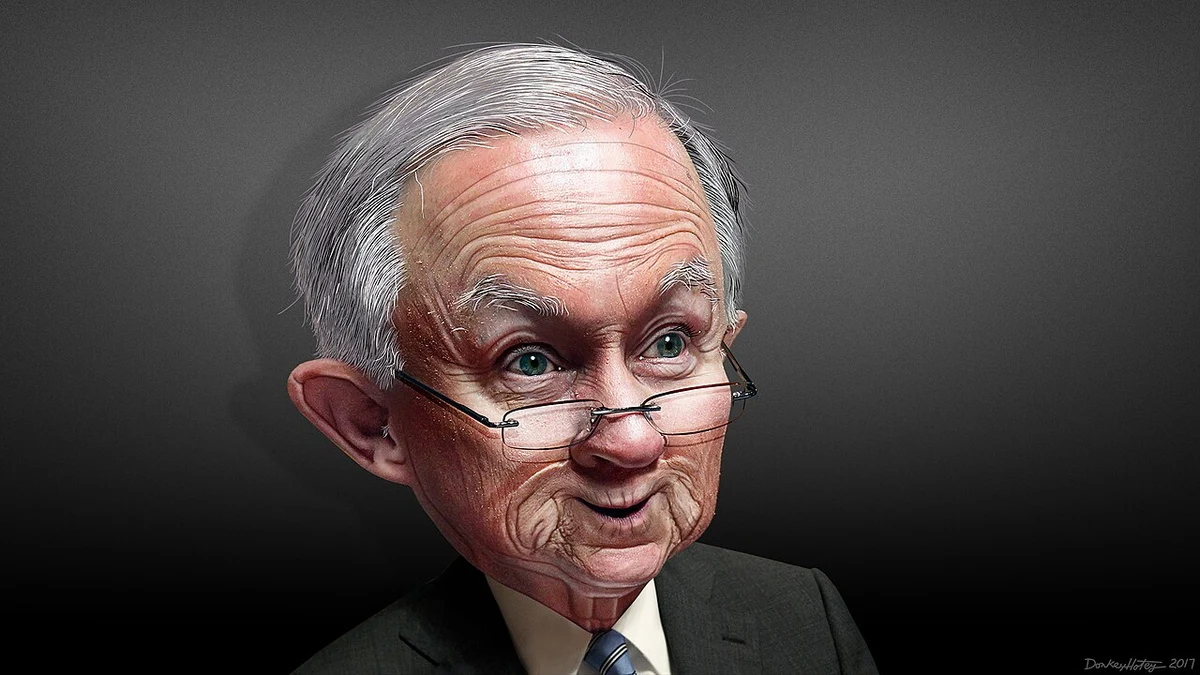
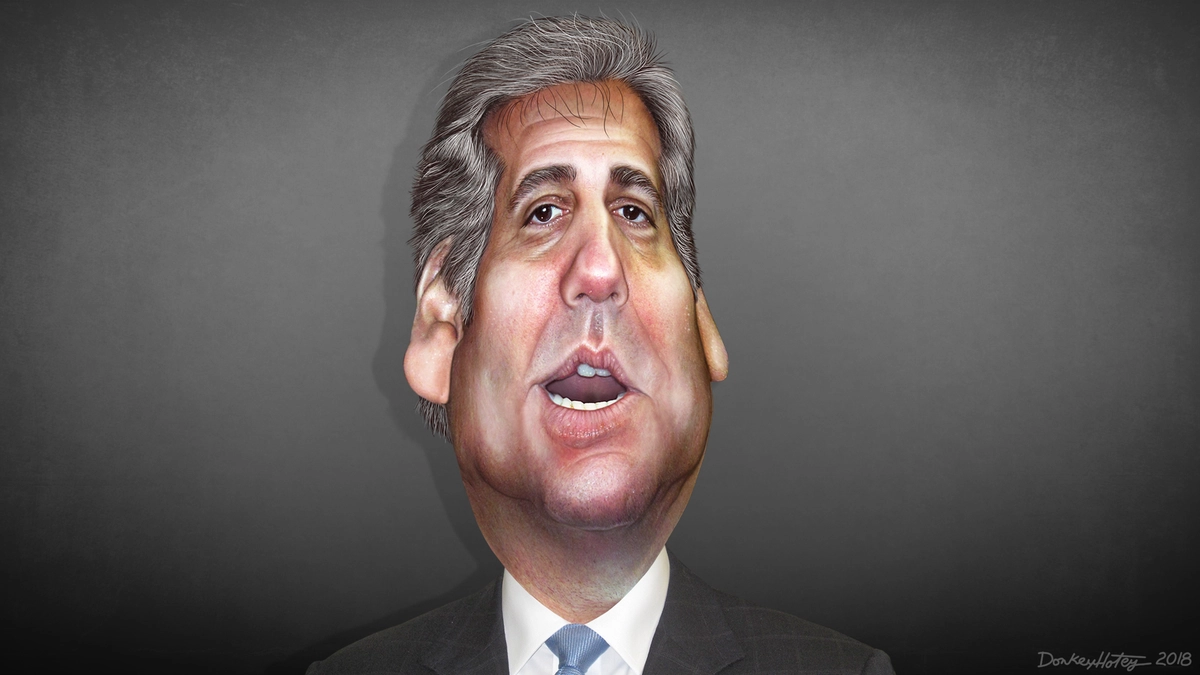
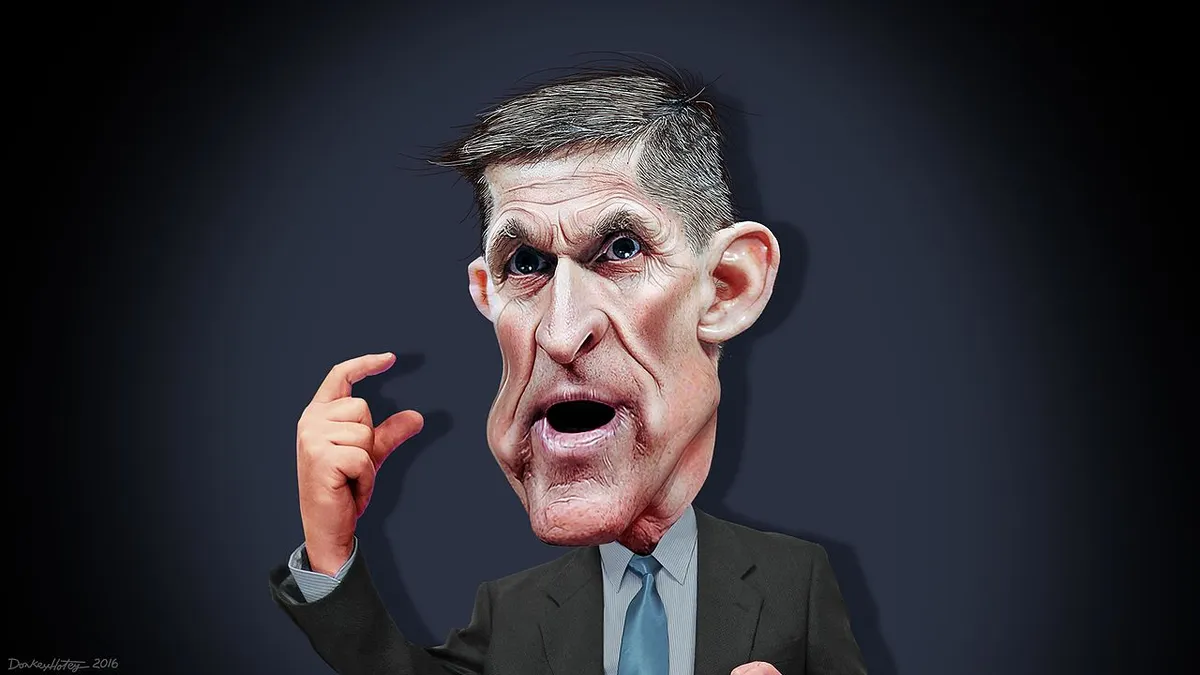
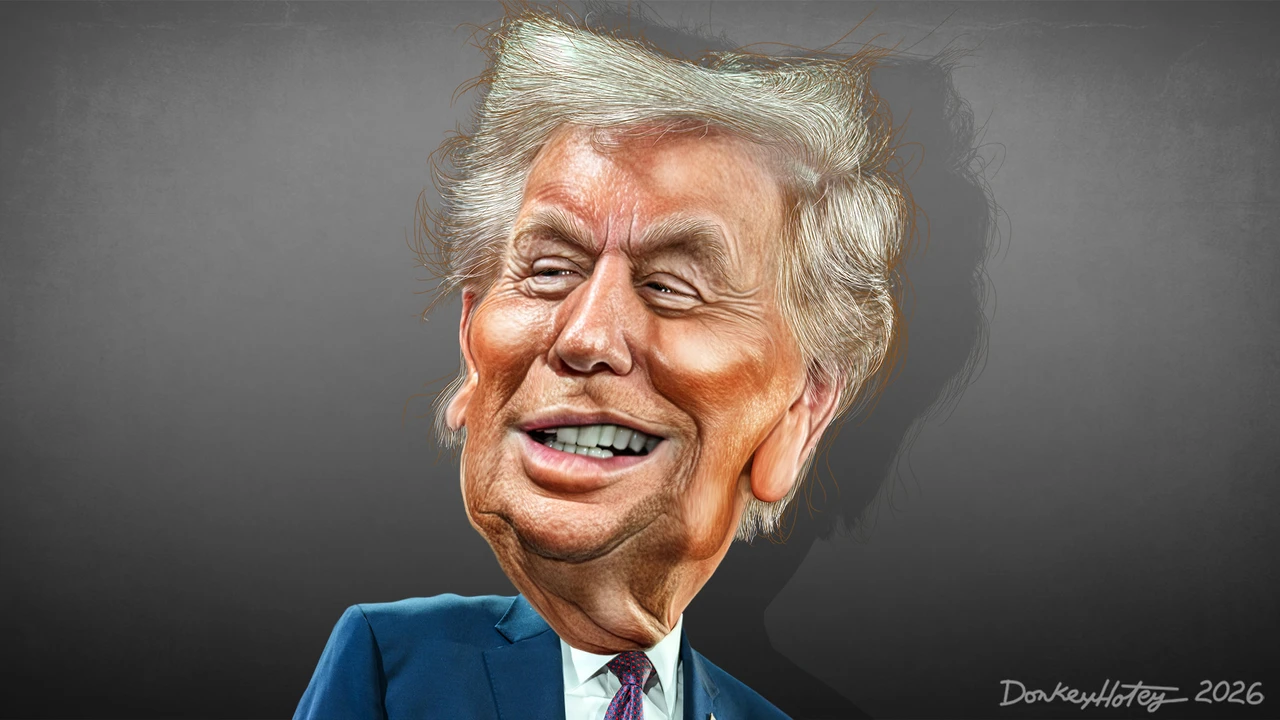
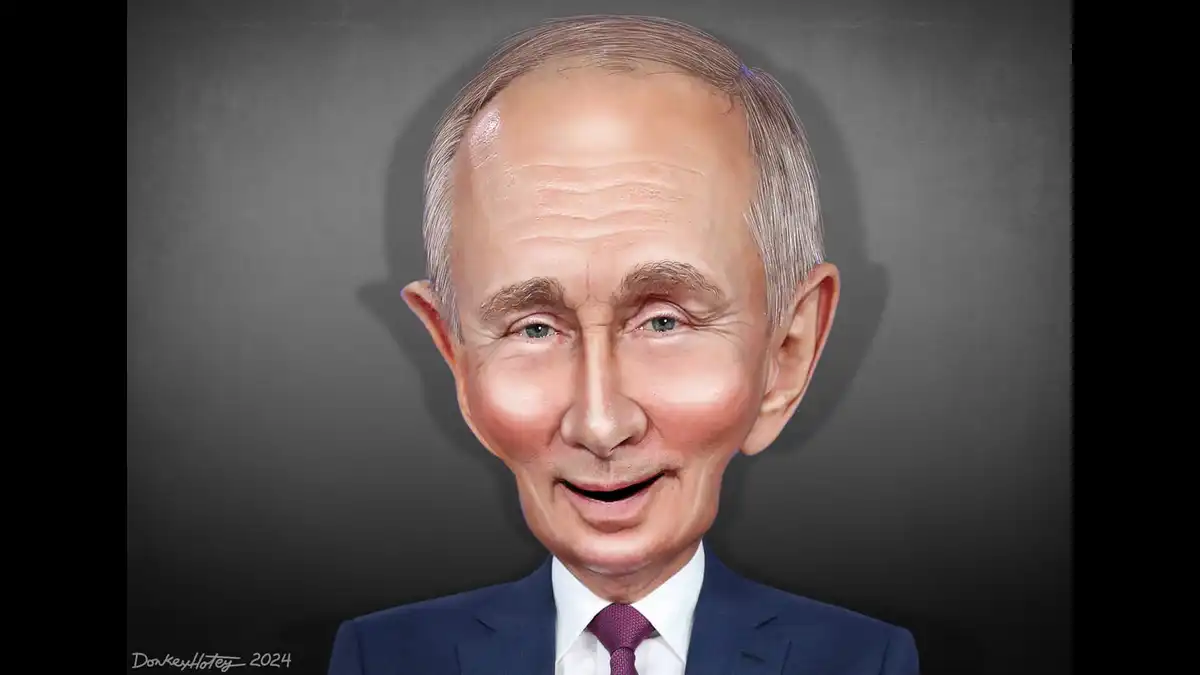
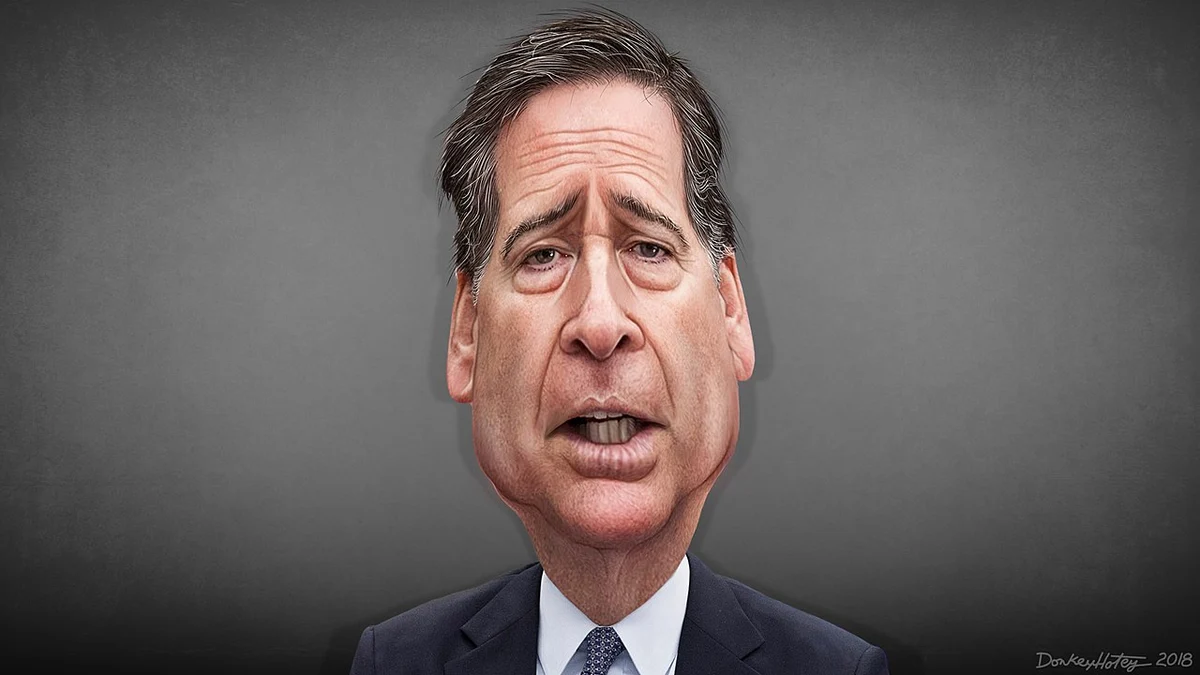
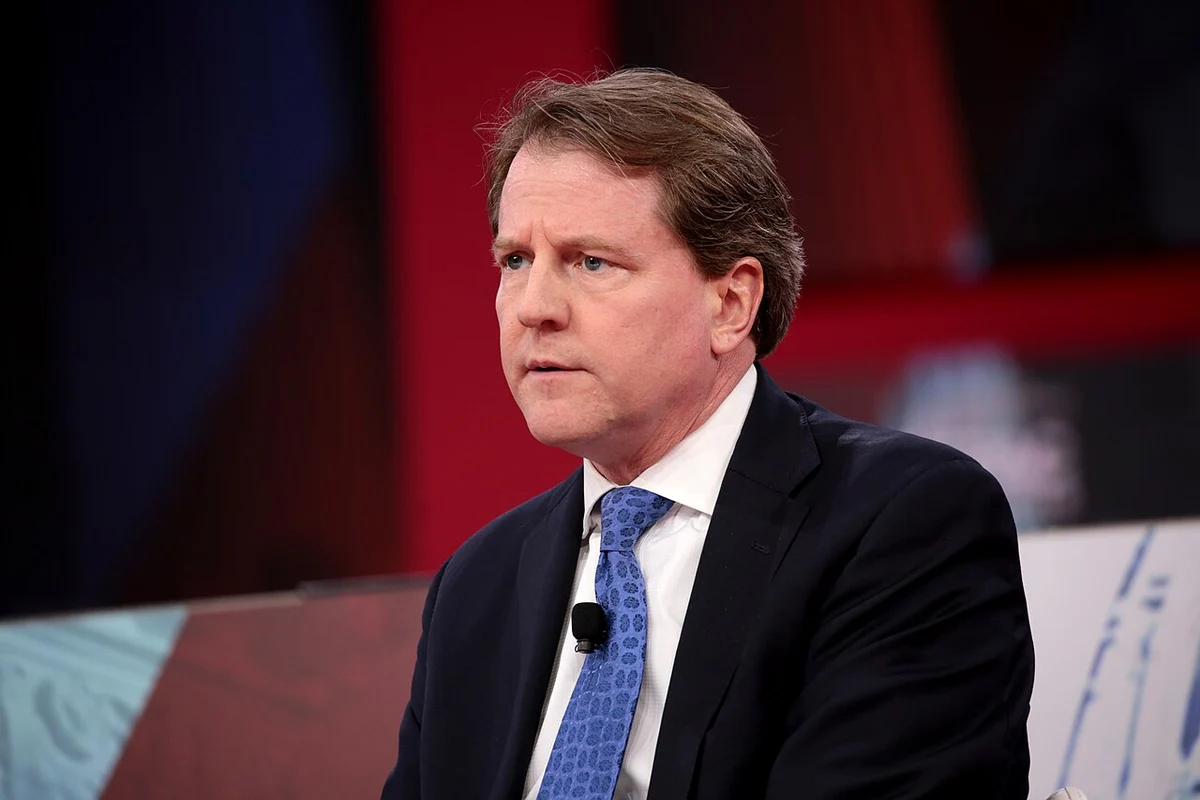
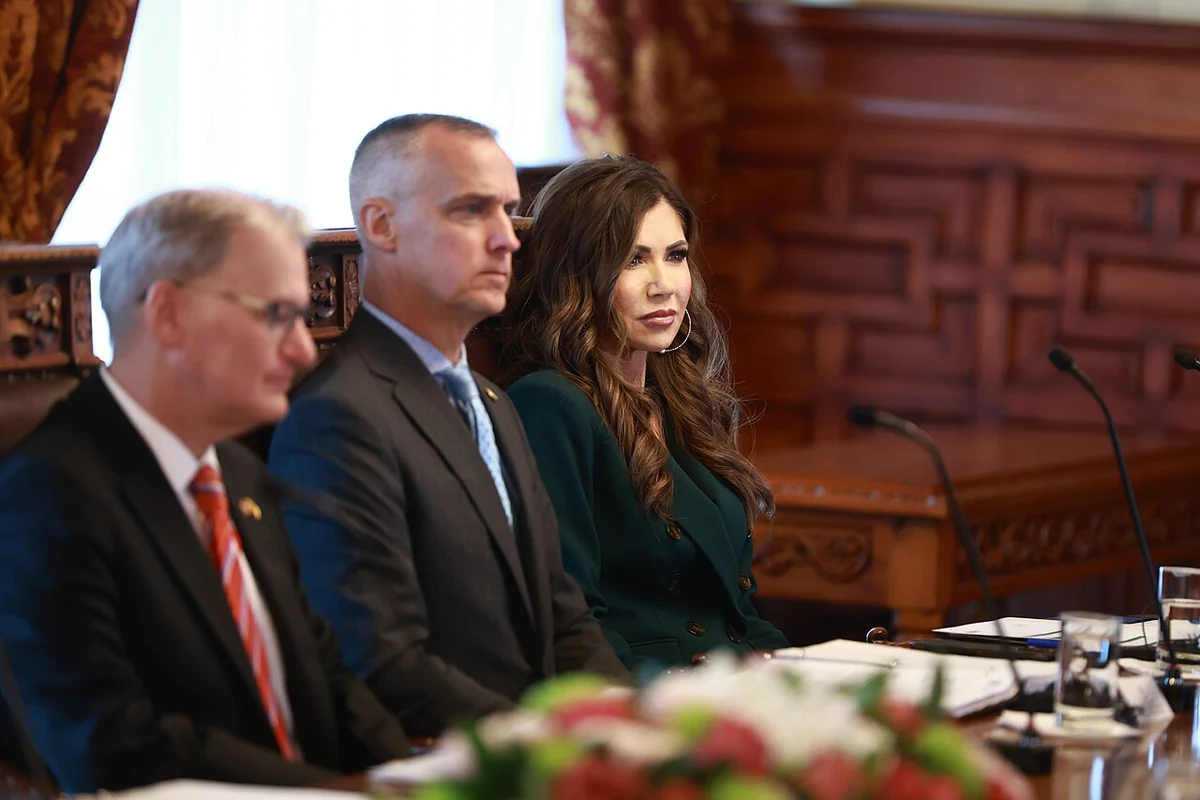
Key Players
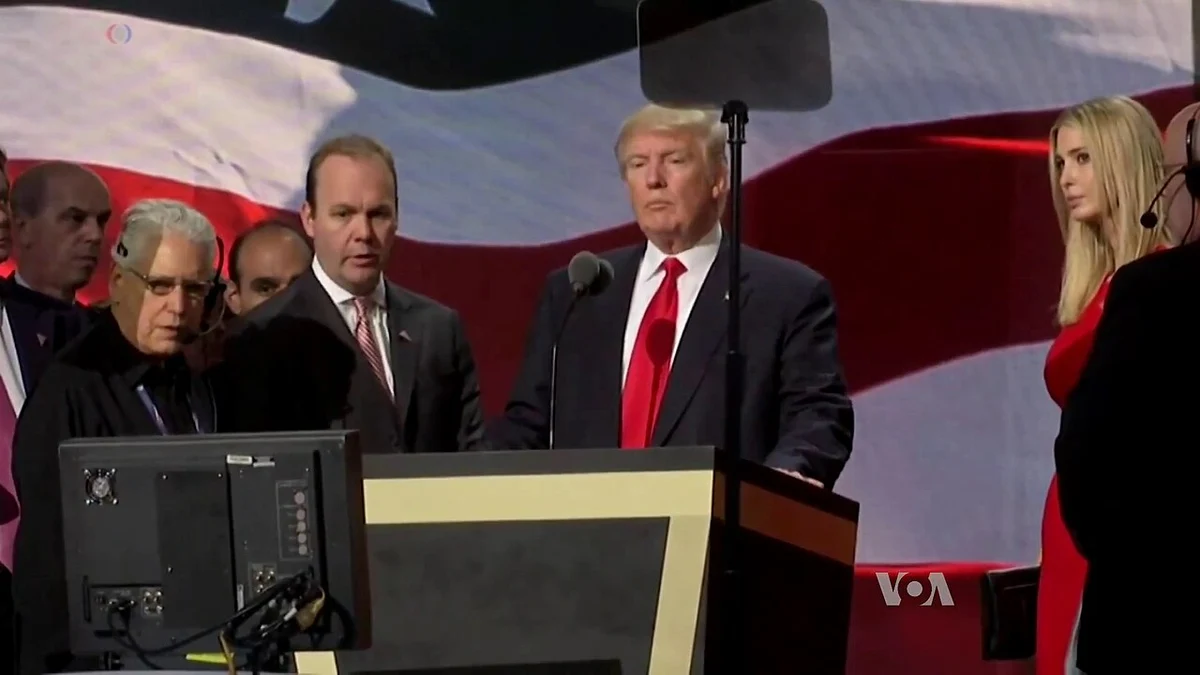
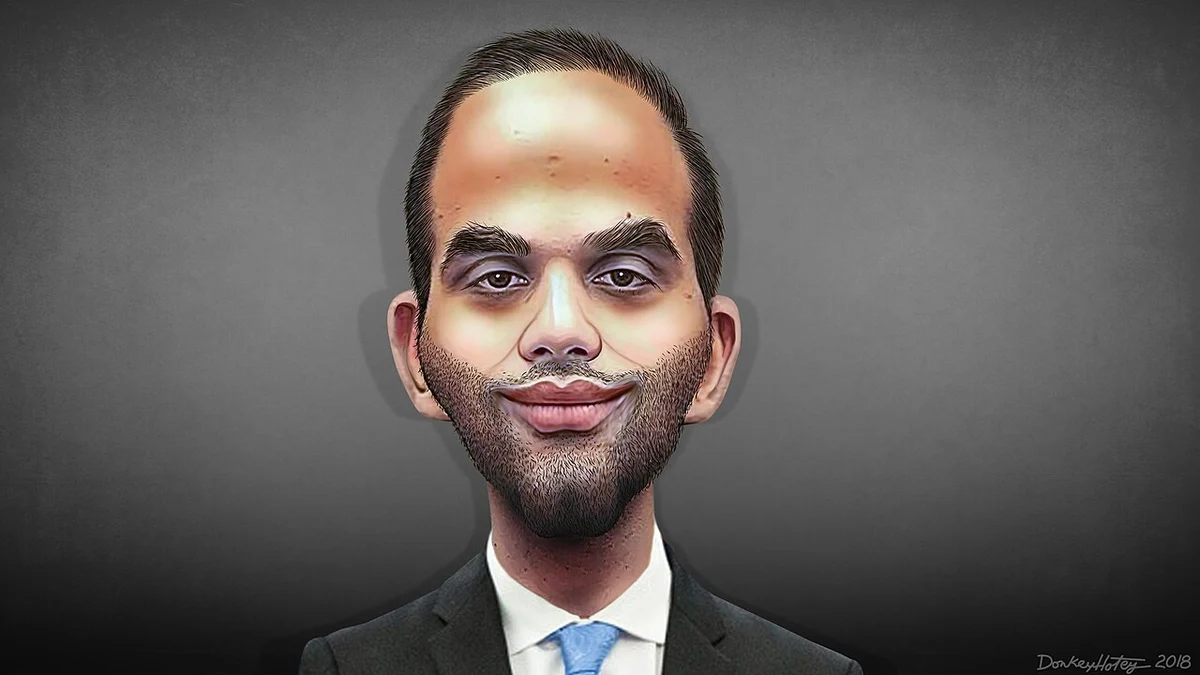
Why Trump Wasn’t Charged With Obstruction
Volume II of the Mueller Report is where the investigation’s conclusions become most infuriating — and most misrepresented.
Mueller identified at least ten episodes in which Trump may have obstructed justice as president, plus one from before he took office.
The report analyzed each for three elements: whether there was an obstructive act, whether it was connected to an official proceeding, and whether it was carried out with corrupt intent.
The most serious episodes included:
- Firing FBI Director James Comey. After Comey refused to publicly clear Trump and drop the investigation into National Security Adviser Michael Flynn, Trump fired him — then told Russian officials in the Oval Office that the firing relieved “great pressure” from the Russia investigation, and told NBC’s Lester Holt the same on national television.

- Ordering the firing of Mueller. In June 2017, after reports surfaced that Mueller was investigating Trump for obstruction, Trump directed White House Counsel Don McGahn to have Mueller removed. McGahn refused and prepared to resign rather than carry out what he compared to a “Saturday Night Massacre.” When the incident later became public, Trump ordered McGahn to create a false record denying it happened. McGahn refused that, too.
- Attempting to limit the investigation’s scope. Trump directed former campaign manager Corey Lewandowski — a private citizen — to deliver a message to Attorney General Jeff Sessions instructing him to reverse his recusal and publicly announce the investigation would be limited to future elections only, effectively shielding the 2016 campaign from scrutiny. The message was never delivered.

- Dangling pardons. The report raised questions about whether Trump, through his private attorneys, floated pardons to Flynn, Manafort, and at least one other individual in an effort to discourage their cooperation with investigators.
- Pressuring Sessions to “un-recuse.” Over a sustained period from 2017 to 2018, Trump publicly and privately pressured Sessions to retake control of the investigation, from which Mueller concluded a reasonable inference that Trump wanted a loyalist attorney general to shield him from scrutiny.
Mueller found “substantial evidence” supporting obstruction in multiple episodes. He wrote plainly that if his office could have cleared the president, it would have said so — and it couldn’t.
But Mueller did not recommend charges, and here’s the critical reason why: a longstanding Justice Department Office of Legal Counsel opinion holds that a sitting president cannot be indicted.
Mueller accepted that policy as binding.
He further concluded it would be unfair to formally accuse Trump of a crime when Trump would have no forum to clear his name in court, and that such an accusation could improperly preempt Congress’s impeachment authority.
The report explicitly stated that it “does not exonerate” the president, and Mueller later testified before Congress that a president could be charged after leaving office.
How the Findings Were Buried
What happened next was a masterclass in political spin.
Attorney General William Barr — who had auditioned for the job by sending an unsolicited 19-page memo to the DOJ arguing the obstruction investigation was fatally flawed — released a four-page summary of the report weeks before the public could read it.
That summary framed the findings in the most favorable possible light for Trump, emphasizing the lack of a formal conspiracy finding and Barr’s own conclusion that the obstruction evidence was insufficient.

Barr then held a 90-minute press conference the morning of the report’s release in which he and senior DOJ officials effectively defended the president before anyone could read a single page.
Trump declared “total exoneration.” Conservative media ran with it.
Mueller’s own investigators reportedly told associates they believed Barr’s characterization did not accurately represent their findings.
A federal judge later ruled the DOJ had misled her and Congress about an internal memo related to the charging decision.
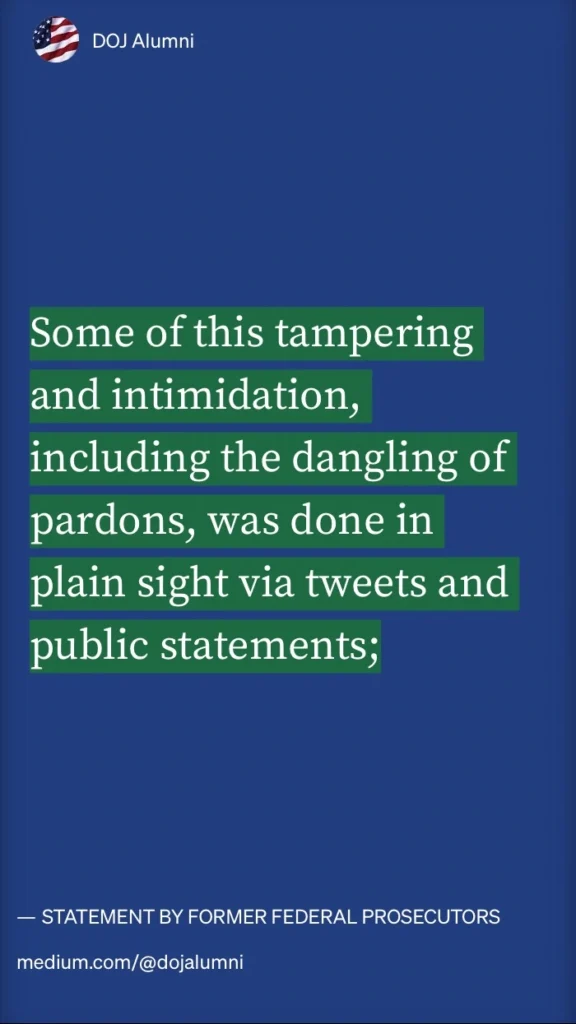
Over 1,000 former federal prosecutors signed a statement concluding that if any ordinary American had done what Trump did, they would face multiple obstruction charges.
None of it mattered. The narrative had been set.
Why This Still Matters
The Mueller Report documented a foreign attack on American democracy, carried out by a hostile government, that benefited a specific candidate who then spent his presidency trying to bury the evidence.
The investigation was hamstrung by lies, destroyed evidence, and a legal framework that shielded the one person with the most to answer for.
The report was never about “collusion” — a word that has no legal meaning and was never the investigative standard. It was about whether a foreign government attacked our election (yes), whether the candidate who benefited welcomed that help (yes), and whether he then tried to shut down the investigation (repeatedly, yes).
Understanding what the Mueller Report actually found — not the cartoon version peddled by those it implicated — is essential context for anyone trying to make sense of where American democracy stands today.
20-page Summary and Analysis by Common Cause, a government accountability organization
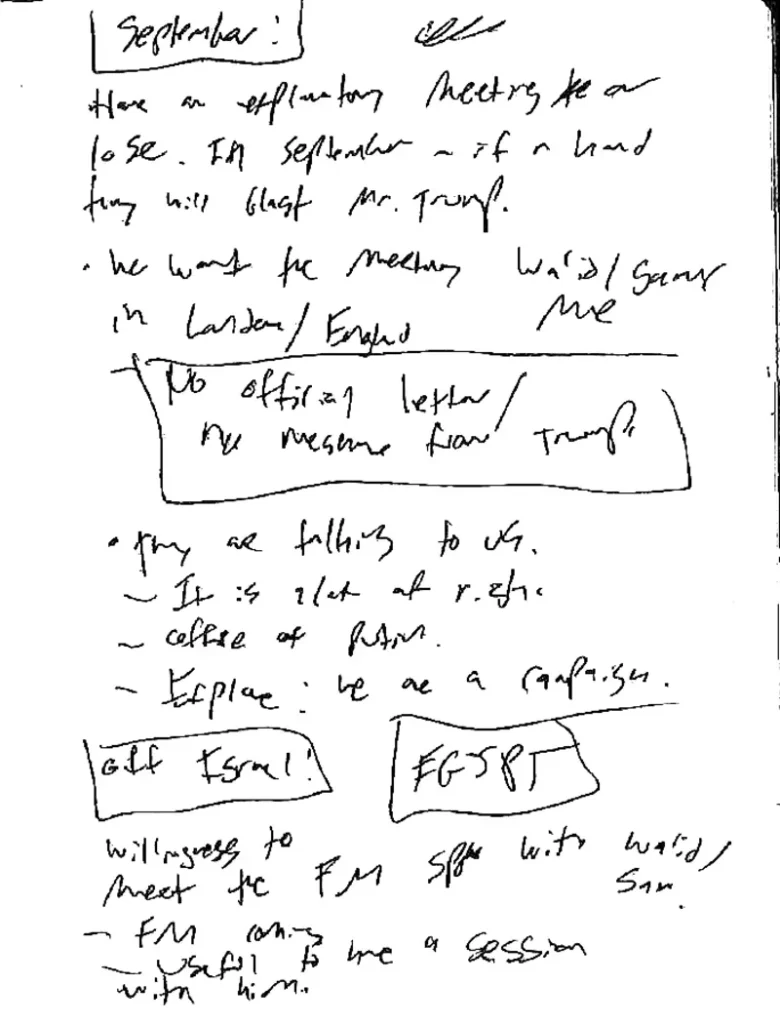
Mueller-report-summary-and-analysisEditor’s interpretation of the note pictured above
I worked in the veterinary field for over a decade, so I’m used to reading doctors’ “chicken scratch” handwriting.
Below is my translation of the note. Any word I can’t read or I’m just not confident about, is replaced with <???>.
This is not an official analysis of the note or a transcript from the note’s author. The text below is just my interpretation of what is written. I can’t claim 100% accuracy.
If you can read something replaced with <???>, or you find errors, please let me know in the comments so I can update this section. Thank you!
Let me start by saying that this looks like notes taken during a meeting or phone call, or possibly a reminder or “to-do” list. It’s not written using complete sentences. It looks more like a list of ideas or thoughts someone quickly “jotted down.”
September
Have an explanatory meeting or lose.
In September or if a hard <???> will blast Mr. Trump.
He wants the meeting in London, England. Warid(?)Sam/Me No offering(?) letter/No message from Trump.
They are talking to us.
- It is a lot of <???>
- Office of Putin
- Explore(?) we are a campaign
Off(?) Israel!
- Willingness to meet the FM
- FM coming
- Useful to have a session with him
EGYPT
Spoke with Warid(?)/Sam