

At 2:10 a.m. on April 17, 2026, Florida International University campus police arrested a 23-year-old student in a parking garage off Southwest 8th Street in Miami. Her name is Gabriela Saldana. She is a capstone-year student at FIU, and she is now facing a second-degree felony charge that carries a maximum sentence of 15 years in state prison.
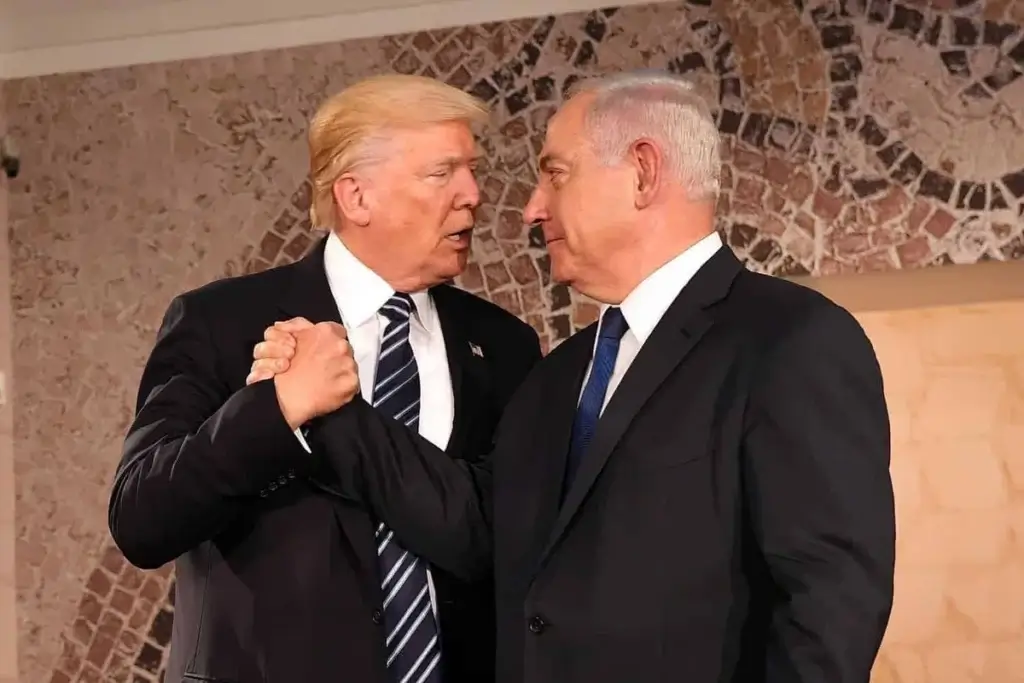
The charge was triggered by two messages she sent in a WhatsApp group chat with roughly 215 of her fellow capstone students. In the first message, she wrote: “Netanyahu, if you can hear me, drop some bonbons for us Capstone students in Ocean Bank Convocation Center.”
In the second, according to the FIU police officer who testified at her bond hearing, she wrote: “There is going to be a bomb in the Ocean Bank Convocation Center and it was going to be Jonathan’s fault.” Jonathan is another student in the chat.
When fellow students did not respond the way she expected, Saldana sent a follow-up: “I wrote a dumb joke that should not have been made.”
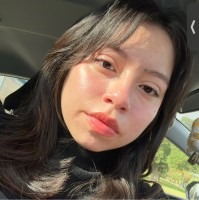
She was booked into the Turner Guilford Knight Correctional Center. Her bail was set at $5,000 by Miami-Dade Judge Mindy S. Glazer, who told her directly from the bench that whatever her intent, the legal standard for probable cause had been met. “I can understand your position when you are saying this is a joke,” the judge said, “but to an objective person, it’s not a joke.”
The statute she is charged under is Florida Statute 836.10, which criminalizes written threats to kill or do bodily harm. It is one of the broadest threat statutes in the country. Under the law as Florida courts have interpreted it, prosecutors do not need to prove that Saldana actually intended to carry out a bombing.
They only need to show that a reasonable person could have read her words as a true threat. That is a very low bar, and it is the bar that now stands between a 23-year-old senior and more than a decade behind bars.
There are things worth saying clearly here. A message that names a specific building, a specific event, and a specific person to blame is not the same as a sarcastic one-liner. The students in that chat had no way of knowing whether Saldana was joking, venting, or planning something, and they did what they were trained since kindergarten to do in a country where school shootings are routine: they reported it. Campus police did what they are expected to do. None of that is the scandal.
The scandal is what the case reveals about the political geography of American speech in 2026.
Florida is the same state whose governor, Ron DeSantis, spent years signing laws designed to shield Israel from criticism on public campuses, including a 2023 directive ordering state universities to deactivate chapters of Students for Justice in Palestine. It is the same state where international students from seven countries can be presumptively barred from academic employment.
It is the same political environment where Secretary of State Marco Rubio has revoked student visas over op-eds, and where masked federal agents have pulled graduate students off the street for the crime of writing about Gaza.

In that environment, the reflex to move at maximum speed against a student who invoked Benjamin Netanyahu’s name, even sarcastically, is not neutral. It is a feature of the system.
A student who wrote “Trump, if you can hear me, drop some bonbons on the dorm” would be reported and investigated too, right?
The political charge of the Netanyahu reference, in a state that has built an entire legal infrastructure around protecting Israel from criticism, is part of why this case moved through the courts in a matter of hours rather than days.

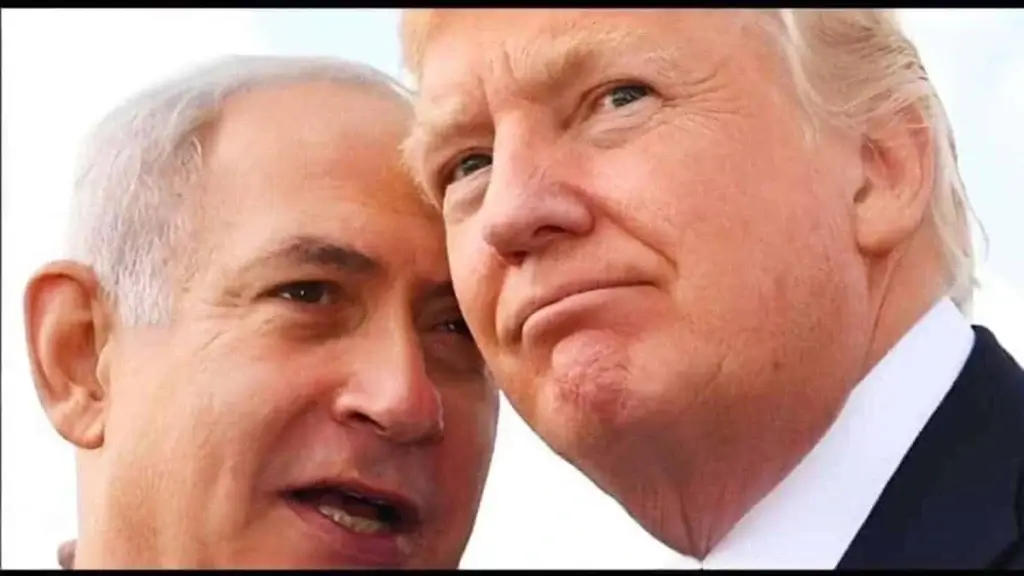

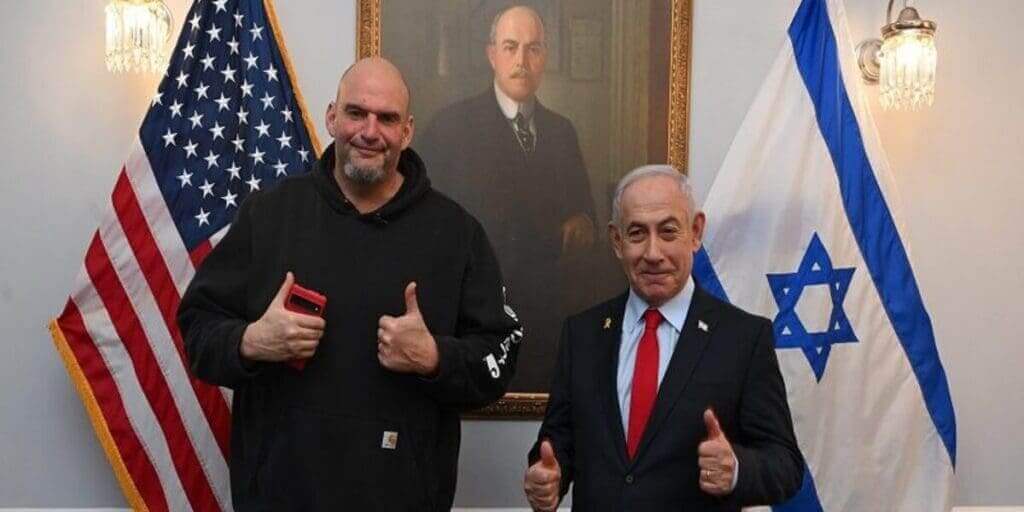
One more thing: How much have the Florida members of Congress been paid by AIPAC? (I apologize, I don't have Republican stats handy.)



I think you get it.
That isn't all of the Florida Representatives (I don't think), but I have a deadline to meet, so I must move on. If you’d like to know if your Representative takes money from AIPAC and the Israel lobby, check out our new page that lists every politician on the Left that receives AIPAC donations, grouping them by state.
It matters that Saldana appears to be exactly the kind of person these laws were never designed to protect: a young woman, a student of modest means, charged under a statute so expansive that the difference between a felony and a shrug comes down to the mood of a prosecutor.
The First Amendment protection for “true threats” has been litigated up to the U.S. Supreme Court in recent years precisely because statutes like Florida’s sweep so broadly that they criminalize speech the Constitution is supposed to shield. Even the prejudice enhancement originally attached to her charge was dismissed, a quiet acknowledgment that the case is thinner than the initial headlines suggested.
None of this means Saldana’s messages were smart, or funny, or harmless to the students who read them. They were not. What it means is that the question of whether a capstone student should lose fifteen years of her life for a bad joke in a group chat is a question any serious democracy would be asking out loud. In Florida, in 2026, it’s not being asked at all.
Gabriela Saldana’s next court date will determine whether the state continues to pursue the full felony. It will also determine, in some smaller way, what a private conversation among classmates is worth in a country that increasingly treats speech about certain foreign leaders as a matter of domestic security.