

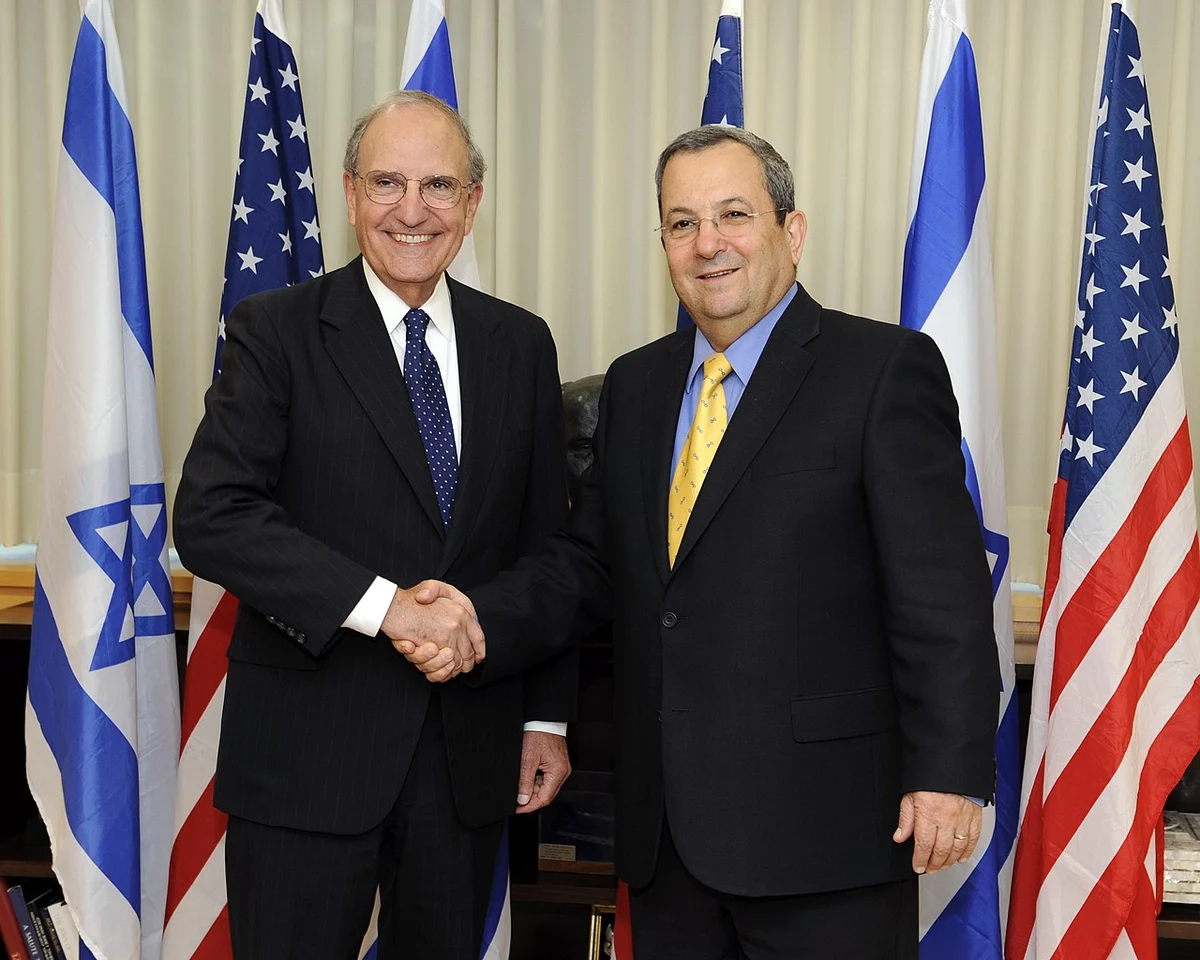
Newly released Department of Justice emails show that the Israeli government installed security and surveillance equipment at a Manhattan apartment building controlled by convicted sex trafficker Jeffrey Epstein — a building where former Israeli Prime Minister Ehud Barak stayed regularly, and where units were also used to house underage models.
The revelation, first reported by Drop Site News in an investigation by Ryan Grim and Murtaza Hussain, adds a significant new dimension to the long-running questions about the relationship between Epstein, Barak, and the Israeli state.
It’s one thing to know that a former prime minister was a frequent guest at an Epstein property. It’s another to learn that official Israeli government security personnel were coordinating directly with Epstein’s staff, running background checks on his employees, and controlling who could enter the building.
What the Emails Show
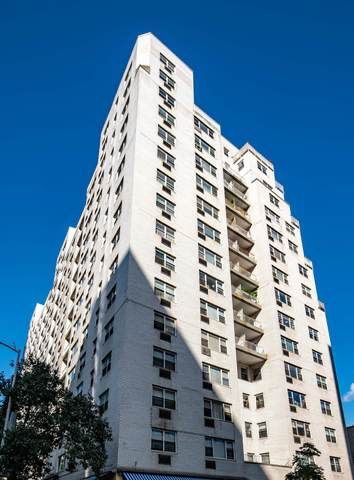
The emails come from a tranche of Epstein-related records released by the DOJ as part of ongoing disclosures. They describe a security operation that began in early 2016 at 301 East 66th Street in Manhattan — a building technically owned by a company connected to Epstein’s brother Mark, but effectively managed by Jeffrey Epstein himself.
The key Israeli official in the correspondence is Rafi Shlomo, who served as director of protective services at Israel’s permanent mission to the United Nations in New York and was personally responsible for Barak’s security.
Shlomo coordinated with Epstein’s staff to install specialized surveillance equipment at the apartment, controlled guest access, and conducted background checks on Epstein’s cleaners and other employees.
A January 2016 email exchange between Barak’s wife, Nili Priell, and an Epstein assistant — believed to be his longtime aide Lesley Groff — discussed installing alarms and surveillance gear, including six window sensors and the ability to remotely control access to the premises.
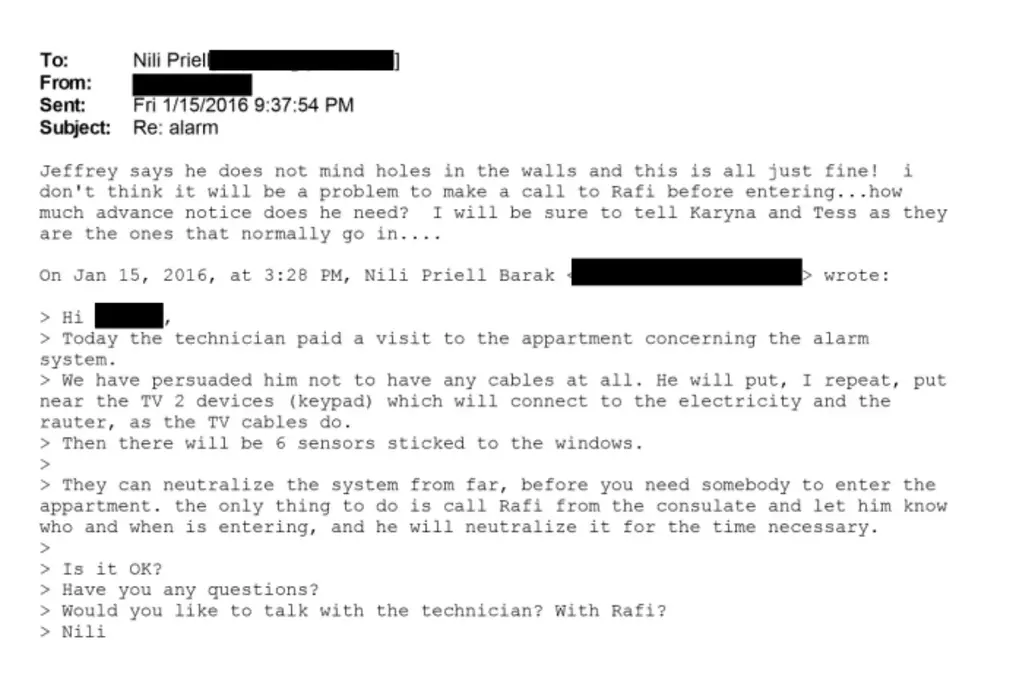
Priell explained that Israeli officials could disable the system remotely before anyone entered, and that the only required step was to call Shlomo and let him know who was coming and when.
Epstein personally approved the work. Groff wrote to Barak and Priell that Epstein was fine with the physical alterations required for the installation.
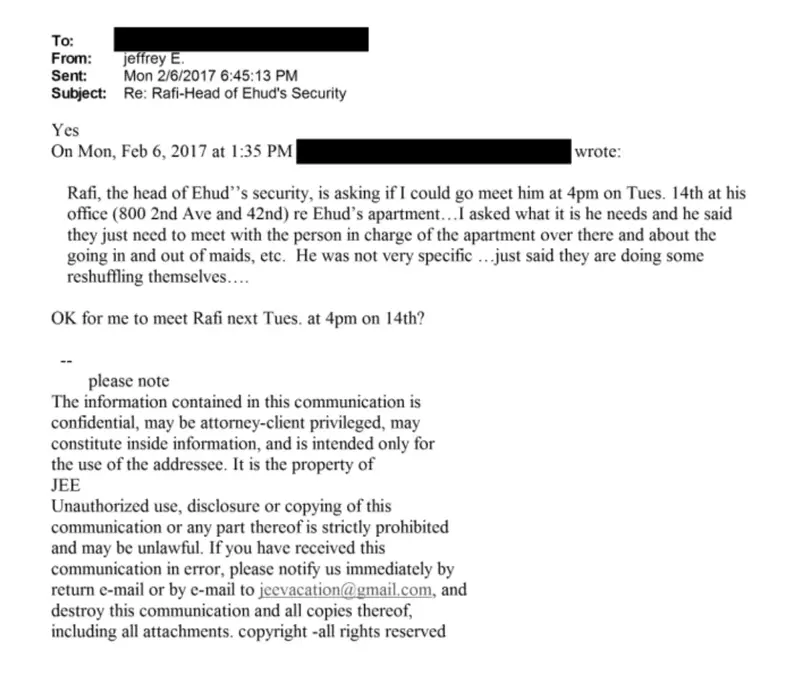
The correspondence continued for at least two years. In January 2017, an Epstein assistant emailed Shlomo with the subject line “Jeffrey Epstein RE Ehud’s apartment,” providing a list of Epstein employees who would need access and offering to facilitate background checks.
Weeks later, the same assistant informed Epstein that Shlomo wanted a meeting at his office near the Israeli consulate to discuss access protocols. Epstein approved. By November 2017, Shlomo had been replaced by another Israeli official who took over security management for Barak at the same address.
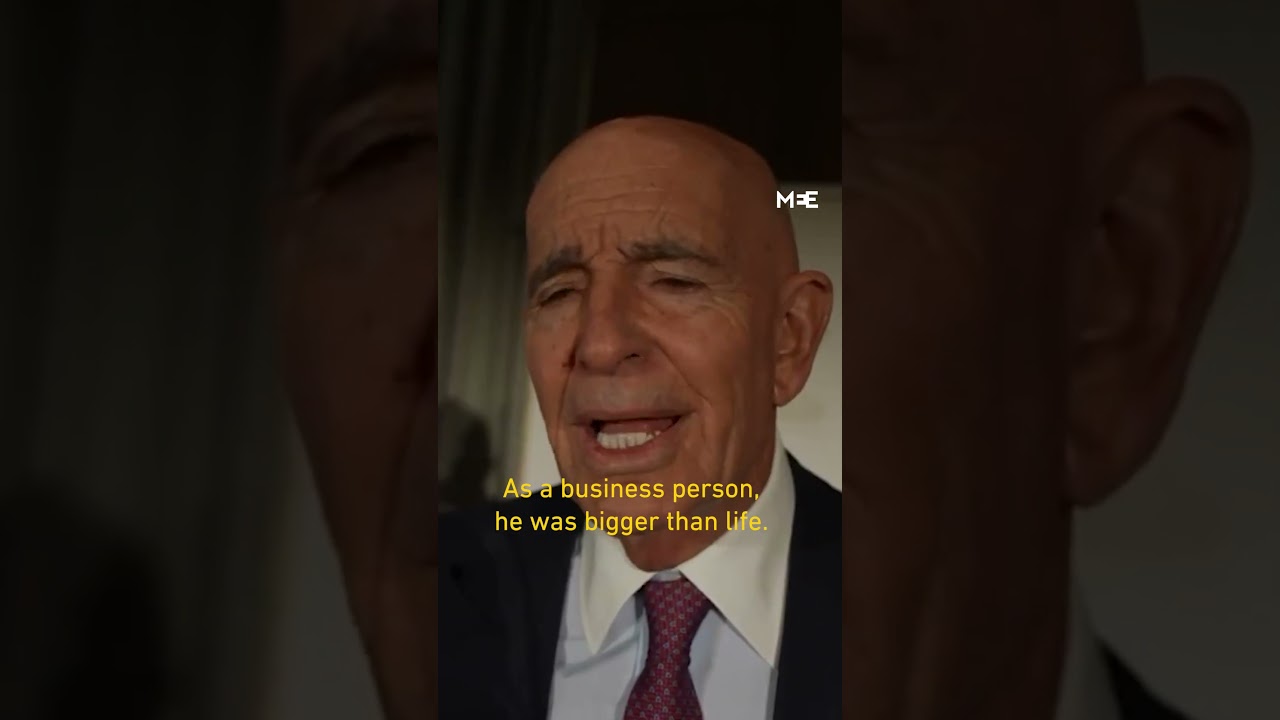
US Ambassador to Turkey and Special Envoy to Syria Tom Barrack Admits Epstein Ties to Israel
Why This Matters
Benjamin Netanyahu provided his “innocent” explanation for this: under Israeli law, former prime ministers receive security services after leaving office. If Barak was staying at a property, Israeli security personnel would be expected to secure it.
That’s the framing Netanyahu has pushed, dismissing the Epstein-Barak relationship as a personal embarrassment for his political rival rather than evidence of any state-level connection.
But that framing leaves several uncomfortable questions unanswered.
The property wasn’t some neutral hotel or diplomatic residence. It was a building controlled by a man who was already a convicted sex offender — Epstein pleaded guilty to state prostitution charges in Florida in 2008 and was required to register as a sex offender. Units in the building at 301 East 66th Street were used to house underage models connected to Epstein’s network, according to reporting from Business Insider.
Israeli government officials were not merely providing passive security for Barak. They were integrating themselves into the operations of an Epstein-controlled property — approving who could enter, checking the backgrounds of Epstein’s own staff, meeting with Epstein’s assistants at Israeli government offices, and installing equipment with remote access capabilities.
The degree of coordination raises questions about what Israeli officials knew about the building’s broader use, what information the surveillance equipment captured, and whether any of that information was shared beyond the narrow purpose of protecting Barak.
The Wider Barak-Epstein Connection
The DOJ emails are not the first evidence connecting Barak to Epstein’s network at an official level.
Barak’s longtime aide and Mossad veteran, Yoni Koren, who died in 2023, was a frequent guest at the 66th Street apartment. Congressional investigations and records from the House Oversight Committee revealed that Koren stayed at the Epstein-controlled residence multiple times — including in 2013, while he was still actively serving as bureau chief for the Israeli Ministry of Defense.
That means an active-duty Israeli defense official was staying at a property controlled by a convicted sex offender, in a building where Israeli government security managed access.
Email records from Barak’s inbox also showed Koren exchanging wire transfer information with Epstein, and newly released DOJ emails confirmed that Koren continued using the apartment for medical visits to New York until Epstein’s second arrest and death in 2019.
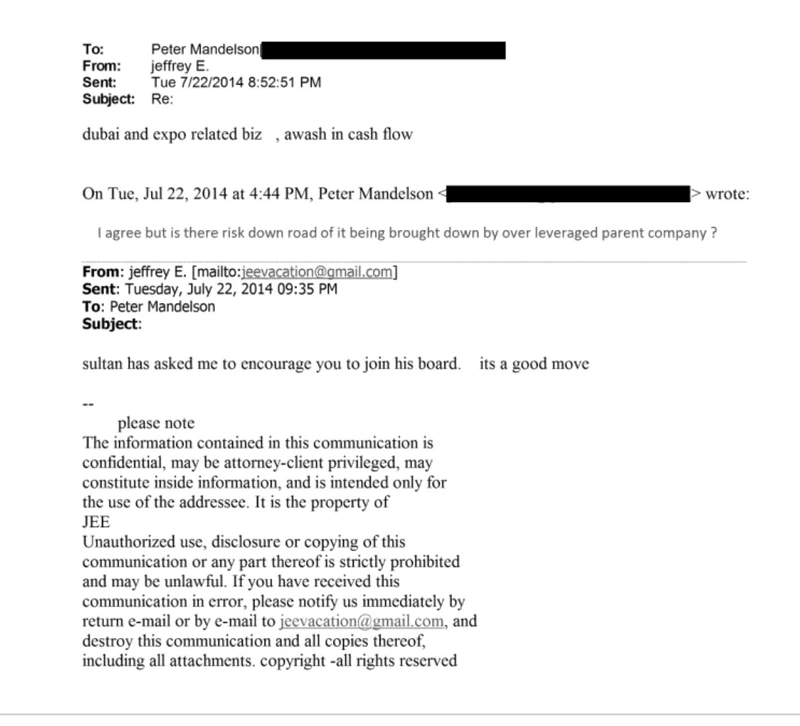
Drop Site has also reported separately on how the Barak-Epstein relationship extended into business ventures in Africa, where Epstein helped Barak pitch Israeli surveillance and biometric technology to governments facing security crises.

A 2014 email showed Epstein flagging a business opportunity related to the Boko Haram insurgency in Nigeria, with Barak responding that the challenge was turning it into “a cash flow.”
The Accountability Gap
After Epstein’s death, Barak publicly minimized the relationship, claiming Epstein never financially supported him. Neither Barak nor the Israeli mission to the United Nations responded to Drop Site’s requests for comment on the surveillance emails.
Netanyahu, for his part, has tried to weaponize the Barak connection to deflect from broader questions about Epstein’s ties to Israel.
His argument — that Epstein’s relationship with a political rival proves Epstein didn’t work for Israel — is a rhetorical maneuver, not an answer.
The DOJ emails show official Israeli government personnel, operating through the country’s UN mission, embedded in the day-to-day operations of an Epstein-controlled property.
Whether that amounts to a state intelligence operation or merely a badly managed security detail for a former leader, the public still doesn’t have a definitive answer.
And no one with the power to demand one seems to be asking.
The Epstein files continue to be released in batches. Each new disclosure adds detail to a picture that has, for years, been deliberately kept incomplete.
The question isn’t whether more connections will surface. It’s whether anyone in a position of authority will follow them where they lead.