
A federal judge has thrown out the Justice Department’s subpoenas against Federal Reserve Chair Jerome Powell, ruling that the criminal investigation was nothing more than a pressure campaign from Trump and D.C. U.S. Attorney Pirro designed to force Powell into lowering interest rates or quitting.
Chief Judge James Boasberg of the U.S. District Court for the District of Columbia didn’t mince words in his 27-page ruling, unsealed Friday. He found overwhelming proof that U.S. Attorney Pirro weaponized the grand jury process to go after someone whose only offense was doing his job independently of the White House.
What the Judge Actually Said
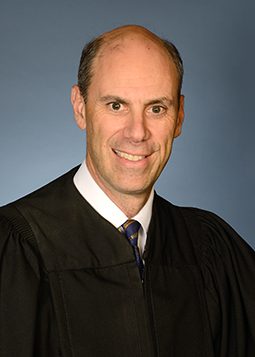
Boasberg wrote that there was massive evidence the subpoenas were served for one reason: to bully Powell into cutting rates or stepping aside for a chair who would do what Trump wants. He pointed to more than 100 public statements from Trump or his allies attacking Powell, including a string of Truth Social posts where the president called the Fed chair names and demanded his resignation.
On the other side, the judge found the government had provided no real evidence that Powell committed any crime. The supposed justification — that Powell may have lied to Congress about cost overruns on a $2.5 billion renovation project at Fed headquarters — was so flimsy that Boasberg concluded it was a pretext. Prosecutors couldn’t even clearly identify what discrepancies in Powell’s testimony justified a criminal probe.
Boasberg connected the dots to other Trump-era political prosecutions, including the administration’s failed attempts to go after former FBI Director James Comey and New York Attorney General Letitia James. Being seen as a Trump adversary, the judge wrote, has become dangerous in recent years.
Judge-ruling-fed-chair-prosecutionU.S. Attorney Pirro’s Escalating Track Record of Failure
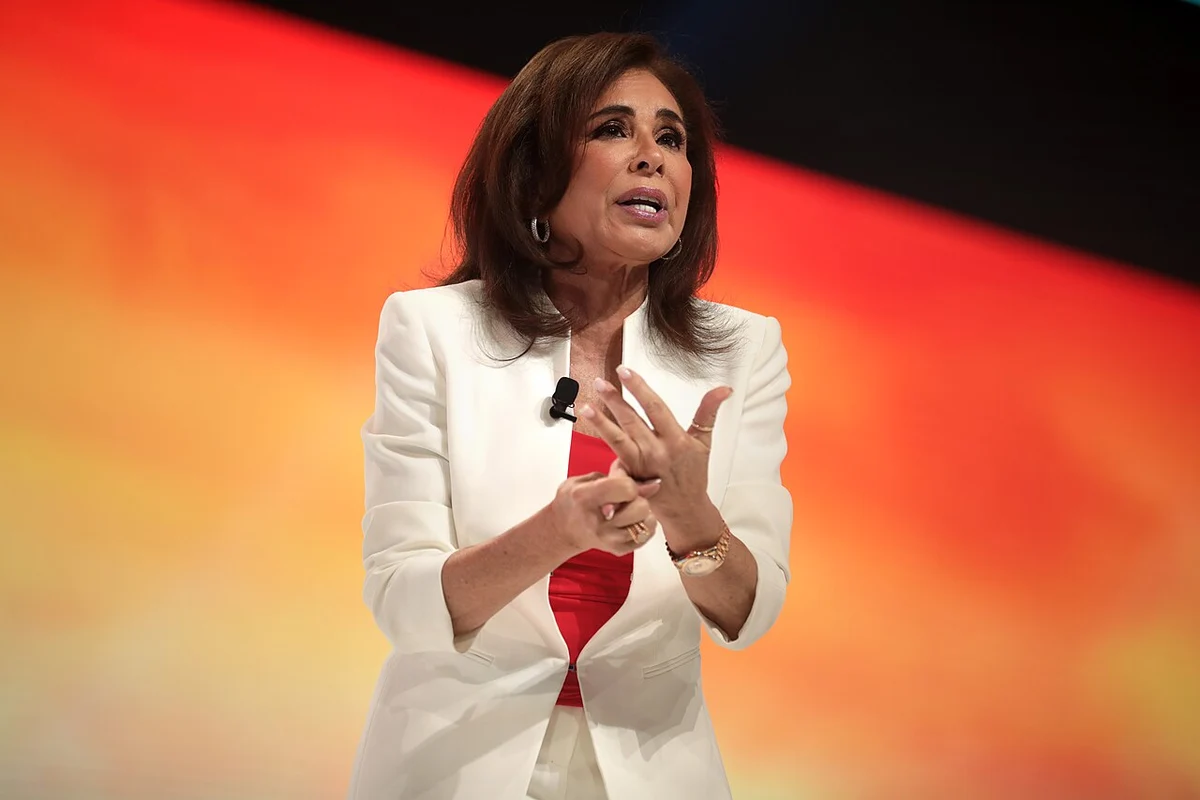
D.C. U.S. Attorney Jeanine Pirro — a former Fox News host and longtime Trump ally — held a combative press conference after the ruling was unsealed, calling Boasberg an “activist judge” and declaring Powell was now “bathed in immunity.” She announced the DOJ would appeal before storming away from the podium.

But this ruling exposes something bigger than one failed prosecution. It adds to a pattern of Attorney Pirro wielding federal prosecutorial power as a political weapon, only to come up empty.
In February, Pirro’s office tried to convince a grand jury to indict six Democratic lawmakers — including Senators Elissa Slotkin and Mark Kelly, along with Representatives Jason Crow, Maggie Goodlander, Chrissy Houlahan, and Chris Deluzio — on seditious conspiracy charges. Their alleged crime was making a social media video reminding military and intelligence personnel that they are not required to obey unlawful orders. The grand jury unanimously rejected the charges. Pirro’s office later dropped the effort entirely.
Her office also reportedly pursued and then shelved a probe into former President Biden over his use of an autopen to sign executive actions, reportedly because investigators couldn’t figure out what crime was actually committed.
The throughline is unmistakable: Trump publicly identifies an enemy, and Pirro’s office finds a reason to investigate, regardless of whether an actual crime exists.
The Fallout Goes Beyond Powell
The ruling doesn’t just protect Powell. It has thrown a wrench into Trump’s plan to reshape the Federal Reserve.
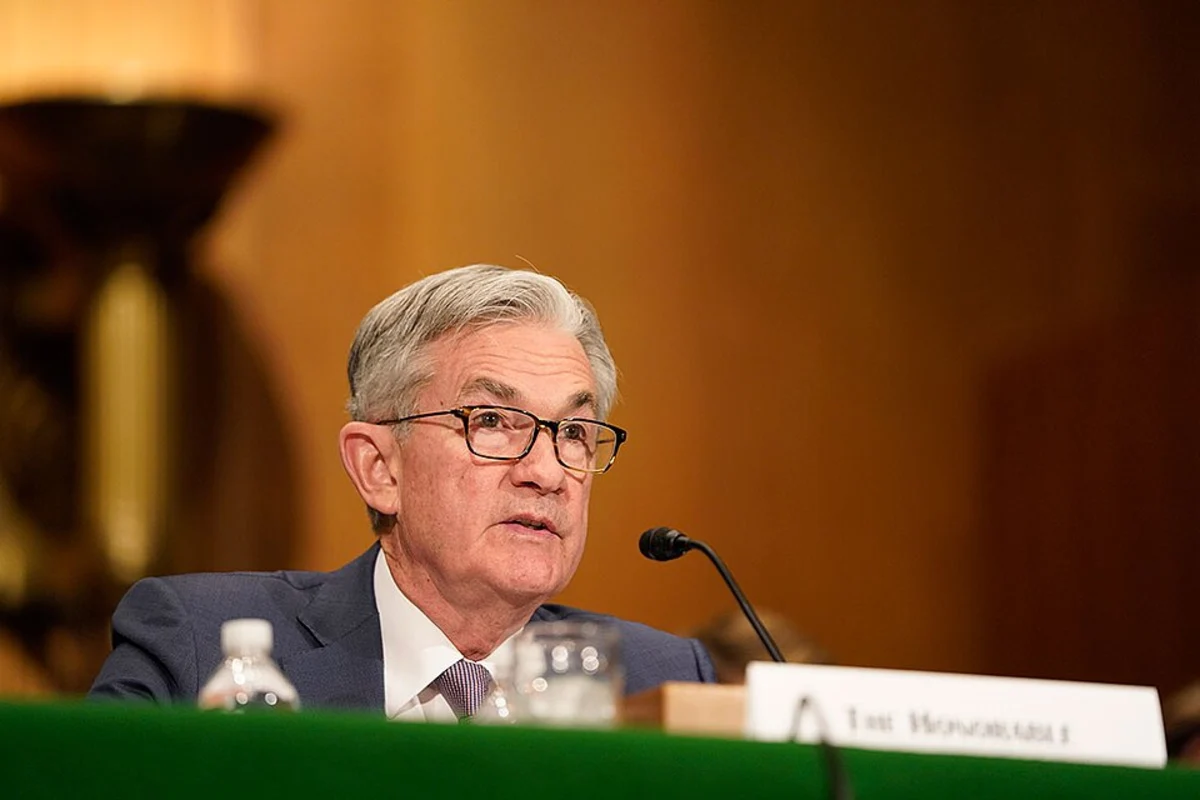
Trump nominated former Fed governor Kevin Warsh to replace Powell when his term as chair expires in May. But Republican Senator Thom Tillis of North Carolina has vowed to block Warsh’s confirmation until the criminal probe of Powell is dropped. With Republicans holding a razor-thin majority on the Senate Banking Committee, they can’t move Warsh’s nomination forward without Tillis.
After the ruling came down, Tillis called the investigation a “failed attack on Fed independence” and warned that appealing the decision would only delay Warsh’s confirmation further. Even Senate Banking Committee Chair Tim Scott, a Republican, has said he doesn’t believe Powell committed a crime.
Powell’s term as chair expires in May, and he has the option to remain on the Fed’s board as a governor until 2028. He hasn’t said publicly what he plans to do.
What This Means
The Federal Reserve’s independence from political pressure is one of the foundational structures of the American economy. When the president can use the Justice Department to threaten criminal charges against a Fed chair who won’t lower interest rates on command, that independence ceases to exist.
Judge Boasberg recognized that. He called the investigation an attempt to bulldoze the Fed’s statutory independence and refused to let it proceed.
Pirro’s appeal will keep the legal fight alive for now, but the pattern is already established. From Democratic lawmakers to the Fed chair, Trump’s Justice Department keeps swinging at political targets — and courts and grand juries keep saying no.
The question is how many more failed prosecutions it takes before the damage to public trust in the justice system and to the DOJ’s reputation among federal judges becomes irreversible.