



U.S. District Judge Aileen Cannon, who was appointed to the bench by Donald Trump, permanently blocked the public release of former special counsel Jack Smith’s report on his investigation into Trump’s handling of classified documents on Monday. The ruling came just one day before the report was scheduled to become public.
The decision means the American people may never see the findings of an investigation that once resulted in 40 felony charges against a former president.
What Happened
Cannon granted requests from Trump and his two former co-defendants, Walt Nauta and Carlos De Oliveira, to permanently bar the Justice Department from sharing any part of the report’s second volume with anyone outside the agency.
The order applies not only to current Attorney General Pam Bondi but also to any future attorney general who may hold the position.
In her ruling, Cannon argued that releasing the report would cause “manifest injustice” to the former defendants.
She wrote that Smith had acted “without lawful authority” in obtaining the original indictment and that the defendants “still enjoy the presumption of innocence held sacrosanct in our constitutional order.”
Cannon had previously dismissed the criminal case in July 2024, ruling that Smith’s appointment as special counsel was unconstitutional — a decision widely criticized by legal scholars that the Biden Justice Department had been appealing before Trump won the 2024 election.
The Background
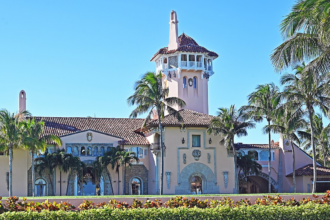
The classified documents case stemmed from an FBI search of Trump’s Mar-a-Lago estate in the summer of 2022. Federal agents found classified documents stored throughout the property, including in bathrooms and a ballroom where events were held.
A grand jury indicted Trump on charges related to illegally retaining national defense information and obstructing government efforts to retrieve the documents.
Smith produced a two-volume report covering both the classified documents investigation and a separate probe into Trump’s efforts to overturn the 2020 presidential election.
The first volume, dealing with the election case, was released shortly before Trump’s second inauguration. But the second volume — the one covering the documents case — has remained sealed since Cannon first issued a temporary order blocking it.
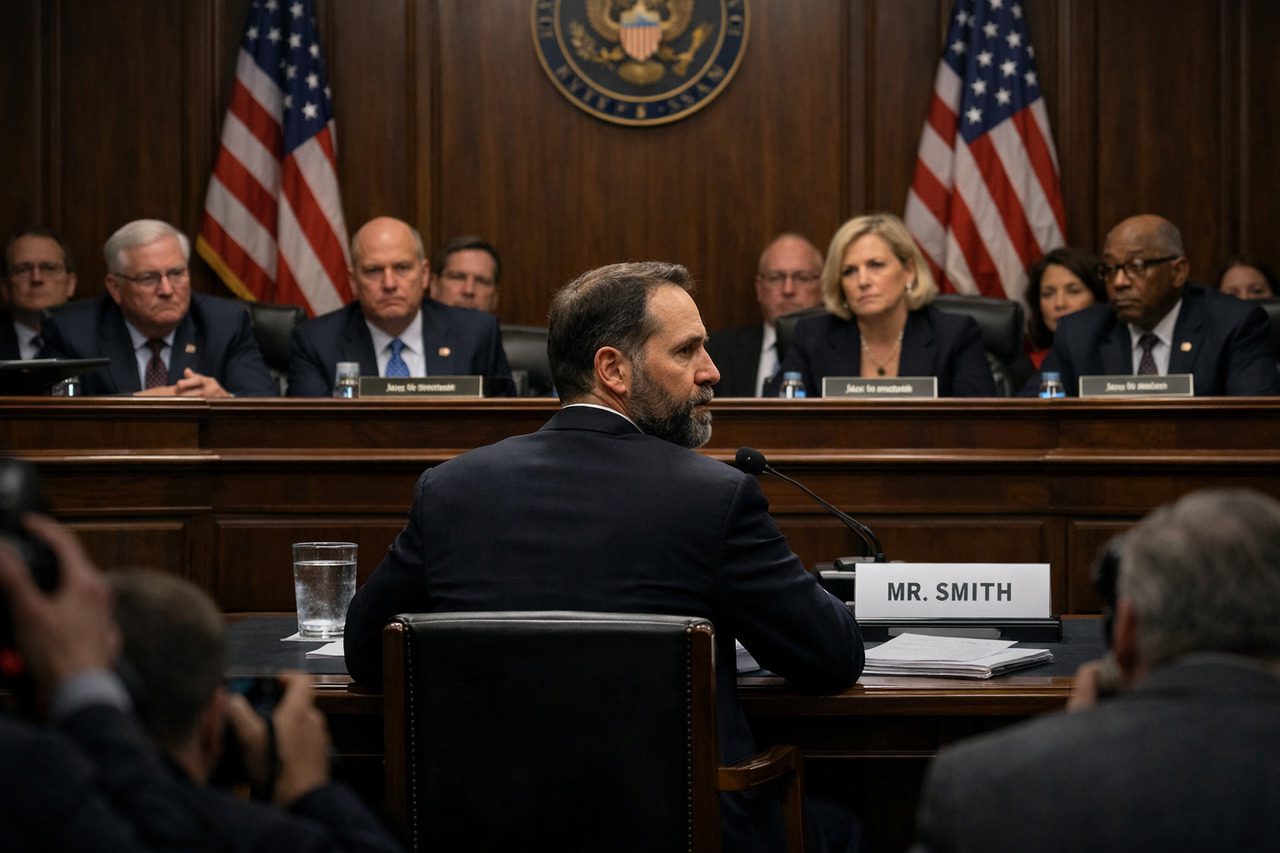
During closed-door congressional testimony in December, Smith said his team had developed “powerful evidence” showing Trump willfully kept highly classified documents after leaving office and “repeatedly tried to obstruct justice” to conceal them.
A Pattern of Favorable Rulings
Cannon’s decision on Monday is the latest in a long series of rulings that have benefited the president who appointed her. A federal appeals court previously found that Cannon had “improperly exercised equitable jurisdiction” in an earlier matter related to the Mar-a-Lago search, and legal experts have said her decisions have been unusually deferential to Trump.
The 11th Circuit Court of Appeals also found last November that Cannon had engaged in “undue delay” in ruling on attempts by watchdog groups American Oversight and the Knight First Amendment Institute to intervene in the case and force the report’s release.
Classified Documents Report: What Comes Next
First Amendment advocates and watchdog groups have not given up the fight. The Knight Institute called Cannon’s decision “impossible to square with the First Amendment and the common law,” adding that there is “no legitimate basis” for the report’s continued suppression.

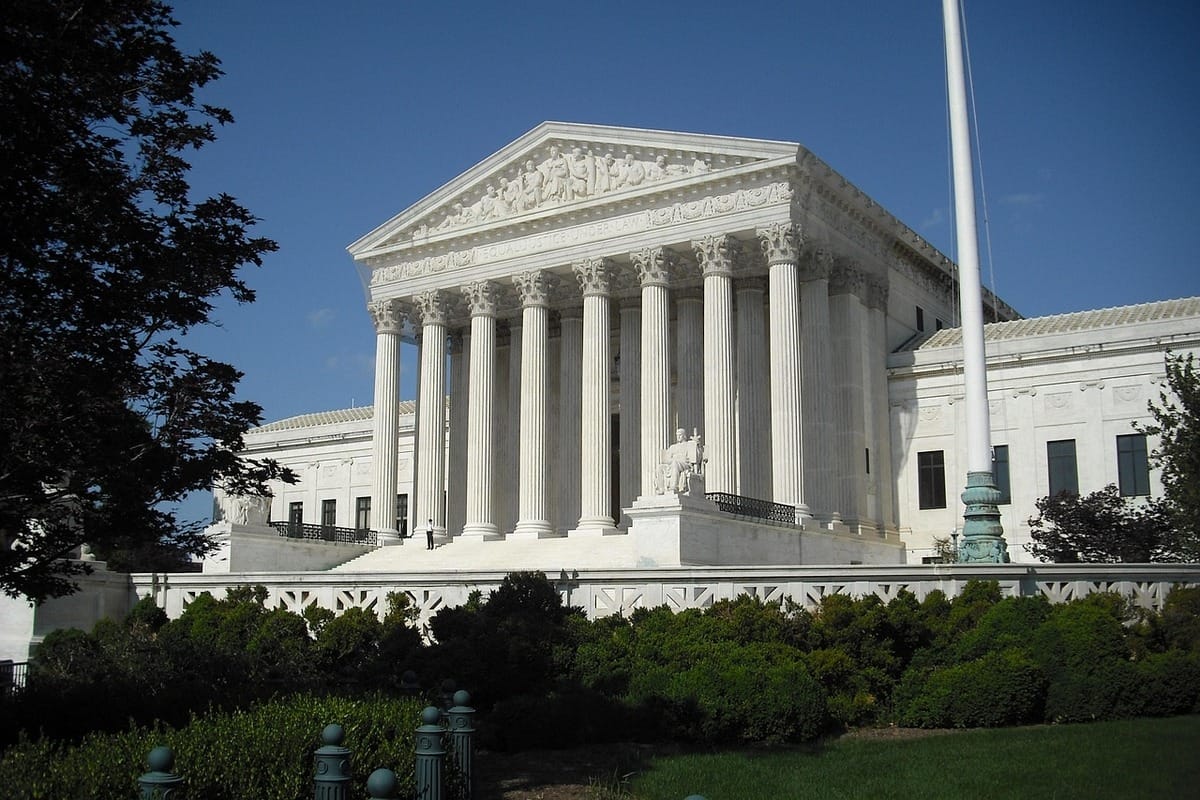
The ruling can still be appealed to higher courts, and Cannon herself acknowledged in a footnote that her decision could be overturned.
But for now, the findings of one of the most consequential investigations in modern American history will remain hidden from the public — shielded by the same judge whose earlier rulings helped ensure the case never went to trial.