Authorities announced Friday that the man believed to be responsible for both the deadly shooting at Brown University and the killing of a Massachusetts Institute of Technology (MIT) professor has been found dead, bringing a multi-day search to an end but leaving unanswered questions about motive and planning.
Law enforcement identified the suspected gunman as Claudio Manuel Neves Valente, a 48-year-old Portuguese national and former Brown University graduate student. He was found dead Thursday night from an apparent self-inflicted gunshot wound inside a storage unit in Salem, New Hampshire after a widespread manhunt across multiple states. Officials believe Valente likely died Tuesday, one day after the killing of the MIT professor.
The suspect is now the focus of two linked investigations into fatal shootings that shook academic communities in Rhode Island and Massachusetts this week.
Brown University Shooting
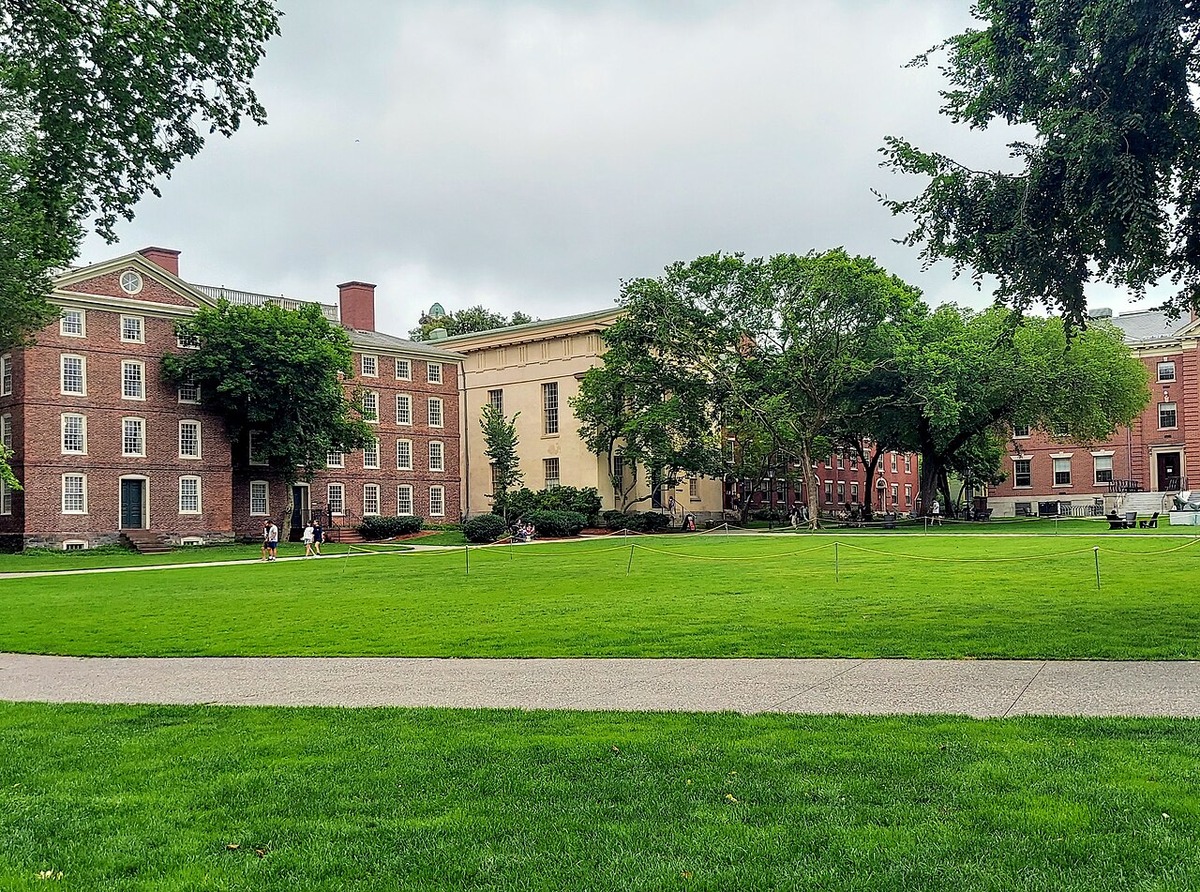
On Saturday, December 13, 2025, just as final examinations were underway, gunfire erupted inside the Barus and Holley engineering building on the Brown University campus in Providence, Rhode Island. A man armed with a handgun opened fire in a crowded study session for an economics final, killing two students and injuring nine others.
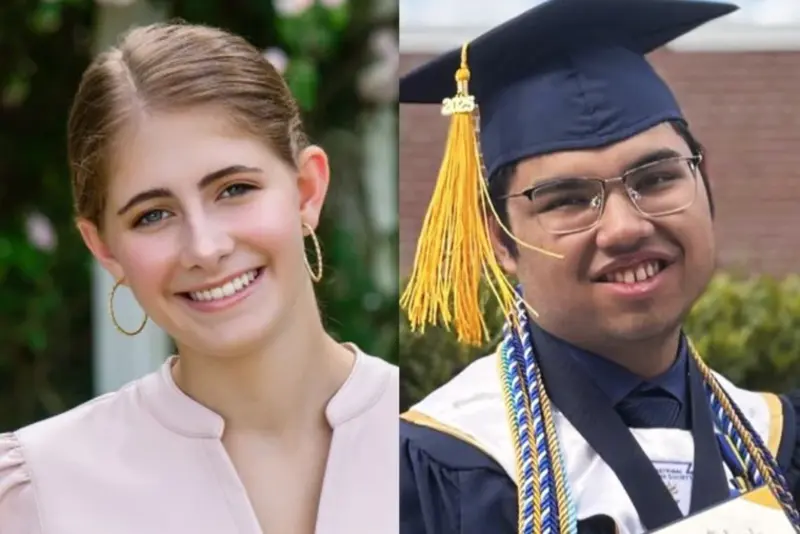
The victims who died were identified as Ella Cook, a sophomore from Birmingham, Alabama, and Mukhammad Aziz Umurzokov, a freshman aspiring to become a neurosurgeon.
Security footage from neighborhood cameras showed a masked individual arriving on campus hours before the attack, moving through nearby streets before entering the engineering building. Investigators continue to piece together the timeline of his movements.
MIT Professor Killing
Two days later, on Monday night, Nuno F.G. Loureiro, a 47-year-old physics professor at MIT, was shot and killed at his home in Brookline, Massachusetts. Authorities later confirmed a link between Loureiro’s murder and the Brown University shooting, noting similarities in ballistic evidence and other investigative leads.
Loureiro, a native of Portugal and a respected figure in plasma physics research, was transported to Beth Israel Deaconess Medical Center in Boston, where he was pronounced dead early on December 16. The professor’s colleagues and students held vigils and issued statements mourning his loss, reflecting his impact within the scientific community.
Manhunt and Identification
Following the Brown University shooting, law enforcement agencies including the FBI and local police launched an intensive search. Surveillance images and vehicle sightings led investigators to suspect Valente, who had been living in New England for roughly two weeks prior to the attacks. Authorities tracked a gray Nissan with Florida license plates associated with the suspect, which appeared in surveillance footage near both crime scenes.
A pivotal break in the case came from a private tip linked to a Reddit post. An individual known only as “John” recognized the suspect and provided crucial details to investigators, helping them narrow their search and confirm Valente’s identity. Law enforcement has acknowledged this tipster’s contribution to solving the case.
Suspect Background and Possible Connections
Valente’s academic history included a period as a physics graduate student at Brown University from 2000 to 2001. Investigators noted that he and Loureiro had once been contemporaries at a university in Portugal, though the relevance of that connection is still under examination.
Federal officials, including the U.S. Attorney for the District of Massachusetts, have described the killings as planned and deliberate, though no clear motive has yet been established. Authorities have stated they believe Valente acted alone.
Official Responses and Next Steps
The discovery of Valente’s body and the apparent end of the immediate threat have provided some relief to communities on both sides of the investigation. Officials in Providence and Boston praised the efforts of law enforcement and the public in aiding the case.
However, federal, state, and local authorities continue to investigate the suspect’s movements, communications, and potential motives. At this stage, investigators have not publicly confirmed any ideological or personal rationale for the shootings, leaving questions about why the attacks occurred unanswered.
As the probe continues, universities affected by these events have offered counseling services and support for students and faculty, emphasizing the resilient yet grieving nature of these academic communities.