

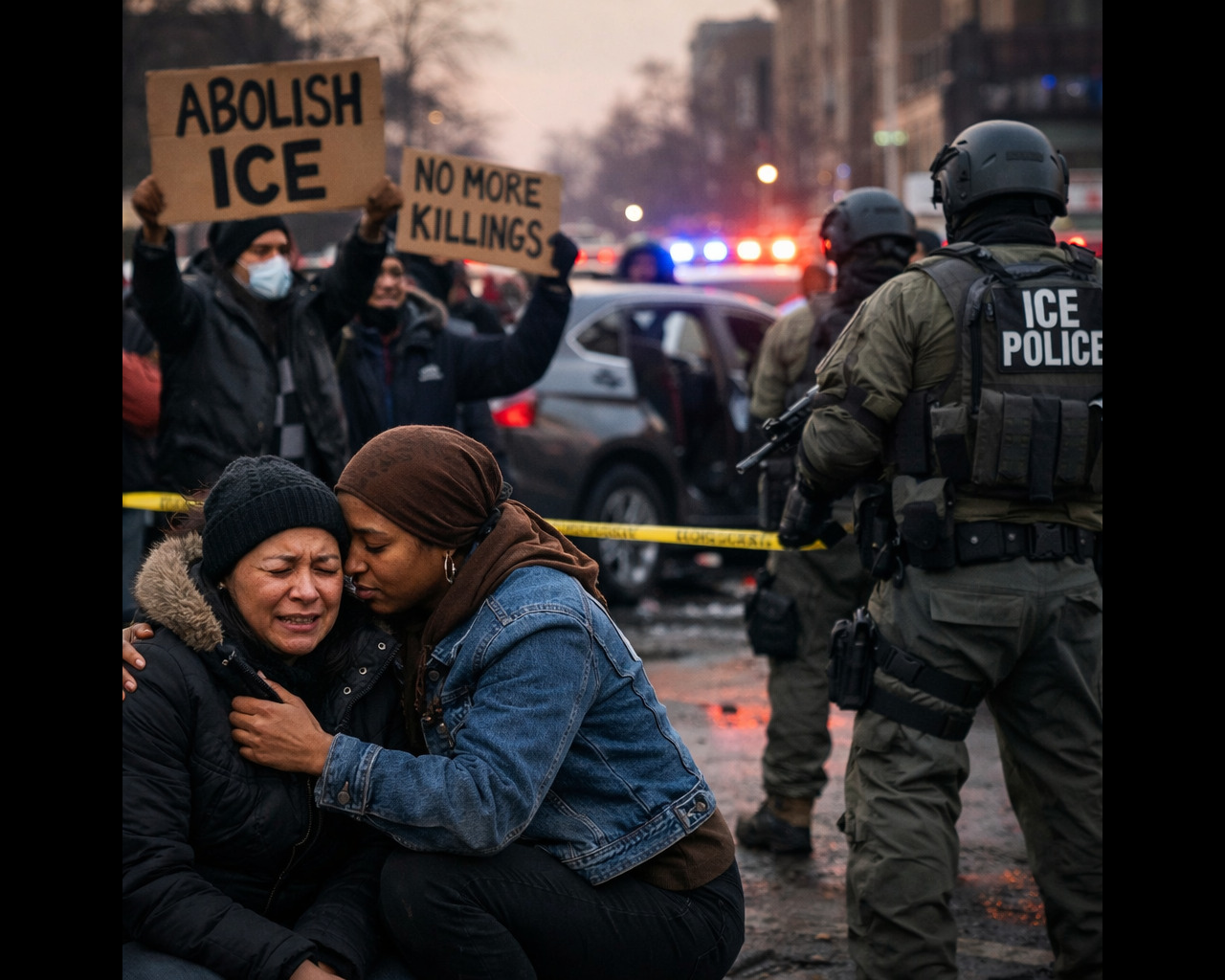
A woman shot by ICE in Minneapolis on January 7, 2026 has become a flashpoint in an already tense national debate over federal immigration enforcement.
Federal authorities and local officials offer sharply different accounts of what happened, and the incident has triggered protests, political condemnation, and calls for accountability from across the political spectrum.
According to federal sources, an officer with U.S. Immigration and Customs Enforcement (ICE) fired at close range into a vehicle during a federal immigration operation in a residential neighborhood south of downtown Minneapolis.
The 37-year-old woman inside the SUV died from a gunshot wound. Federal officials claimed the agent acted in self-defense, alleging she tried to drive her vehicle toward officers.
Minneapolis Mayor Jacob Frey and other local leaders strongly reject the federal narrative, saying it does not match video evidence from the scene. Frey called the shooting “reckless” and “unnecessary” and demanded that ICE leave the city, arguing that the federal operation has undermined public safety rather than increased it.
The shooting occurred amid what the Department of Homeland Security described as the largest immigration enforcement surge the Twin Cities have seen, with more than 2,000 federal agents deployed to carry out operations tied to allegations of fraud involving Somali residents in Minnesota.
That deployment followed similar federal actions in other major cities and has already been a source of controversy and protests.
Conflicting Accounts of What Happened
At the heart of the controversy is how and why the woman was shot by ICE. DHS spokeswoman Tricia McLaughlin said the ICE officer opened fire after the woman attempted to “weaponize her vehicle” by driving toward officers.
The department described the incident as an act of self-defense and even labeled the woman’s actions “an act of domestic terrorism” in social media posts.
But witnesses, video footage, and local officials tell a different story. Multiple bystander videos posted on social media show a group of federal agents approaching the SUV as it sat in the street.
The vehicle appears to move away, not toward agents, before an officer draws his firearm and fires multiple shots at the driver. There is no clear evidence in the footage that the officers were struck or gravely injured prior to the shooting.
Minneapolis Police Chief Brian O’Hara told reporters the preliminary investigation indicates the woman was not the target of any law enforcement investigation, and that her car began to drive off after federal agents approached on foot.
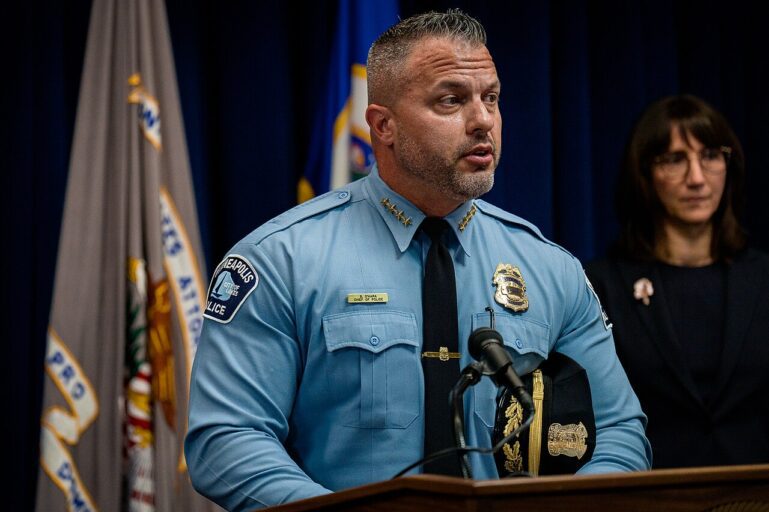
He noted that the woman was shot in the head and later died at a hospital.
Local Outrage and Protests
News of the woman shot by ICE spread quickly through Minneapolis, drawing hundreds of angry residents and activists to the site of the incident.
Protesters chanted against ICE and federal immigration agents, and tensions escalated as law enforcement deployed chemical irritants in an attempt to disperse the crowds.
Minnesota Governor Tim Walz condemned the shooting and signaled that he might deploy the National Guard if necessary to protect public safety. Local leaders also called for a thorough investigation into the use of lethal force by federal agents.
National political figures weighed in as well. U.S. Rep. Jasmine Crockett, a Democrat from Texas and candidate for U.S. Senate, described the incident as “state-sanctioned violence” and said ICE had “murdered a U.S. citizen,” highlighting deep partisan fractures over immigration policy and enforcement tactics.
Broader Implications
This shooting is not an isolated event but part of a larger pattern of controversial enforcement actions under the current federal administration.
Similar confrontations in Chicago and other cities have involved federal agents using force during immigration raids, prompting questions about federal authority, the rules of engagement, and the protection of civil rights during operations.
Critics say the deployment of heavily armed agents to major American cities exacerbates tensions and undermines trust between local communities and federal authorities.
Supporters of the expansion of immigration enforcement argue it is necessary to uphold the law and protect communities from crime, framing the issues as a matter of public safety and national sovereignty. The clash over how and when force should be used remains divisive.
As investigations continue and more footage and testimony come to light, the death of the woman in Minneapolis is likely to remain a central issue in debates over immigration policy, federal power, and community safety.
Whatever the final legal and political outcomes, the incident has already reshaped public discussion about federal immigration enforcement and its human cost.