

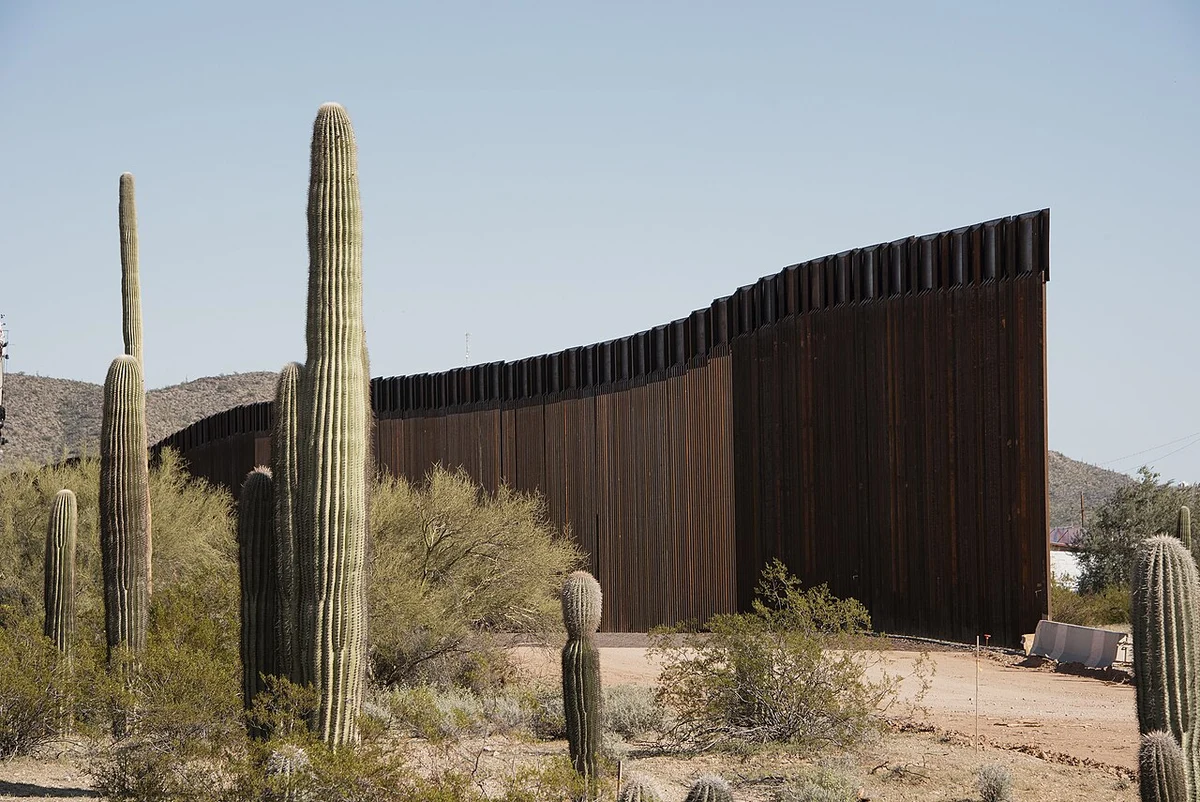
The Trump administration is pushing ahead with what may be the largest public works project in modern American history: hundreds of miles of new border wall cutting through national parks, wildlife refuges, and some of the most ecologically sensitive wilderness left in the country.
And thanks to a legal loophole nearly two decades old, it doesn’t have to answer to a single environmental law while doing it.
The Scale of the Build
Fueled by $46.5 billion in funding from the One Big Beautiful Bill and a 2005 law that waives dozens of environmental protections in the name of border security, the administration’s “Smart Wall” project is advancing at an aggressive pace — roughly three new miles of wall per week.
CBP documents show plans for wall construction through rugged stretches of West Texas desert that are currently experiencing historically low border crossings, plus a second wall across parts of California, Arizona, and New Mexico where barriers already exist from Trump’s first term.
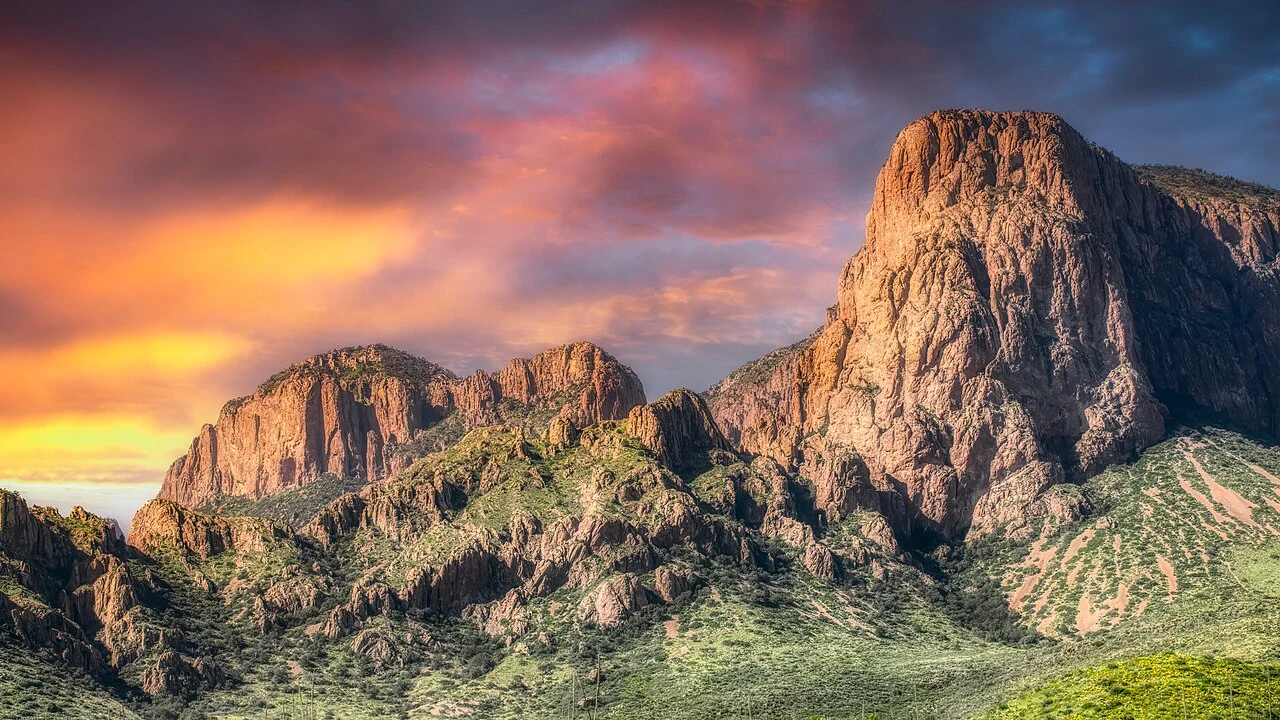
Among the areas targeted: Big Bend National Park, Big Bend Ranch State Park, and surrounding ranchlands that together form one of the most remote, ecologically intact landscapes remaining in Texas. The Rio Grande runs through it.
Endangered species depend on it. And tourism — not oil and gas — is the economic backbone of the communities that live alongside it.
The administration has already issued at least $22 billion in construction contracts. Federal contractors are reportedly scouting remote West Texas communities for land leases and locations to build worker camps.
Environmental Laws Don’t Apply Here
Here’s where the story turns from alarming to enraging.
The Department of Homeland Security has invoked waivers under the REAL ID Act of 2005, a law passed in the aftermath of 9/11 that gives the DHS Secretary sole, unreviewable authority to waive any federal, state, or local law deemed an obstacle to border construction.
That means the Endangered Species Act doesn’t apply. The National Environmental Policy Act — the sweeping federal law that normally requires agencies to study the environmental consequences of their actions — doesn’t apply.
The Clean Air Act, the Clean Water Act, the Native American Graves Protection and Repatriation Act, the American Indian Religious Freedom Act — none of them apply.
No environmental impact studies are required. No public comment periods. No oversight.
It is, as conservation law experts have described it, the broadest waiver of law in American history. And every legal challenge to it over the past two decades has failed.
The Wildlife That Stands to Lose Everything
The border region stretches across six separate eco-regions and is home to 93 threatened, endangered, and candidate species under the Endangered Species Act.
A 2024 study published in Frontiers in Ecology and Evolution found that the existing border wall reduced successful wildlife crossings by 86 percent.
Large animals — black bears, mountain lions, mule deer — were filmed on camera attempting to cross and failing completely against the 30-foot steel bollard wall. (That made me cry)
The species facing the most existential threat include:
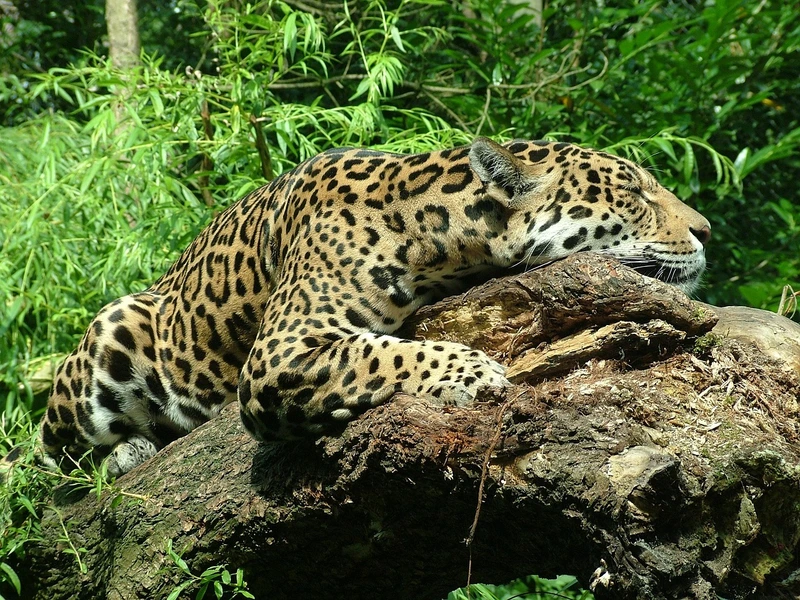
Jaguars — the largest cat native to North America.
At least seven jaguars have been documented in southern Arizona in the past 20 years, migrating north from Mexico through sky island corridors.
Wall construction severs those corridors entirely.
Conservation groups warn it could end any hope of U.S. jaguar recovery.
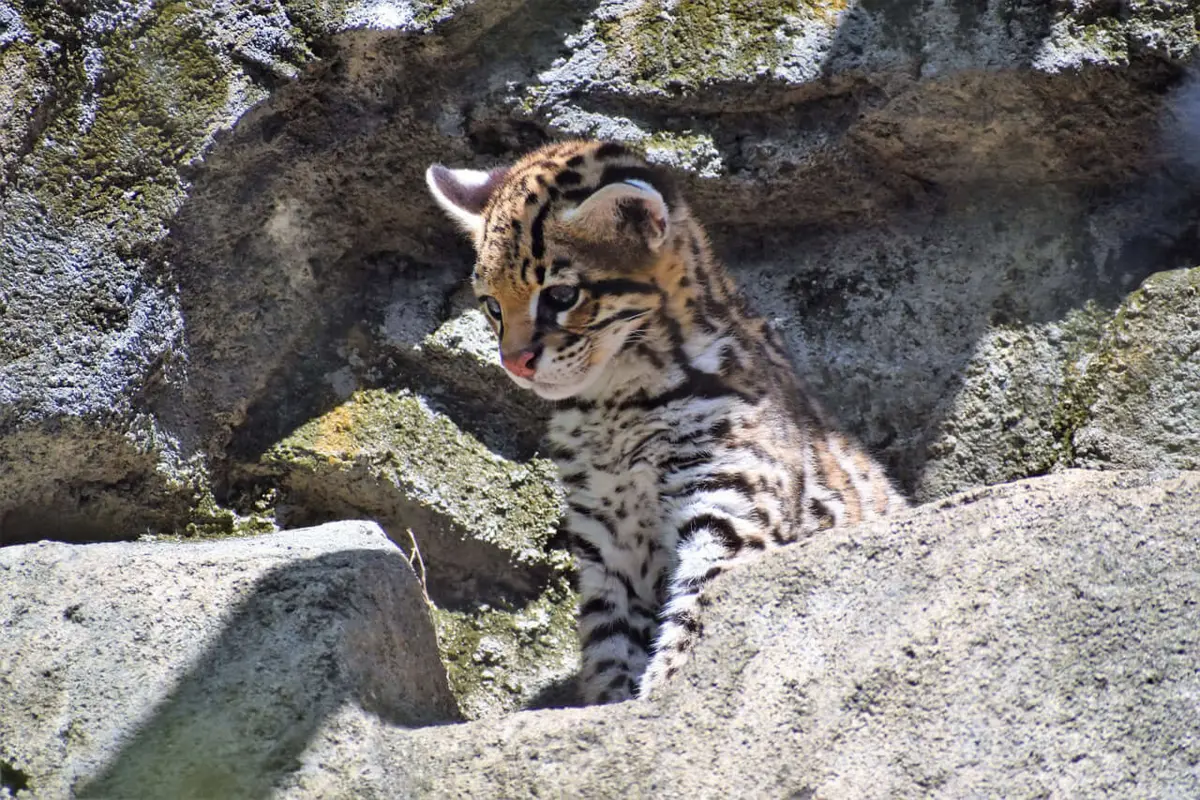
Ocelots — a small, spotted cat with an estimated 50 individuals left in the United States.
Their genetic diversity is already eroding due to isolation from larger Mexican populations.
A wall through the Lower Rio Grande Valley and southern Arizona would cut off the last remaining routes for genetic exchange.
Mexican gray wolves — brought back from the brink of extinction through a decades-long captive breeding and reintroduction program that depends on cross-border movement.
At least two wolves crossed the border recently in search of food and mates. A wall stops that permanently.
Black bears in Big Bend — the bears in and around the national park represent the northern tip of a larger population centered in Mexico’s Sierra Madre.
If the wall cuts off Big Bend, that population becomes an isolated fragment destined to disappear.

Beyond the large animals, the wall threatens critical habitat for species most people have never heard of — the Zapata bladderpod, the Quitobaquito pupfish, the cactus ferruginous pygmy owl, the Quino checkerspot butterfly. The construction footprint isn’t just the wall itself.
It includes patrol roads, staging areas, floodlights, and cleared vegetation that together create a dead zone equivalent to a multi-lane highway stretching across some of the last wild habitat in the American Southwest.
Even Conservatives Are Pushing Back
What makes this story unusual is the breadth of opposition. This isn’t just environmental groups sounding the alarm. Republican officials in the Big Bend region are among the loudest voices against the wall.
Republican Brewster County Judge Greg Henington called it “killing a gnat with a sledgehammer and wasting a colossal amount of money.” Republican Brewster County Sheriff Ronny Dodson warned that a wall would devastate the region’s tourism-dependent economy.
Terrell County Sheriff Thaddeus Cleveland said he never imagined it would come to this. Even a spokesperson for Texas Governor Greg Abbott — no opponent of border enforcement — acknowledged that the governor would prefer technology-based security solutions in remote areas like Big Bend over a physical wall.
Local governments have started passing formal resolutions against construction. Alpine City Council and the Presidio Municipal Development District both voted unanimously against the wall. Brewster County Commissioners, Marfa City Council, and a coalition of border-area sheriffs are preparing similar measures.

The bipartisan resistance has produced at least one partial result. CBP quietly removed planned wall segments from its “Smart Wall” map in the Big Bend National Park area, replacing them with “detection technology” designations.
But the agency made the change without announcement or explanation, and local officials note that the plans have shifted multiple times without notice. A 175-mile stretch of wall from Fort Stockton westward through Presidio, Jeff Davis, and Hudspeth counties appears to still be moving forward.
What This Is Really About
Border residents and law enforcement officials in the Big Bend region make a point that gets lost in the political noise: this area already has extremely low illegal crossing activity. The terrain itself is the deterrent — hundreds of miles of scorching desert, rugged canyon country, and the Rio Grande.
Technology, broadband access, and maintained patrol roads would make border agents more effective here than a 30-foot steel wall that smugglers have already demonstrated they can saw through, climb over, or tunnel under elsewhere.
CBP Commissioner Rodney Scott has defended the project, arguing that infrastructure makes agents more effective. But the communities that actually live on the border aren’t buying it. They see a multi-billion dollar political monument being built through their backyards, their parks, and their livelihoods — with no environmental review, no public input, and no legal recourse.
The wall won’t just divide the United States from Mexico. It will divide ecosystems that took millennia to develop, sever migration routes that endangered species cannot survive without, and destroy landscapes that belong to all Americans — all under the authority of a single cabinet secretary who has been granted the legal power to ignore every law designed to prevent exactly this kind of damage.
That’s not border security. That’s environmental destruction on an industrial scale, rubber-stamped by a legal framework that should never have existed in the first place.