
The federal agents who turned Minneapolis into a militarized zone may have left, but accountability is not leaving with them.
Hennepin County Attorney Mary Moriarty announced on Monday the creation of the Transparency and Accountability Project, a new initiative that invites the public to submit evidence of potentially unlawful conduct by federal immigration agents during Operation Metro Surge.
Through an online portal, residents can upload photos, videos, and written descriptions of incidents they witnessed or experienced firsthand.
The announcement is a direct challenge to the Trump administration, which has stonewalled local investigators at every turn and insisted that federal agents are immune from state-level prosecution.
17 Incidents Already Under Investigation
Moriarty’s office is not starting from scratch.
Her team of county prosecutors and a civilian investigator is already actively investigating 17 separate incidents involving federal agents in the Minneapolis area.
Two of those cases are already public.
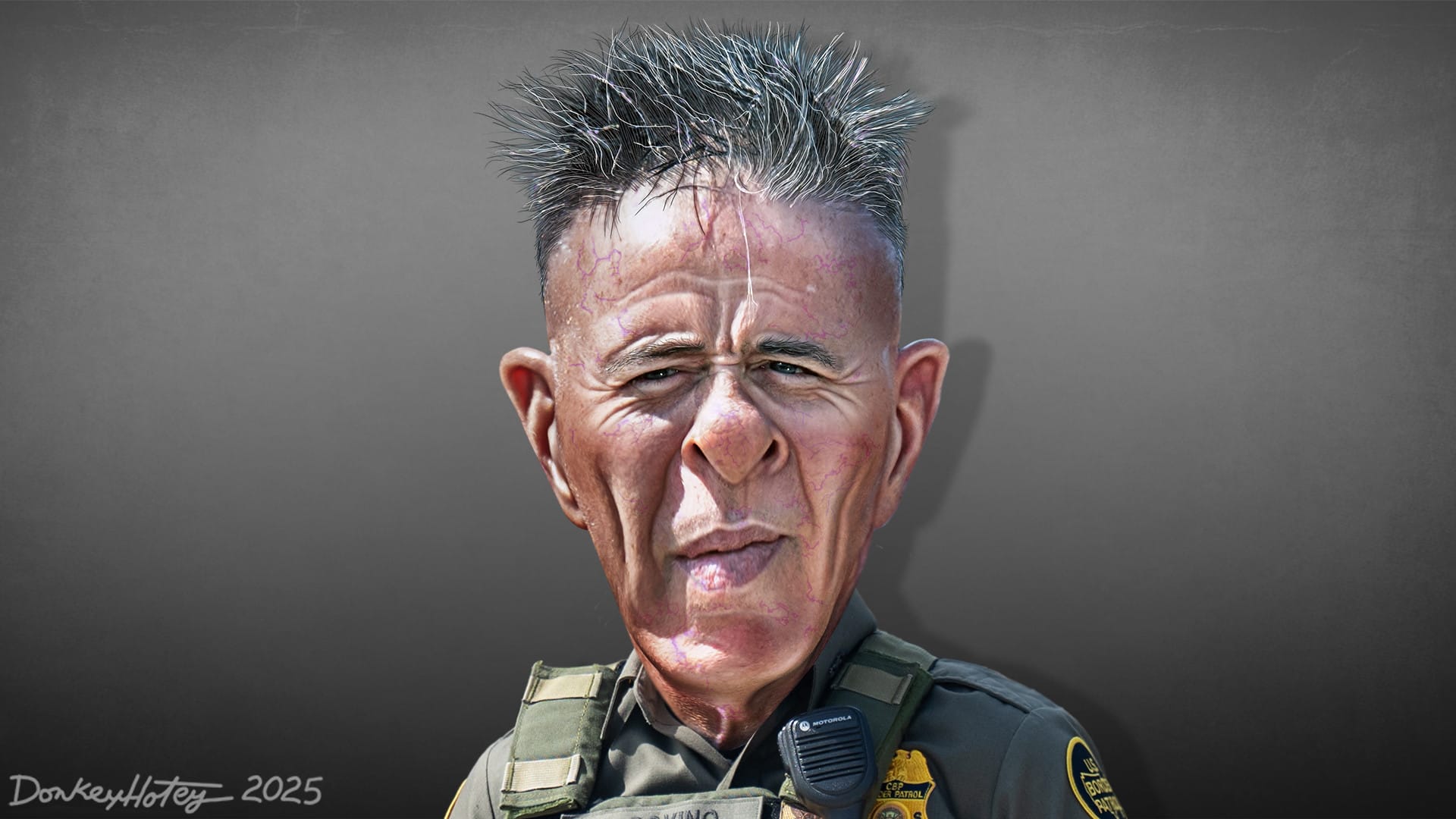
The first involves former U.S. Border Patrol Commander Greg Bovino, who was filmed on January 21 lobbing a canister of chemical irritant into a crowd of residents near Mueller Park in the Lowry Hill East neighborhood.
Video captured by a bystander shows Bovino issuing a series of warnings before hurling the canister, sending plumes of green and gray smoke billowing over protesters and observers who scrambled to escape.
Some were sprayed directly in the face with an orange chemical agent.
The green residue from the gas stained the snow where families and neighbors had been standing moments earlier.
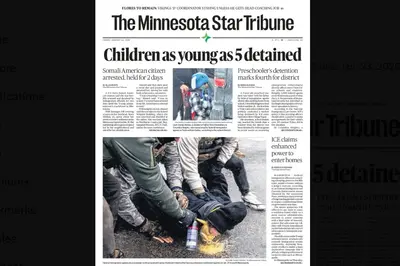
That same day, a Star Tribune photographer captured an image that spread around the world: a federal immigration agent spraying chemical irritant directly into the face of a man who was already pinned to the ground (left).
The second confirmed investigation involves federal agents who confronted students and staff outside Roosevelt High School on January 7.
Witnesses reported agents tackling people and deploying chemical irritants near the school at the end of the school day.
Minneapolis Public Schools canceled classes for the remainder of the week following the incident.
Moriarty acknowledged that privacy concerns for potential victims prevented her from publicly identifying the other 15 incidents under investigation.
But her message to the community was unambiguous: submit what you have.
The Bloody Trail of Operation Metro Surge
The Transparency and Accountability Project exists because of what federal agents did to Minneapolis over the span of several months. And the full scope of it is horrendous.
Operation Metro Surge began in December 2025 when the Trump administration deployed more than 3,000 federal officers and agents from ICE, Customs and Border Protection, and other agencies into the Twin Cities.
The Department of Homeland Security billed it as the largest immigration enforcement operation in the agency’s history.
Related

It was initially framed as targeting undocumented Somali immigrants, despite the fact that the vast majority of Somali Minnesotans are U.S. citizens or legal permanent residents.
What followed was a campaign of fear and violence that left two U.S. citizens dead.
On January 7, ICE agent Jonathan Ross shot and killed Renee Nicole Good, a 37-year-old American woman, in Minneapolis.
Good was in her vehicle when agents approached.
Federal officials and President Trump claimed the agent acted in self-defense, but video evidence tells a more complicated story, and local authorities have been fighting to access the full investigative record ever since.
On January 24, another U.S. citizen, Alex Pretti, was fatally shot by a federal immigration agent just days after the Mueller Park confrontation.
A third shooting involved a Venezuelan national in north Minneapolis on January 14.
Moriarty’s office had previously opened separate evidence portals for the Good and Pretti killings, which collected over 1,000 submissions from community members before being closed.
That evidence is now with the Minnesota Bureau of Criminal Apprehension, which is interviewing witnesses and building case files for potential criminal charges against the federal agents involved.
The Trump Administration’s Response: Obstruction and Defiance
The federal government’s response to all of this has been a wall of silence and legal threats.
A Department of Homeland Security spokesperson dismissed the investigation outright, claiming that enforcing federal immigration laws is a clear federal responsibility and that state prosecutors have no standing to investigate.
DHS told the Associated Press that what Minnesota is doing is “unlawful” and that federal officials acting in the course of their duties are immune from state law.
Moriarty has pushed back forcefully.
Her office has sent formal demand letters to multiple federal agencies requesting investigative materials related to the shootings.
The deadline for the Renee Good case has already passed with no response.
Deadlines for the Pretti and Sosa-Celis cases expired this week.

Moriarty issued new demands for the materials
Moriarty has said her office is prepared to sue the federal government if those materials are not turned over.
She also made clear that she does not accept the administration’s sweeping immunity claims, pointing out that there is no absolute immunity for federal agents who break the law.
The Cost of the Surge
The damage Operation Metro Surge inflicted on Minneapolis goes far beyond the shootings.
The city’s Emergency Operations Center estimated the economic toll for January alone at more than $200 million.
Local businesses lost an estimated $81 million in revenue.
Workers lost $47 million in wages.
Hotels suffered $4.7 million in cancellations.
More than 76,000 people experienced food insecurity during the operation, and nearly 9,000 school-aged children needed emergency food services.
Mental health providers reported a 50 percent drop in client contact as immigrant communities sheltered in place, too terrified to leave their homes.
Churches, schools, coffee shops, and local stores transformed into pop-up distribution centers, mounting a relief effort that resembled a natural disaster response.
And while all of this was happening, nearly 95 Minneapolis police officers were diverted from their regular duties on January 7 alone to deal with the aftermath of the Good shooting, leaving 911 calls unanswered across the city.
What Comes Next
Bovino was removed from his command in late January and sent back to his previous post in El Centro, California.
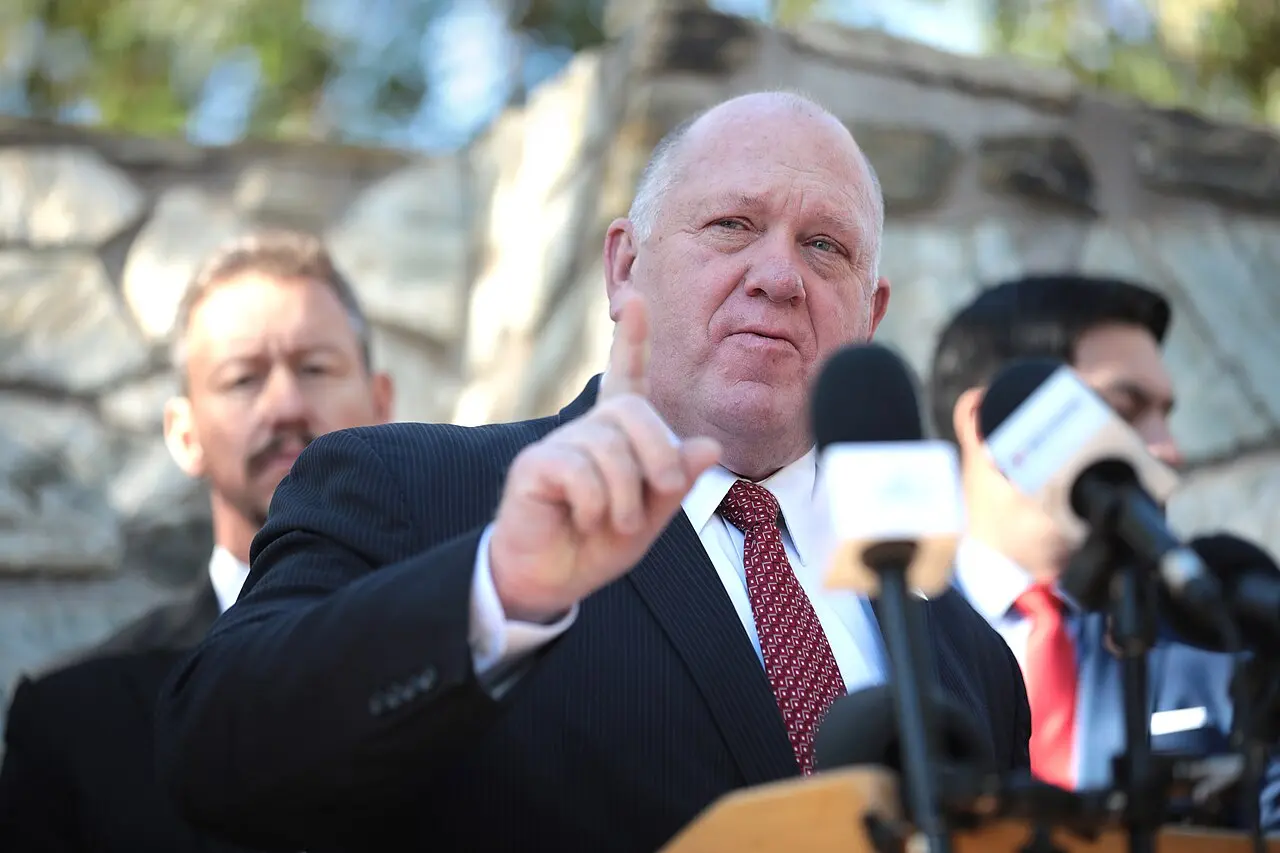
Tom Homan announced the end of Operation Metro Surge in mid-February, and DHS officials have said there are no plans for similar city-specific enforcement operations going forward.
But the people of Minneapolis are still living with the consequences.
Families lost loved ones.
Communities were terrorized.
Children watched federal agents deploy tear gas near their school.
And the federal government has refused to provide even basic transparency about what its agents did and why.
The Transparency and Accountability Project is Hennepin County’s answer to that refusal.
It is an act of local government stepping into the gap when the federal government will not police itself.
Whether it leads to criminal charges against agents like Bovino remains to be seen.
Prosecuting federal officers presents significant legal hurdles that Moriarty has openly acknowledged.
But the message from Minneapolis is clear: someone is watching, someone is collecting the evidence, and someone intends to hold these agents accountable, no matter how long the fight takes.
Caricature of Greg Bovino by DonkeyHotey on Flickr CC BY 2.0