

February 5, 2026, updates added to the original story from December 2025
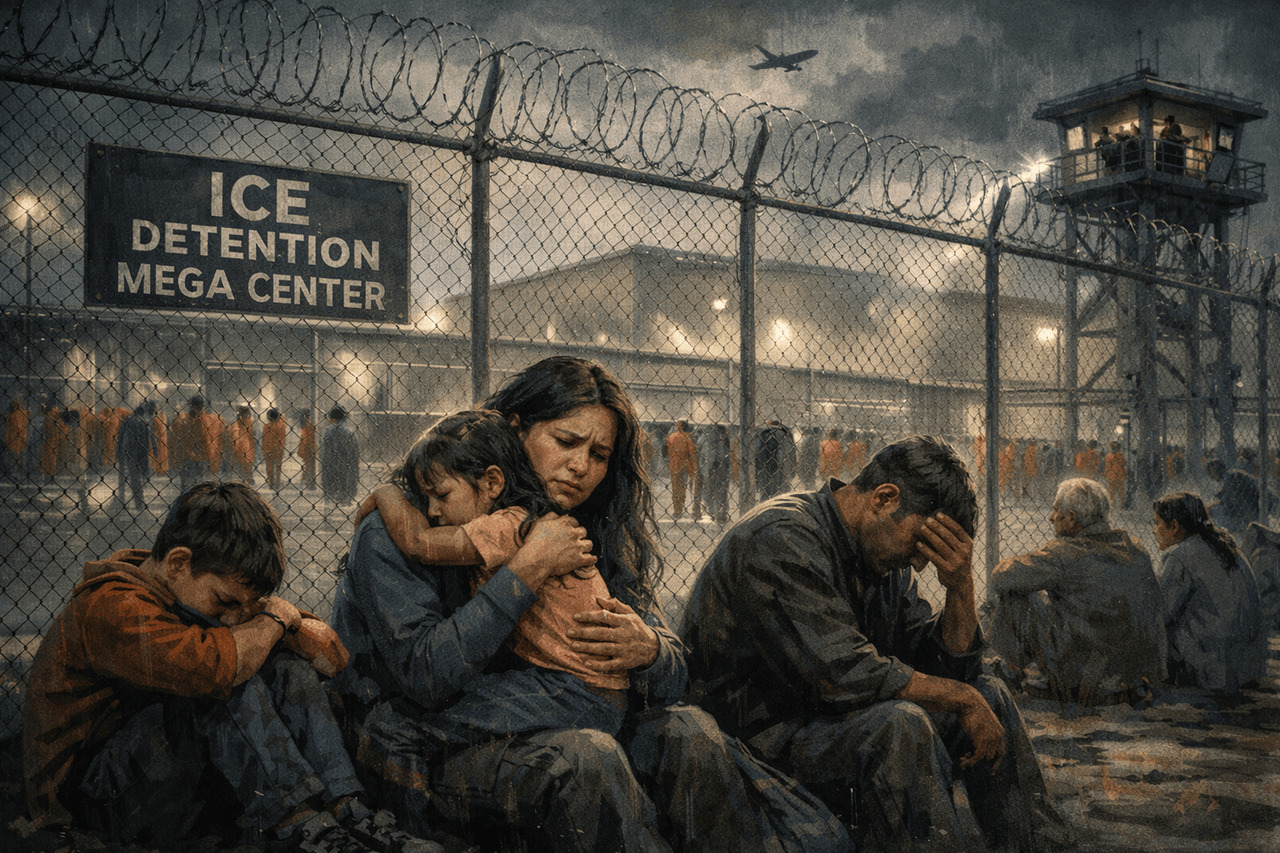
The term “mega centers” is now surfacing in discussions about the future of U.S. immigration enforcement, but it isn’t a buzzword — it’s becoming a grim reality. Recent reporting reveals that the federal government is preparing to build and repurpose massive detention facilities that could hold thousands of immigrants at a time, dramatically expanding the nation’s detention infrastructure and raising serious questions about human rights, oversight, and what kind of legacy America wants to leave on its soil.
At the heart of this expanding detention network are the so-called mega centers — large warehouse-style facilities designed to house thousands of people under the custody of U.S. Immigration and Customs Enforcement (ICE). These are not small processing offices or temporary holding rooms at the border; they are facilities with capacities that dwarf most existing immigration detention centers, with some projected to hold 5,000 people or more at a single site.
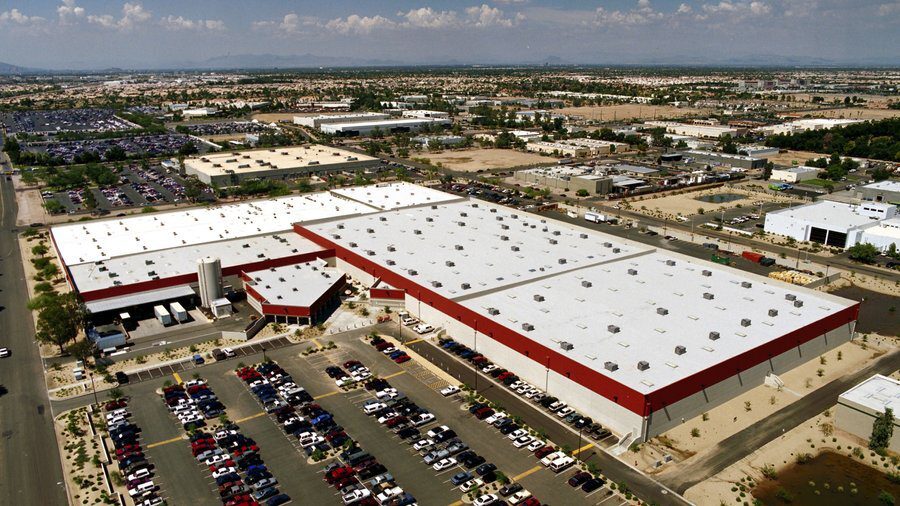
This shift toward mega centers comes amid a broader expansion of ICE’s detention capacity. According to investigative coverage, the Trump administration is pursuing plans to convert large warehouses — even those formerly used by Amazon and other corporations — into detention hubs, a strategy that would vastly increase the number of available beds.
Officials describe these retrofitted spaces as potential mega detention centers, reflecting a move away from decentralized, community-scale facilities to sprawling, centralized detention infrastructure.
The scale of this expansion is unprecedented. Congress provided tens of billions of dollars in funding for immigration detention and enforcement, enabling ICE to add tens of thousands of new beds and dramatically enlarge its nationwide footprint.
Analysts estimate that under current plans, the agency could house more than 100,000 detainees across a mix of traditional facilities, new detention centers, and mega centers within just a few years.
For many advocates and community leaders, the rise of mega centers symbolizes a shift to industrial-scale detention with serious human consequences. Immigration rights organizations have long criticized the conditions inside existing facilities, citing overcrowding, lack of adequate medical care, and limited access to legal representation.
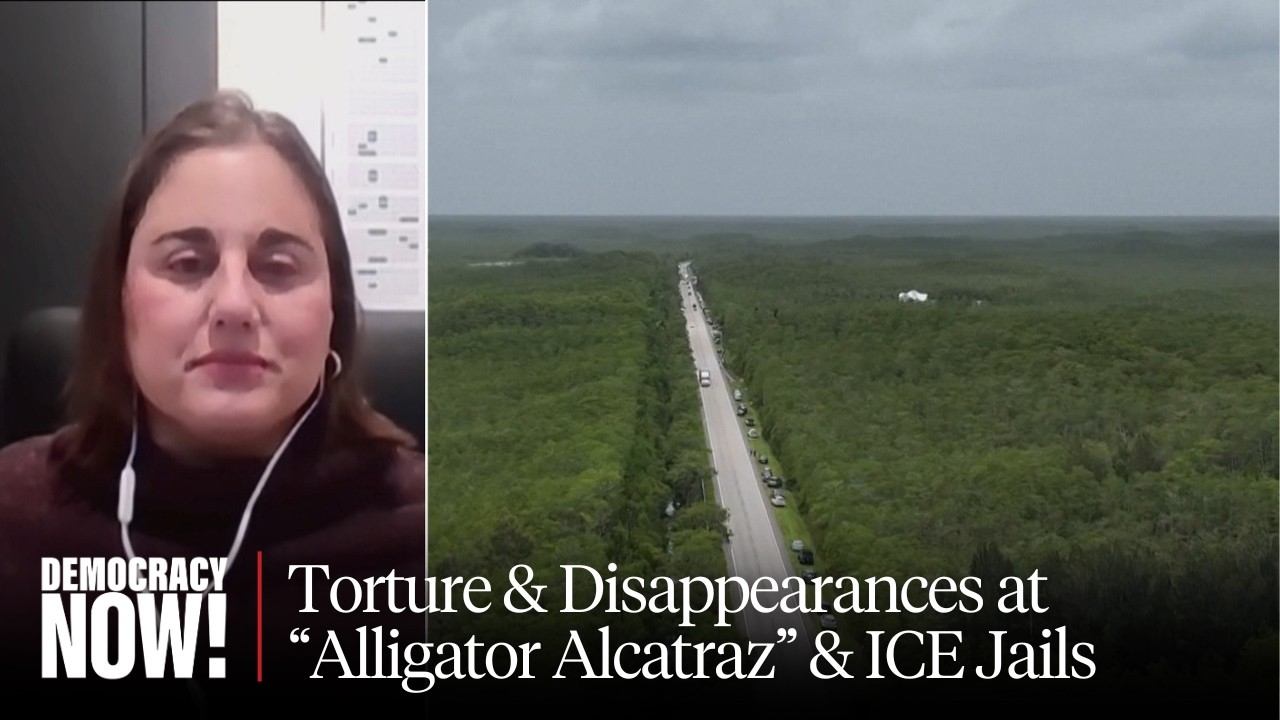
An Amnesty International report recently revealed human rights violations, citing how immigrants have been shackled and locked in metal cages in the swamp at Alligator Alcateaz. Detainees often include families, asylum seekers, and people with no criminal history, yet many are held for weeks or months while their cases work through the immigration system.
Amnesty International Report on Human Rights Violations at Alligator Alcatraz
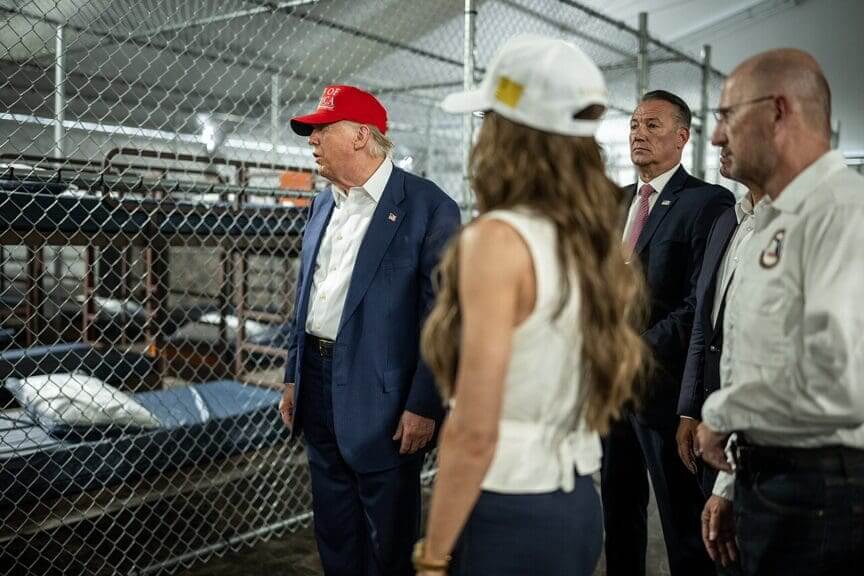
Critics argue that mega centers will only amplify these problems. Large, isolated facilities can make visits from lawyers, family members, and oversight bodies more difficult, reducing transparency and accountability. Indeed, concerns over oversight have already prompted legal challenges.
A federal judge recently struck down a policy that blocked lawmakers from making unannounced visits to ICE facilities, a decision rooted in worries that restricted access obscures conditions inside expanding detention sites.
The political debate over mega centers is fierce. Supporters within the administration and some lawmakers argue that larger detention facilities are necessary to manage a system under strain, especially as immigration enforcement expands beyond the southern border into interior communities. They say larger centers consolidate resources, streamline processing, and can be designed with better health and safety infrastructure than smaller, older facilities.
Yet local resistance is already forming. In communities across the country, zoning boards and city councils are pushing back against proposals tied to ICE expansion, citing concerns about neighborhood impacts, oversight, and the moral implications of hosting huge detention complexes. These battles are unfolding in towns far from the border, underscoring how mega centers are transforming national immigration policy into a local issue.
Beyond logistics and budgets, the discussion around mega centers touches on fundamental questions about justice and humanity. What does it mean to confine thousands of people in vast, warehouse-like compounds while they await decisions on asylum or deportation? How does this square with America’s professed values of fairness, due process, and compassion?
As lawmakers, advocates, and ordinary citizens grapple with these questions, the reality of mega centers is already taking shape. Whether these facilities become permanent fixtures or a contentious chapter that the country later regrets depends on the decisions made today — and the voices raised to influence them.
Opinion: Did we learn nothing from the shame and regret we felt as a country after we rounded up Japanese-Americans and housed them in internment camps? If we don’t learn from the mistakes of our past, say it with me—we’re doomed to repeat it. Interested in that period of U.S. history? Rachel Maddow’s Burn Order podcast is an excellent resource.
The description of the Burn Order podcast sounds eerily similar to the present situation.
“The U.S. military is deployed on the streets of America, tasked with carrying out the mass round-up of innocent immigrants and American citizens labeled by the government as the “enemy” within. Tens of thousands of American families are forced to live in hastily constructed prison camps — enduring inhumane conditions — while government officials scramble to figure out what to do with them all.”