
In early January 2026 the U.S. Department of Homeland Security (DHS) began what officials are calling the largest immigration enforcement operation in Minnesota history, deploying roughly 2,000 federal agents to the Minneapolis-St. Paul area.
The massive surge of personnel from Immigration and Customs Enforcement (ICE), Homeland Security Investigations and Customs and Border Protection has intensified an already charged political and social conflict over immigration policy, civil liberties and the treatment of immigrant communities.
DHS Secretary Kristi Noem touted the effort as a decisive move to pursue alleged immigration violations, fraud and related crimes, including human smuggling and unlawful employment practices.
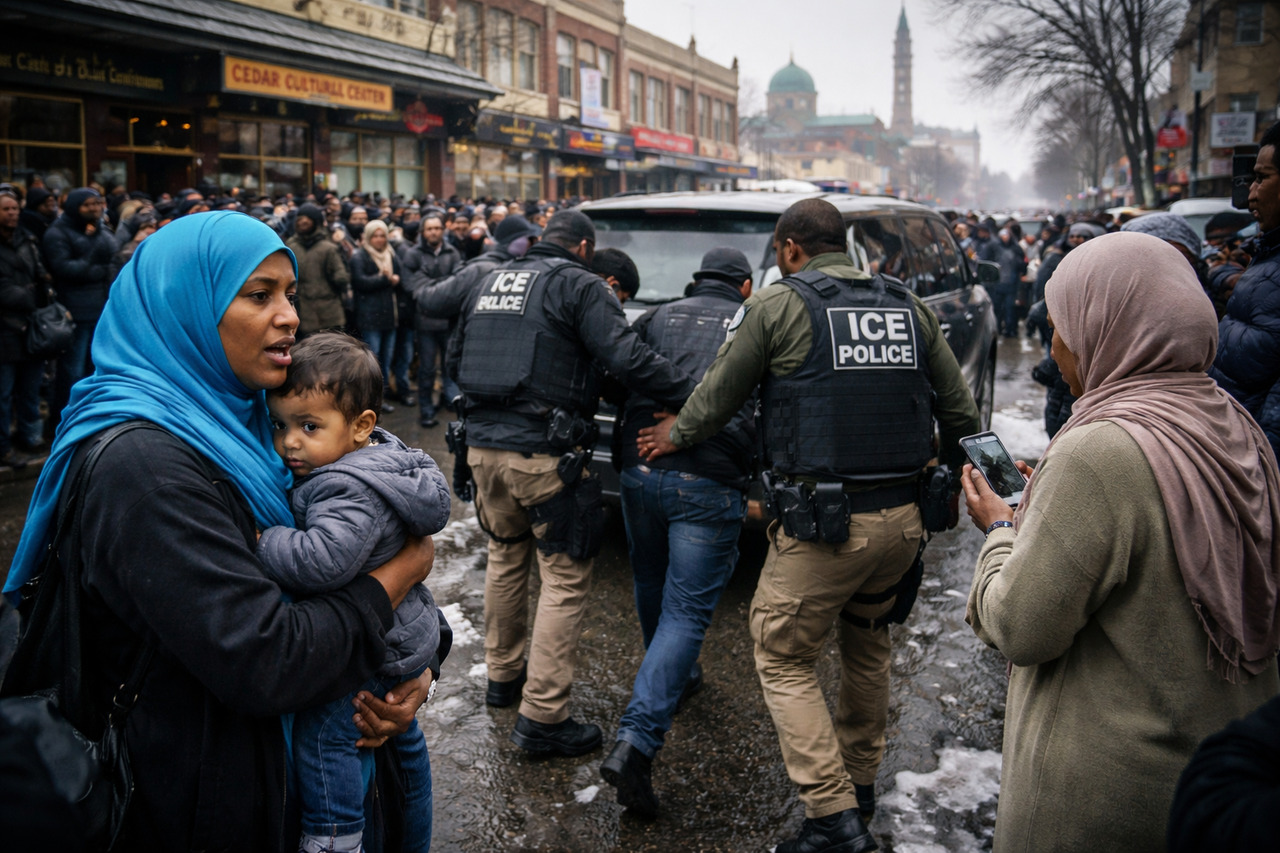
Federal agents have been conducting door-to-door investigations, checkpoints and targeted arrests of people suspected of lacking legal status, as well as pursuing cases tied to alleged benefit fraud.
But for many Minnesotans — particularly in the state’s large Somali community — the operation feels less like law enforcement and more like an unwelcome occupation.

Minnesota’s Somali Community at the Center of Enforcement and Controversy
Minnesota is home to the largest Somali population in the United States, a community that began forming in the 1990s as refugees fled civil war and instability in East Africa.
In recent months, political rhetoric and federal action have put that community in the national spotlight. Allegations of widespread fraud in social service and childcare programs — amplified by viral online videos and conservative media — have framed the federal response, though many of those claims remain the subject of dispute and investigation.
City officials and local advocates say the operation has disproportionately disrupted Somali neighborhoods, creating a climate of fear among both documented residents and those with unresolved immigration status.
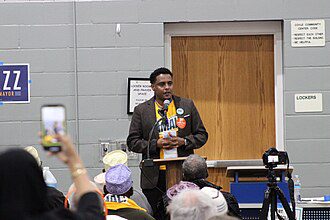
Minneapolis City Council member Jamal Osman, who represents a heavily Somali district, has been a vocal critic, asserting that enforcement has at times felt indiscriminate rather than targeted.
Incidents of confrontation between residents and federal officers have already occurred. In December, federal agents used pepper spray to disperse a crowd in the Cedar-Riverside neighborhood as they checked identifications, illustrating growing tension on the ground.
State and Local Leaders Push Back
Republican federal officials have defended the operation as necessary to enforce immigration law and address fraud and criminal conduct.
Secretary Noem has declined to entertain criticism of President Trump’s controversial statements about Minnesota’s Somali residents, saying her focus remains on policing streets rather than “policing President Trump’s words.”

At the same time, Minnesota’s political leaders have condemned the federal response as heavy-handed and politically motivated.
Read Next

Democratic Gov. Tim Walz has labeled the surge a destabilizing “war” on his state and criticized the lack of coordination with local authorities.
Minneapolis Mayor Jacob Frey has publicly questioned federal tactics, especially after a fatal shooting tied to the enforcement operation.
Death of a Civilian Ignites Outrage
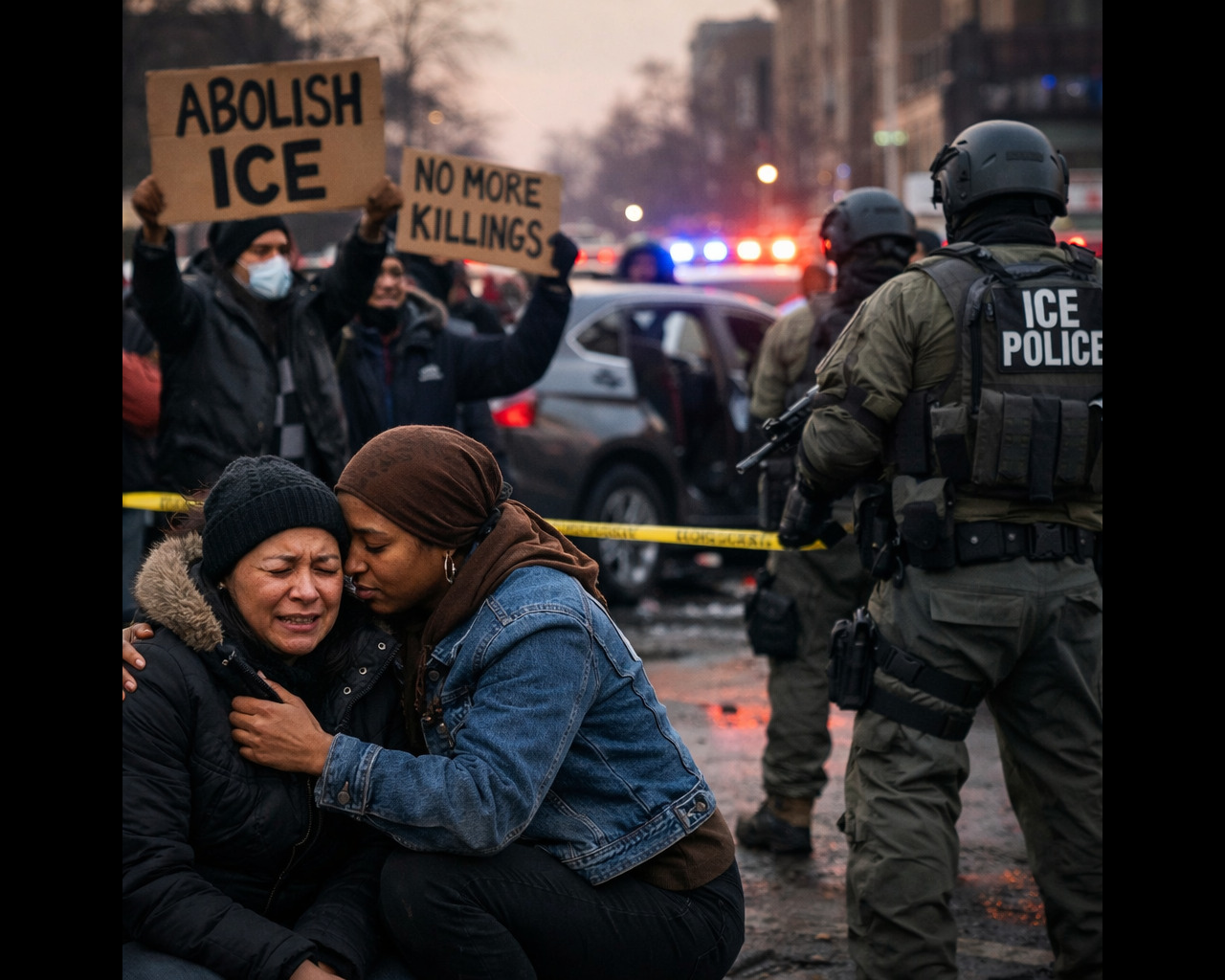
On January 7, a 37-year-old woman was fatally shot by an ICE agent in South Minneapolis during a segment of the operation. DHS characterized the incident as self-defense, alleging the woman attempted to ram officers with her vehicle in an “act of domestic terrorism.”
Local officials have strongly disputed that account, citing video evidence that suggests the vehicle may have been attempting to turn around rather than charge toward agents.
Mayor Frey called the shooting “reckless” and demanded that ICE end operations in the city. The tragedy prompted immediate protests at the scene, some of which were met with tear gas and other crowd-control measures from federal forces.
Broader Impact and Public Reaction
The federal crackdown has reverberated beyond Somali communities, drawing national attention and fueling broader debates over immigration enforcement in sanctuary jurisdictions.
Some residents report avoiding public spaces out of fear of encountering agents. Minneapolis City Council members and immigrant advocates have organized community alerts, legal aid resources and public statements opposing the presence and methods of ICE agents.
In one symbolic flashpoint, a Hilton-affiliated hotel in the Twin Cities canceled room reservations for federal agents after learning of their booking status.
The incident sparked a corporate clarification from Hilton that the property was independently owned and reaffirmed the company’s intent to work with law enforcement — but the clash highlighted how deeply divided local sentiment has become.
What This Means for Minnesota and Beyond
The largest immigration enforcement operation in Minnesota history reflects broader national tensions around immigration policy, enforcement priorities and community rights.
Federal officials argue they are implementing long-standing laws; critics say the scale and intensity of this deployment suggest a punitive and politically charged approach. For immigrant families, the stakes are especially high: uncertainty about legal status, fear of deportation and the loss of community trust in law enforcement are now daily realities in parts of the Twin Cities.
As the operation continues to unfold, both the legal battles and political ramifications are likely to escalate. Minnesota leaders, immigrant advocates and civil liberties groups are promising ongoing resistance, even as federal agents press their efforts.
At a moment when immigration has become one of the country’s most polarized topics, the echoes of this enforcement surge could shape policy and politics far beyond state lines.