

Update: Original reporting in this article came from news reports by reputable outlets like AP and Reuters. We’ve since learned that, as expected, Kristi Noem, Stephen Miller, and Greg Bovino immediately lied about what took place prior to the shooting of 37-year-old VA hospital ICU nurse, Alex Pretti. Video footage recorded by bystanders on their cell phones showed every possible angle of the incident.
Pretti did have a gun, but he was carrying it in a holster with a legal permit to carry. He never “brandished” the weapon and did not approach border patrol agents with the gun. They weren’t aware of the firearm until after Pretti attempted to help a woman who had been shoved to the ground and pepper-sprayed by one of the agents. Then they pepper-sprayed Pretti, took him to the ground, and around six or seven agents jumped on top of him.
One agent can be seen repeatedly striking Pretti in the head with a gun or pepper spray canister. Another agent is shown removing the gun from the victim’s holster and walking away with it. It wasn’t until after the gun was removed from the victim that an agent shot Pretti from behind, followed by several additional gunshots, totalling around 10 altogether.
Members of the Trump administration have been using the fact that Alex Pretti was carrying a legal firearm as the reason for the shooting. These are the same people who made Kyle Rittenhouse a martyr after he went to a BLM protest in Kenosha with an AR-15, shooting three people, killing two of them.
This is also the same party whose supporters went to vote counting centers during the 2020 election with rifles. They did the same thing at a protest in the Michigan State Capital. It is the most hypocritical stance they have taken. Ever.
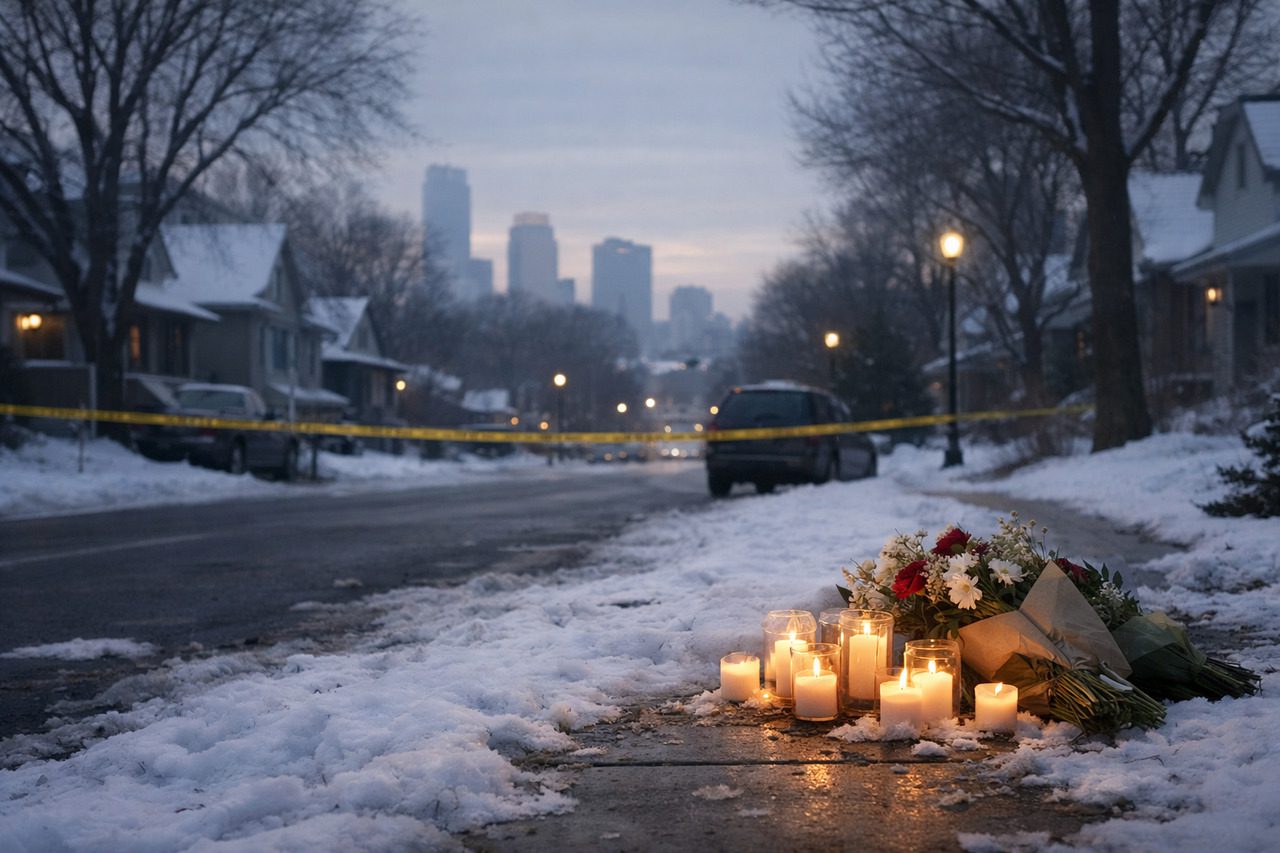
On Saturday, the city of Minneapolis was shaken again by violence that has gripped the community for weeks. Early that morning, ICE agents shot and killed a 37-year-old man in Minneapolis during an “immigration enforcement operation.”
This is the second fatal incident involving federal agents in the city in as many weeks with the shooting of Renee Good sparking major protests and heated debates over ICE agents in the state.
ICE agents shot man in “self-defense”
At the heart of this latest tragedy is a man who, according to local officials, was a lawful gun owner and American citizen who lived in Minneapolis. Federal authorities stated that he approached U.S. Border Patrol officers with a handgun during the operation, and they fired in what they called “self-defense.”
Video circulating on social media shows several agents wrestling with him before multiple shots were fired. Medics attempted to help, but he was later declared dead at the scene.
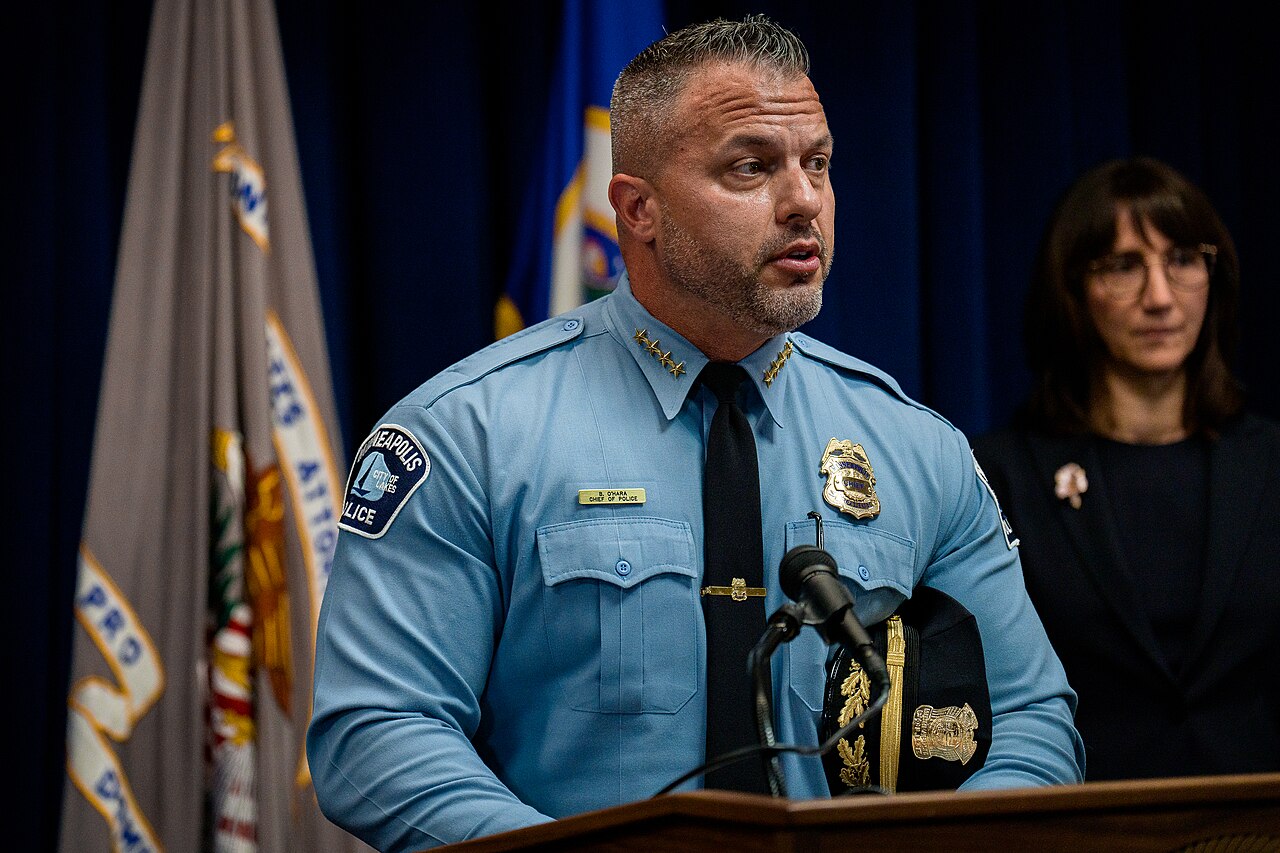
What makes this loss especially painful for many in the community is that he was not a stranger to local police. Minneapolis Police Chief Brian O’Hara said the victim’s interactions with police in the past were limited to minor matters like traffic tickets, and there was no serious criminal history on record.
Why are federal agents in Minneapolis?
This string of shootings is unfolding amid an unusually large federal immigration enforcement campaign that has brought thousands of agents into Minnesota. The Department of Homeland Security says these officers are there to carry out targeted operations.
But city and state leaders — including Minneapolis Mayor Jacob Frey and Governor Tim Walz — have publicly criticized this federal presence, arguing that it is making the city less safe rather than safer, and urging an end to the deployment.
In Minneapolis and across the state, many residents feel the federal approach has gone too far and shows a troubling use of force against people in their own neighborhoods.
Just a day before this latest shooting, tens of thousands of people marched in an economic strike—in freezing temperatures—to protest against Immigration and Customs Enforcement (ICE) operations and call for a halt to what they describe as a harmful crackdown.
Public Reaction and Rising Tensions
The killing quickly ignited anger and grief in the community. After the shooting, law enforcement blocked streets and used tear gas to keep protestors back from the scene — an image that underscores how tense the situation has become. Local authorities also appealed for calm while trying to maintain order.
Civil liberties groups like the American Civil Liberties Union (ACLU) and its Minnesota chapter have strongly condemned the killing. They argue that federal agents have been operating without sufficient oversight and are putting everyday people at risk.
The ACLU has called for an immediate end to these federal operations in Minnesota and demands an independent investigation into the shootings that have led to these deaths.
For many residents, the issue isn’t just about one man’s death; it’s about a pattern that feels out of step with community safety and justice. It evokes deep concerns over the way decisions about life and death are made on the streets.
Political Pressure and Calls for Accountability
This isn’t just a local issue — it’s become a national spotlight. Minnesota’s leaders, including Democratic U.S. Senators and Representatives, have publicly criticized the federal actions and are pushing for accountability and transparency for ICE.
At the same time, federal officials have defended the actions of their agents (predictably), saying officers were placed in dangerous situations and acted to protect themselves and others.
The contradictory narratives between local leaders and federal authorities are fueling even more distrust and anger.
Why This Matters to All of Us
This ongoing situation in Minneapolis raises questions that go beyond one city’s borders. People from all walks of life are watching how federal enforcement is being carried out in neighborhoods across America.
When someone dies in a confrontation with law enforcement — whether local or federal — it causes us to question how we balance public safety with respect for human life and community trust.
Lives lost in violence are not just headlines or statistics. Each one represents families, friends, and communities left to grieve and search for answers. When deaths happen in situations that are unclear or contested, it deepens pain and mistrust.
Many are now asking whether there are better, safer ways to carry out a mass deportation operation without risking so many lives and creating so much community instability. We know it’s possible. Past presidents deported more people without anything like this chaos on our streets.
In Minneapolis, people are looking for clarity, accountability, and change. They want safety that doesn’t come at the cost of human dignity. That’s the core of why this story continues to ripple far beyond Minnesota—and why conversations about justice, policing, and this federal power grab must continue.