

When someone crosses oceans and borders to show the world the truth, we often think of them as courageous. For Guan Heng, that courage took the shape of a camera and a willingness to document what he found in China’s Xinjiang region – home of Uyghur re-education camps, and a region where millions of Uyghurs and other Muslim minorities have faced systemic repression.
But today, that same man who courageously tried to shine light on injustice is fighting to stay safe himself, trapped in a perilous limbo far from home.
The fact that this is happening in the United States, a country dissidents flee to for safety and protection from the powerful governments they spoke out against, is disgraceful and antithetical to what America has always been—a country of immigrants where asylum-seekers are welcomed. That French politician was right to suggest we return the Statue of Liberty. Having her on our shore, a gateway that so many immigrants—our ancestors—passed through as they entered the country, is now a cruel joke,

Guan Heng, a 38-year-old Chinese national, left his homeland years ago. He journeyed through South America and eventually came to the United States. In 2021, after witnessing alleged human rights abuses against Uyghurs, he created video material that documented sites tied to the mass detention and repression happening in Xinjiang – places that international human rights experts have linked to ongoing crimes against humanity.
His footage helped confirm what many survivors, refugees, and rights organizations have been saying for years: that deep injustices are taking place in Xinjiang, utterly reshaping the lives of families, communities, and cultures. The videos weren’t just pixels on a screen. For many around the world, they became evidence, testimony, and a call to conscience. That call helped inform foreign policy, shaped the Uyghur Forced Labor Prevention Act, and galvanized advocacy groups pushing for accountability.
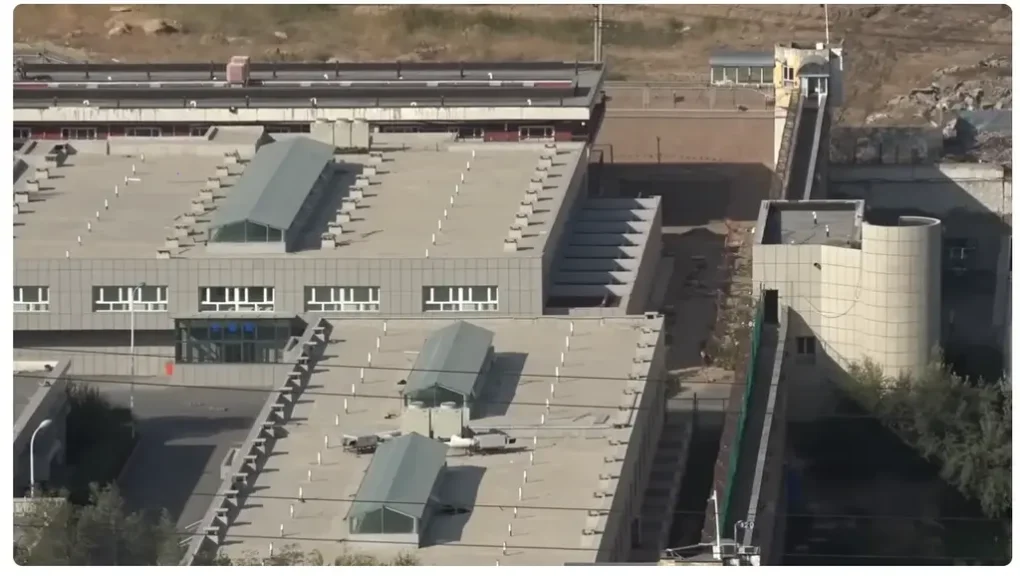
Yet despite his work as a documentary filmmaker – someone trying to uplift voices often silenced inside China – Guan Heng is now detained by U.S. Immigration and Customs Enforcement, in a detention center similar to the places he exposed in China, facing deportation proceedings that could ultimately return him to harm.
Authorities originally sought to deport him to China, but after receiving major pushback, they changed it to Uganda. However, Uganda has ties to China, meaning there’Sa chance that they’ll send him back there. Was the decision to send him to Uganda just a cruel troll by the government? A way to trick Americans and still deport him to China?
His story is painfully ironic: a truth-teller who sought refuge could now be removed and sent back to the very place he fled.
The Human Toll of Xinjiang’s Repression
To understand the gravity of what Guan Heng’s work uncovered, it’s vital to look beyond the headlines and into the lived reality of Uyghurs.
For nearly a decade, the Chinese government’s actions in Xinjiang have drawn scrutiny from the United Nations, human rights groups, academics, and governments around the globe. Reports have detailed mass detentions of Uyghurs in what are described as re-education camps, strict surveillance systems, forced labor, family separations, and wide-ranging limitations on cultural and religious freedoms.
Human rights groups estimate that hundreds of thousands – possibly over a million – Uyghurs and other Turkic Muslims remain detained in these facilities. Individuals returned to China against their will have faced arbitrary imprisonment, prolonged separation from loved ones, and other serious abuses. The United Nations has said these actions may amount to crimes against humanity. 
This context is crucial to appreciate why Heng’s documentation wasn’t just reporting but an act of bearing witness. And it’s why many rights advocates argue that his possible deportation is not just bureaucratic procedure – it’s a threat to his safety and to the principles of asylum and protection.
Caught Between Two Systems
Guan Heng’s situation brings into sharp focus a heartbreaking paradox: the very country that has granted him refuge may also send him back to the danger he fled.
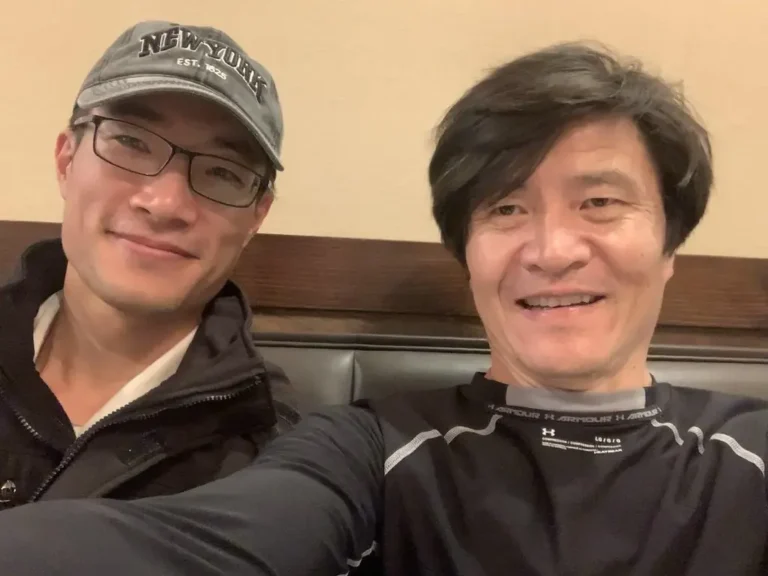
His immigration hearing in New York earlier this month set another court date for January, as a judge considers whether he can instead seek safety in a third country like Uganda – which has agreed to accept deportees from the United States. His attorneys argue that returning to China could mean punishment, including detention or worse, because of the content of his work. His mother has spoken publicly about her fear and worry for his wellbeing.
It is a frightening scenario: a storyteller whose mission was to reveal pain and struggle now faces his own ordeal, uncertain where refuge truly lies.
Guan Heng’s case forces us to ask a simple but profound question: How do we treat the people who choose to speak truth to power? When those truths are uncomfortable or politically fraught, do we protect the messenger or turn them away?
The answer matters not just for one man, but for all the people around the world whose stories have yet to be told.
This story is part of Resist Hate’s commitment to share the stories of individuals caught up in President Trump’s mass deportation operation to expose the injustice and human rights violations taking place in this country. The first story inspired by our new mission was published yesterday.
The Why This Matters box is a new feature at Resist Hate providing a summary of the important parts of a story and an explanation of why it should matter to all of us. Like it? Hate it? Let us know!