

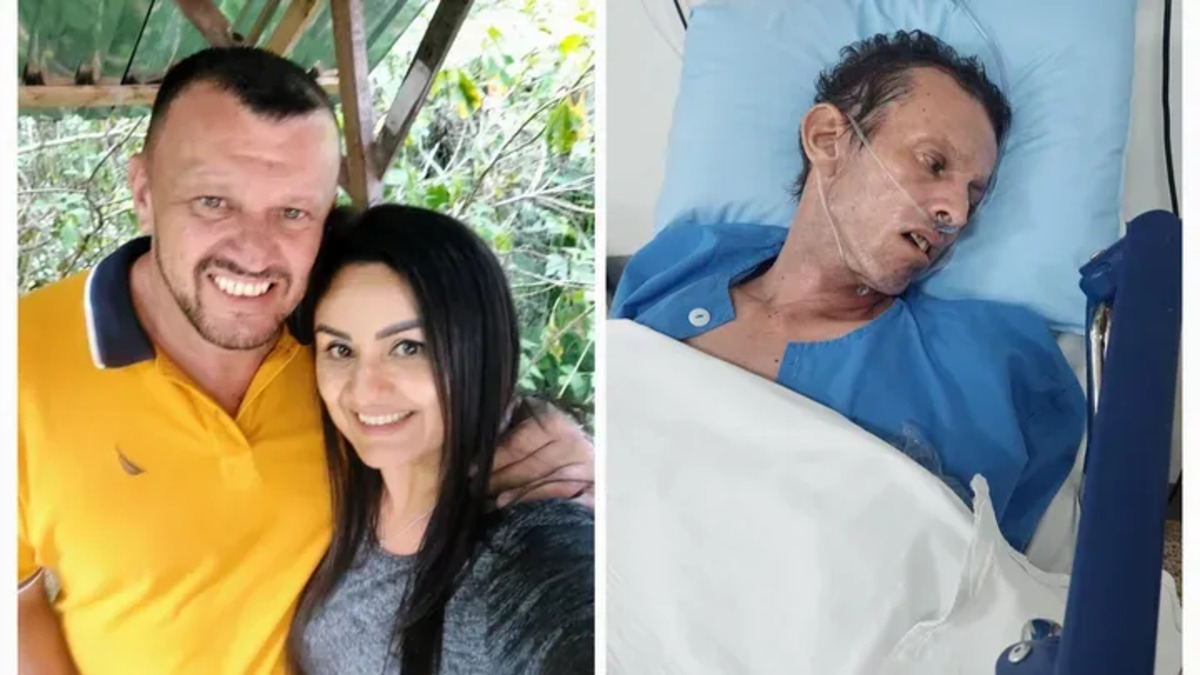
A heartbreaking story has shaken families and advocates in both North and South America. The family of Randall Gamboa Esquivel says he was effectively deported to Costa Rica in a vegetative state, only to die weeks later.
32 people have died in ICE custody since Trump took office in January 2025, nearly three times the number of deaths in 2024 and the most since 2004, according to a report by The Guardian.
His loved ones are now demanding answers from U.S. authorities about how his health deteriorated so severely while he was in ICE custody.
This the latest in a series of incidents where people in detention centers have been ignored or denied medical care. Yari, an Arizona woman diagnosed with lymphocytic leukemia, has been denied medical care while in detention, losing 70 pounds during her 10-month detention (as of December 2025).
Yari’s partner spoke to a reporter from AZ Mirror: “I don’t think it is fair that ICE is taking advantage of her health. To me the way I see it, ICE is killing her. ICE is killing Yari.”
Gamboa’s family, like the family members of others who died in ICE custody, deserve answers—and accountability. In 2026, there is no excuse for human rights abuses occurring in immigrant detention centers. Congress must demand accountability and action before the ICE Mega Centers the are operational.
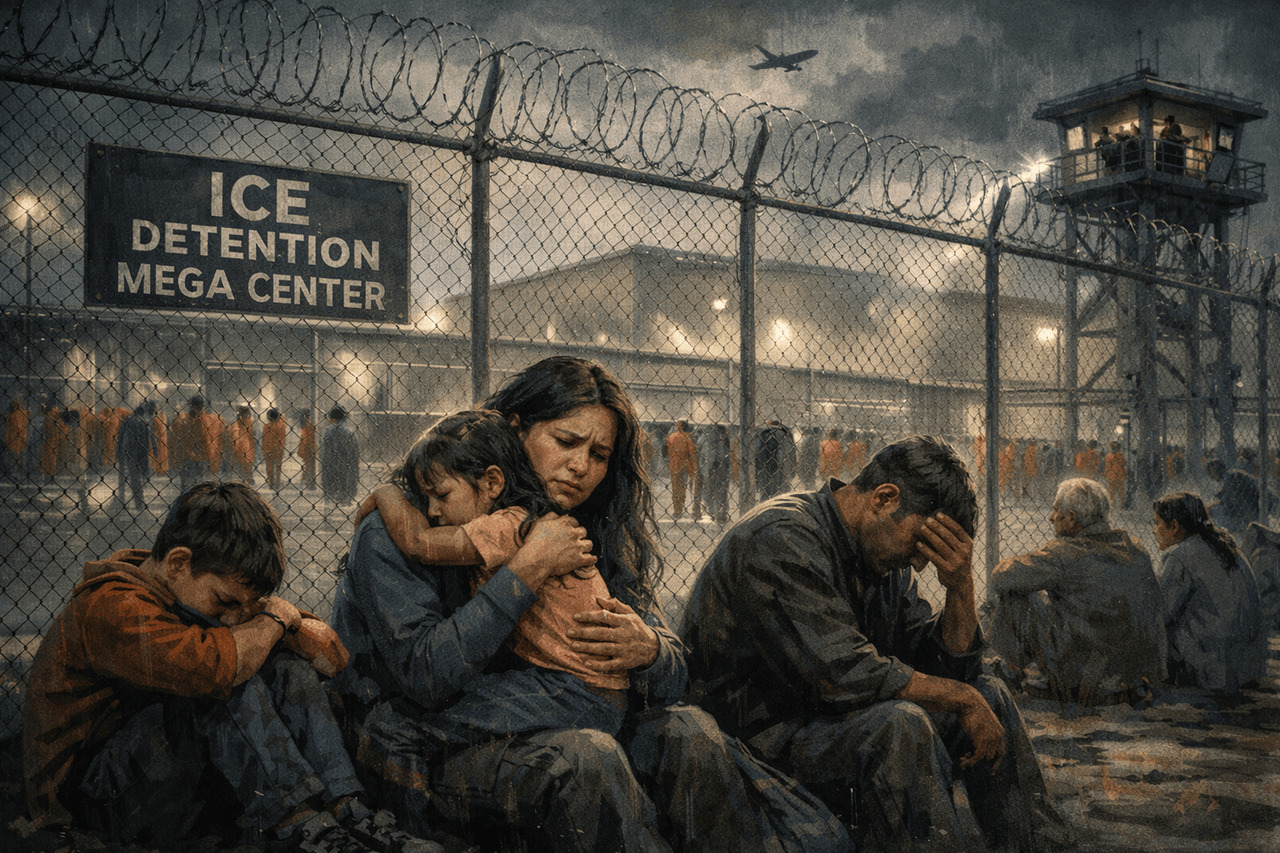
Gamboa, 52, left his hometown of Pérez Zeledón in southern Costa Rica in December 2024 hoping to find work to support his family. He had previously lived undocumented in the United States from 2002 to 2013, and his relatives say he was healthy, optimistic, and in good spirits when he crossed the U.S.-Mexico border.
Months in Detention Without Explanation
Immediately after crossing, Gamboa was detained by ICE in Texas for unlawful re-entry — a felony under U.S. law. Initially he was held at the Webb County detention center in Laredo, and later transferred to the Port Isabel detention center in Los Fresnos.
For months, family members received daily video calls from Gamboa, where they say he appeared well. He reassured them that he would be released or deported soon.
But communication abruptly stopped after June 12, 2025. Gamboa’s sister, Greidy Mata, said that phone call would be her last direct contact with her brother. Weeks passed with no word.
Mata and her family tried reaching out to lawyers, immigration agencies, and the Costa Rican consulate in Houston, Texas, but received little information. It wasn’t until a family-hired attorney located Gamboa in a Texas hospital that they learned he was gravely ill.
Health Collapse and Official Records
According to medical records obtained by news outlets, Gamboa was transferred from Port Isabel to Valley Baptist Medical Center in Harlingen, Texas, on June 23 with an “altered mental status.”
Records show he was given antipsychotic and antidepressant medications, though his family insists he had no prior mental health history before migrating.
(Editor’s note: Just my thoughts: I had sepsis and septic shock in the past. I don’t remember going to the hospital or my time in the emergency department. The emergency room physician described my condition as “altered mental status” because the sepsis had caused delirium. Is it possible the detention center staff was so neglectful that he was given mental health meds for a raging infection that was killing him?)
By early July, Gamboa had been diagnosed with at least ten serious conditions. These included sepsis, a potentially fatal inflammatory response to infection; rhabdomyolysis, a muscle-breaking condition that can lead to kidney failure; protein malnutrition; and toxic encephalopathy, a form of brain injury linked to infection or toxic exposure.
Hospital notes describe him as catatonic — unable to move or respond — and in critical condition.
His relatives say they weren’t notified of his medical crisis until August. Mata recalls the devastating moment a lawyer told them her brother was in a vegetative state and unable to speak. “My brother disappeared,” she said. “He went from healthy to this, and we had no idea why.”
Deported While Unresponsive
Despite his dire medical status, an immigration judge ordered Gamboa’s deportation back to Costa Rica in August 2025. An air ambulance arranged by ICE flew him to San José in early September.
When he arrived, he was non-responsive and in a vegetative state. He was transferred to a hospital closer to his hometown, where doctors confirmed the severe deterioration of his condition.
Mata remembers the harrowing encounter at the airport. “When I saw my brother, I thought he had been tortured,” she said. “He was emaciated, had skin ulcers, dried blood, and smelled like a cadaver.”
These words, searing in their emotional impact, underline the magnitude of her family’s trauma.
Death and a Family’s Quest for Justice
Gamboa died on October 26, 2025, about five weeks after returning to Costa Rica. Doctors reported that he never regained consciousness.
The official cause of death has not yet been publicly disclosed; Costa Rican authorities have said an investigation is ongoing but will take months to complete.
His family is now calling for accountability and clarity. They want to know why he was not medically evacuated sooner, why they were kept in the dark, and what his true medical condition was while in ICE detention.
Mata has said she believed Gamboa’s care was dangerously inadequate and filled with “complicit silence” from those with the power to intervene.
Óscar Arias, two-time President of Costa Rica and Nobel Peace Prize laureate, spoke out in a social media post:
“The immigration policy promoted by President Donald Trump embodies the worst anti-values that any American policy has ever professed: it is racist, xenophobic, and normalizes inhumane treatment of migrants.”
Official Statements vs. Family Claims
A spokesperson for the U.S. Department of Homeland Security — which oversees ICE — responded to questions about the case by stating that Gamboa had been diagnosed with unspecified psychosis and received what the agency called “proper mental health and medical care.”
They defended the healthcare ICE detainees receive as thorough and consistent with standards. The DHS spokesperson pointed out that “This is the best health care that many aliens have received in their entire lives.” 😡
Yet many advocates, medical experts, and immigrant rights defenders argue this tragedy highlights deep issues in U.S. immigration detention: a lack of transparency, strained medical oversight, and systems that may not be equipped to protect vulnerable people in crisis.
In Costa Rica, the case has reverberated beyond the Gamboa family. Friends, neighbors, and even public figures have voiced sorrow and concern, arguing that the story should serve as a warning about the human cost of immigration enforcement policies that prioritize deportation over care.
Broader Concerns and Calls for Change
The story of a man who was deported to Costa Rica in a vegetative state forces a reckoning with national immigration practices and moral responsibility. It urges policymakers to ask whether systems designed to enforce borders are also protecting basic human rights and dignity.
In the wake of this tragedy, Gamboa’s family and supporters want changes that ensure no other family faces this kind of unanswered suffering.
This case remains under scrutiny, and its full impact — across borders, families, and immigration policy — is still unfolding. At its core, this is not only a legal or administrative issue, but a human one — a reminder that at the heart of every statistic is a person with loved ones who deserve truth, accountability, and respect.