


The word “activist” can feel intimidating. It might bring to mind megaphones, marches, or people who seem fearless and endlessly outspoken. But activism is not a personality type or a job title. It’s a group of actions taken by ordinary people who’ve decided that something is wrong and chose not to stay silent.
It’s also about compassion and empathy for others. Activists sometimes act as a voice for the most vulnerable among us when the powerful aren’t listening to them. Sometimes it’s not safe for a community being targeted by hate groups or, sadly, a political party. This has been happening in the LGBTQ+ community throughout the past year.
The federal government, state legislatures, and the Supreme Court have collectively pushed a barrage of anti-LGBTQ legislation. Key examples include:
- Legislative Attacks: Bans on gender-affirming care, bathroom access, and sports participation for trans women.
- Executive Overreach: Presidential orders banning transgender military service, implementing restrictive passport requirements, and ending specialized LGBTQ youth suicide hotline support.
Constant government attacks on minorities breed hate-driven radicalization and political violence. Under these conditions, activists provide a crucial voice for those for whom speaking out is too dangerous.
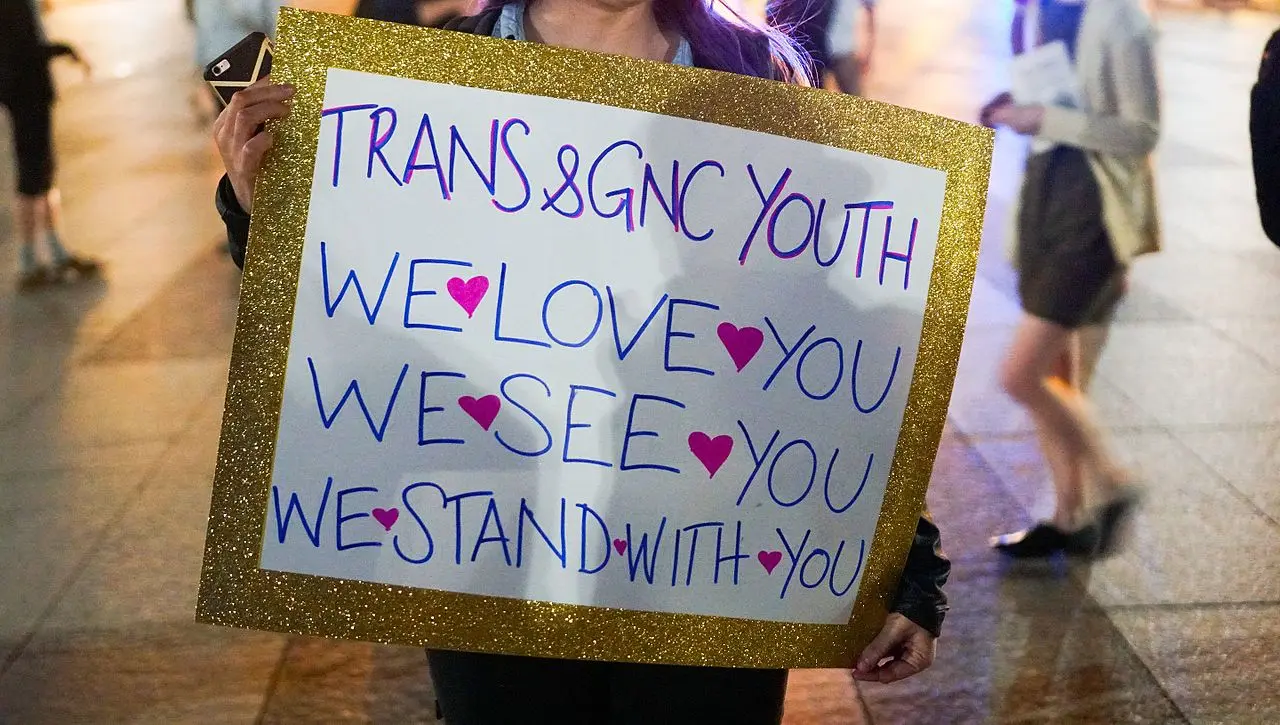
At its core, activism is about participation and the power of people united. It’s how individuals and communities fight for change when laws, systems, or cultural norms cause harm. You don’t need permission to be an activist. You become one the moment you act with intention to improve the world around you.
What is Activism?
Activism is any organized or intentional effort to bring about social, political, economic, or environmental change. It can be loud or quiet, public or behind the scenes, local or global.
Some people associate activism only with protests, but that is just one method. Activism also includes voting, educating others, organizing mutual aid, supporting impacted communities, holding institutions accountable, and changing harmful norms in society.
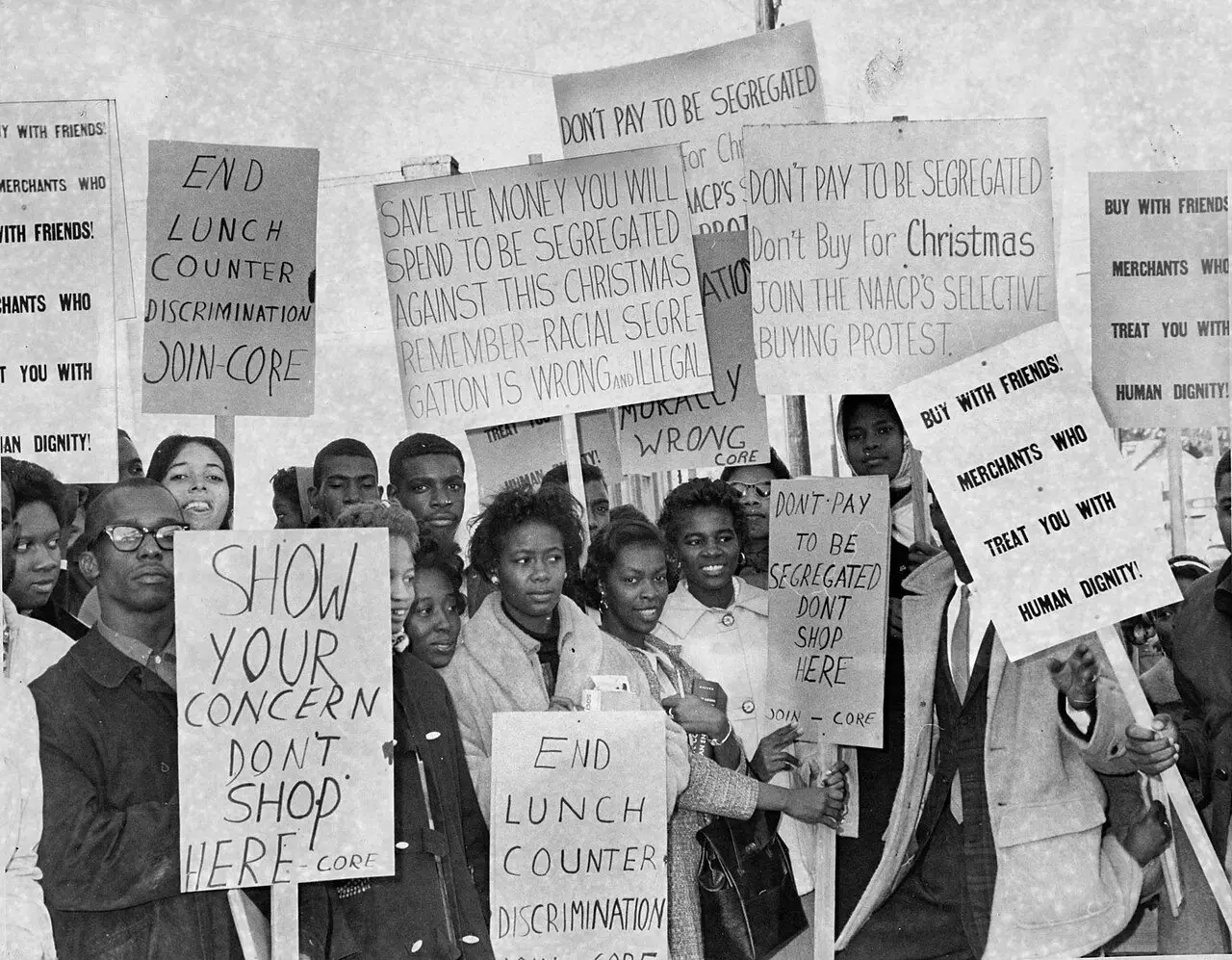
Throughout history, activism has shaped nearly every major advance in human rights. Movements like the Civil Rights Movement, women’s suffrage, labor rights, disability rights, and LGBTQ+ equality did not begin in government offices. They began with people who refused to accept injustice as normal.
Who Can Be an Activist?
Anyone.
You don’t need a large platform, a college degree, or a perfect understanding of every issue. You don’t need to be loud, confrontational, or fearless. Many activists are introverts. Many are parents, caregivers, workers, students, or retirees.
If you have ever corrected misinformation, helped someone access resources, contacted an elected official, or stood up for someone being mistreated, you’ve already engaged in activism.
Activism Matters: Popular “Fights”
Change rarely happens on its own. Most systems are designed to benefit those already in power. Activism in the form of protests applies pressure to the people in power from the outside.
Without activism, unsafe working conditions would still be common, segregation would still be legal, and environmental pollution would face little resistance. Progress is often uncomfortable because it requires people to challenge norms, traditions, and powerful interests.
Activism also builds community. It reminds people they are not alone in their concerns and that collective action can accomplish what individuals can’t.
Social Justice Activism
Social justice is a major focus of modern activism. At its simplest, social justice means fairness in how society treats people and distributes resources, rights, and opportunities.

Social justice activism often addresses issues like:
- Racial discrimination
- Gender inequality
- LGBTQ+ rights
- Disability access
- Immigration and refugee rights
- Economic inequality
- Police violence and mass incarceration
- Voting rights
Social justice recognizes that not everyone starts from the same place. Laws and policies can affect groups differently based on race, gender, income, disability, or immigration status. Activists working in this space often focus on reducing harm and closing gaps created by systemic inequality.
Importantly, social justice activism does not require speaking over affected communities. In many cases, it means listening, amplifying voices, and supporting people who are directly impacted.
Environmental and Political Activism
Environmental activism focuses on protecting the planet and the people who depend on it. This includes climate change, pollution, water access, wildlife protection, and sustainable development.
Environmental harm does not affect everyone equally. Low-income communities and communities of color are more likely to live near polluting industries and face health risks from contaminated air and water. This overlap between environmental and social justice is often called “environmental justice.”
Groups like Greenpeace and local grassroots organizations use activism to pressure governments and corporations to reduce harm and adopt sustainable practices.
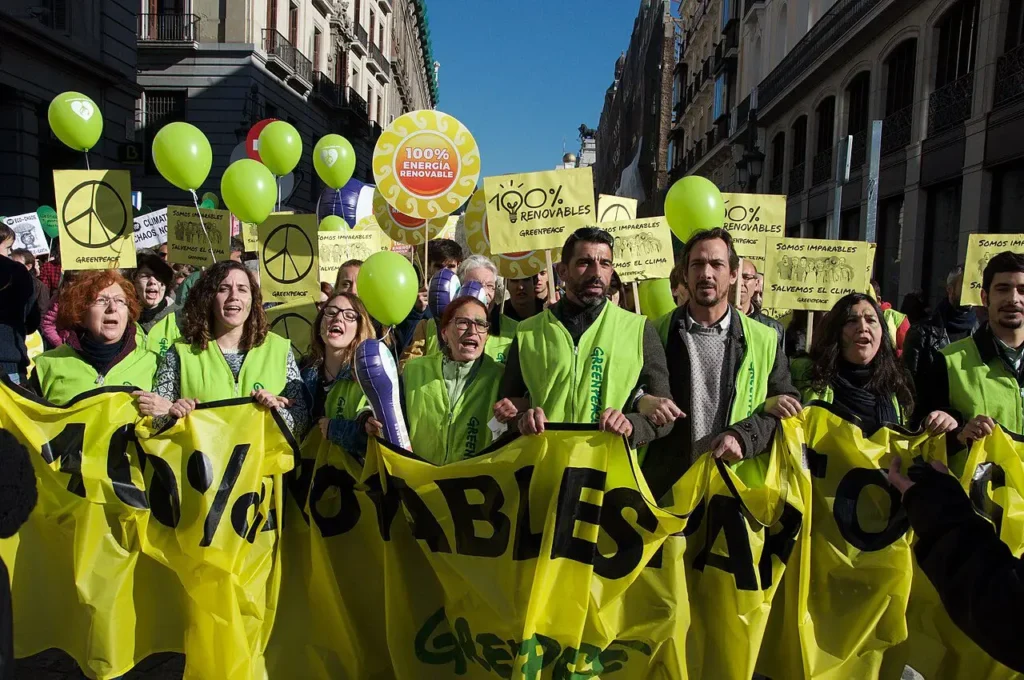
Environmental activism can take the form of community cleanups, opposing harmful development projects, or pushing for renewable energy policies.
Political activism often involves engaging directly with the system. This can include campaigning, ballot initiatives, watchdog journalism, or policy advocacy. Environmental activism may involve local zoning fights, public comment periods, or conservation efforts.
Associated Press Explains “Watchdog Journalism”

How to Become an Activist: a Practical Guide
Becoming an activist does not require a dramatic leap. It usually happens in steps.
Activist-guideCommon Myths About Activism
Myth #1: Activism is about anger. While anger can motivate action, effective activism also relies on persistence, strategy, compassion, and hope.
Myth #2: One person cannot make a difference. Nearly every movement began as a small group or even a single voice that others heard and wanted to help.
Myth #3: Activism has to happen in public. Many people work quietly behind the scenes. Their impact is no less impactful or real.
Activism in Everyday Life
You do not stop being an activist when a protest ends or an election passes. Activism shows up in daily choices, conversations, and priorities.
It can mean challenging a co-worker’s racist joke, supporting ethical businesses, teaching children empathy, or refusing to normalize cruelty or hate. One of our slogans here at Resist Hate is “Make kindness the norm.”
Activism is not about being above others. It is about standing with them.
Activism is Still Necessary
Many of the rights people rely on today exist because someone before them took action. Over time, those rights can begin to erode without continued engagement.
Freedom in the United States has been fought for by members of the military at several points throughout history. In the U.S. today, we have a president who is moving towards fascism. The administration is attacking the rights of Americans from the U.S. Constitution. Freedom of speech, press freedom, freedom of assembly, due process rights, and other Amendments to the constitution have been under attack for months.
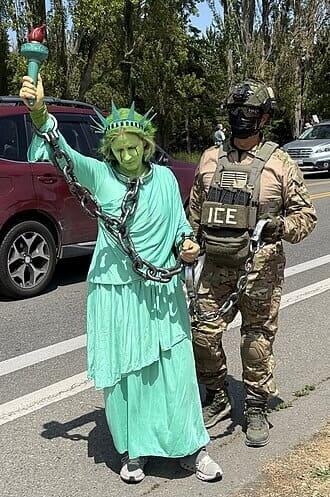
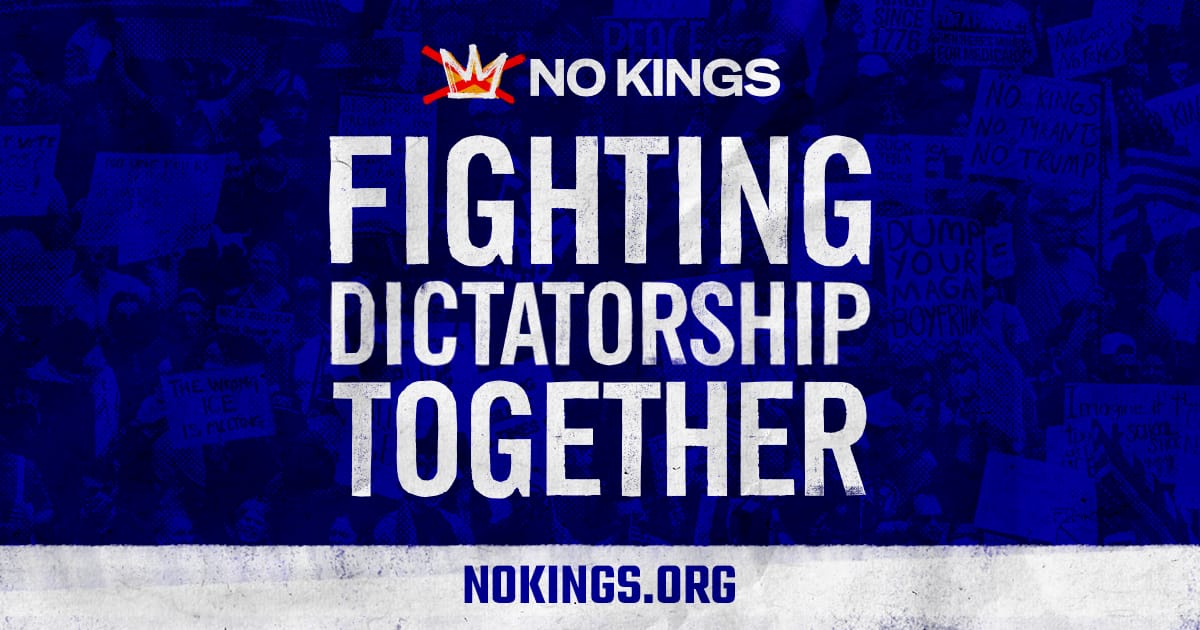
To relate what’s happening in America to the topic of activism, the entire country came out into the streets to protest in an event known as No Kings. The first No Kings protest drew millions of Americans out to join the event. There was a second event a few months later—7 million people were protesting in the U.S. as people in other countries came out and protested alongside Americans from afar.
If you want some inspiration on this topic, search for images and videos from the No Kings protests.
Democracy, human rights, and environmental protection are not self-sustaining. They require participation.
Activism is how people remind institutions who they are meant to serve.
You do not need to call yourself an activist to be one. You only need to care enough to act, learn, and keep going.