


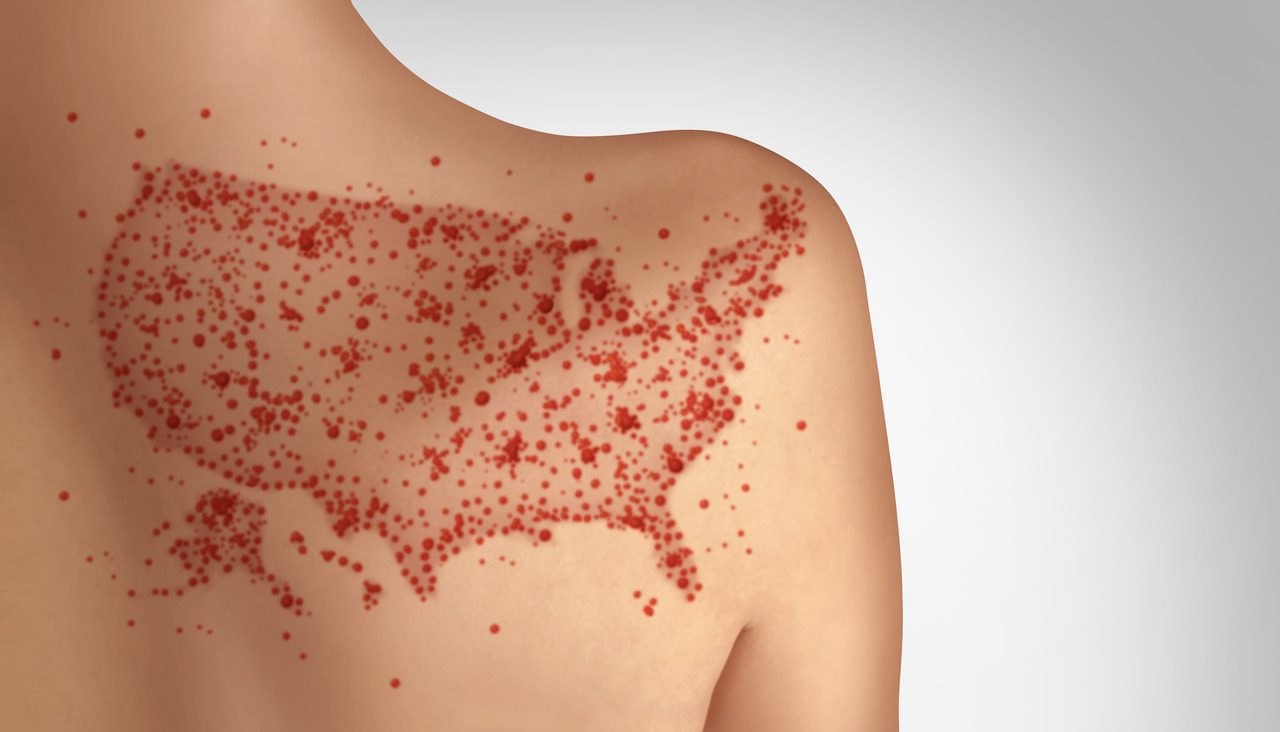
Serious measles outbreaks are unfolding in the United States, with hundreds of people now sick and public health officials warning that the virus could continue to spread unless vaccination rates improve.
Once considered eliminated in the U.S., measles is making an unwelcome comeback — especially among unvaccinated communities.
The United States is now in danger of losing its elimination status.
In South Carolina alone, the outbreak has surged to 876 confirmed cases, with 29 new infections reported in just a few days. (sources below)
Most of these cases are clustered in the Upstate region around Spartanburg County, where public exposure sites like grocery stores and restaurants are connected to the spread.
Most of the infected individuals are children and teenagers, and the vast majority did not have measles vaccinations.
In fact, about 800 of the infected people were unvaccinated, while only 22 were fully vaccinated, and a small number were partially vaccinated or had unknown status.
The true tragedy of modern measles outbreaks lies in their absolute preventability. In 2026, no child should have to lose their life to this virus..
We have been fortunate enough to develop a vaccine that once allowed the U.S. to achieve herd immunity and declare measles officially eliminated; to see it return is a heartbreaking step backward.
Time has a way of blurring the memory of hardship. Because we no longer see the devastating toll measles once took, we’ve lost our collective gratitude for living in a country where the disease is a rarity rather than a routine threat.



Memory blur renders some people more susceptible to vaccine misinformation. It’s difficult to fathom trusting a politician or podcaster over the expertise of a family doctor.
Measles is so contagious that if one person is infected, up to 90 percent of close contacts who are not immune will also become infected.
Measles Spreads Easily
Measles is a highly contagious viral disease. It spreads easily through the air when an infected person coughs or sneezes, and it can remain infectious in a room for up to two hours after the person leaves.

Download our free factsheet
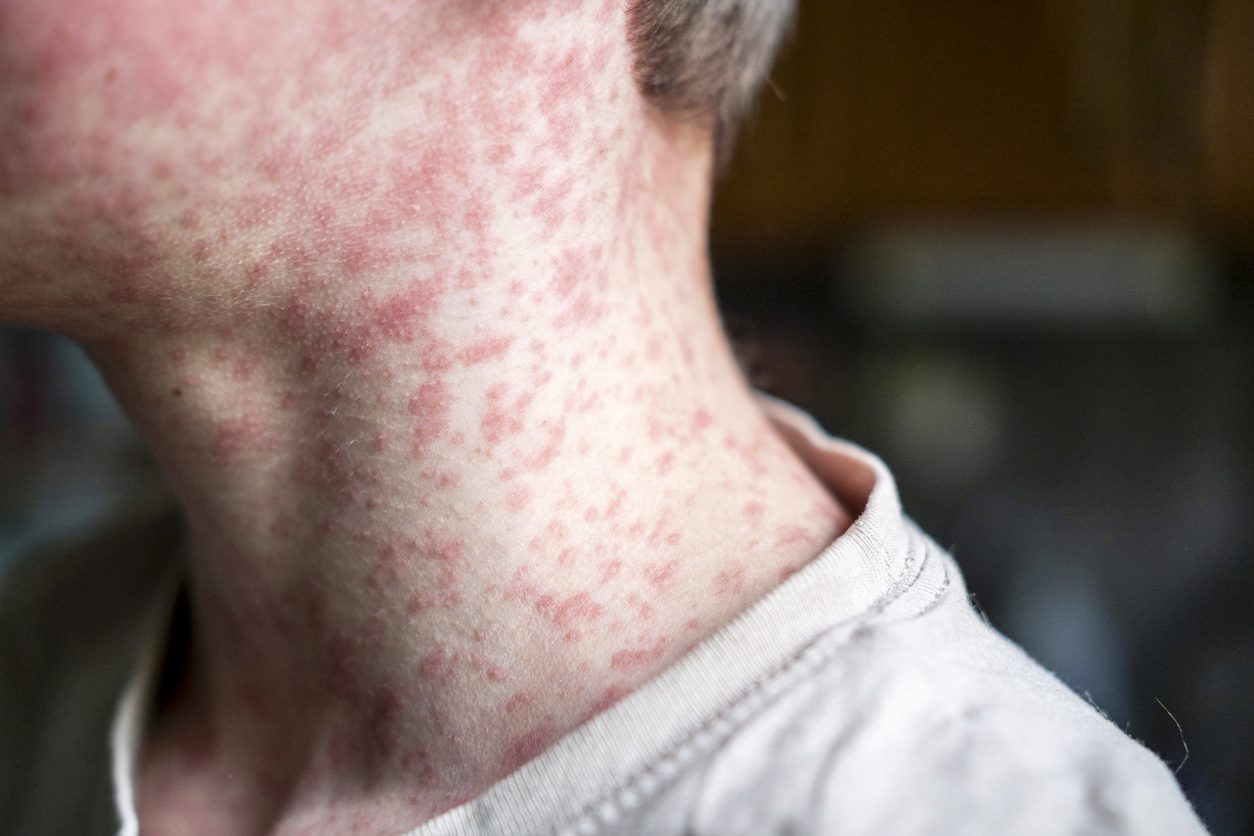
Credit: Natalya Maisheva iStock
Because of this ease of transmission, measles outbreaks can grow very quickly when people are unprotected.
Nationwide, measles cases are also rising. According to the Centers for Disease Control and Prevention (CDC), there have already been at least 588 confirmed measles cases in the U.S. so far this year, reported across more than a dozen states.
These numbers reflect a trend seen over the past couple of years, with outbreaks occurring in multiple regions and pushing total case counts far above what health officials have seen since the disease was declared eliminated in 2000.
Why Measles is a Big Deal
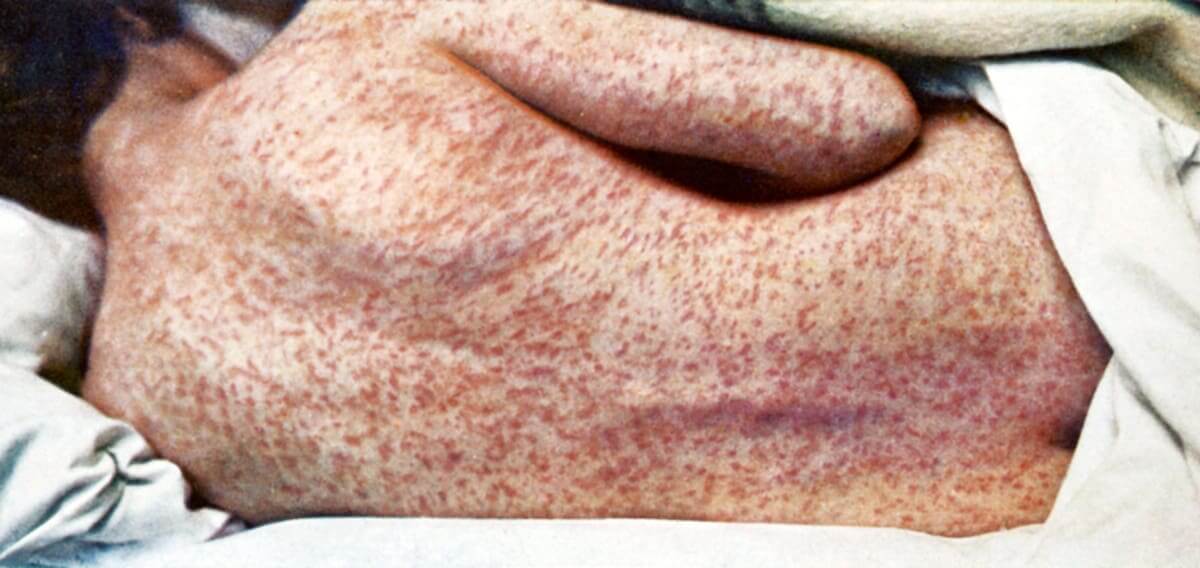
Measles isn’t “just a childhood rash.” It can cause serious health problems, especially in young children, pregnant people, and those with weakened immune systems. Complications can include ear infections, pneumonia, brain swelling (encephalitis), and even death in rare cases. This is why health experts emphasize prevention: the measles vaccine saves lives.
For decades, the U.S. kept measles under control thanks to widespread vaccination with the MMR vaccine, which protects against measles, mumps, and rubella. When enough people in a community are vaccinated — typically at least 95 percent — it creates what’s called herd immunity, which prevents outbreaks from taking off.
But those vaccination levels have slipped in recent years. According to CDC data, childhood vaccination rates dipped in the years after the COVID-19 pandemic, meaning more children are entering school without full protection.
In some communities, exemptions to vaccination have increased, and misinformation about vaccine safety has contributed to hesitancy. These gaps in immunity provide fertile ground for measles to spread.
Measles is so contagious that if one person is infected, up to 90 percent of close contacts who are not immune will also become infected. That’s why outbreaks such as the one in South Carolina can grow so quickly when large numbers of people lack immunity.
Outbreaks Beyond South Carolina
The South Carolina outbreak isn’t the only one. A smaller outbreak was also reported on a college campus in Florida, showing that the virus can appear wherever there are groups of unprotected people. Recent reporting indicates that the Florida outbreak is growing.
A recent case in California involved a visitor at Disneyland — a reminder that measles doesn’t stay confined to one corner of the country. That case led health authorities to alert visitors who may have been exposed at the theme park, urging them to check their vaccination status and watch for symptoms.
Recent reports show the California outbreak is growing in the number of cases. Measles has also been identified in detention centers and other congregate settings, where close quarters make it easier for diseases to spread quickly.
An outbreak was just reported in a Texas detention center. Experts are warning that it could cause major measles outbreaks in the area.
This highlights the challenges health officials face in protecting vulnerable populations and controlling outbreaks once they start.
Across the Americas, public health organizations like the Pan American Health Organization (PAHO) are warning that rising measles rates threaten to undo years of progress against the virus. Countries that had once eliminated measles are seeing the disease return, largely due to declining vaccination coverage.
What Health Officials Are Doing
State and local health departments are actively working to contain the outbreaks. In South Carolina, hundreds of people who were exposed to confirmed cases have been placed in quarantine until local health authorities determine it’s safe for them to return to school or work.
Quarantine helps break chains of transmission, but it’s only effective when people know they might have been exposed.
Public health agencies are also emphasizing the importance of vaccination. The MMR vaccine is safe and highly effective — two doses are about 97 percent effective at preventing measles. Healthcare providers encourage everyone who is eligible, especially children, to stay up to date on their vaccines.
In communities where vaccination coverage is low, officials are organizing vaccine clinics and outreach efforts to make sure people understand the risks of measles and the benefits of protection.
Some states have even re-examined vaccine exemption policies to ensure more children are protected before entering school.
Why This Matters to You
Even if you don’t live in a state with a major outbreak, measles can still pose a risk. The virus doesn’t respect borders, and people travel frequently. Someone who is unvaccinated and exposed abroad or in another part of the U.S. can bring the virus back to their community, where it may spread if others aren’t immune.
Measles can be prevented. Vaccination remains the best tool we have to keep communities safe and stop outbreaks before they start. If you’re unsure about your immunity or that of your children, talk to a healthcare provider and make sure vaccination records are up to date.
Public health experts agree: measles outbreaks are a sign that the protections we once took for granted can erode if vaccination rates decline. By working together to improve vaccine coverage and awareness, communities can help protect their most vulnerable members and prevent future outbreaks.