

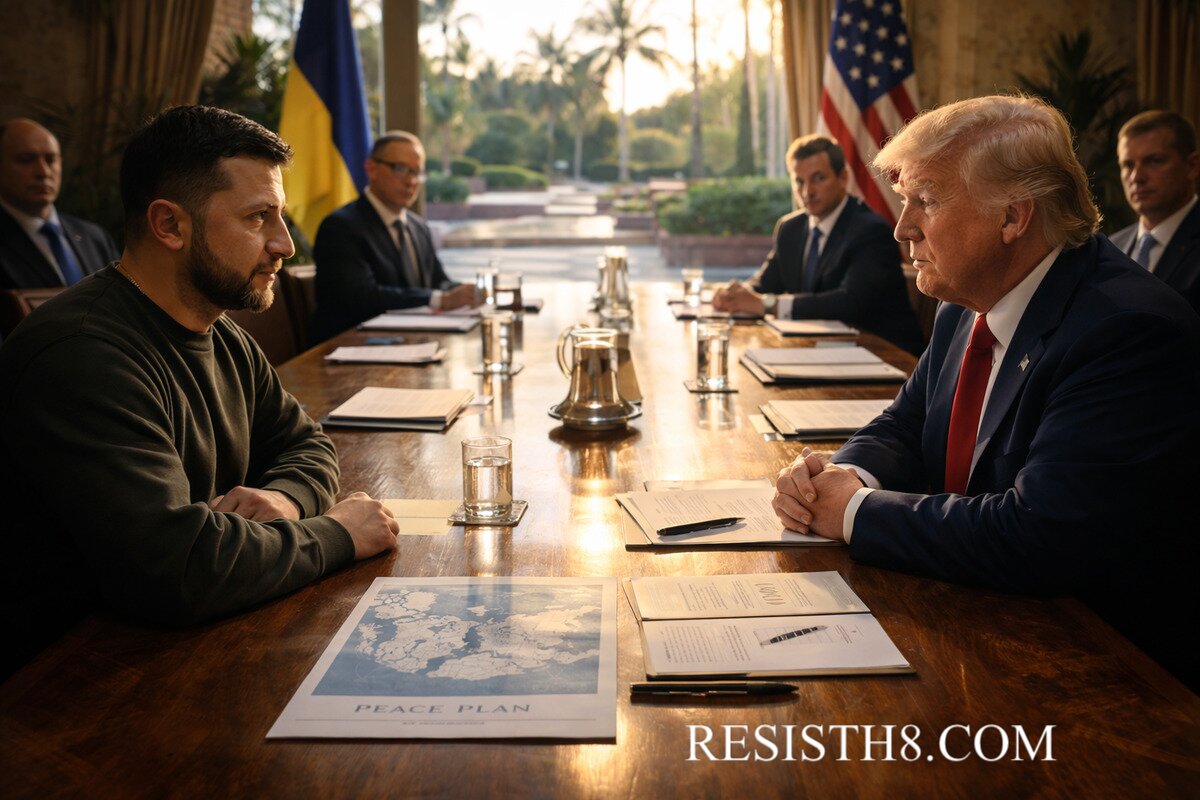
In a meeting marked by cautious optimism and stark geopolitical realities, Ukrainian President Volodymyr Zelenskyy and U.S. President Donald Trump convened on December 28, 2025 at Trump’s Mar-a-Lago estate in Florida to advance negotiations aimed at ending the nearly four-year war between Ukraine and Russia. Zelenskyy meeting with Trump represented one of the most significant diplomatic efforts this year, as both leaders sought to inject momentum into a peace process that has faced repeated setbacks and fierce battlefield dynamics.
A Tentative Bridge Toward Peace
Trump emerged from the talks expressing optimism that a peace framework could soon be finalized, asserting that Ukraine and Russia were now “closer than ever” to an agreement that might halt the conflict.
Both presidents conveyed that negotiators had made substantial progress on a comprehensive peace proposal that would address ceasefire terms, security guarantees, and future Ukrainian sovereignty.
At a joint press briefing, Trump described the discussions as constructive and emphasized the United States’ role as a facilitator in upcoming multilateral negotiations involving European leaders. Zelenskyy, for his part, thanked Trump for hosting the discussions and reiterated Ukraine’s commitment to continued diplomacy.
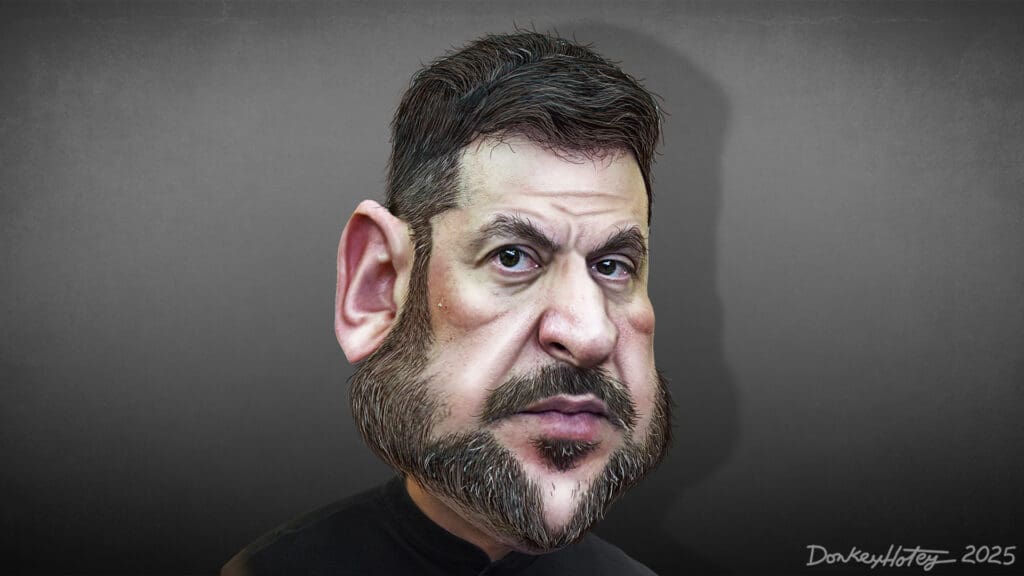
Unresolved Hurdles: Territory, Security, and Sovereignty
Despite the positive tone, significant disagreements remained. One of the most challenging issues is the status of Donbas, a region in eastern Ukraine that has been largely occupied by Russian forces.
While Trump suggested that negotiators had resolved most components of the peace plan, he acknowledged that territorial arrangements and the final ceasefire lines remained “very complicated stuff.”
Zelenskyy emphasized that Ukraine would require ironclad security guarantees to prevent future aggression, a stance that reflects Kyiv’s deep concerns about leaving its defense to diplomatic assurances alone.
European policymakers have echoed this point, underlining that any lasting truce must include robust measures to protect Ukrainian sovereignty beyond the battlefield.
The 20-Point Peace Framework
Central to the discussions is a 20-point peace proposal developed by Ukrainian and international negotiators. This framework has been described as nearly finalized, with both Trump and Zelenskyy suggesting that most elements are agreed upon, including provisions for security support and economic reconstruction.
However, questions linger about how these terms will be implemented and ratified—particularly in Ukraine, where any territorial concessions would require parliamentary approval or a referendum.
Ukrainian officials have also floated innovative ideas such as a demilitarized economic zone in eastern Ukraine monitored by international peacekeepers. These creative compromises seek to balance Kyiv’s sovereignty with the important goal of ending bloodshed.
Putin’s Role: Absent but Central
Although Russian President Vladimir Putin did not attend the Florida summit, his influence loomed large. Trump reported that he had a lengthy “productive” call with Putin prior to meeting Zelenskyy and suggested that Moscow may be more willing to discuss peace than in past months.
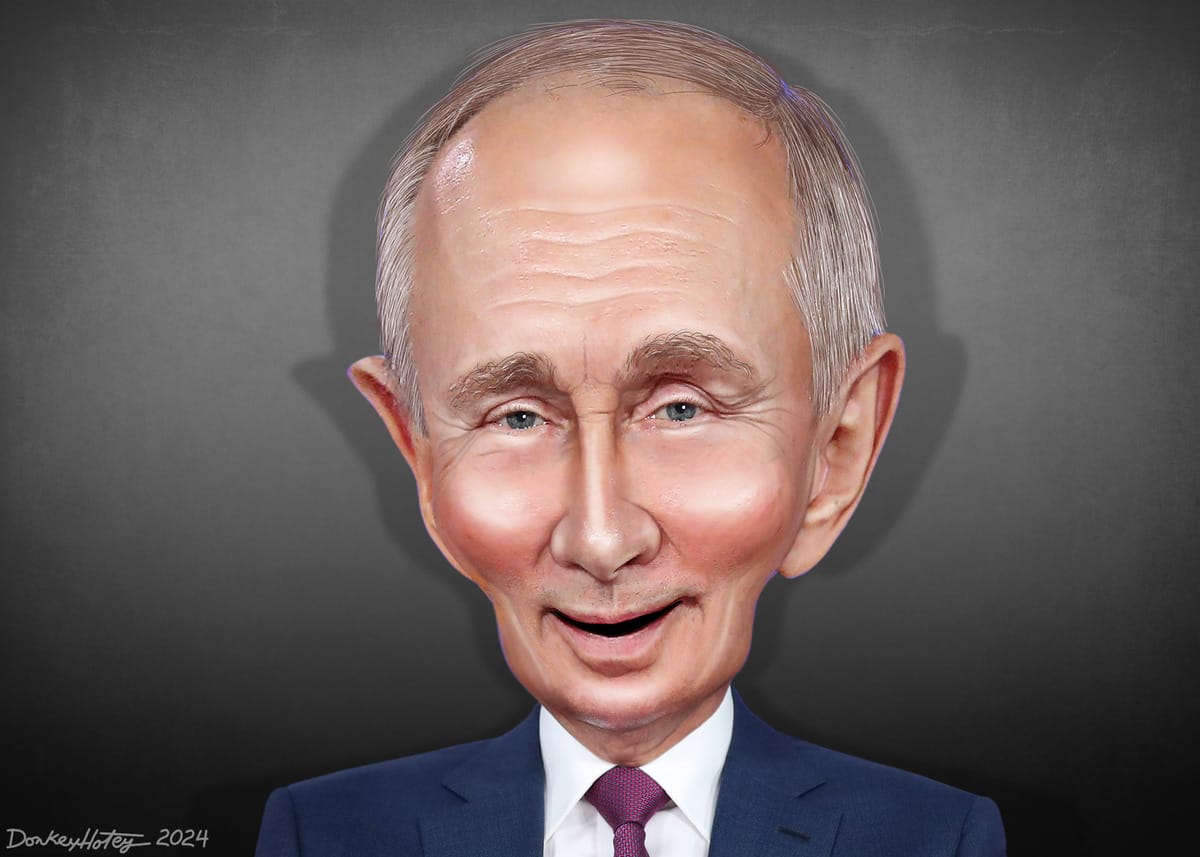
However, Kremlin statements have indicated that a political decision from Russia’s leadership remains a prerequisite for any formal truce.
Putin’s strategic choices—including demands that Ukraine recognize Russian control over seized territories and limitations on Ukrainian military capability—have made negotiations extraordinarily difficult.
Russian military actions, such as continued bombardment of Kyiv and other cities in late December, underscore the grim reality that diplomacy is racing against ongoing conflict on the ground.
International Support and Next Steps
Both leaders stressed the importance of broader international involvement. Trump intimated that Europe would play a significant role in implementing and enforcing the peace framework, while Zelenskyy welcomed continued engagement from allies.
Plans are underway for additional talks involving European heads of state in January, reflecting a multilateral push that many analysts believe is essential for any durable resolution.
For Ukraine, the stakes could not be higher. With its infrastructure battered by months of relentless attacks and its people enduring immense hardship, Kyiv is eager for a negotiated end to the war—but not at the cost of essential principles of sovereignty and territorial integrity.
Zelenskyy’s balancing act—pursuing peace while safeguarding national interests—remains at the heart of this diplomatic journey.