
The United States has intercepted and seized another oil tanker in international waters near the Venezuelan coast, Homeland Security Secretary Kristi Noem announced Saturday, marking a notable escalation in the ongoing campaign to enforce sanctions and restrict illicit oil flows linked to Caracas.
The operation took place offshore in the Caribbean Sea, where U.S. Coast Guard units, supported by elements of the Defense Department, boarded and took control of the tanker early Saturday morning. Secretary Noem, in a post on the social platform X, said the vessel had “last docked in Venezuela” and emphasized Washington’s commitment to pursuing what it characterizes as unlawful movement of oil that helps fund narco-terrorism.
This latest seizure follows closely on the heels of another interception earlier this month. On December 10, U.S. authorities captured the tanker Skipper, a large crude carrier previously sanctioned by the Treasury Department for its alleged role in smuggling Venezuelan and Iranian crude oil. At the time, Attorney General Pam Bondi and other officials highlighted the tanker’s involvement in what they described as an illicit shadow fleet of vessels operating around Venezuela.
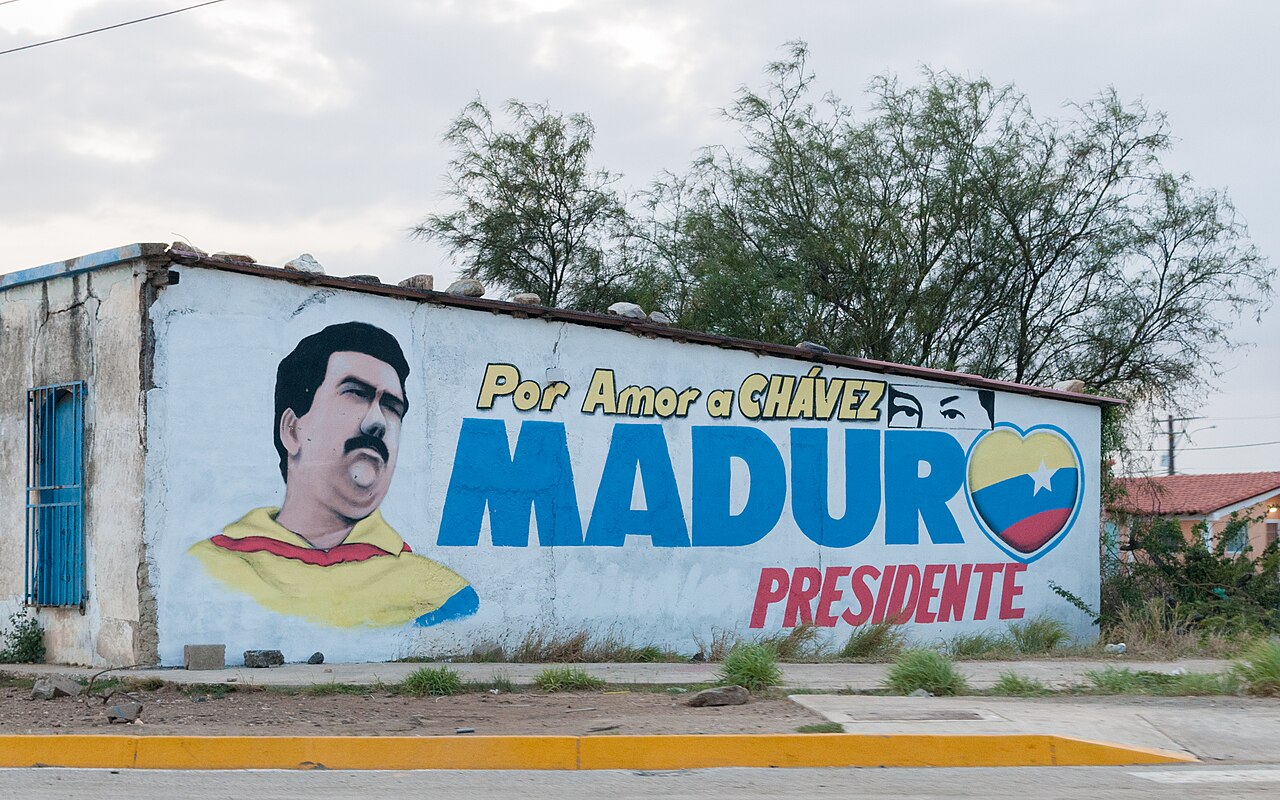
President Donald Trump has also played a central role in setting the broader strategy. In recent days he declared a “total and complete blockade” on all sanctioned oil tankers entering or leaving Venezuelan ports, a move aimed at cutting off revenue streams that U.S. officials say are used by the regime of President Nicolás Maduro to support criminal networks and maintain power.
Although Trump’s administration has framed the blockade and seizures as part of a broader anti-narcotics and counterterrorism effort, critics argue the actions carry significant legal and geopolitical risks. The second tanker seized Saturday has not been publicly identified as sanctioned, raising questions about the scope of U.S. authority to take control of foreign-flagged commercial ships in international waters. Venezuela has condemned the operations, calling them violations of international law and acts of “piracy,” and has vowed to challenge the actions through diplomatic channels including the United Nations.
After the first seizure, Venezuela’s government accused the United States of economic aggression and theft of its resources. Senior Venezuelan officials, including President Maduro, asserted that Washington’s claims of targeting illicit oil trafficking were a pretext for weakening the Venezuelan economy and undermining sovereignty. Allies in the region, including Cuba and members of the ALBA bloc, echoed these denunciations, with some labeling the U.S. maneuvers as maritime terrorism.
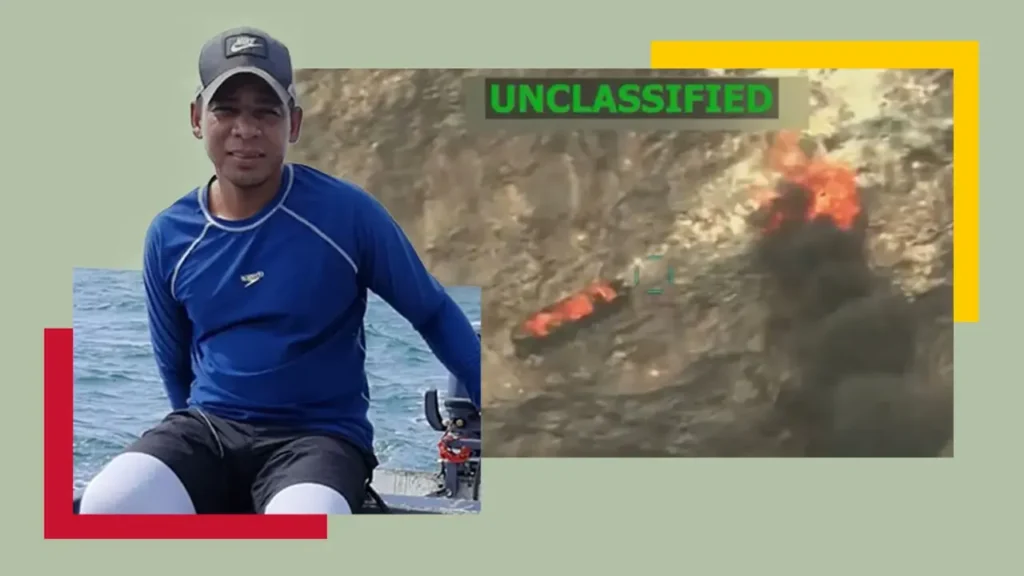
The strategic context for these actions reflects months of rising tensions between Caracas and Washington. The U.S. has tightened sanctions on Venezuela’s oil sector and its shipping networks, accusing Maduro’s government of using oil revenues to finance drug trafficking and terrorist activities. The U.S. Military has also intensified drone strikes on smaller vessels suspected of carrying drugs “from South America to markets in the United States,” part of what officials describe as broader efforts to “stem the flow of illegal narcotics.”
Credit: The Sunday Times
The impact of these heightened measures is already being felt in global energy markets. Oil prices experienced upward pressure following news of the tankers’ seizures, as traders weigh potential disruptions to Venezuelan crude flows. Venezuela, home to the world’s largest proven oil reserves, has faced decades of economic decline and underproduction, but still exports crude, particularly to buyers in Asia including China. The new pressure campaign could further limit those exports, with potential effects on energy prices and supply chains.
Legal analysts note that the U.S. justification for boarding and seizing vessels not on sanctioned lists hinges in part on allegations of false flagging or stateless conduct, as well as claims of criminal activity tied to narcotics financing. International law provides narrow circumstances under which warships may board ships on the high seas, and whether these apply broadly to the recent U.S. actions remains a matter of debate among experts.
For now, the situation is evolving rapidly, with U.S. officials signaling they may pursue additional seizures and continue enforcement actions in the Caribbean. Venezuelan authorities have pledged resistance, framing the confrontations as part of a larger struggle against external interference and economic coercion.
Do the people in power ever put themselves in others’ shoes? Have they asked, “How would we react if another country bombed a yacht full of Americans, claiming they were transporting drugs?” How would we view another country boarding and seizing an oil tanker belonging to Exxon-Mobil?” Perhaps they would make better choices if they did.