

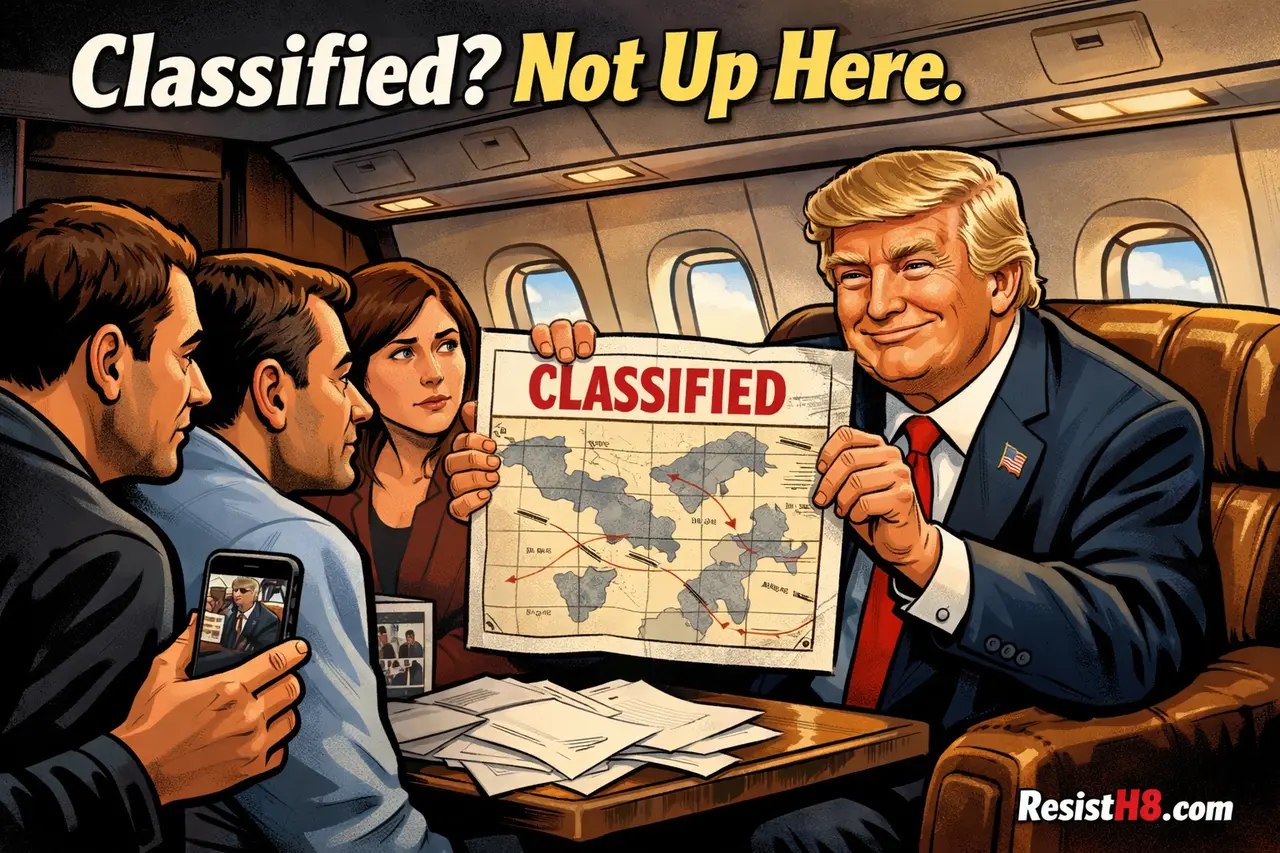
In a twist that would be funny if it weren’t so alarming, the Trump administration’s Justice Department accidentally handed Congress evidence that the president may have endangered national security for personal business interests by showing others a classified map in his possession — and they didn’t even realize it.
Rep. Jamie Raskin, the top Democrat on the House Judiciary Committee, released a letter this week to Attorney General Pam Bondi detailing what he found buried in a batch of documents the DOJ sent to Congress.
Among the files — which the administration had cherry-picked to try to discredit former Special Counsel Jack Smith — was a January 2023 prosecutor memo that paints a damning picture of Trump’s handling of classified materials.
What the Memo Says
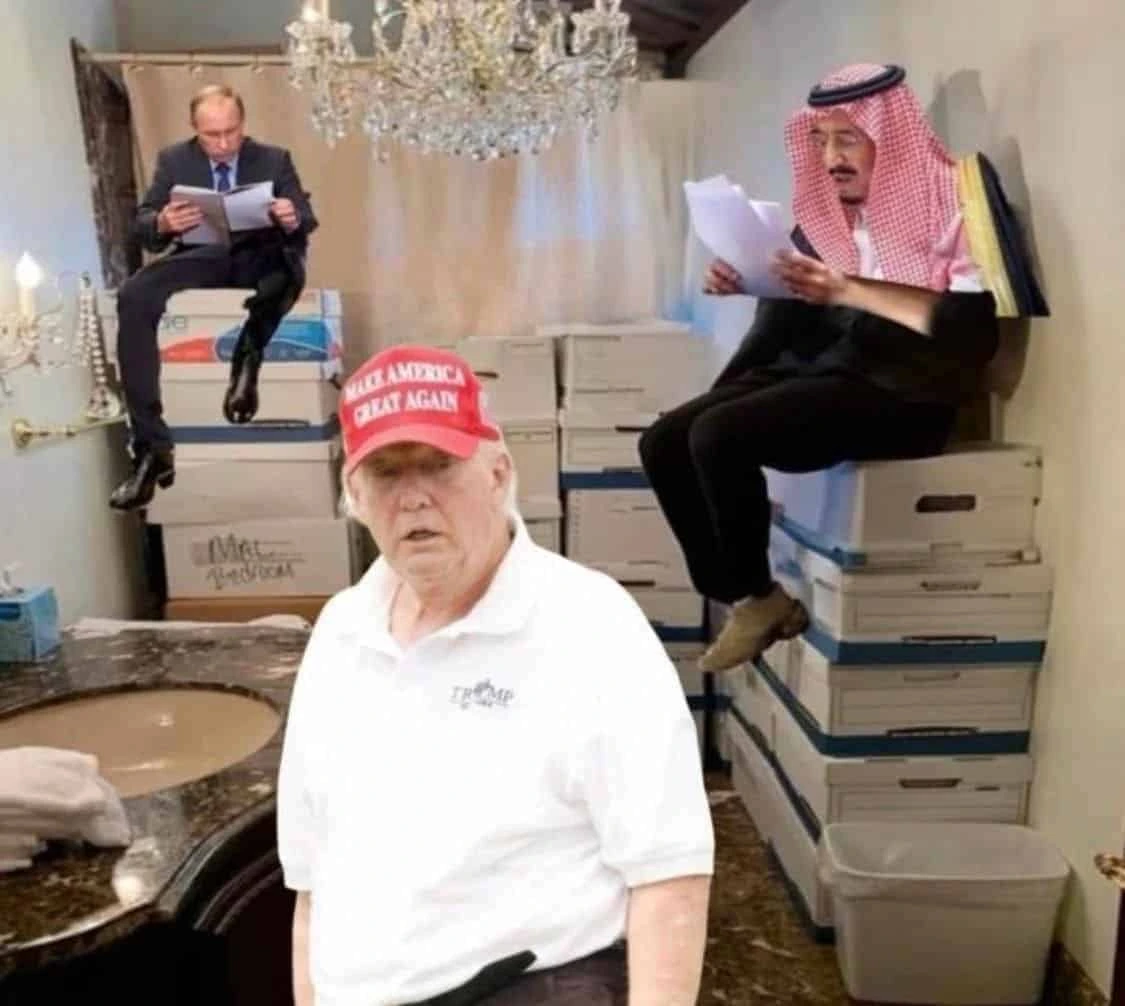
According to Raskin’s letter, the memo describes a June 2022 flight to Trump’s golf club in Bedminster, New Jersey, during which Trump reportedly brought classified documents aboard his private plane and showed a classified map to other passengers.
Among the witnesses: Susie Wiles, who now serves as Trump’s White House Chief of Staff.
This wasn’t the first time prosecutors flagged Trump showing off sensitive materials. The indictment Jack Smith filed in 2023 included separate allegations that Trump had displayed a classified map tied to a military operation at Bedminster in 2021, and on another occasion bragged about holding onto a Pentagon attack plan that had been prepared for him.
But here’s the detail that elevates this from reckless to potentially corrupt: the memo also states that the FBI had determined Trump appeared to have retained classified documents that were “pertinent to his business interests.”
In other words, prosecutors believed Trump wasn’t just carelessly hoarding secret files — he may have kept them because they were useful to the Trump family’s financial dealings.
Bondi’s DOJ Handed Over the Evidence By Accident
Raskin’s argument is that Bondi’s team, in their rush to release documents that could be weaponized against Jack Smith, didn’t bother to read carefully enough.
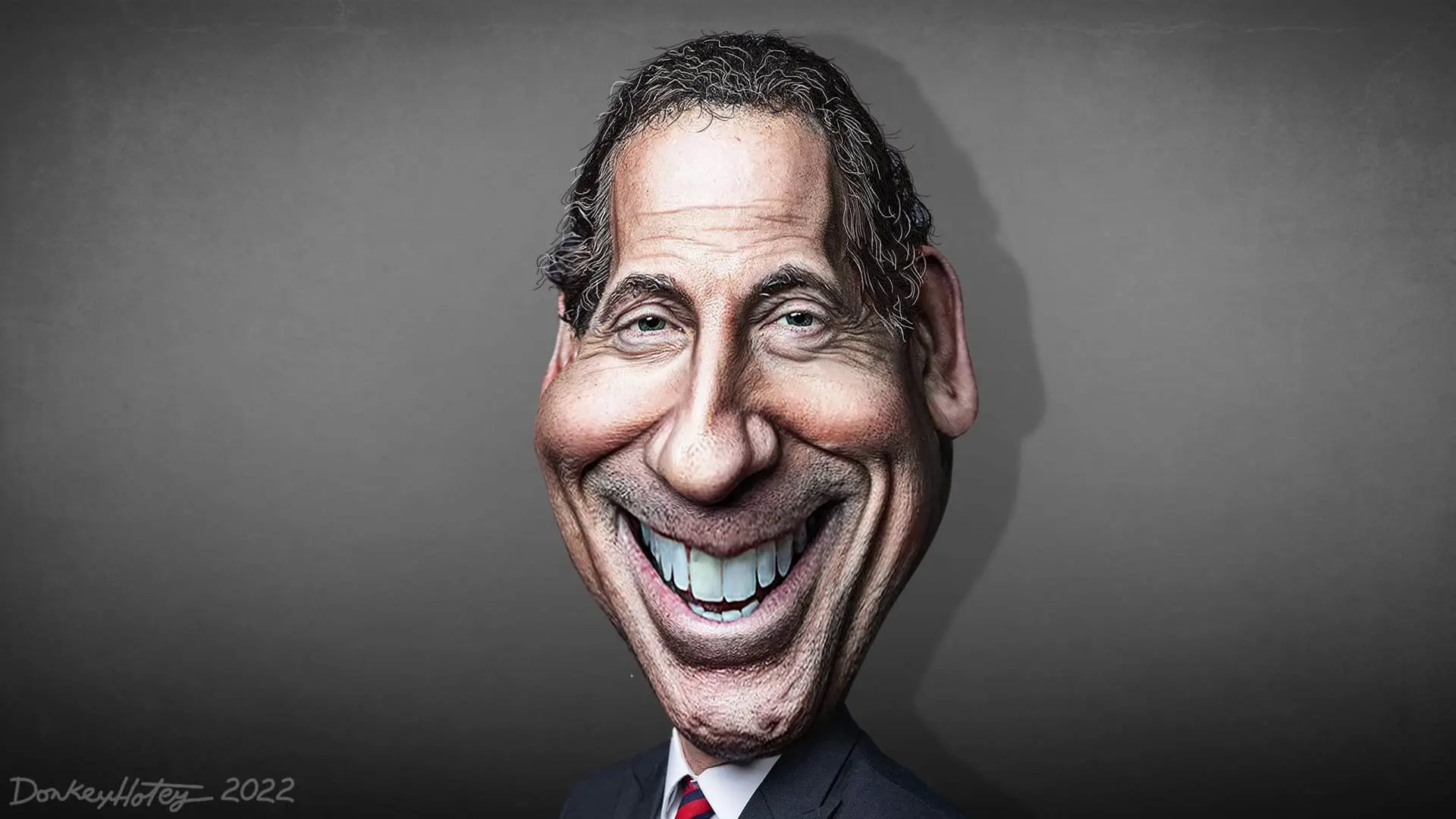
He wrote that the DOJ, blinded by its search for ammunition against Smith, had “quite amazingly, missed the fact that some of the documents you provided include damning evidence about your boss’s conduct.”
The irony runs deep. Since Trump returned to office, his allies in Congress and at the DOJ have been selectively releasing records from Smith’s investigations — both the classified documents probe and the January 6th election interference case — in an effort to frame the investigations as politically motivated.
They released subpoena records showing Smith’s team had sought phone logs for Wiles and now-FBI Director Kash Patel, painting that as overreach.
What they apparently failed to notice was that those same document dumps contained the prosecutor memo laying out why those subpoenas made perfect sense.
A Pattern of Suppression
This accidental disclosure stands in sharp contrast to the administration’s broader strategy of keeping the classified documents investigation buried. Just weeks before Raskin’s letter, FBI Director Kash Patel fired at least 10 agents who had worked on the classified documents investigation — part of a wider purge of employees involved in any investigation of Trump.
The FBI Agents Association called the firings unlawful and warned they were stripping critical expertise from the Bureau.

And the full picture of what Smith’s team found may never see daylight. U.S. District Judge Aileen Cannon — a Trump appointee who made a series of favorable rulings for Trump throughout the case before dismissing it entirely — permanently blocked the release of Smith’s report on the classified documents investigation.
The case itself was dropped after Trump won the 2024 election, based on the longstanding DOJ policy against indicting a sitting president.
So we have a situation where the investigators who built the case have been fired, the report documenting their findings has been permanently sealed, and the case was abandoned not on its merits but because of who won an election.
What Raskin Wants to Know
In his letter to Bondi, Raskin demanded answers to several pointed questions: What country did the classified map depict? Who else was on the plane? Which members of Trump’s family involved in his business ventures had access to the sensitive materials?
And what is the DOJ doing about the evidence that a sitting president may have compromised national security for personal financial gain?
Raskin also raised the possibility that the DOJ’s release of these documents to Congress may have violated Judge Cannon’s protective order barring disclosure of materials from the investigation. The DOJ dismissed that claim as “baseless.”
The White House Response
The White House’s reaction was predictable. Spokeswoman Abigail Jackson dismissed Raskin as lacking credibility and called the allegations lies, pointing to Trump’s 2024 election victory as proof of innocence — a line of reasoning that confuses popularity with legality.
The DOJ added that Smith’s files contain “salacious and untrue claims” and called Raskin’s letter “a cheap political stunt.”
Trump has consistently denied wrongdoing and maintained he was entitled to keep the documents. He has also claimed, without evidence, that he declassified them (with his mind).
Why This Matters Right Now
Raskin closed his letter with an urgent framing that’s hard to argue with: the United States is currently at war, and the question of whether the commander-in-chief previously compromised classified information for business purposes has never been more important.
If Trump held onto sensitive documents because they were useful to his family’s financial interests, that’s not a historical curiosity — it’s an active national security concern.
The administration can dismiss Jamie Raskin all it wants. But the evidence he’s citing didn’t come from Democrats or from Jack Smith.
It came from Trump’s own Justice Department. They just didn’t read it carefully enough before handing it over.