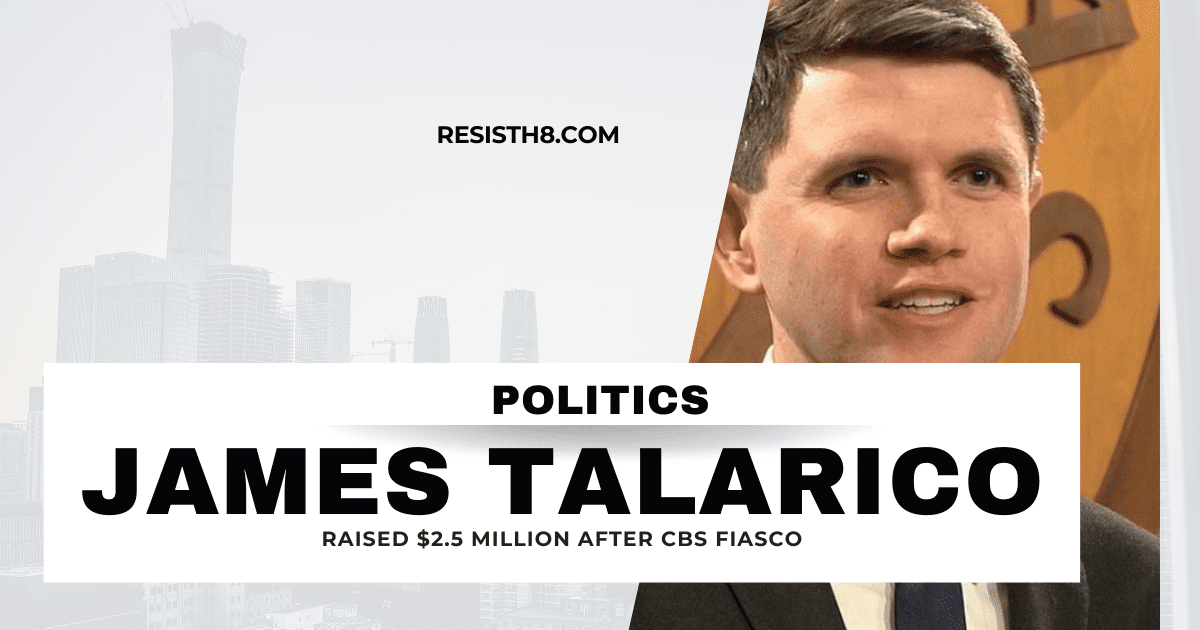

When CBS lawyers told Stephen Colbert he couldn’t air his interview with Texas Senate candidate James Talarico on Monday night, they probably didn’t expect what happened next.
Within 24 hours, Talarico’s campaign raised $2.5 million — the largest single-day fundraising haul of his entire Senate run. The interview, posted to YouTube after being pulled from the broadcast, has been viewed more than 6 million times and counting.
Add in views from TikTok, Instagram, and other platforms, and the total reaches into the tens of millions.
It’s the kind of backfire that has a name: the Streisand Effect. The more you try to suppress something, the more attention it gets.
What Happened
Talarico, a Democratic state representative from Austin, was scheduled to appear on The Late Show with Stephen Colbert on Monday — the same day early voting began in the Texas Democratic primary for U.S. Senate. But before the episode aired, CBS lawyers stepped in.
Colbert told his audience that the network’s attorneys had contacted his team directly and told them the interview could not be broadcast.
The reason? Concerns about the FCC’s “equal time” rule, which requires broadcasters to offer equivalent airtime to all candidates in an election if one candidate appears on air.
Here’s the thing: late-night talk shows have traditionally been exempt from that rule. The FCC has long treated talk show interviews as a form of news coverage, which is specifically excluded from the equal time requirement.
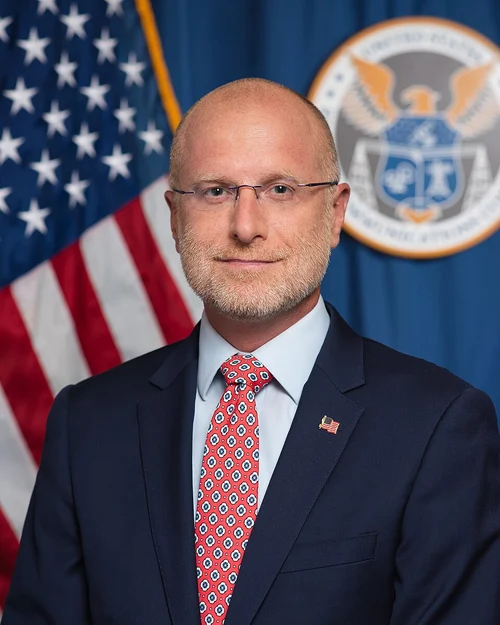
But FCC Chairman Brendan Carr — appointed by President Trump — has recently signaled that he wants to eliminate that exception. Earlier this month, the FCC launched a probe into ABC’s The View after it hosted Talarico on the show.
Colbert didn’t take the decision quietly. He told his audience exactly what had happened, posted the full interview to YouTube, and on Tuesday night called CBS’s official statement — which claimed the show was never “prohibited” from airing the interview — a single word that needs no translation here.
CBS Says One Thing. Colbert Says Another.
CBS released a statement saying that The Late Show “was not prohibited” from broadcasting the Talarico interview. According to the network, the show was given “legal guidance” that the broadcast could trigger equal time obligations for Talarico’s primary opponents, including U.S. Rep. Jasmine Crockett, and was “presented options” for how to fulfill those obligations.
Colbert fired back on Tuesday’s show, saying CBS lawyers had reviewed and approved every word of his Monday night script — including the part where he said he was blocked.
He told viewers that between segments, he was called backstage to receive additional notes from lawyers, something he said had never happened before in his time hosting the show.
The tension between Colbert and his network is playing out against a larger backdrop. Paramount, CBS’s parent company, is currently in conversations with the Trump administration about a bid to purchase Warner Bros.
Critics have accused CBS of shifting its editorial posture to appease the administration, particularly after the hiring of Bari Weiss.
Why This Matters Beyond Texas
This story is about more than one interview or one candidate’s fundraising numbers. It’s about what happens when government pressure — even indirect pressure — starts shaping what Americans are allowed to see on television.
The FCC’s equal time rule exists for a legitimate purpose: making sure broadcasters don’t give unfair advantages to certain candidates.
But when the rule is wielded as a threat to discourage networks from covering candidates the administration doesn’t like, it stops being about fairness and becomes a tool of suppression.
FCC Commissioner Anna Gomez called CBS’s decision “yet another troubling example of corporate capitulation in the face of this Administration’s broader campaign to censor and control speech.”
She added that CBS is fully protected under the First Amendment to determine what interviews it airs, which makes its decision to cave to political pressure even more disappointing.
Talarico is running in a close Democratic primary against Rep. Jasmine Crockett ahead of the March 3 election.
The winner will face the victor of the Republican primary, which includes incumbent Sen. John Cornyn and Texas Attorney General Ken Paxton. Democrats haven’t won a statewide race in Texas since 1994.
The Bigger Picture
Whether you support Talarico’s candidacy or not, what happened this week should concern every American who values free speech. A television network pulled an already-recorded interview with a political candidate — not because of anything inappropriate in the content, but because of fear that the federal government might retaliate.
That’s not how a free press is supposed to work.
Talarico put it simply in a statement after the fundraising surge: “This is the most dangerous kind of cancel culture, the kind that comes from the top. A threat to one of our First Amendment rights is a threat to all of our First Amendment rights.”
The $2.5 million his campaign raised in a single day suggests a lot of Americans agree.
Sources: NBC News, CNBC, Houston Public Media, Variety, Bloomberg, Axios