


Wall Street opened the new week in the red on Monday as investors dealt with the fallout from President Trump’s decision to impose a new 15% global tariff, just two days after the Supreme Court ruled his previous tariffs unconstitutional.
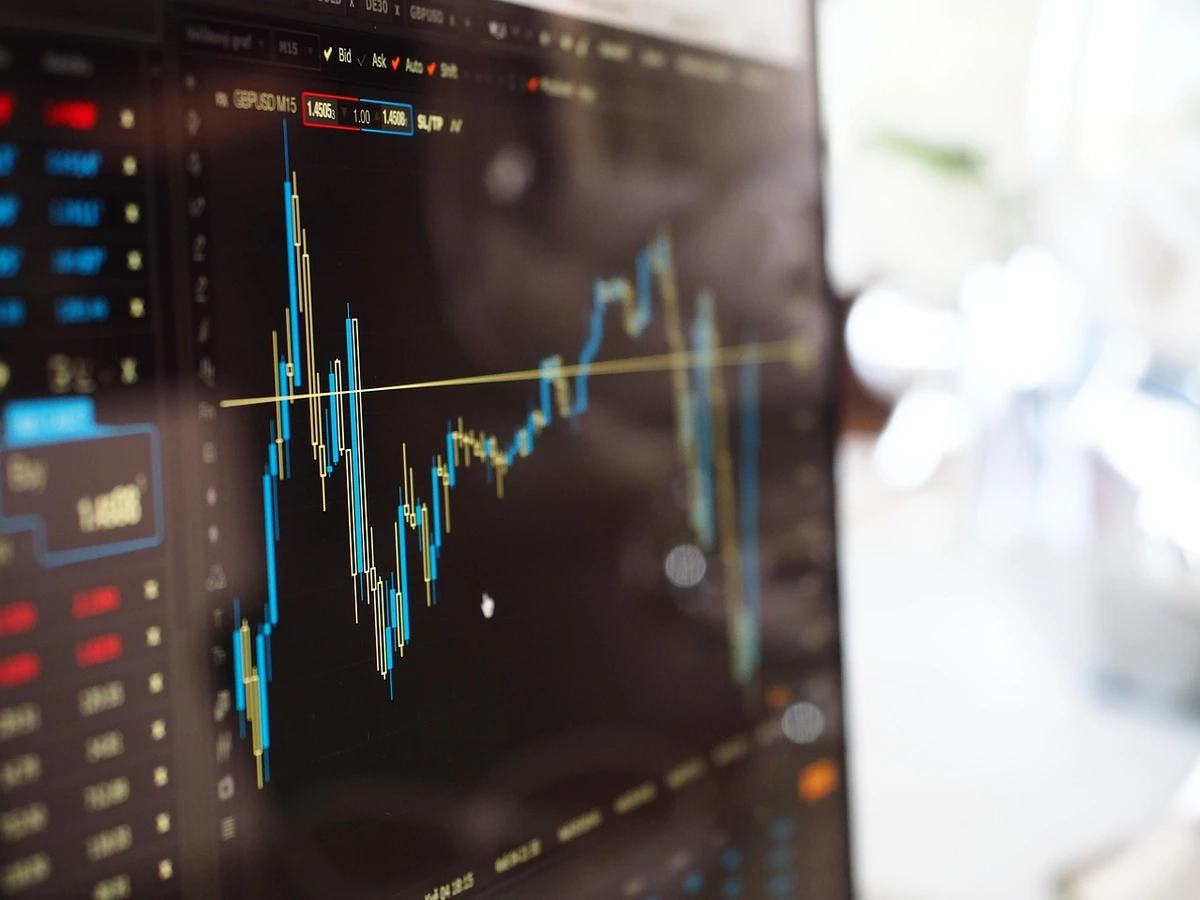
The S&P 500 fell 0.2%, the Dow Jones Industrial Average dropped 122 points (about 0.3%), and the tech-heavy Nasdaq Composite declined 0.6%.
Meanwhile, gold prices surged more than 1% as investors rushed toward safer assets, and Bitcoin tumbled below $65,000 before partially recovering — a sign that uncertainty is rattling nearly every corner of the financial markets.
The sell-off came as a direct response to what can only be described as an extraordinary sequence of events over the weekend. On Friday, the Supreme Court ruled 6-3 that Trump had overstepped his constitutional authority by imposing sweeping tariffs under a 1977 emergency powers law called the International Emergency Economic Powers Act (IEEPA).
The court’s majority opinion was clear: the power to impose taxes — including tariffs — belongs to Congress, not the president.
Within hours of the ruling, Trump lashed out at the justices, including two he personally appointed, calling them an “embarrassment to their families.”
He then signed an executive order imposing a new 10% blanket tariff on all imports under a completely different law — Section 122 of the Trade Act of 1974. By Saturday, he had raised it to 15%, the maximum allowed under that statute.
No president has ever used Section 122 in this way before, and legal experts are already warning that this new round of tariffs will almost certainly face its own court challenges.
The law was designed to address balance-of-payments emergencies and limits tariffs to just 150 days unless Congress votes to extend them — something lawmakers have shown little appetite to do, particularly with midterm elections looming in November.
What This Means for Everyday Americans
The whiplash in trade policy isn’t just an abstract market story. Tariffs are, at their core, taxes on imported goods — and those costs are overwhelmingly passed on to consumers and small businesses.
When the prices of imported materials, parts, and finished products go up, the people who feel it most are working families trying to stretch their budgets.
The Supreme Court’s ruling had briefly offered a glimmer of hope for small business owners who have been crushed by the tariffs over the past year. Some plaintiffs in the case expressed relief, with one small business founder saying he had been in a “constant state of worry” since the original tariffs were imposed.
The ruling also raised the possibility that importers could be refunded more than $100 billion in tariffs that were collected under the now-illegal IEEPA orders.
When asked about refunds, however, Trump brushed the question aside, suggesting it would need to be litigated for years.
Public opinion is firmly against the president on this issue. A Washington Post/ABC News poll conducted just before the ruling found that 64% of Americans disapproved of how Trump was handling tariffs.

A snap YouGov poll taken after the decision showed 60% of Americans strongly supported the court striking down the tariffs.
Global Ripple Effects
The chaos is reverberating far beyond U.S. borders. The European Union’s trade chief has proposed freezing the bloc’s trade deal with the United States amid what officials called tariff “chaos.”
France’s finance minister suggested the EU has the tools to retaliate. Germany’s chancellor said he expected the tariff burden on his country’s economy to decrease and hinted at pursuing refunds for German companies.
Meanwhile, U.S. Customs and Border Protection announced Monday that it would stop collecting the now-illegal IEEPA tariffs as of Tuesday — even as the new Section 122 tariffs take effect the same day.
For investors, the concern isn’t just today’s market dip. It’s the broader picture of an administration that appears willing to defy judicial authority and create ongoing uncertainty in trade policy.
The Magnificent Seven tech stocks — companies like Microsoft, Tesla, Amazon, and Alphabet that have powered much of the market in recent years — are almost all in the red for 2026, with Microsoft alone down nearly 18% year to date.
The combination of tariff chaos, rising AI-related disruption fears, and questions about massive capital spending plans has made this a deeply unsettling start to the year.
As one legal scholar told Al Jazeera after the Supreme Court ruling, this isn’t just about economics — it’s about the rule of law. The court stepped in to check what it saw as a president defying legal limits on his power.
Whether those limits hold remains an open question, and ordinary Americans will continue to bear the consequences while it plays out.