

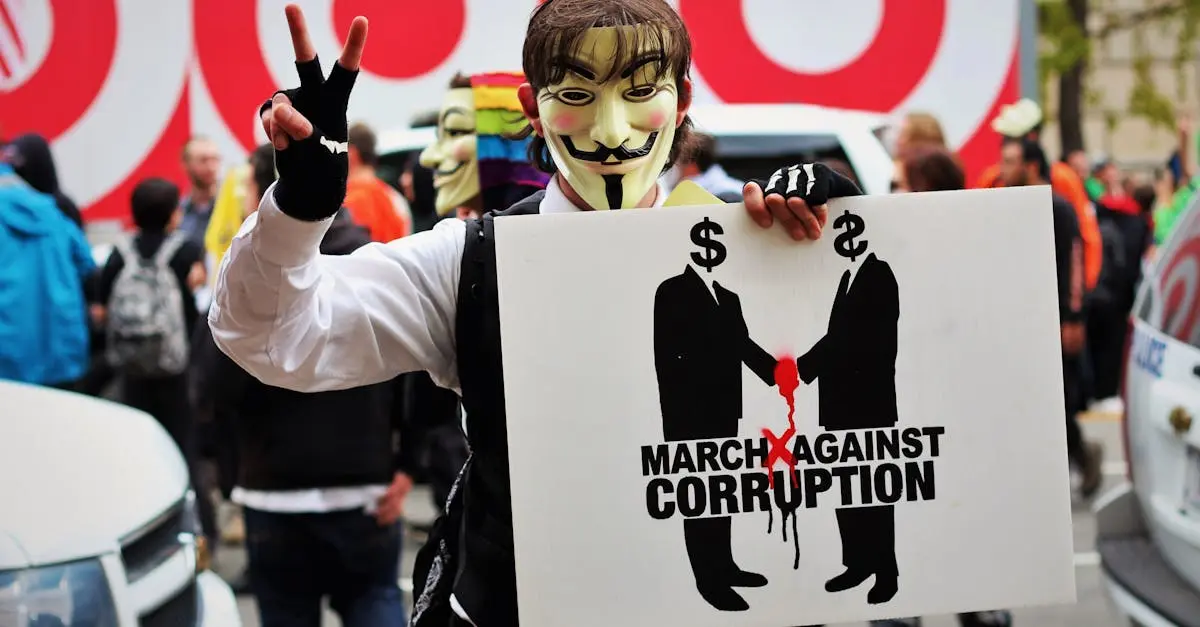
The pervasive influence of private capital has transformed the American politics, making the eradication of money in politics the definitive mission of the Progressive movement.
We have reached a point where policy often reflects the interests of the highest bidder rather than the needs of the public.
This system doesn’t just influence outcomes; it fundamentally corrupts the role of the representative, diverting their focus away from the American people and toward the demands of wealthy donors.
This shift didn’t happen in a vacuum—it was facilitated by the judiciary.
Two landmark Supreme Court decisions stand as the primary pillars of this era:
- Buckley v. Valeo (1976): This established the precedent that spending money to influence elections is a form of constitutionally protected free speech.
- Snyder v. United States (2024): A more recent and controversial ruling that narrowed the definition of federal bribery law, essentially distinguishing “illegal bribes” from “legal gratuities” paid to officials after an act is performed.
Now let’s take a closer look at how these two decisions have affected our politics and the money that corrupts members of Congress.
The Impact of Buckley v. Valeo
The Supreme Court’s 1976 decision in Buckley v. Valeo significantly reshaped the landscape of campaign finance in the United States.
By striking down certain limits on campaign contributions and expenditures, the Court ushered in a new era where money played a more prominent role in American politics.
One of the most significant consequences of Buckley v. Valeo was the proliferation of Political Action Committees (PACs).
Prior to the decision, PACs were relatively limited in their fundraising and spending abilities.
However, the Court’s ruling allowed for the creation of independent PACs that could raise and spend unlimited amounts of money on political activities, as long as they were not coordinated with a candidate’s campaign.
This led to a surge in PAC formation, as individuals, corporations, and special interest groups sought to exert greater influence on elections.
Today we see PACs that are obviously coordinating with a campaign while claiming they don’t.
Another major impact of Buckley v. Valeo was the increased influence of wealthy individuals in American politics. The decision upheld limits on campaign expenditures by candidates but struck down limits on individual contributions.
This allowed wealthy donors to contribute substantial sums to campaigns, potentially giving them greater access to elected officials and policymakers.
Critics argue that this has led to a system where the wealthy have an advantage in the political process.
Buckley v. Valeo has contributed to the rise of negative advertising and attack ads.
With the increased availability of campaign funds, candidates have been able to spend more on advertising, often focusing on attacking their opponents rather than promoting their own policies.
This has led to a more divisive and negative political climate, as candidates seek to discredit their opponents and sway voters.
While Buckley v. Valeo has had a profound impact on money in politics, it is important to note that the issue is still multifaceted.
Subsequent court cases and legislative efforts have sought to address some of the concerns raised by the decision.
However, the fundamental question of how much money should be allowed in politics continues to be a subject of intense debate.
Snyder v. United States
Snyder v. United States was a significant Supreme Court case that had a major impact on the scope of federal anti-corruption laws.
The decision narrowed the definition of a “bribe” under federal law, making it more difficult to prosecute public officials for accepting gifts or benefits that were not directly tied to specific official actions.
Key Effects of the Decision:
Narrowed Definition of Bribery: The Court ruled that a “bribe” must involve a clear quid pro quo, where the gift or benefit is given in exchange for a specific official act.
This narrowed the scope of federal law, making it harder to prosecute public officials for accepting gifts that might appear suspicious but lack a clear connection to a specific official action.
Impact on Corporate Gifts and Hospitality: The decision has implications for corporations that interact with government officials.
While the Court did not completely eliminate the possibility of prosecution for corporate gifts, it made it more difficult to prove that such gifts constituted bribes.
This could lead to increased corporate spending on gifts and hospitality.
Implications for Anti-Corruption Efforts: Some critics argue that the decision may weaken anti-corruption efforts by making it harder to prosecute public officials who engage in corrupt practices.
However, proponents of the decision argue that it protects innocent public officials from being unfairly targeted.
Potential for Legislative Changes: The decision has prompted discussions about potential legislative changes to address the concerns raised by the Court.
Some lawmakers may seek to strengthen anti-corruption laws to counter the effects of the Snyder decision.
Overall, Snyder v. United States represents a significant development in federal anti-corruption law.
Its effects will likely be felt for years to come, as both prosecutors and defense attorneys grapple with the new legal landscape.
Snyder v. United States implications for anti-corruption laws
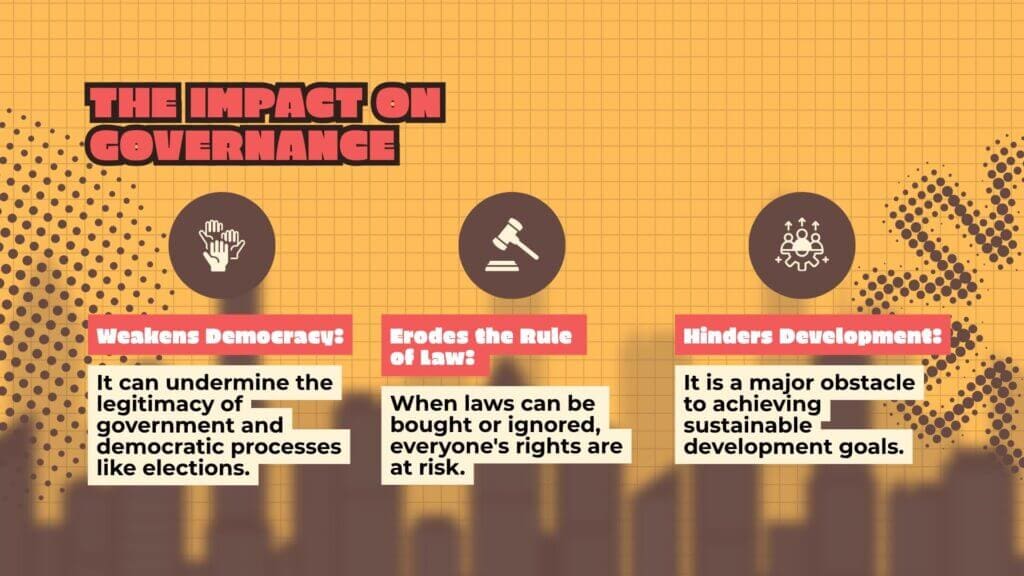
Snyder v. United States has significant implications for anti-corruption laws, primarily by narrowing the definition of a “bribe.” This narrower interpretation has several potential effects:
1. Increased Difficulty in Prosecution:
Quid Pro Quo Requirement: The decision emphasizes the need for a clear quid pro quo, making it harder to prove that a gift or benefit was given in exchange for a specific official action.
Subjective Intent: Prosecutors may face challenges in proving the subjective intent of both the giver and the receiver, which is often a key element in bribery cases.
2. Potential for Increased Corruption:
Looser Standards: A narrower definition of bribery could create a more permissive environment where public officials may feel emboldened to accept gifts and benefits that might previously have been considered improper.
Reduced Deterrent Effect: If it becomes more difficult to prosecute public officials for bribery, it may reduce the deterrent effect of anti-corruption laws.
3. Need for Legislative Reform:
Strengthened Definitions: Lawmakers may consider revising anti-corruption laws to broaden the definition of bribery or introduce new offenses to capture conduct that falls outside the current legal framework.
Enhanced Enforcement Mechanisms: Reforms could also focus on strengthening enforcement mechanisms, such as increasing resources for investigative agencies or implementing stricter penalties for bribery offenses.
4. Impact on International Anti-Corruption Efforts:
Harmonization: The decision may influence international efforts to harmonize anti-corruption laws and standards.
Countries may need to reassess their domestic laws to ensure they align with the broader global consensus.
Competitive Disadvantages: A narrower definition of bribery in the United States could potentially create competitive disadvantages for businesses that operate in countries with stricter anti-corruption regimes.
Snyder v. United States has the potential to significantly impact anti-corruption efforts.
While the decision may make it more difficult to prosecute certain bribery cases, it also presents an opportunity for policymakers to reassess and strengthen existing laws to combat corruption effectively.