


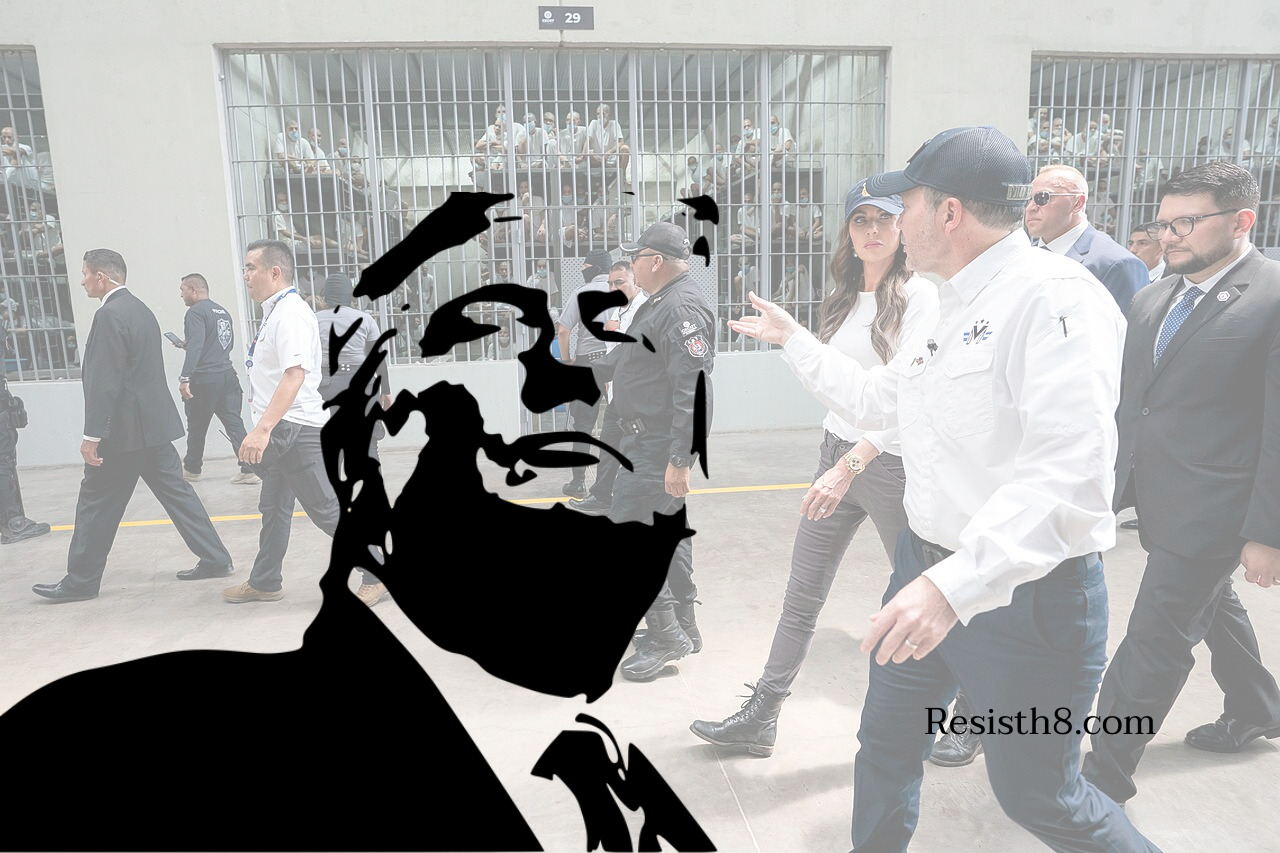
Donald Trump has sounded the alarm, over and over again, that the United States is facing an “invasion” by dangerous gang members. He blames immigrants for the country’s economic problems and claims protesters are destroying US cities.
Trump is not the first would-be autocrat to manufacture a crisis to seize extraordinary powers.
As Natasha Lindstaedt, an expert in authoritarian regimes at the University of Essex, says in episode 3 of The Making of an Autocrat, a strongman “loves a crisis”.
“A crisis is the way that they mobilize their base, the way that they can depict themselves as the saviour, as this messianic type of figure that is going to save people from this chaotic world.”
So, is the United States really facing a national emergency? Or is this just a tactic on Trump’s part to amass more power?
Listen to the interview with Natasha Lindstaedt at The Making of an Autocrat podcast.
This episode was written by Justin Bergman and produced and edited by Isabella Podwinski and Ashlynne McGhee. Sound design by Michelle Macklem.
Newsclips in this episode from KATU ABC News, Al Jazeera, The New York Times, Al Jazeera, British Pathé, CNN and APT News.
Listen to The Conversation Weekly via any of the apps listed above, download it directly via our RSS feed or find out how else to listen here. A transcript of this episode is available via the Apple Podcasts or Spotify apps
This article is republished from The Conversation under a Creative Commons license. Read the original article.