

In late 2016, a strange medical mystery surfaced in Havana, Cuba. U.S. and Canadian diplomats stationed there began reporting sudden, unexplained symptoms. Some described piercing sounds, others felt pressure in their heads, followed by dizziness, nausea, headaches, cognitive fog, and long-term neurological problems. The cluster of cases soon became known as Havana Syndrome, a label that has since been linked to hundreds of reported incidents around the world.
In 2023, an Intelligence Community Assessment (ICA) concluded that the very real symptoms reported by U.S. government officials were painful and traumatic, but “were probably” the result of otherwise unidentified “preexisting conditions, conventional illnesses, and environmental factors.” In other words, Havana Syndrome was most likely caused by “mass hysteria” or “mass psychosis,” both terms commonly used for “mass psychogenic illness.”
This does not mean anyone with symptoms is “faking” them. The strong connection between the body and mind means the brain can cause the body to manifest symptoms—real symptoms that the person is experiencing. The key point is that the symptoms are caused by the mind rather than an actual illness, disease, or other external factor.
According to the ICA, future diplomats were told about Havana Syndrome, creating anticipation and anxiety of an impending attack. That psychological stress caused their bodies to manifest symptoms, the ICA claims. Diplomats who were later stationed in Havana, Cuba, were warned about possible attacks, the type of weapon thought to be used, and the symptoms that the first diplomats who experienced an “attack” had described. Some of them admitted to being worried about a possible attack, not sleeping near windows, and lying awake stressed-out that it could happen to them.

That’s the explanation from U.S. Intelligence: Havana Syndrome is a case of Mass Psychogenic Illness. However, a few days ago, CNN released a report revealing that the U.S. Defense Department is in possession of a weapon that produces pulsed radio waves, which some officials and academics have speculated for years could be the cause of the incidents. The Department, which has been studying it for a year, discovered that the weapon contains parts from Russia.
In a January 12 Substack post on the weapon, Sasha Ingber, a former NPR journalist and National Security correspondent for SCRIPPS, writes: “I have spoken with good people involved in that [Havana Syndrome] research who stand by their analysis. But criticism and skepticism remain. And a House Intelligence subcommittee’s interim report began with a conviction “that a foreign adversary is behind some [Anomalous Health Incidents]” and that the intelligence community “has attempted to thwart the Subcommittee’s investigative efforts to uncover the truth at every turn.””
So the debate rages on. Is Havana Syndrome a genuine physical injury caused by a hostile actor? Or is it a psychological or stress-related phenomenon amplified by fear, secrecy, and geopolitics? The answer matters, not just for diplomacy and national security, but for the people whose lives and careers were abruptly changed forever.
This article looks at what Havana Syndrome is, what symptoms have been reported, what scientists and governments have concluded so far, and why the question of whether it is “real” remains unresolved.
What is Havana Syndrome?
“Havana Syndrome” is not a formal medical diagnosis. It is a shorthand term used by governments and the media to describe a set of unexplained neurological and physical symptoms first reported by diplomats in Havana. Since then, similar cases have been reported in China, Russia, Europe, the Middle East, and even within the United States.
The U.S. government has acknowledged more than 1,000 reports from personnel and family members. Some were ultimately ruled unrelated, but a significant number remain unexplained. The lack of a single, definitive cause fueled skepticism, speculation, and political controversy.
CNN reported on the recent purchase of a device possibly linked to the cause of Havana Syndrome by a division of the Department of Homeland Security, called Homeland Security Investigations (HSI):
“The device acquired by HSI produces pulsed radio waves, one of the sources said, which some officials and academics have speculated for years could be the cause of the incidents. Although the device is not entirely Russian in origin, it contains Russian components, this person added.
Officials have long struggled to understand how a device powerful enough to cause the kind of damage some victims have reported could be made portable; that remains a core question, according to one of the sources briefed on the device. The device could fit in a backpack, this person said.
The acquisition of the device has reignited a painful and contentious debate within the US government about Havana Syndrome, known officially as “anomalous health episodes.””

Commonly reported symptoms
Although the severity varies, reported symptoms tend to cluster in several categories. Many people experience sudden onset, often in a specific location, such as a hotel room or residence. Others report lingering or progressive effects.
| Symptoms Reported With Havana Syndrome |
|---|
| Headaches and migraines |
| Dizziness or vertigo |
| Nausea and vomiting |
| Ringing in the ears (tinnitus) |
| Hearing loss or auditory distortion |
| Visual disturbances |
| Cognitive difficulties, including memory and concentration problems |
| Sleep disruption |
| Sensitivity to light or sound |
| Balance and coordination problems |
Some individuals recovered within weeks. Others report years-long impairment.
Case study 1: A senior intelligence officer
One of the most widely discussed cases involves Marc Polymeropoulos, a veteran CIA officer with decades of experience in high-stress environments. In 2017, while staying in a Moscow hotel, Polymeropoulos suddenly became violently ill. He later described intense vertigo, nausea, and crushing head pain that left him unable to stand.
Medical scans reportedly showed signs consistent with traumatic brain injury, despite no physical impact. His symptoms persisted, affecting his vision, balance, and cognitive abilities. Ultimately, he retired from the CIA due to his condition.
Polymeropoulos has publicly rejected the idea that Havana Syndrome is mass hysteria. He has argued that the sudden onset, physical findings, and similarity across cases point to an external cause. His case has been cited by those who believe a directed energy weapon or similar technology may be involved.
Case study 2: Canadian diplomatic personnel in Havana
Canadian diplomats and their families were also affected in Havana. Several reported headaches, dizziness, memory problems, and sleep disorders. In some cases, children showed behavioral changes and cognitive difficulties, raising additional alarm.
Canadian medical evaluations found brain abnormalities in some affected individuals, though interpretations varied. The Canadian government eventually reduced its diplomatic presence in Cuba and later reached financial settlements with affected families.
While not every case followed the same pattern, the presence of similar symptoms across unrelated households strengthened arguments that something environmental or external was at play.
The leading theories
Over the years, several explanations have been proposed. None have been definitively proven.
Directed energy or microwave weapons
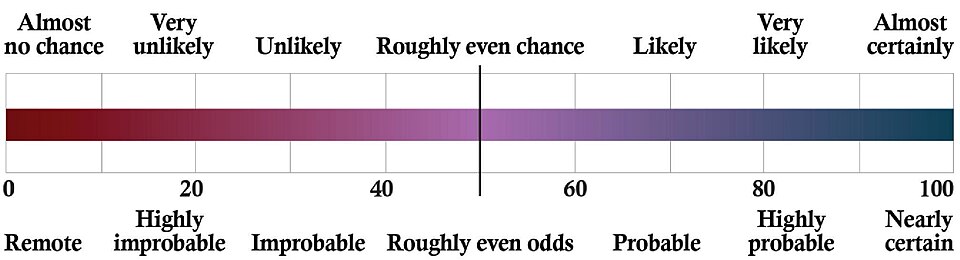
This theory suggests that a hostile actor used a form of focused energy to target individuals. Some scientists argue that certain microwave frequencies could plausibly cause neurological effects. A 2022 intelligence assessment concluded that it was “very unlikely” a foreign adversary was responsible, but later reporting suggested dissent within the intelligence community. The Pentagon is currently studying a weapon of this kind.
Acoustic or ultrasound exposure
Early speculation focused on sound-based weapons. However, many scientists note that sound powerful enough to cause brain injury would likely damage surrounding structures or be noticed by others nearby, which does not consistently align with reported cases.
Environmental or chemical exposure
Pesticides, toxins, or other environmental factors have been considered, especially in Havana, where fumigation was common. This theory struggles to explain cases reported in vastly different environments worldwide.
Psychogenic illness
Some experts argue that stress, expectation, and heightened vigilance could trigger real physical symptoms without an external weapon. This explanation is controversial, particularly among those with documented neurological findings.
What official investigations say
U.S. government assessments have been inconsistent. Different agencies reached different conclusions, sometimes contradicting one another. Some reports downplayed the likelihood of a foreign attack, while others left the door open.
In 2023, a National Academies report stated that directed energy exposure was the “most plausible” explanation for some cases, while emphasizing the lack of definitive evidence. That ambiguity has done little to settle the debate.
For affected individuals, the mixed messaging has often felt dismissive, compounding frustration and mistrust.
Is Havana Syndrome “real”?
This depends on what is meant by “real.”
The symptoms are unquestionably real to those experiencing them. Many have medical documentation, imaging results, and long-term disability. Careers ended. Families relocated. Lives changed.
What remains uncertain is whether Havana Syndrome represents a single condition with a single cause. It is possible that multiple mechanisms are involved, or that similar symptoms arise from different triggers in different contexts.
Skepticism is healthy in science. But dismissing all cases as imagined ignores the growing body of clinical findings and the consistency reported across many accounts.
Either way, the people affected deserve transparency, care, and respect.
The mystery is not just whether Havana Syndrome is real. It is whether institutions are willing to confront uncertainty without abandoning those caught in its wake.
For now, the question remains open. And for those living with the symptoms, it is not theoretical at all.