
WASHINGTON — In a development that has shocked newsrooms across the country and reignited intense debates about press freedom and national security, FBI agents executed a search warrant this week at the Virginia home of Washington Post reporter Hannah Natanson.
The move, tied to a federal investigation into the alleged mishandling of classified information by a government contractor, is being described by legal experts and media advocates as extraordinary, aggressive, and deeply concerning for the future of investigative journalism in the United States.
Agents Seize Devices in Rare Step
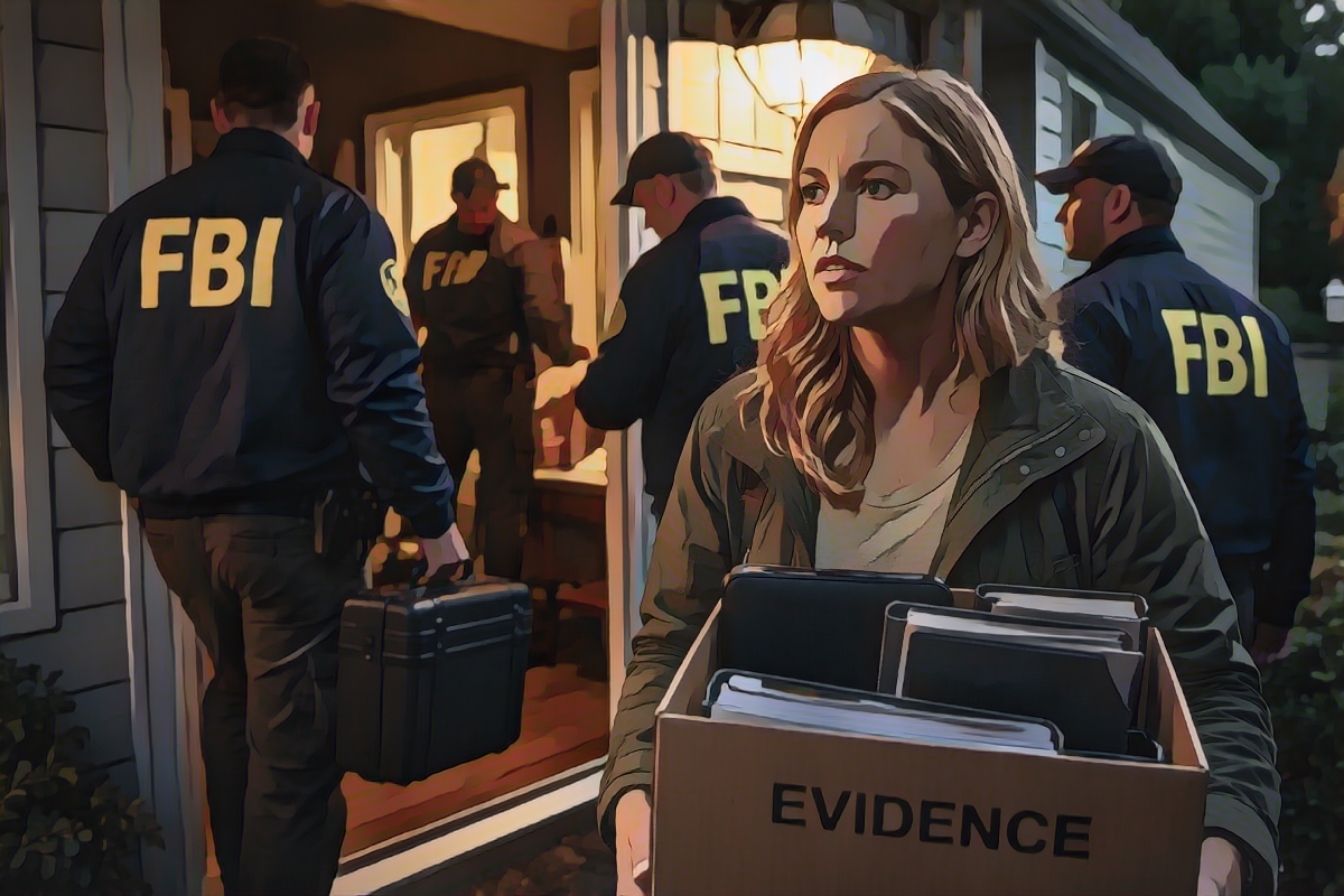
On the morning of January 14, federal agents entered Natanson’s residence in Virginia, seizing her personal phone, two laptop computers (including her Post-issued work device), and a smartwatch.
Officials conducting the search told Natanson she was not a target of the investigation, but that the search was connected to a larger probe into a government contractor accused of unlawfully retaining classified national defense information.
That contractor, identified in court filings as Aurelio Perez-Lugones, was arrested last week in Maryland after authorities said they found classified material in his lunchbox and basement during a separate search.
The FBI affidavit alleges Perez-Lugones accessed and took home sensitive intelligence reports from secure government systems without authorization.
Justice Department Frames Action as Necessary
Attorney General Pam Bondi, posted on X (formerly Twitter) defending the FBI’s actions, saying the search was carried out at the request of the Department of Defense and was part of a broader effort to combat illegal leaks.
White House Press Secretary Karoline Leavitt echoed that sentiment, emphasizing a “zero tolerance” stance toward unauthorized disclosures of classified information. Administration officials have framed the case as a necessary enforcement of law aimed at protecting sensitive national defense information. What about that time w
Press Freedom Advocates Sound the Alarm
But the reaction from journalists, legal scholars, and free press advocates has been sharply critical.
The Washington Post’s executive editor Matt Murray called the FBI’s action “extraordinary” and “deeply concerning,” noting that neither Natanson nor the Post was considered the target of the investigation. Murray said the search raised “serious questions” about constitutional protections for press freedom.
Bruce D. Brown, president of the Reporters Committee for Freedom of the Press, described the raid as “a tremendous escalation in the administration’s intrusions into the independence of the press.”
He warned that seizing a journalist’s devices and searching her home could chill future reporting and undermine confidential sources, who are often essential to investigative work.
Other advocacy organizations, including the Knight First Amendment Institute and PEN America, condemned the step as drastic and warned that it could have a chilling effect on journalism nationwide. Critics compared this conduct to practices more commonly associated with authoritarian regimes than democracies that uphold a free press.
Unusual and Rare, But Not Entirely Unprecedented
While federal leak investigations are not new, executing a search warrant on a journalist’s home is exceptionally rare. Journalists historically have been subpoenaed or had phone records sought in leak probes, but physically searching their homes early in the morning — and seizing their devices — has been almost unheard of.
Legal protections like the Privacy Protection Act of 1980 are intended to limit such actions, although authorities can override these protections if they can show that the journalist is suspected of a crime or that materials cannot be obtained through less intrusive measures.
Under previous administrations, efforts to protect reporters from government searches were stronger. During the Biden administration, Justice Department policies prohibited using search warrants to obtain journalists’ records in most circumstances.
But Attorney General Bondi reversed much of that guidance last year, restoring broader authority for investigators to pursue reporters’ communications if other methods are exhausted.
Press Freedom Under Pressure
The raid comes amid escalating tensions between the federal government and major news organizations. President Donald Trump’s administration has repeatedly criticized the press, framing critical reporting as “dangerous” or “illegal,” and has engaged in multiple legal and financial disputes with outlets including The New York Times and The Washington Post.
Journalists covering national security, federal employees, and sources inside government are now confronting a new reality in which their communications and interactions may be subject to heightened scrutiny and enforcement.
Multiple reporters have already taken steps to secure their devices and communications after Wednesday’s events, fearing that a raid on one newsroom could lead to actions against others.
What This Means for Democracy
Critics argue that the government’s actions risk eroding fundamental First Amendment protections and making it harder for journalists to report on matters of public interest.
Sources may be less willing to come forward if they fear exposure, and news organizations may need to adopt more robust security practices to protect their staff and information.
Supporters of the government’s approach contend that the unauthorized dissemination of classified information — especially that which could harm national security or military operations — must be taken seriously and addressed with every lawful tool available.
As the legal battle over this raid unfolds, with likely court challenges and continued public debate, one thing has become clear: the tension between national security and press freedoms in the United States is entering a new and contentious chapter.