


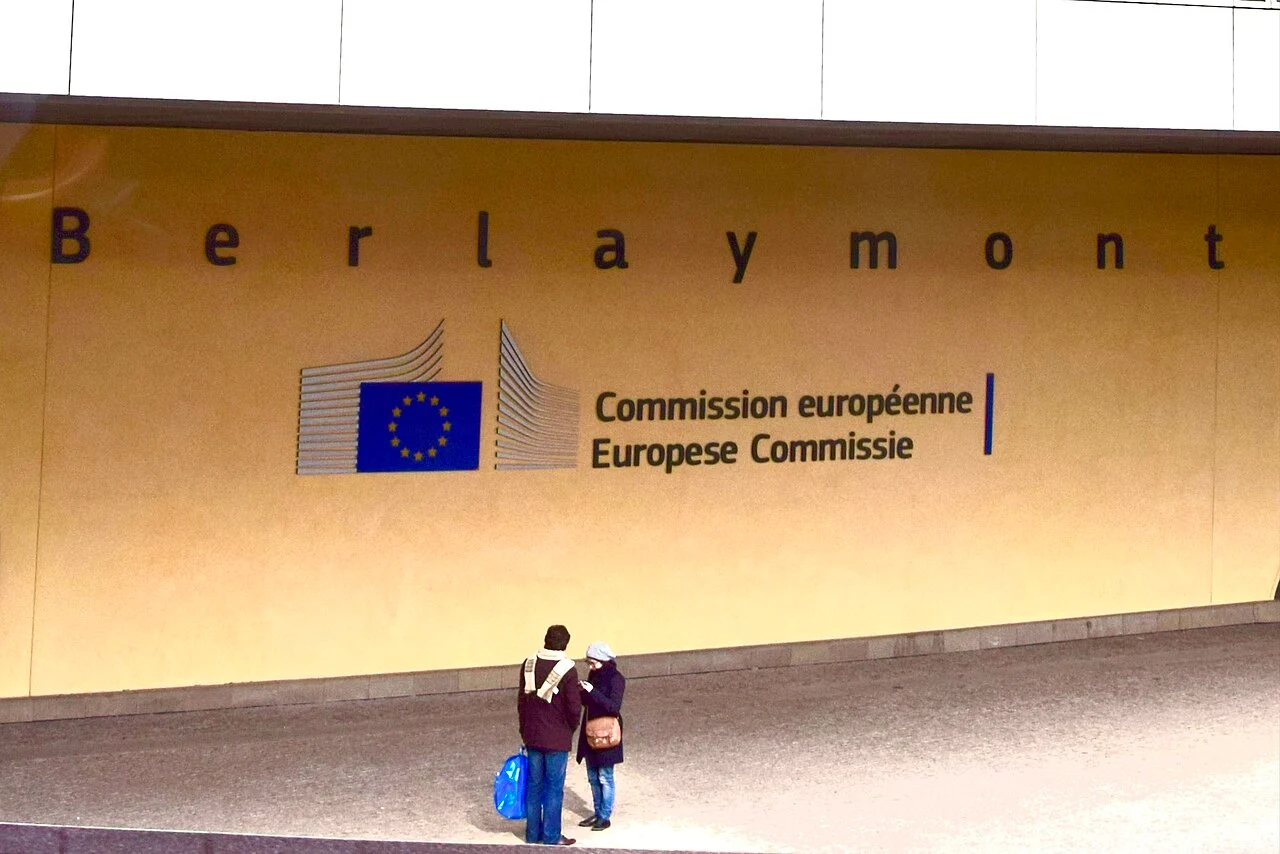
The EU’s executive body, the European Commission, demanded “full clarity” from the United States on Sunday and called on Washington to honor its trade commitments after the U.S. Supreme Court struck down President Trump’s most sweeping tariffs just two days earlier.
The statement comes as Trump has responded to the court’s ruling not with compliance, but with defiance — announcing plans for even higher tariffs through different legal channels.
What the Supreme Court Actually Ruled
On Friday, the Supreme Court ruled 6-3 that Trump had exceeded his authority by using a 1977 emergency law — the International Emergency Economic Powers Act, or IEEPA — to impose massive tariffs on imports from countries around the world.
Chief Justice John Roberts, joined by five other justices including two Trump appointees, wrote that when Congress grants tariff authority, it does so clearly and with careful limits, and that IEEPA did not provide that authority.
The ruling invalidated Trump’s “Liberation Day” tariffs and related import duties that had raised an estimated $160 billion in revenue from American importers — costs that were largely passed on to consumers.
It was the first time the Supreme Court delivered a major rebuke of Trump’s second-term agenda on the merits rather than on procedural grounds.
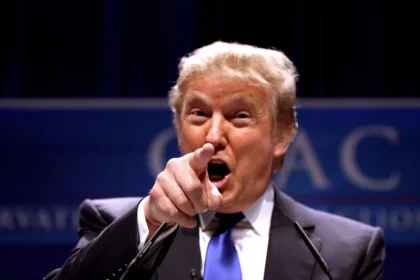
Trump’s reaction was swift and furious. He called the ruling a “disgrace,” said he was “ashamed” of the justices who ruled against him, and personally attacked two of his own Supreme Court appointees, Justices Gorsuch and Barrett, calling their decision “an embarrassment to their families.”

What stood out about Trump’s reaction to the ruling
That same evening, he signed an executive order imposing a new 10% global tariff under a different law — the Trade Act of 1974. By Saturday, he had already raised that figure to 15%.
Why the EU Is Drawing a Line
Here is where things get complicated — and where everyday people on both sides of the Atlantic start paying the price.
Last summer, U.S. and EU officials reached a trade agreement that set a 15% import tax on 70% of European goods entering the United States.
The deal was intended to bring stability after months of tariff chaos that rattled global markets. The European Commission, which handles trade on behalf of all 27 EU member nations, says both sides need to honor that agreement.
The Commission’s message was blunt: the current situation does not support the “fair, balanced, and mutually beneficial” trade relationship both sides agreed to. Unpredictable tariffs, the Commission warned, are “inherently disruptive, undermining confidence and stability across global markets.”
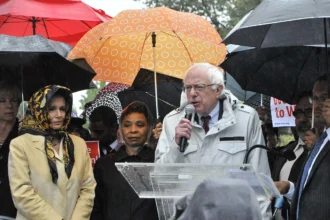
Bernd Lange, chair of the European Parliament’s international trade committee, went further on Sunday, announcing plans to propose pausing the ratification of the trade deal entirely.
He described the situation as “pure tariff chaos” and said no one can make sense of U.S. trade policy anymore.

What This Means for Ordinary People
The scale of this trade relationship is staggering. EU-U.S. trade in goods and services totaled roughly $2 trillion in 2024 — averaging about $4.6 billion every single day.
The biggest European exports to America include pharmaceuticals, cars, aircraft, chemicals, and wine. The biggest American exports to Europe include cloud services, oil and gas, medical equipment, and aerospace products.
When that kind of economic relationship is disrupted by unpredictable policy, it is not Wall Street executives who suffer first.
It is the small business owner whose imported materials just doubled in cost. It is the farmer who lost export markets overnight. It is the family paying more at the grocery store and the pharmacy because tariff costs get passed down the chain until they land on the people who can least afford them.
The EU has not yet pulled the trigger on its most powerful retaliatory tool — the Anti-Coercion Instrument — but the option is on the table.
That instrument could restrict trade and investment from countries pressuring EU members, block access to EU public tenders, and in its most extreme form, cut off access to a 450-million-person consumer market. That would mean billions in losses for American companies.
Trump’s top trade negotiator, Jamieson Greer, said Sunday that the U.S. plans to stand by its existing deals and that he has not heard any partner say the deal is off.
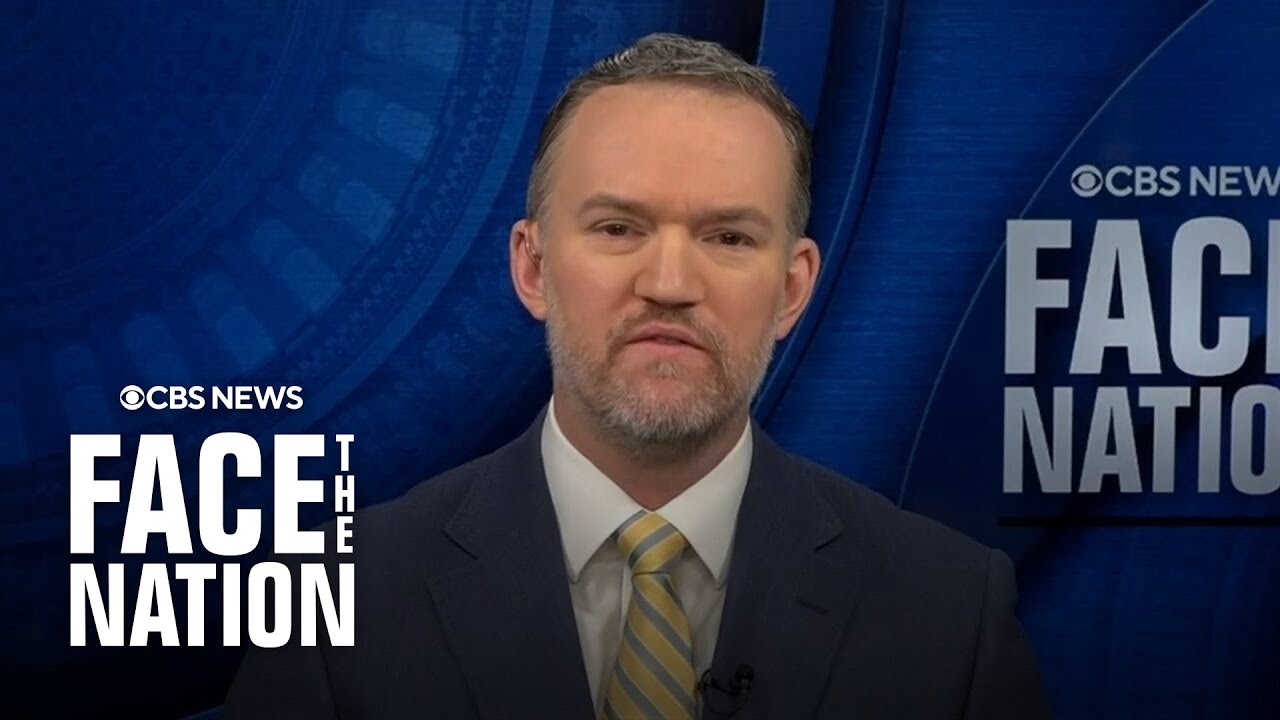
Jamieson Greer on Face the Nation
But with Trump openly defying the Supreme Court’s ruling by imposing new tariffs under different legal authority, the EU’s patience is clearly wearing thin.
The question now is whether this administration understands that trade deals require trust — and that trust, once broken, is far more expensive to rebuild than any tariff.
This is a developing story. Resist Hate will provide updates as they become available.