




In Greek mythology, King Sisyphus was condemned by the god Zeus to spend eternity rolling a boulder up a hill only to have it roll back down, having to start anew every day.
His story captured our attention as researchers studying neglected tropical diseases – a collection of conditions that primarily affect poor people in low-income countries.
These diseases do not kill people at the rates of more well-known infections, such as HIV, malaria and tuberculosis, but cause significant pain and disability.
As chronic infections that can cause disfigurement, they are also stigmatizing and economically devastating.
For over 50 years, researchers, clinicians and policymakers in the global health community have worked to eliminate infections such as onchocerciasis (also known as river blindness) and lymphatic filariasis (elephantiasis).
They’ve done this through controlling black flies and mosquitoes, the vectors that spread these diseases, as well as huge campaigns to distribute antiparasitic medications to entire communities in areas where these diseases are endemic.
Unfortunately, the Trump administration’s sudden defunding of the U.S. Agency for International Development in 2025 has created a real-life Sisyphean struggle for countries working to eliminate neglected tropical diseases.
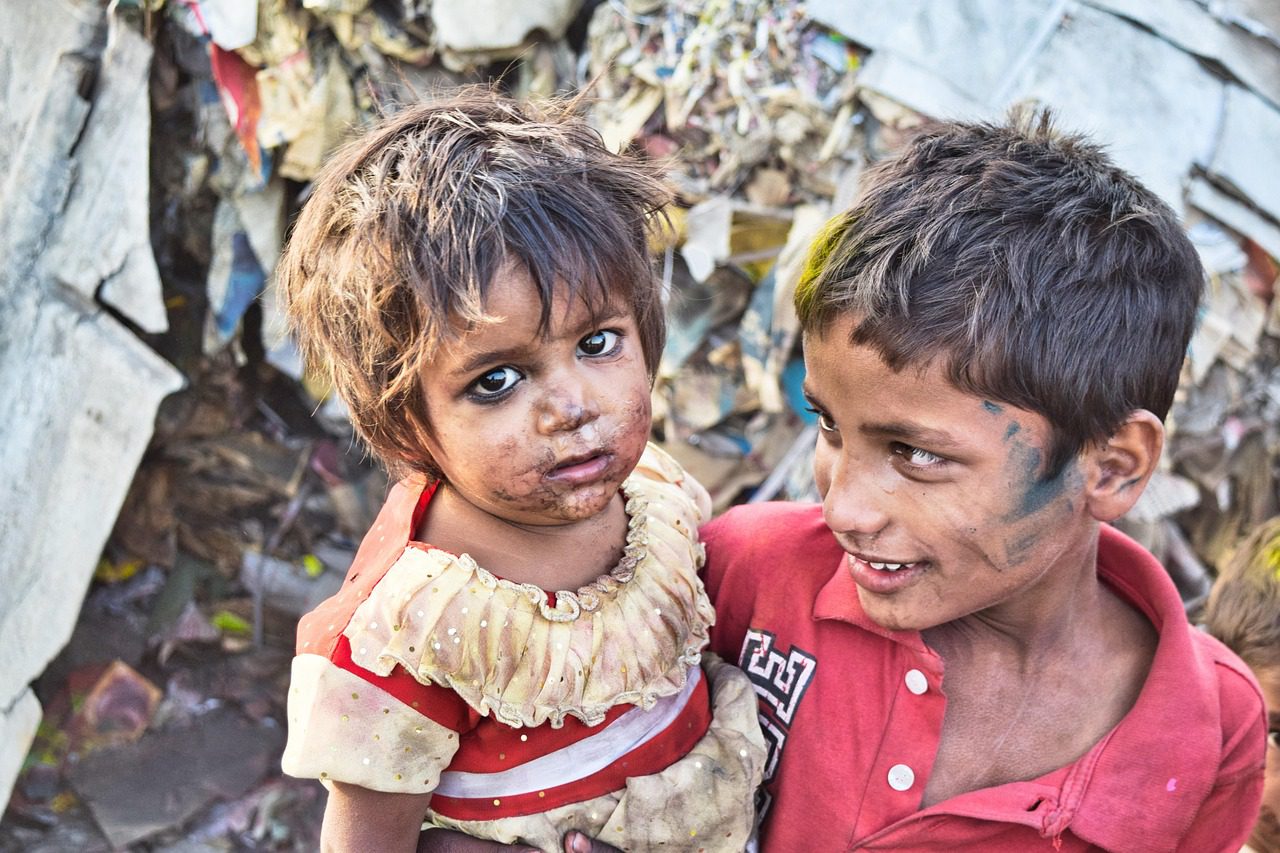
Withdrawal of USAID support is abandoning the boulder of disease elimination partway up the mountain.
When countries are unable to provide treatment, the parasites that cause these diseases will spread to infect more people.
Inevitably, the boulder will roll backward, undoing decades and billions of dollars of work.
Ancient Foes
Lymphatic filariasis and onchocerciasis are centuries-old afflictions. An Egyptian statue of Pharaoh Mentuhotep II from 2000 B.C. is suggestive of lymphatic filariasis.
Filarial worms can live for years within humans, causing a variety of different problems.
In lymphatic filariasis, adult worms live in the lymphatic vessels, a network running throughout the body that returns fluid back to the circulatory system.
This disruption of the lymphatic system can cause the extremities or the scrotum to swell tremendously.
In onchocerciasis, adult worms live in small nodules under the skin.
The larval forms of these parasites migrate through the skin and can invade the eyes, causing chronic inflammation that can lead to blindness.
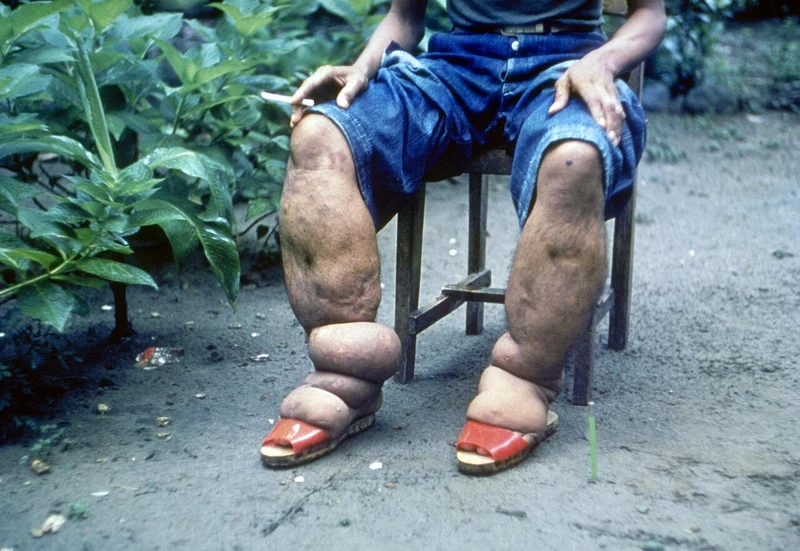
In recognition of the significant suffering these diseases cause, the World Health Organization coordinated global efforts to eliminate them: onchocerciasis starting in 1974 and lymphatic filariasis in 2000.
Since then, these public health campaigns have distributed hundreds of millions of doses of treatment for lymphatic filariasis and onchocerciasis.
Medications vary somewhat by location, but they often involve the use of the Nobel Prize-winning drug ivermectin.
Merck, the manufacturer of ivermectin, provides the drug for free to each country’s disease control program.

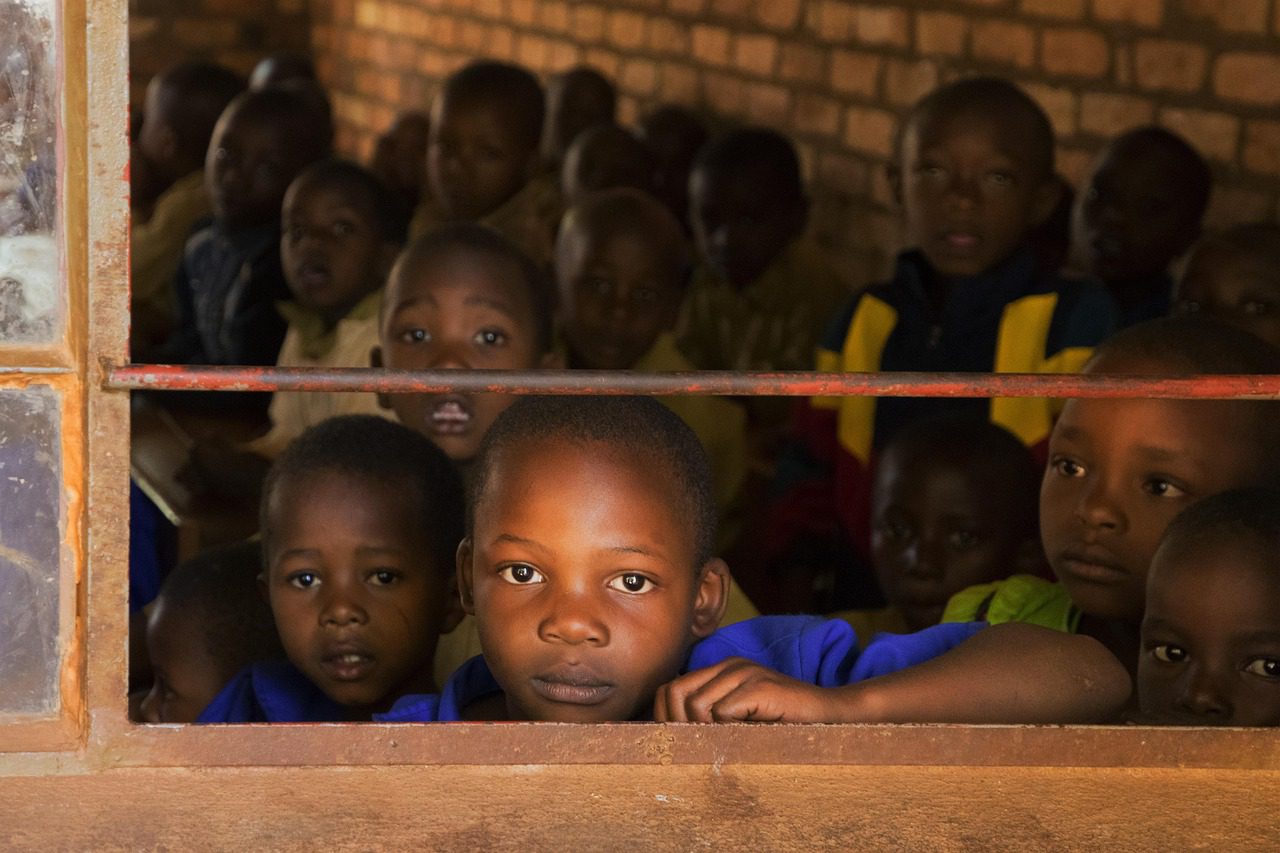
Similarly, the companies GlaxoSmithKline and Eisai respectively donate the antiparasitic medications albendazole and diethylcarbamazine citrate for these campaigns.
Together, these programs have dramatically reduced the numbers of people exposed to these infections.
For lymphatic filariasis, as of 2024, 871 million people no longer need preventive medications, and 21 countries have eliminated this infection. Five countries have eliminated onchocerciasis.
A Job Partially Completed
Despite significant progress in controlling these infections, it remains logistically challenging to map endemic areas, deliver medications, test for ongoing infection and decide which areas have active outbreaks.
While each country runs its own medication delivery programs, these efforts have been supported by the World Health Organization as well as USAID or USAID-funded nongovernmental organizations.
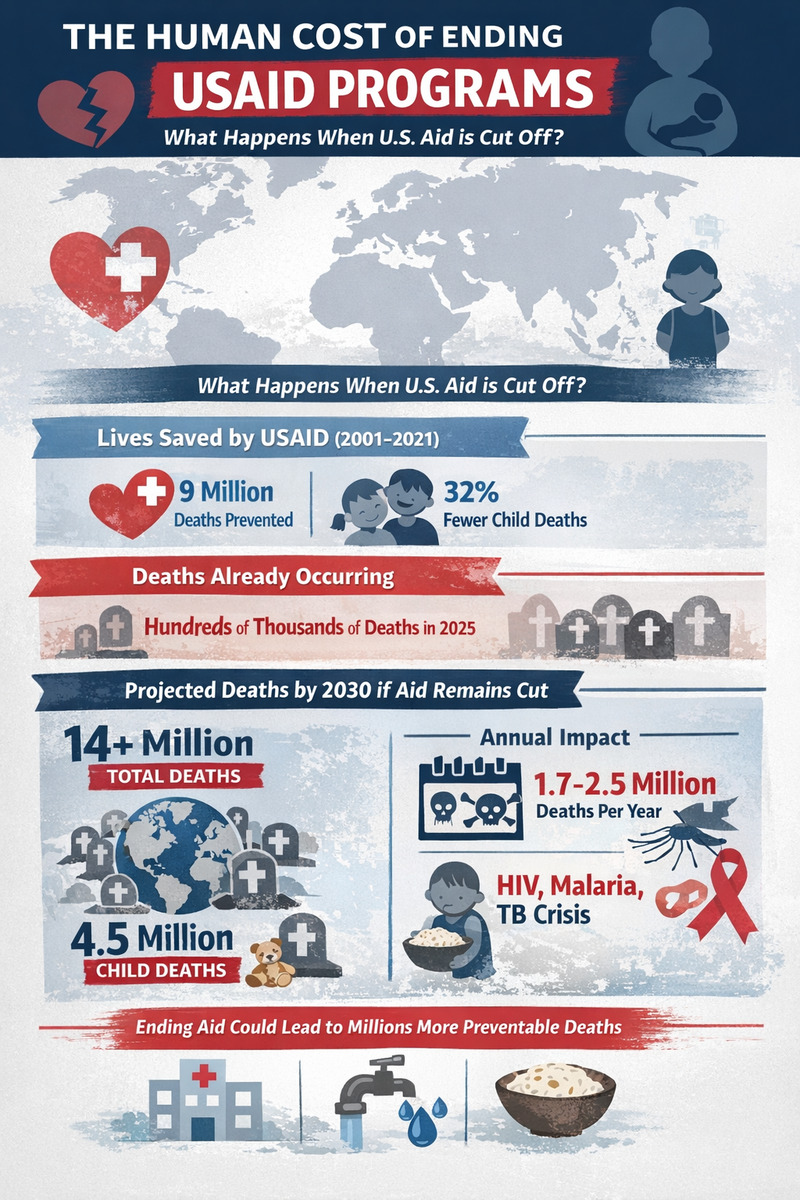
The Trump administration’s funding cuts to USAID halted over 40 drug distribution drives in 2025, affecting over 140 million people. Importantly, the U.S was the largest financial contributor to the World Health Organization until it withdrew its membership in January 2026.
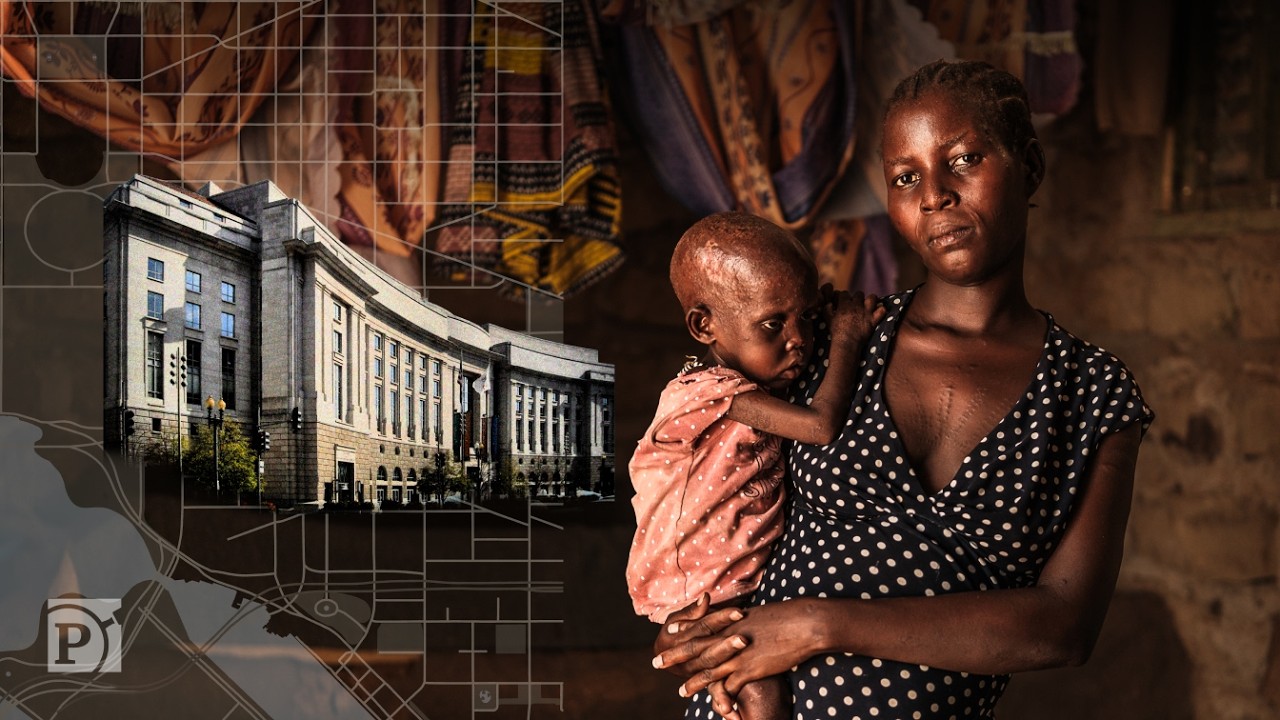
The end of USAID has caused famine and disease outbreaks.
We and others working on eliminating these neglected diseases are concerned that the rapid decrease in funding for these programs will destabilize efforts to treat infections.
Stopping medication delivery now can allow these infections to spread unchecked and roll back decades of progress.
Donated medications can be effective only if they are delivered to those who need them.
This might mean that these campaigns will have to be combined with other public health efforts already underway, or that each country reallocates resources toward these efforts.
If the world turns its back on eliminating these diseases, millions of people will be hurt by the boulder rolling back down.
This article is republished from The Conversation under a Creative Commons license. Read the original article.