

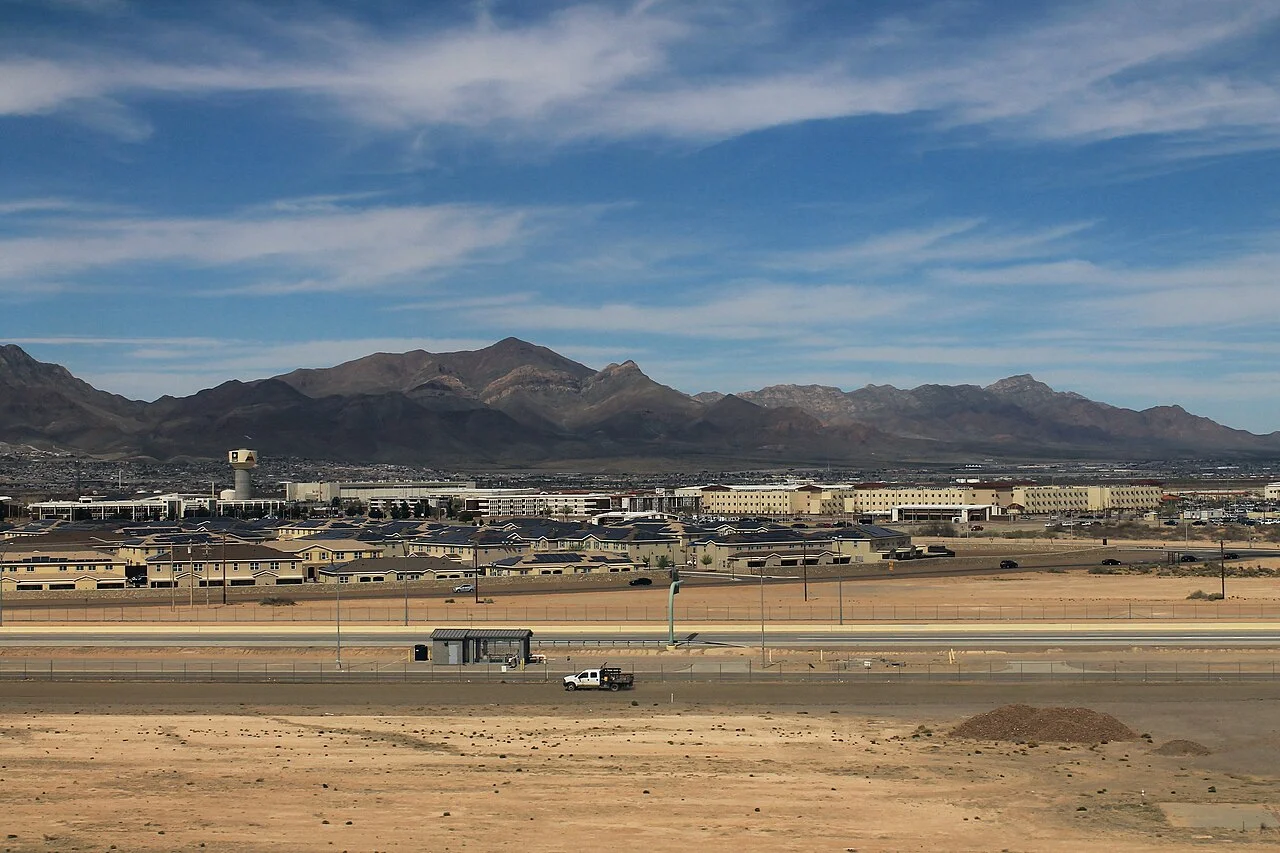
On the night of February 10, 2026, every plane flying in or out of El Paso, Texas came to a halt. The Federal Aviation Administration announced it was closing El Paso airspace for 10 full days, citing “special security reasons.”
Pilots were warned they could be “intercepted, detained and interviewed” if they violated the order — and that deadly force could be used against aircraft deemed a threat.
For a city of nearly 700,000 people, it was a shocking move. A restriction of this scale hadn’t been imposed on El Paso since the September 11, 2001 attacks, when airspace across the entire country was shut down. But this time, the explanation from the federal government didn’t hold up for long.
The Official Story: Cartel Drones Breached U.S. Airspace
U.S. Transportation Secretary Sean Duffy told the public that the airspace was closed because Mexican drug cartel drones had crossed into U.S. airspace, and that “the threat has been neutralized.” The White House and the Pentagon echoed this explanation.
It sounded alarming — and it fit neatly into the Trump administration’s long-running narrative about dangers at the southern border. But almost immediately, that story started to unravel.
What Actually Happened: A Military Laser System and a Communication Breakdown
According to multiple reports, the real reason for the shutdown was far less dramatic — and far more embarrassing for the federal government.
Sources briefed on the situation told reporters that the closure was actually linked to the Department of Defense testing a new high-energy laser system designed to shoot down drones. The Pentagon was also flying its own drones as part of the tests, some of which were operating outside their normal flight paths near El Paso International Airport.
The FAA became concerned that the military’s counter-drone laser could pose a serious risk to commercial aircraft. Aviation regulators and the military had planned to discuss the issue at a meeting scheduled for February 20, but the Army moved forward with its operations before getting final FAA approval. In response, the FAA pulled the emergency brake and halted all flights.
Less than eight hours after the original 10-day restriction was announced, it was quietly lifted. The whole episode, according to reports, was the result of miscommunication between the Pentagon and the FAA — not a cartel invasion.
Local Leaders Were Blindsided and Furious
The people who lead El Paso were not given any warning before the shutdown happened, and they weren’t shy about saying so.


“This unnecessary decision has caused chaos and confusion in the El Paso community,” said Mayor Renard Johnson at a press conference. “You cannot restrict airspace over a major city without coordinating with the city, the airport, the hospitals, the community leadership. That failure to communicate is unacceptable.”

Full press conference—Mayor Renard Johnson
Representative Veronica Escobar, a Democrat who represents El Paso in Congress, was equally blunt. She said there was “nothing extraordinary about any drone incursion into the U.S.” that she was aware of, and that “the information coming from the federal government does not add up.”
Even Mexico’s President Claudia Sheinbaum pushed back on Washington’s claims, saying there was “no information about the use of drones at the border.”
The Broader Context: Drones at the Border Are Real, but the Response Was Not
To be clear, drone activity along the U.S.-Mexico border is a real and documented concern. The Department of Homeland Security told Congress last year that more than 27,000 drones were detected within 500 meters of the southern border in the last six months of 2024 alone — an average of 326 flights per day.
Cartels use drones to scout for law enforcement, smuggle drugs, and in Mexico itself, even to drop explosives during territorial wars. In the western state of Michoacan, the Jalisco Nueva Generacion cartel has used drones to bomb rural farming communities, displacing tens of thousands — and possibly hundreds of thousands — of people.
So the threat is not imaginary. But security experts said the scale of the government’s response to whatever happened in El Paso was wildly disproportionate and unprecedented.
“It is not unusual that unidentified drones will wander over an airport or military base, causing short term disruption,” said Mark Cancian, a retired Marine Corps colonel and senior adviser at the Center for Strategic and International Studies. “However, it is unprecedented that the FAA would seek to shut down a large piece of airspace for days.”
“It is hard to believe that they had thought through the economic and social costs of such an action,” Cancian added.
Why This Matters
This incident raises serious questions about transparency and communication within the federal government. A major American city’s airport was shut down with no warning to local leaders.
The public was given an explanation — cartel drones — that appears to have been misleading at best. And the real cause, a military weapons test gone sideways, was only revealed through anonymous sources speaking to journalists.
For the people of El Paso — a border community that already deals with the daily reality of living at the center of America’s immigration and security debates — this kind of chaos is more than an inconvenience. It erodes trust at a time when trust in government institutions is already fragile.
Close to 3.5 million passengers traveled through El Paso International Airport between January and November 2025. Every one of those travelers, and every resident of El Paso, deserved a straight answer about why their city was suddenly locked down. Instead, they got confusion, contradiction, and a story that didn’t add up.