

The United States has been involved in military conflicts around the world for decades.
Bombs have been dropped, troops have been deployed, and entire nations have been reshaped by American military force.
But here is something most Americans do not fully understand: the President of the United States does not have the constitutional authority to declare war.
That power belongs to Congress – and Congress alone.
So how did we get to a place where presidents routinely launch military operations without a formal declaration of war? And what does the Constitution actually say about who gets to send this country into armed conflict?
What the Constitution Actually Says
Article I, Section 8 of the U.S. Constitution is blunt. It gives Congress the power “to declare War, grant Letters of Marque and Reprisal, and make Rules concerning Captures on Land and Water.”
What the Heck is That? RH explains
“Captures on land and water” refers primarily to Article I, Section 8, Clause 11, allowing Congress to regulate the seizure of enemy property and persons during war. It also refers to the common law “rule of capture,” which grants ownership of resources like oil, gas, and groundwater to the first person to extract them.
The framers made this choice deliberately. They had just fought a revolution against a king who could wage war on a whim.
James Madison wrote that the power of war should be in the legislature because the executive branch is “most interested in war, and most prone to it.”
The founders did not trust any single person with that kind of authority, and they built the system accordingly.
How a Declaration of War Actually Works
A declaration of war is a formal act of Congress. Either the House or the Senate can introduce a joint resolution declaring that a state of war exists between the United States and another nation.
Both chambers must pass the resolution by a simple majority vote.
The President then signs it into law – or, theoretically, vetoes it, though Congress could override that veto with a two-thirds vote in both chambers.
Once war is declared, it triggers a cascade of legal consequences.
The President gains expanded wartime powers, including the ability to seize property, restrict travel, detain enemy nationals, and redirect the full economic machinery of the country toward the war effort.
Federal law enforcement powers expand. Trade with the enemy nation is automatically prohibited. Military contracts and spending shift into a different gear entirely.
“A declaration of war is not just a political statement. It is a legal mechanism that reshapes the relationship between the government and its citizens.”
The Uncomfortable Truth: Congress Has Only Declared War Five Times
Despite the country’s long history of military intervention, Congress has formally declared war only five times: the War of 1812, the Mexican-American War in 1846, the Spanish-American War in 1898, World War I in 1917, and World War II in 1941.
Five times in nearly 250 years.
Every other military action – Korea, Vietnam, the Gulf War, the invasions of Afghanistan and Iraq, drone campaigns across the Middle East and Africa – has been conducted without a formal declaration of war.
Presidents have used a combination of executive authority, broad congressional authorizations, and creative legal interpretations to bypass the constitutional requirement.
The War Powers Resolution: A Band-Aid on a Broken System
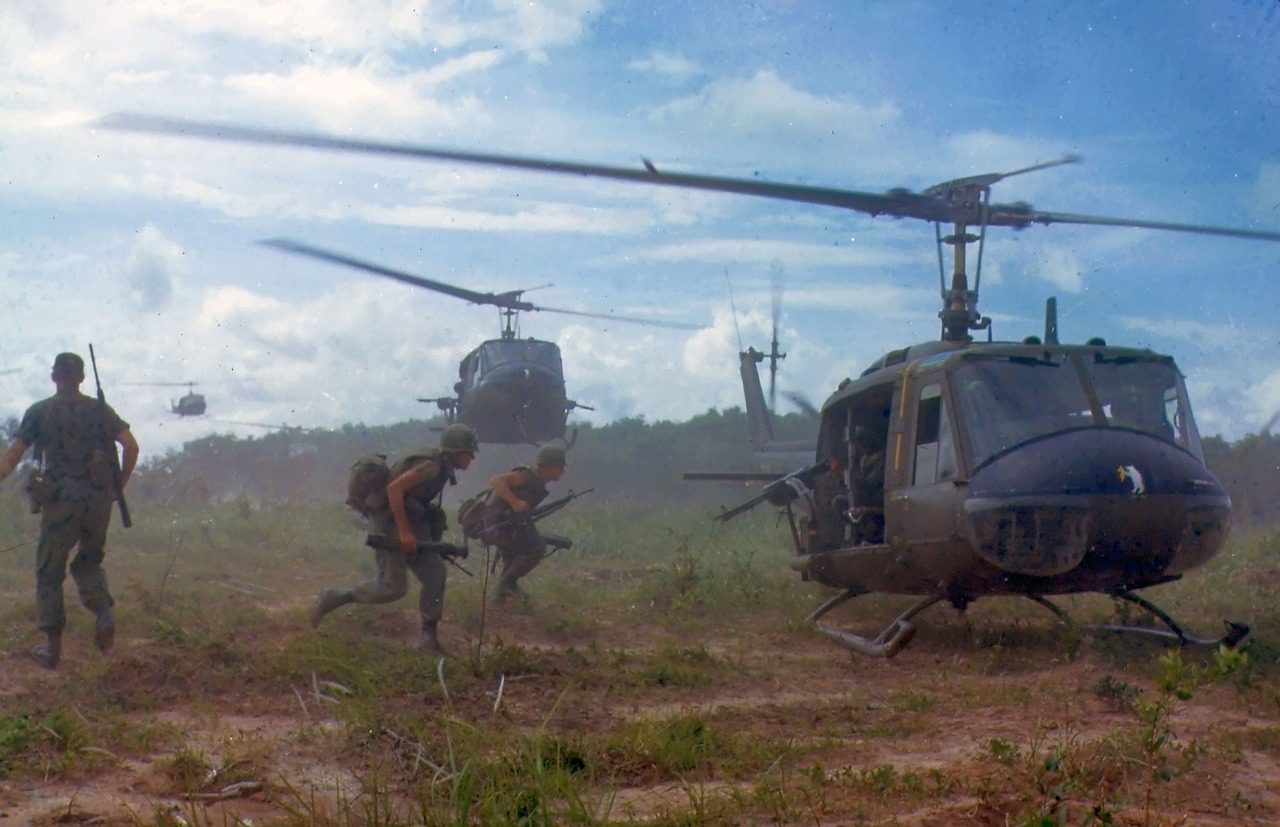
After the Vietnam War exposed just how far executive war-making had drifted from the Constitution, Congress passed the War Powers Resolution of 1973.

President Nixon vetoed it.
Congress overrode the veto.
The law was supposed to reassert congressional authority. It requires the President to notify Congress within 48 hours of committing armed forces to military action and prohibits those forces from remaining engaged for more than 60 days – with a 30-day withdrawal period – without congressional authorization or a formal declaration of war.
In practice, the War Powers Resolution has been more of a suggestion than a rule.
Nearly every president since Nixon has questioned its constitutionality.
Presidents have routinely launched military strikes and then informed Congress after the fact, treating notification as a courtesy rather than a legal obligation.
Congress, for its part, has rarely enforced the law with any real teeth.
The result is a system where the executive branch wages war and the legislative branch watches it happen on cable news.
Authorizations for Use of Military Force: The Workaround
Instead of formal declarations of war, Congress has increasingly relied on Authorizations for Use of Military Force, known as AUMFs.
(Below) Video explaining AUMFs

These resolutions grant the President broad authority to use military force against specific threats without formally declaring war.
The most consequential AUMF was passed on September 14, 2001 – just three days after the 9/11 attacks.
It authorized the President to use “all necessary and appropriate force” against anyone who planned, committed, or aided the September 11 attacks or harbored those who did.
That single resolution has been used by four successive presidents to justify military operations in Afghanistan, Iraq, Syria, Yemen, Somalia, Libya, and beyond.
One vote, taken in a moment of national trauma, has served as the legal foundation for more than two decades of global military operations.
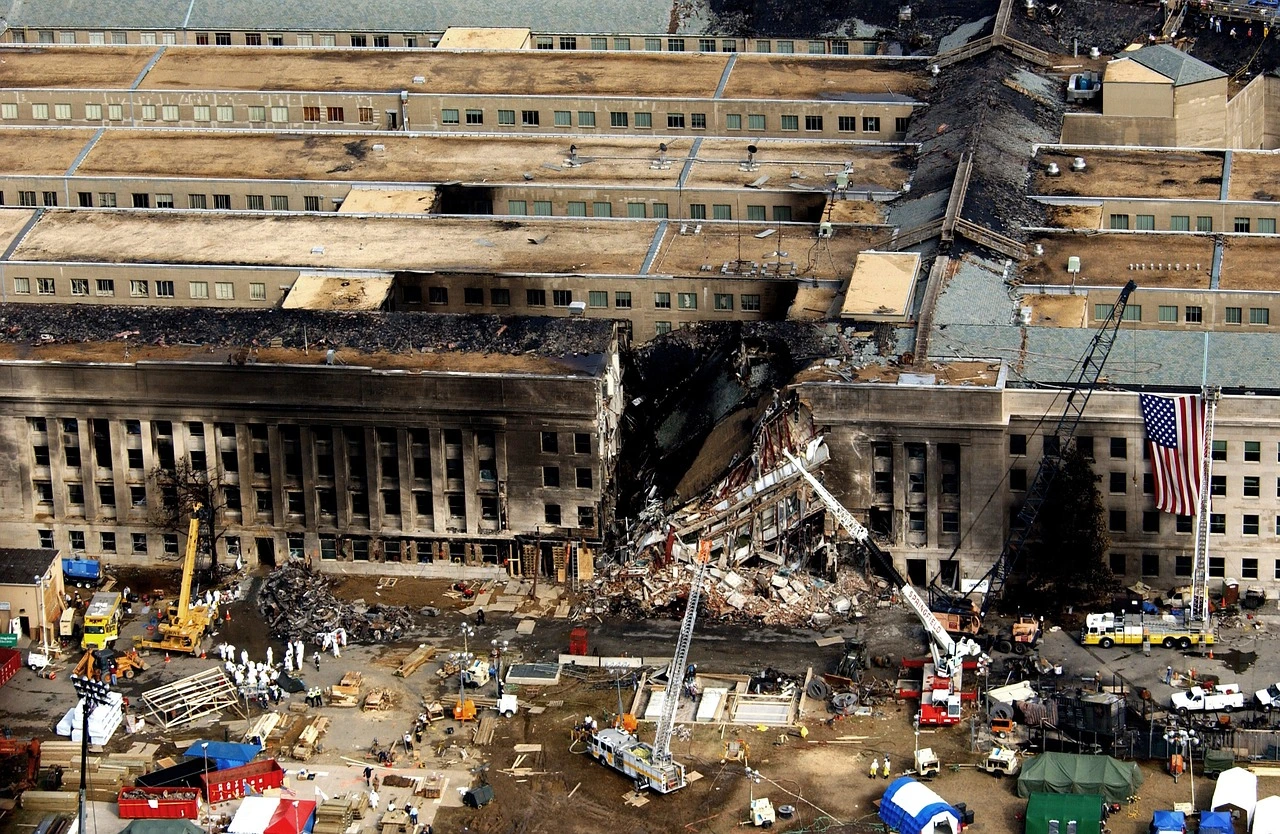
A second AUMF, passed in 2002, specifically authorized the use of force against Saddam Hussein’s Iraq. That authorization remained on the books for over 20 years before Congress finally repealed it in 2024.
Why This Matters Right Now
This is not a history lesson for its own sake. The question of who has the power to take this country to war is one of the most important questions in a democracy.
“When that power [to declare war] is concentrated in the hands of one person – any person, regardless of party – it undermines the foundational principle that the people, through their representatives, should have a say in whether their children, neighbors, and communities are sent into harm’s way.”
Every time a president orders a military strike without meaningful congressional debate, the constitutional balance of power erodes a little more.
Every time Congress declines to assert its authority, it sets a precedent that makes the next unilateral action easier.
The pattern is bipartisan – Democratic and Republican presidents alike have expanded executive war powers, and Democratic and Republican Congresses alike have let them do it.
The framers put the war power in Congress for a reason.
War is the most consequential decision a government can make.
It costs lives.
It costs money.
It reshapes the world.
That decision was never meant to rest with one person sitting in the Oval Office.
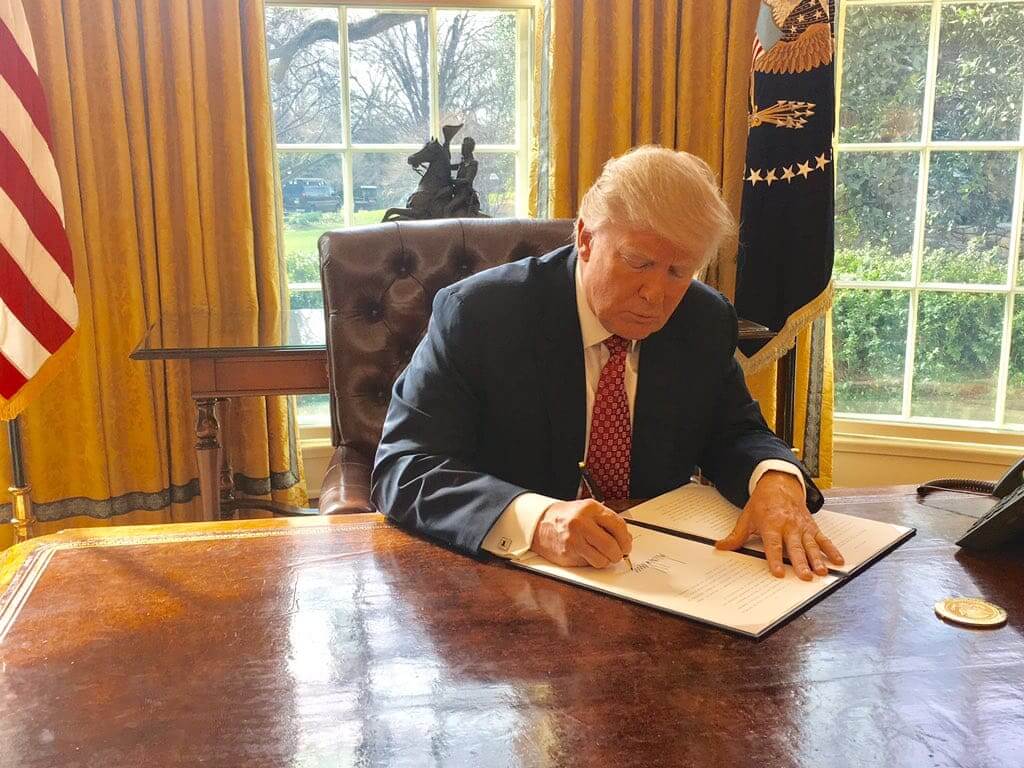
It was meant to require debate, deliberation, and a vote by the people’s representatives.
Until Congress reclaims that authority – not in theory, but in practice – the constitutional design will remain a dead letter, and the most important check on military power will continue to go unused.