

In a case that has simmered for nearly five years, the DC pipe bomber suspect finally stood in federal court and faced the public after an alleged confession that has reignited national attention. The man accused of planting pipe bombs outside the Democratic and Republican National Committee headquarters on the eve of the January 6, 2021 Capitol attack appeared at a detention hearing in Washington, D.C., sparking questions about motive, accountability, and public safety.

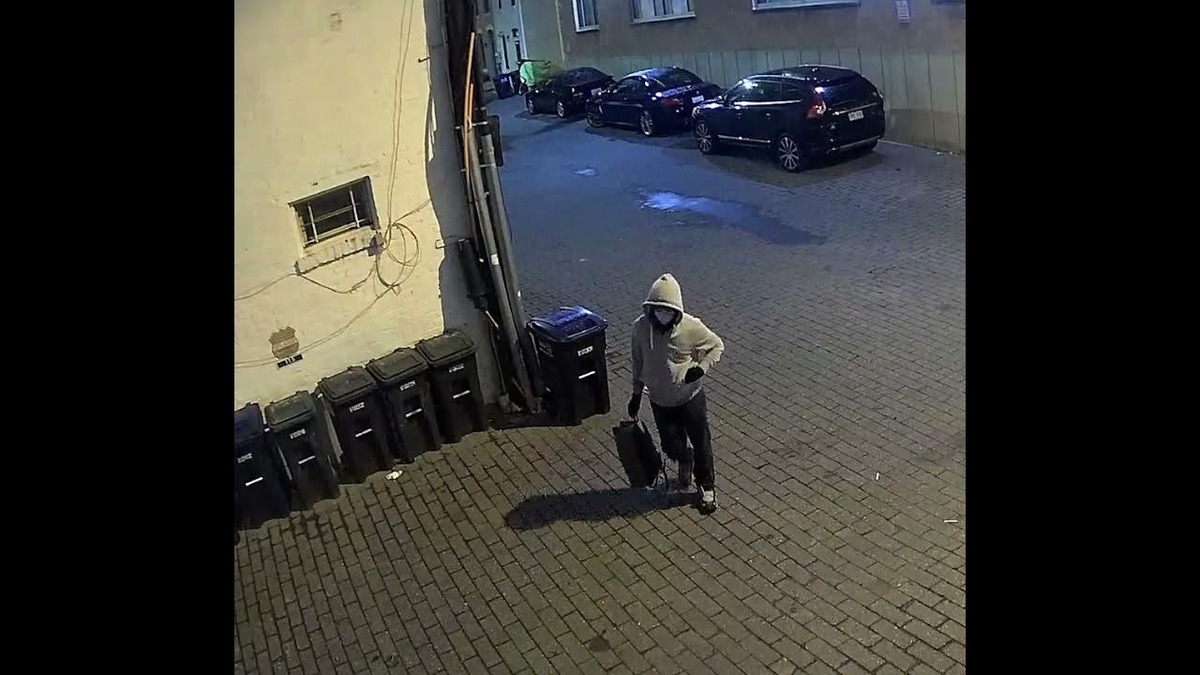
FBI footage of the DC pipe bomber released after January 6th
A Case Long Awaiting Answers
For years, the investigation into the DC pipe bomber mystery frustrated law enforcement and fascinated the public. On January 5, 2021, two homemade pipe bombs were discovered near the DNC and RNC offices in Washington, D.C., just hours before the violent assault on the U.S. Capitol. Although neither device detonated, the threat was real and could have caused serious harm to passersby, law enforcement, and political leaders.
Despite extensive early efforts, the case lay dormant for years with no publicly identified suspect. Federal authorities revisited forensic evidence, surveillance video, and cellphone records, eventually directing investigators toward Virginia resident Brian Cole Jr. His arrest in December 2025 marked a significant breakthrough in a case that had generated countless theories and speculation.
Confession and Motivation of DC Pipe Bomber
The most dramatic development in the ongoing DC pipe bomber story came with prosecutors’ claims that Cole confessed to making and placing the devices during questioning. According to filings, after initially denying involvement, Cole eventually admitted his role in constructing the bombs, detailing how he transported and placed them near the party headquarters.
Federal authorities revealed that part of their case included credit card records tracking purchases of bomb components, as well as other physical evidence found at his home. The confession reportedly came after agents reminded Cole that lying to federal investigators is itself a crime.
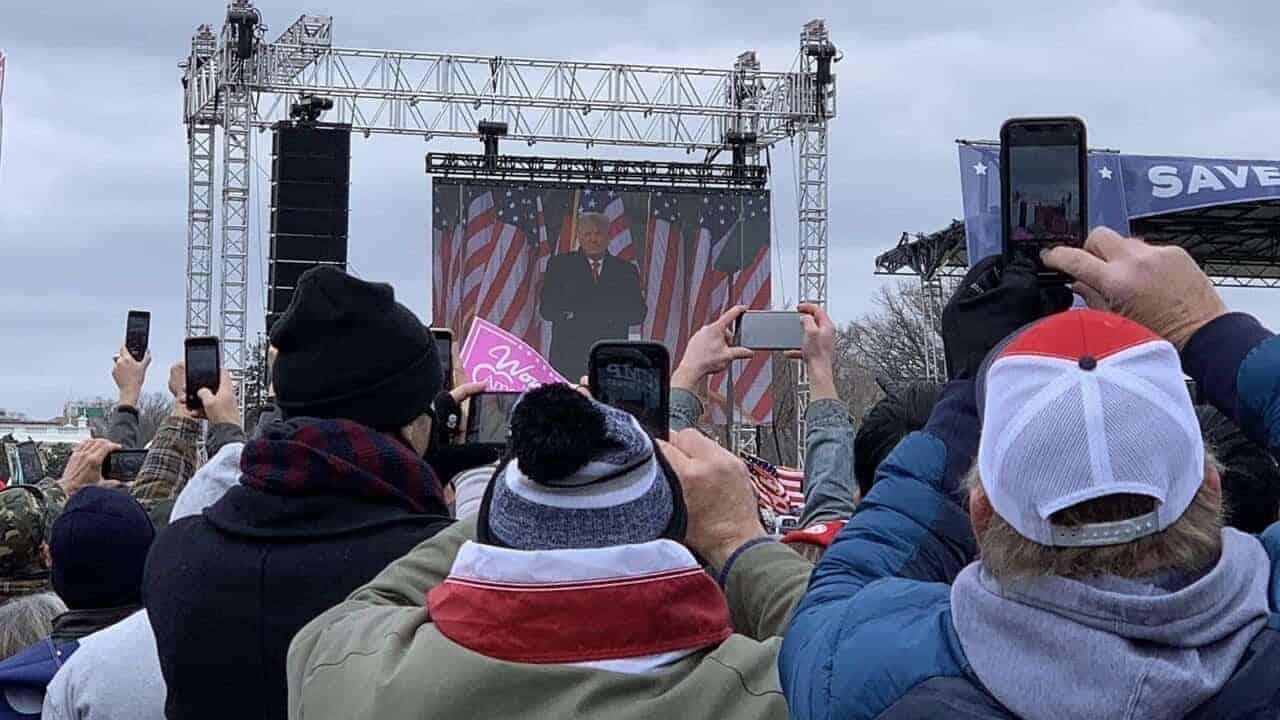
When questioned about his motivation, Cole said that “something just snapped” after watching political tensions escalate in the aftermath of the 2020 election. He expressed sweeping frustration with both major U.S. political parties, telling investigators he disliked them equally and felt compelled to act against institutions he saw as “in charge.”
Prosecutors further allege that Cole was influenced by conspiracy theories surrounding the 2020 election results, including claims that the election had been tampered with. Although he denied that his pipe bomb placement was directly linked to the certification vote taking place in Congress the next day, he told officials that he felt compelled to “speak up” in response to his political dissatisfaction.
Courtroom Arguments: Release or Detention
At the detention hearing, Cole’s defense team made an unusual but pointed case for his release before trial, arguing that their client should be allowed monitored home detention rather than remaining behind bars. His lawyers emphasized Cole’s lack of prior criminal record, his diagnoses of autism spectrum disorder and obsessive-compulsive disorder, and his willingness to wear a GPS monitor if released.
Prosecutors strongly opposed the motion, arguing that Cole presents a substantial danger to the community given the severity of the charges, which include transporting explosive devices with intent to harm and attempted malicious destruction using explosive materials. They highlighted the detailed confession, the calculated nature of the alleged actions, and the inherent risk posed by homemade bombs—even ones that failed to detonate.
The judge did not make an immediate ruling on bail, but pledged an expedited decision, leaving the DC pipe bomber suspect in custody as legal arguments play out.
Broader Implications for Public Safety and Accountability
The DC pipe bomber case has rippled beyond the courtroom, prompting debate on how political anger and misinformation can escalate into dangerous behavior, and how law enforcement can respond before small threats become devastating ones. Investigators emphasize that the devices, though inert in their failure to explode, were capable of serious damage and could have taken lives.
Critics also point to earlier investigative missteps and security lapses. Reports from congressional oversight highlight conflicting data handling, including debates over the integrity of cellphone records used to identify suspects, raising questions about investigative transparency and interagency coordination.
As the DC pipe bomber case advances toward trial, attention remains fixed on what this long-awaited confession and courtroom drama mean for national conversations about political violence, radicalization, and the responsibilities of civic life. In a polarized era, this case offers a stark reminder that grievances, when sidelined into isolation and fueled by misinformation, can morph into actions that endanger us all.