

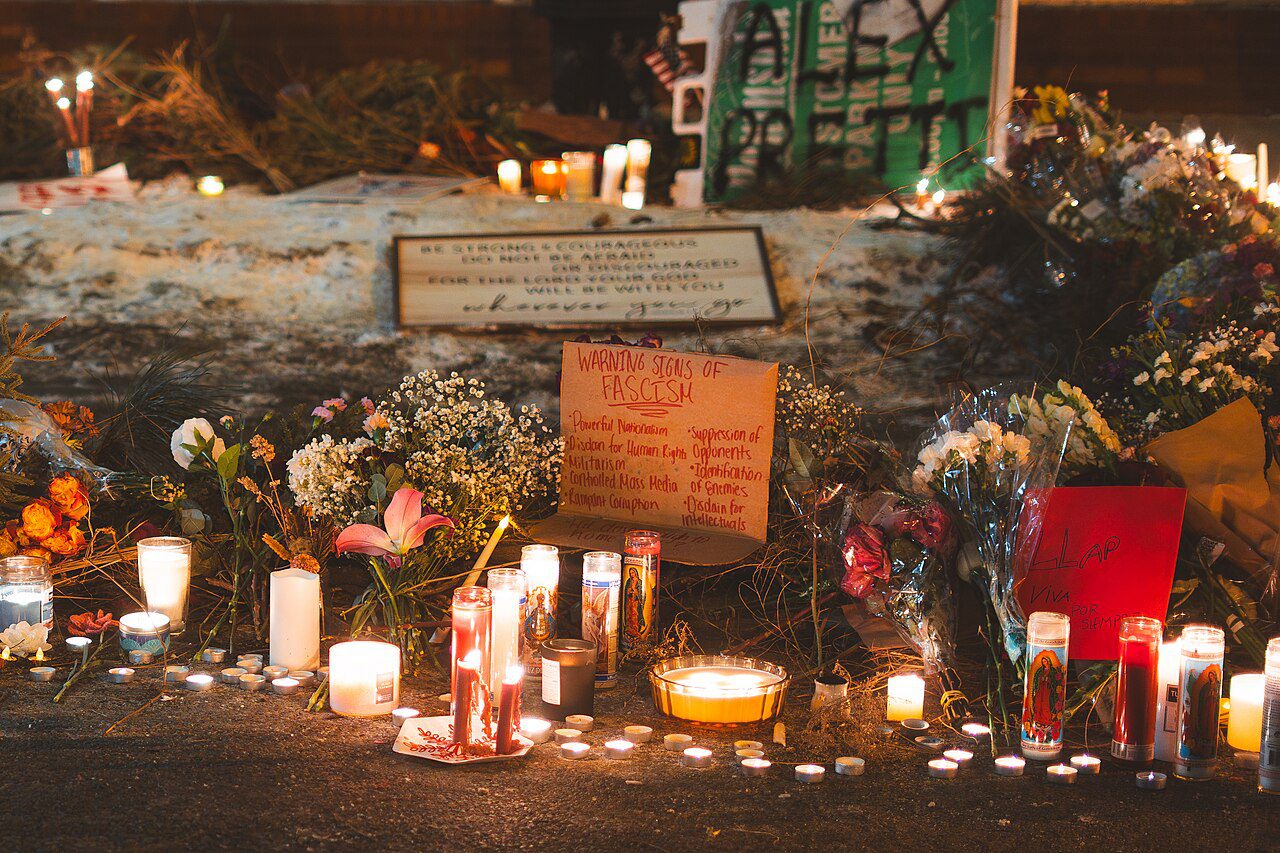
The fatal shooting of Alex Pretti by federal agents in Minneapolis is shaking up the way Americans talk about gun rights and national politics, especially within the Republican Party and the Trump administration. The controversy centers not just on the tragic death itself, but on what it means for the future of the Second Amendment and how leaders defend it.
Alex Pretti, a 37-year-old registered nurse who worked in the intensive care unit at a Veterans Affairs hospital, was killed on January 24, 2026, during a federal immigration enforcement operation in Minneapolis.
The operation was part of a broader surge led by the Department of Homeland Security in response to President Trump’s push for mass deportations in his second term.
Pretti was legally carrying a handgun under Minnesota law, but bystander videos that were widely shared online show him holding only a phone and trying to help a woman who had been shoved to the ground by an agent when a federal agent sprayed him with pepper spray, wrestled him to the ground, several more federal agents jumped on top of him, and he was ultimately shot.
These videos conflict with early official accounts coming from the Trump administration, which claimed that Pretti posed a deadly threat as he “approached federal agents with a 9mm semi-automatic handgun.”
The fact that Pretti was both a lawful gun owner and a U.S. citizen has complicated the usual political lines in America’s deepening gun rights debate. Traditionally, Republican leaders and conservative activists strongly defend the Second Amendment.
That makes this case unusual because many core Trump supporters reacted sharply against the government’s initial framing of the shooting.
The White House first strongly backed federal agents, but strong reactions from pro-gun groups and conservative lawmakers forced a change in tone. Some Republicans criticized the administration for suggesting a lawfully armed citizen was to blame for his own death.
Groups like the National Rifle Association and other gun-rights advocates called for a full investigation and expressed concern that the government was undermining the right to bear arms by blaming Pretti for being armed at a protest.
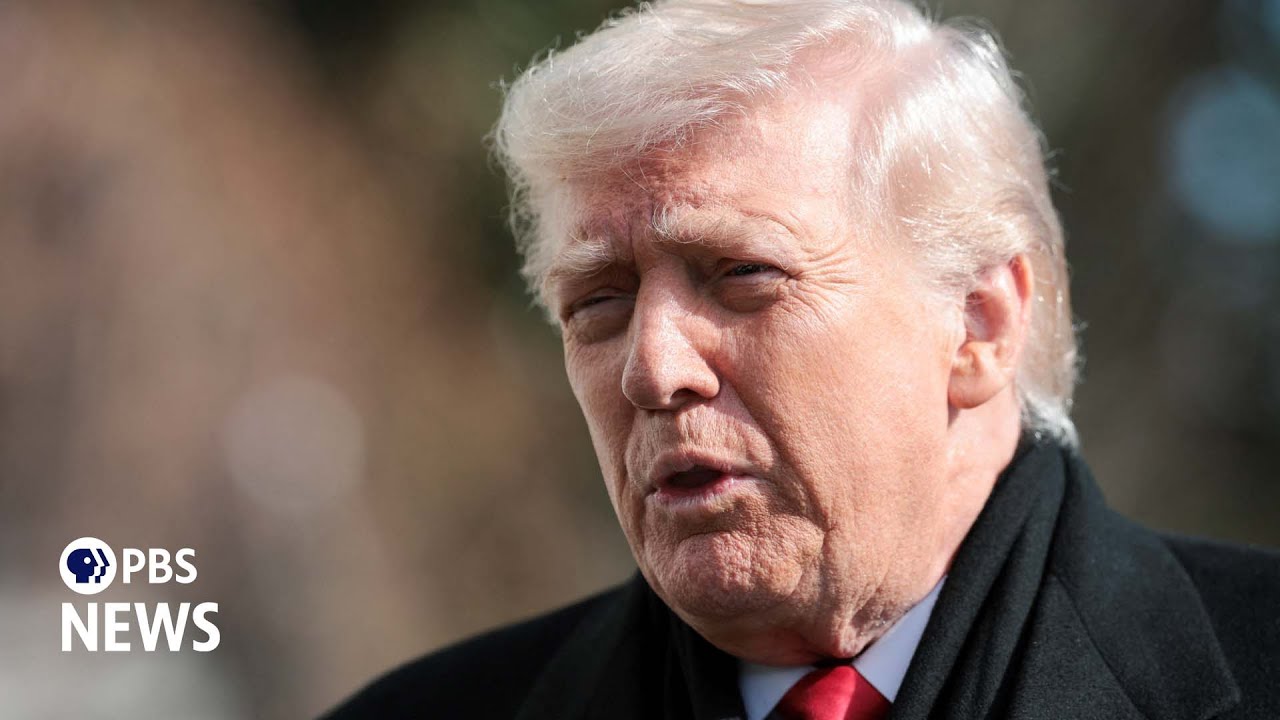
PBS News clip of reporters questioning President Trump about his comments and the Second Amendment.
President Trump, under pressure, has walked back some initial characterizations. At a recent public event, he said he did not believe Pretti intended to act as an “assassin,” a term used by Stephen Miller in a post on X and shared by VP JD Vance — even as he criticized Pretti for having a gun at the scene.
This moment is unusual in U.S. politics because normally gun-rights supporters unite behind a broad defense of the Second Amendment.
In this case, powerful voices on the right are pushing back against the federal government’s narrative, saying that a lawfully armed American should not be blamed without clear evidence.
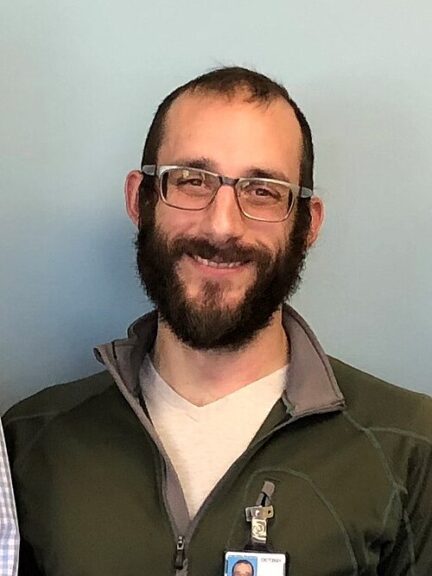
The situation has also prompted calls for clear and transparent investigation into the circumstances of Pretti’s death. Republican lawmakers, including senators and governors, have urged that the full truth be uncovered. They have expressed worries about federal law enforcement’s use of force and have called for stronger rules governing accountability when agents are involved in shootings. Democrats have joined in demanding accountability, with some threatening to withhold funding for immigration enforcement until investigations are completed.
Minnesota’s governor, Tim Walz, has been outspoken. He called the shooting “unacceptable” and argued that local authorities and citizens should not have to face what he called “unchecked federal force.”
The governor even mobilized the state’s National Guard to support local law enforcement, saying the federal government cannot be trusted to handle the investigation alone.
The controversies around the Pretti shooting have sparked protests across the country. Demonstrators have rallied in cities including Minneapolis, San Francisco, Boston, and New York to demand justice and question the role of federal immigration agents.
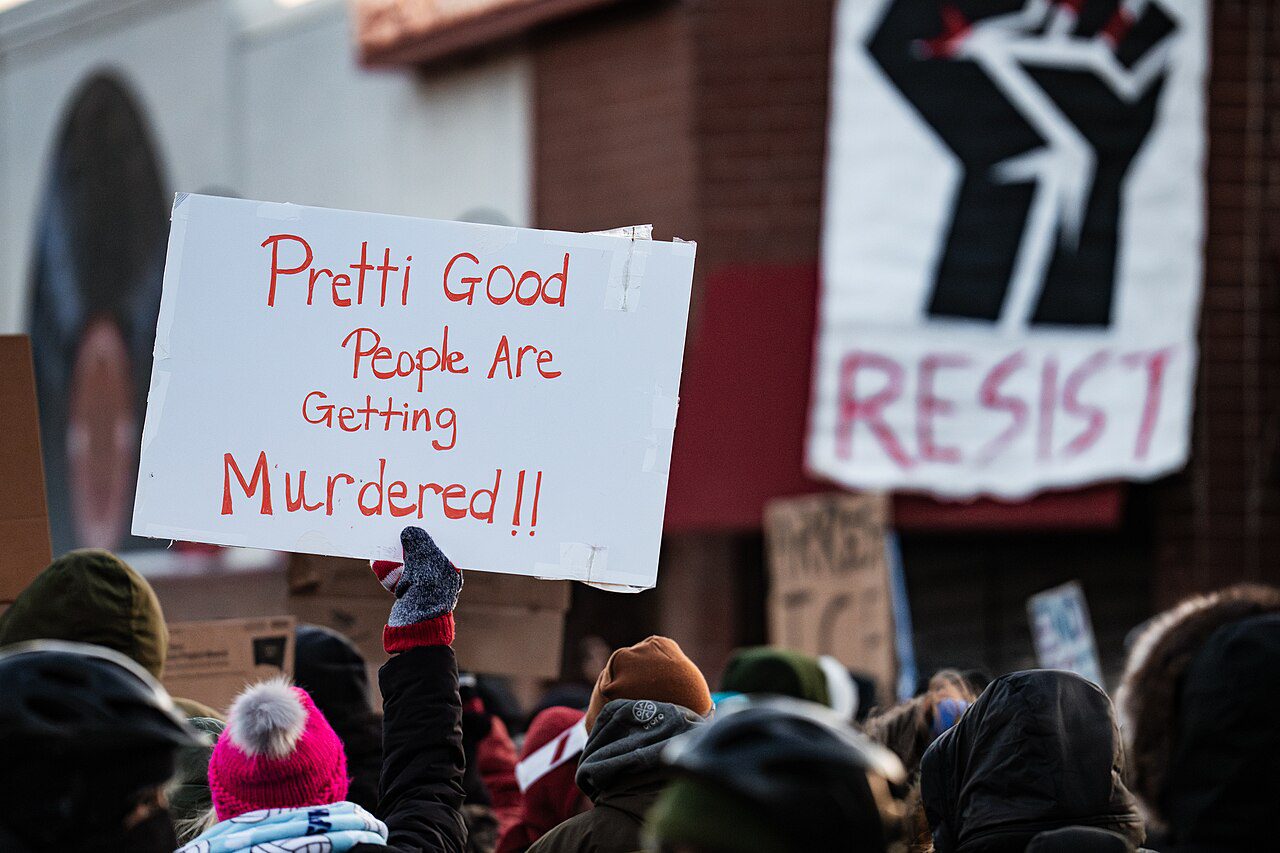
Thousands have taken part in demonstrations that mix broader calls for immigration reform with anger at how the situation was handled.
Supporters of Pretti’s family say he was a gentle person and a community-focused healthcare worker, not someone looking to start violence. His family has strongly disputed the idea that he was threatening law enforcement, calling official statements “false and offensive.”
Critics of the Trump administration say the Pretti killing highlights deeper contradictions in the politics of gun rights and law enforcement. They argue that some leaders may talk tough on guns but falter when a lawfully armed citizen is shot during an operation that many see as politically controversial.
What happens next could have lasting effects on how the Second Amendment is discussed in Washington. This incident has shown that gun-rights politics are not as predictable as many thought.
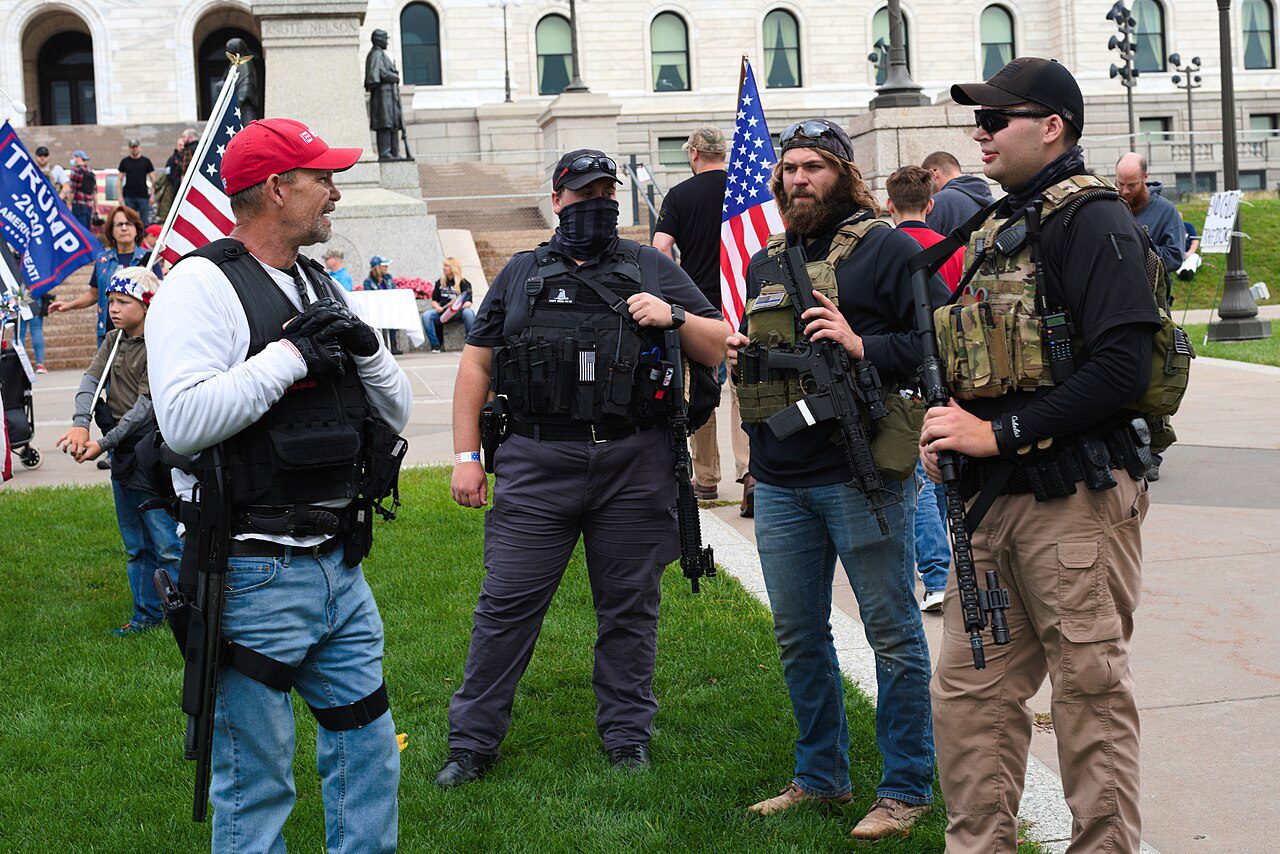
Photo: Fibonacci Blue CC BY 2.0
Even within conservative circles, there is growing unease about how the government frames situations involving armed citizens, especially when video evidence challenges official accounts.
As investigations continue and debates unfold, the killing of Alex Pretti is likely to remain a flashpoint in American political life, forcing leaders and voters alike to reassess what it means to defend constitutional rights while calling for public safety and accountability.